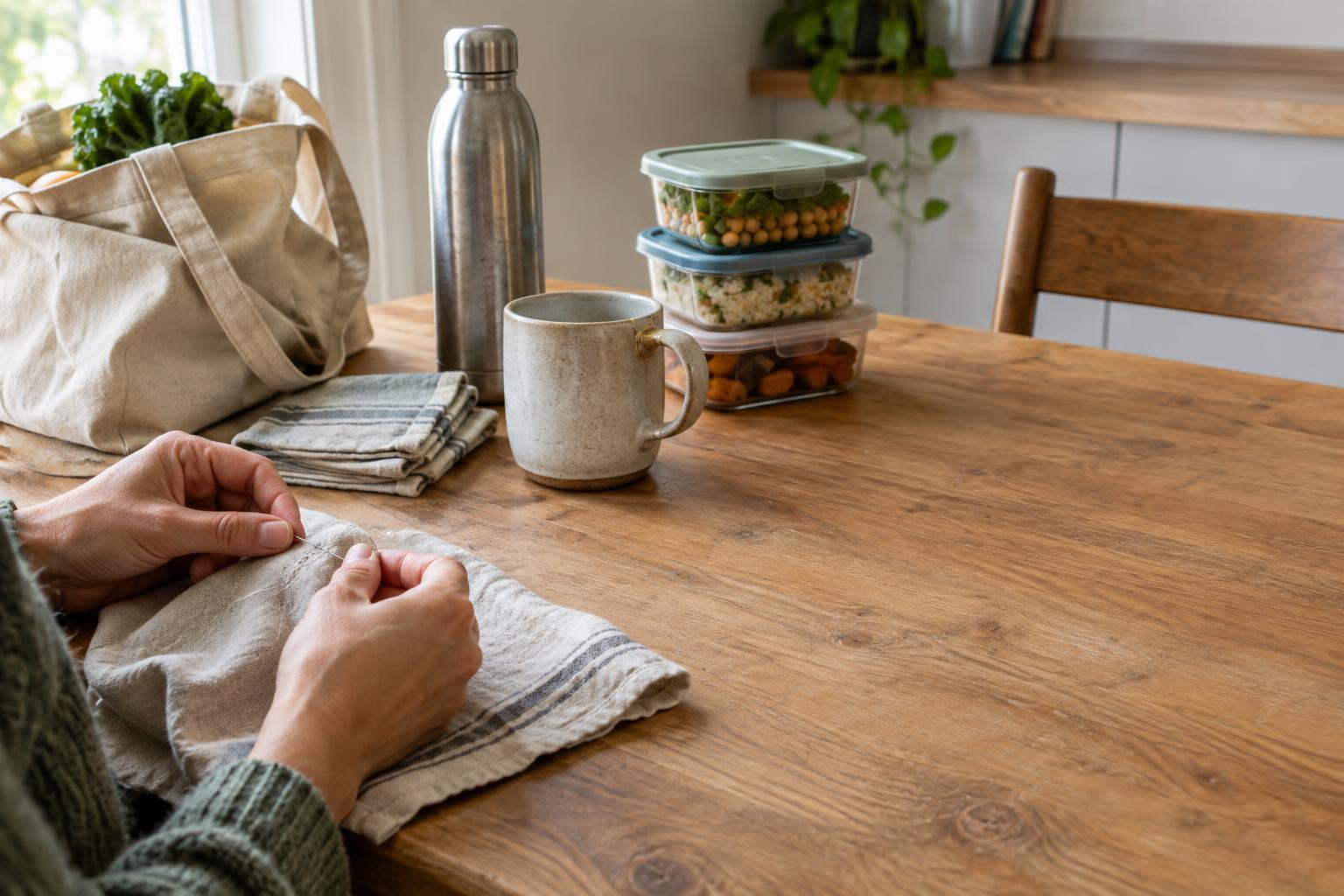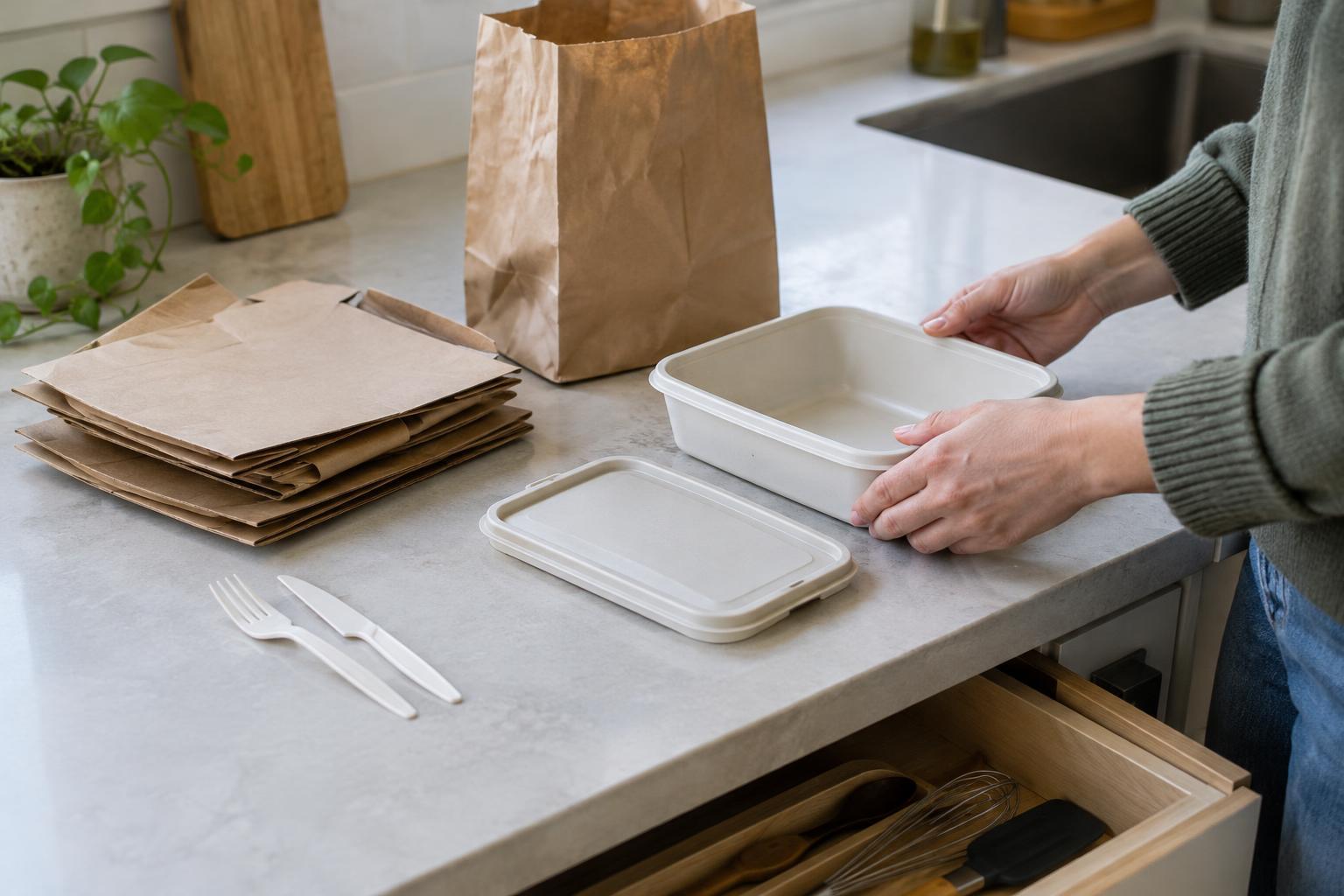
Low-Waste LivingTakeout and delivery can leave behind more than a meal. A simple routine for requesting fewer extras, sorting packaging and keeping only what you will use can prevent the kitchen drawer from becoming a storage spot for disposable supplies.
Read article · 4 min↗
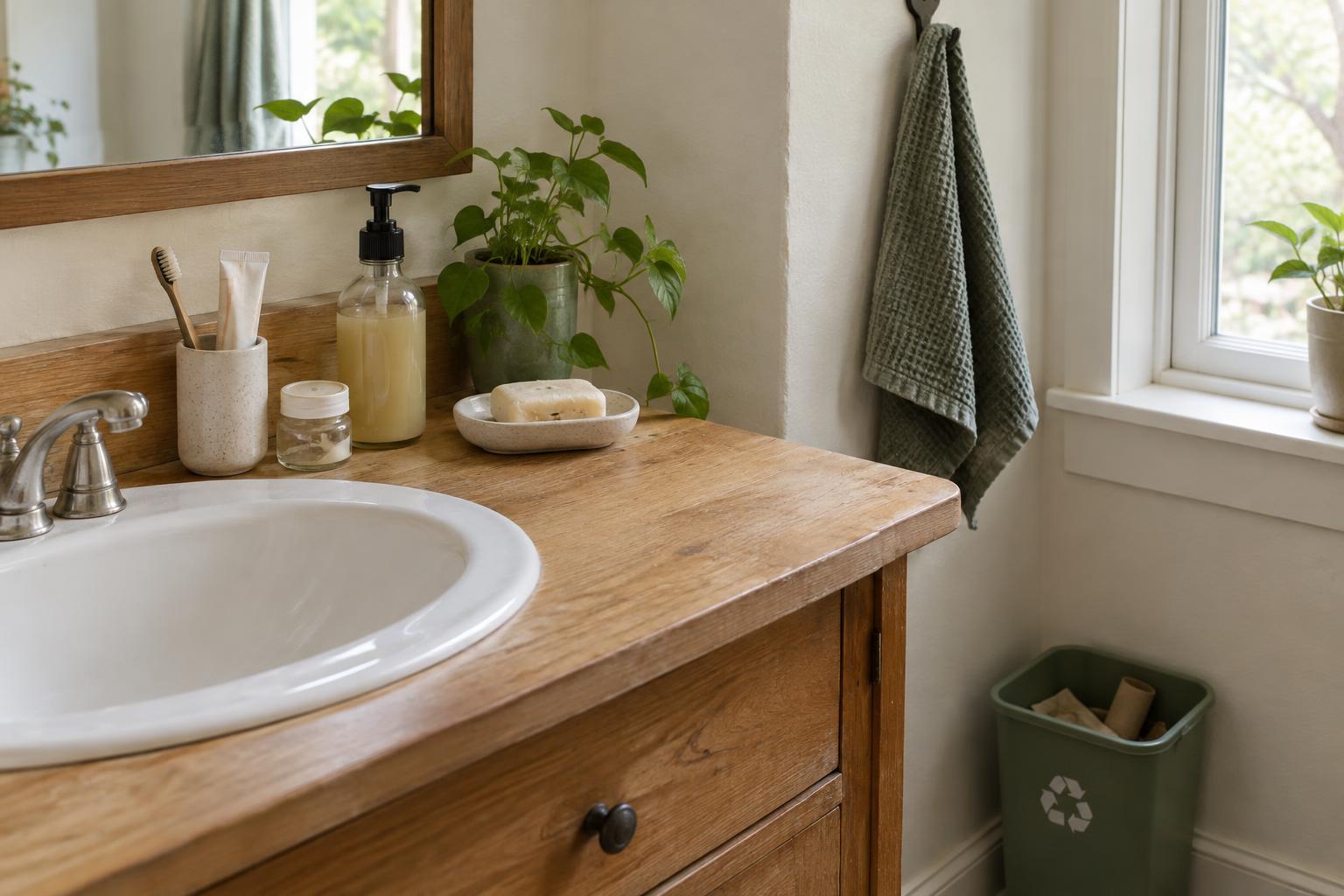
Low-Waste LivingA lower-waste bathroom does not require a shelf of new products. Start by using what you own, adjusting everyday routines, caring for reusable items and making disposal easier to get right.
Read article · 4 min↗
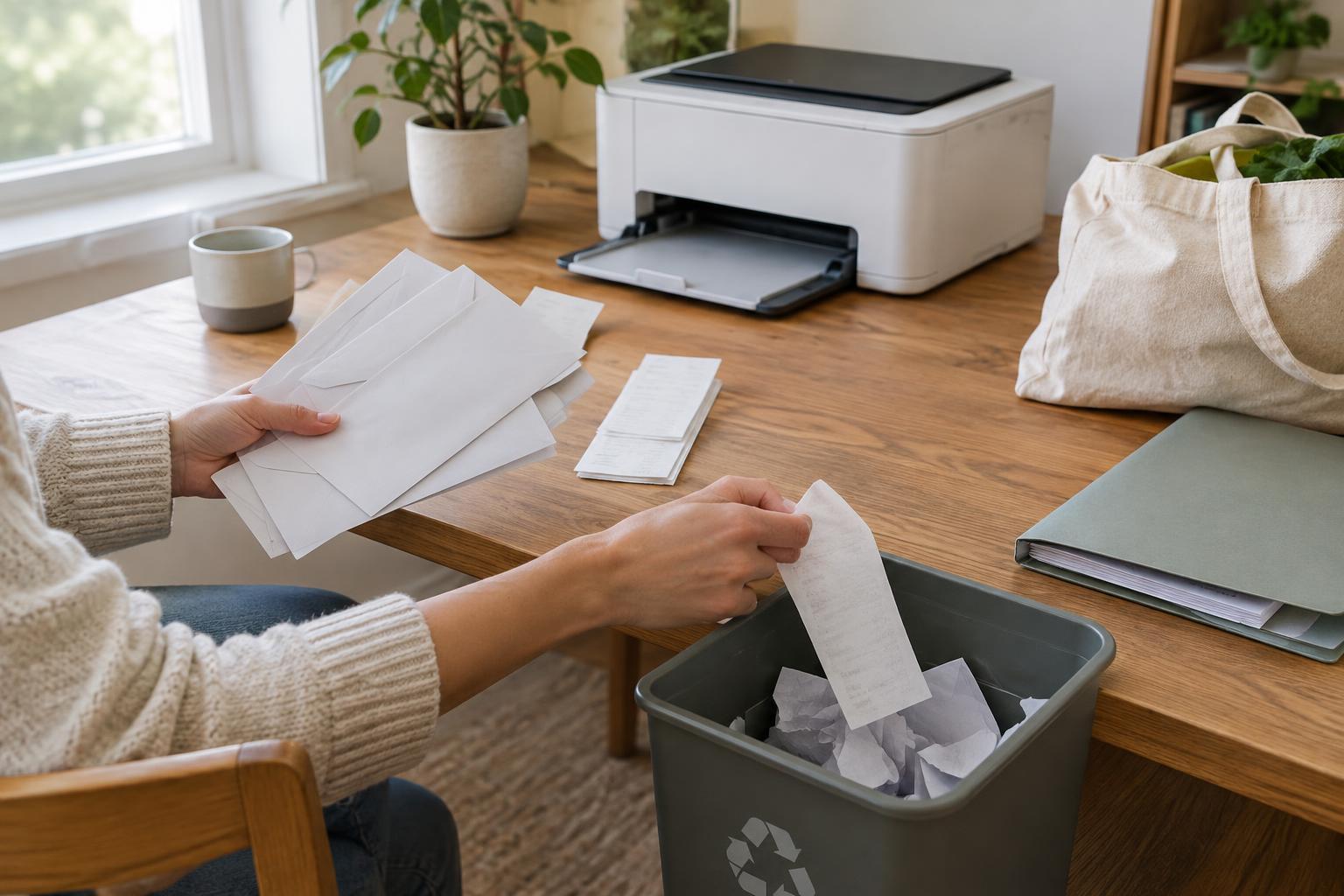
Low-Waste LivingPaper waste often arrives one small piece at a time. Learn how to reduce unwanted mail, choose receipts more deliberately, print less at home, and handle the paper you still need.
Read article · 3 min↗
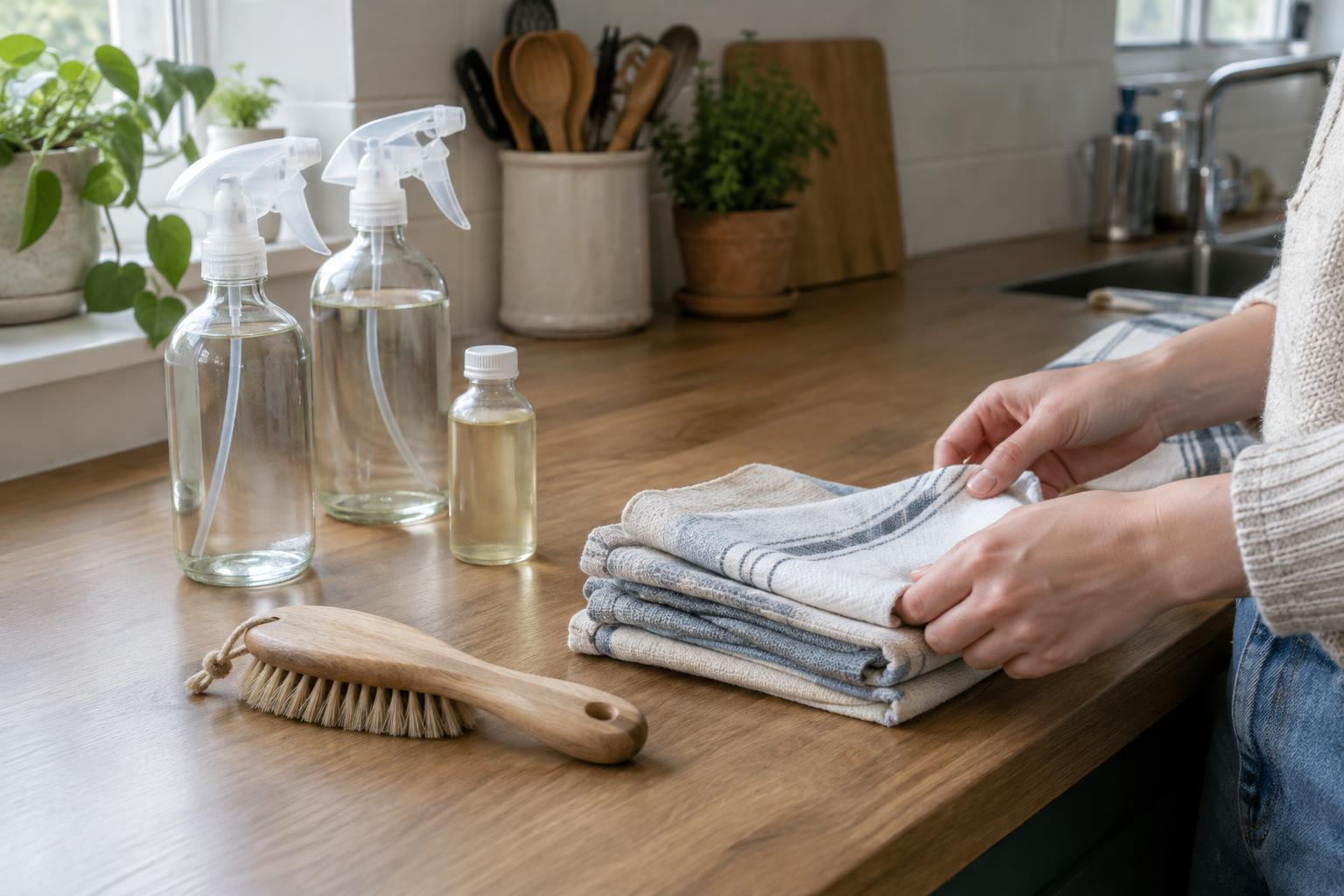
Low-Waste LivingA lower-waste cleaning routine does not require a cupboard full of new products. Learn how to use concentrates, refill bottles safely, choose washable cloths, and keep the routine manageable.
Read article · 4 min↗
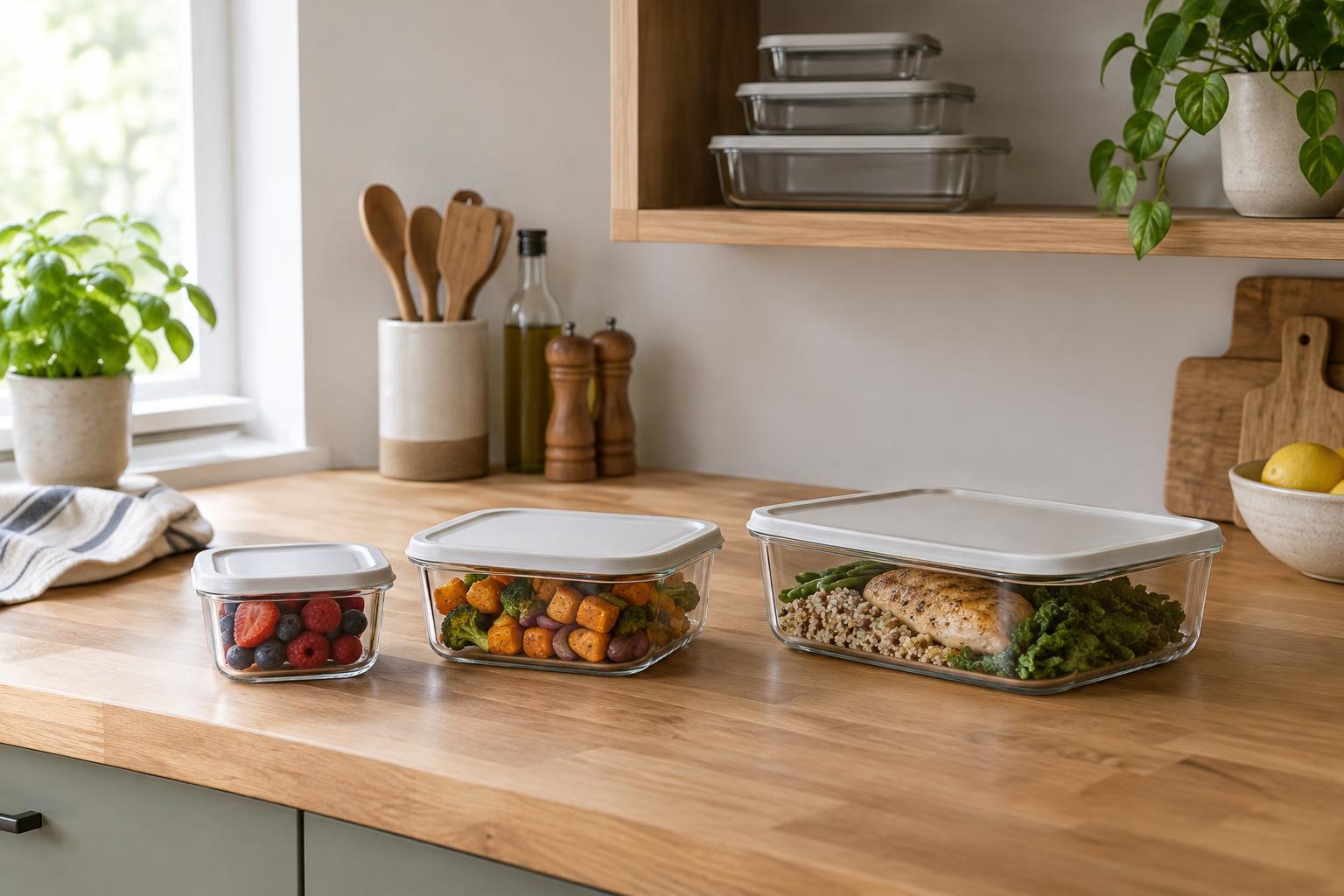
Low-Waste LivingThe most useful food containers are the ones that fit your meals, your storage space and your routine. Learn how to choose a small set of practical sizes before buying more.
Read article · 4 min↗
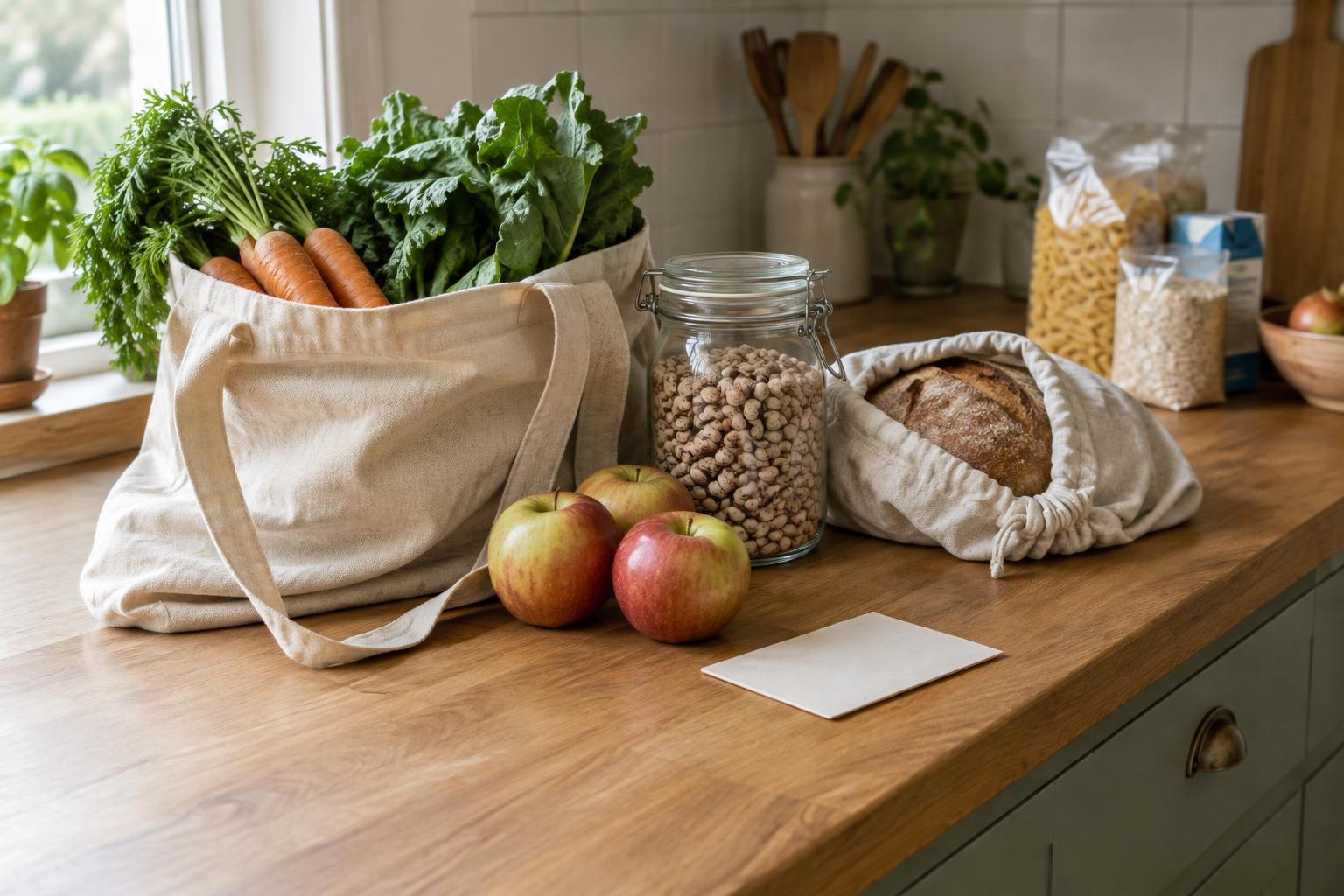
Low-Waste LivingA lower-packaging grocery routine starts with the food you already buy. Learn how to plan around what you use, choose workable packaging alternatives, and avoid turning a simple goal into a complicated shopping project.
Read article · 3 min↗
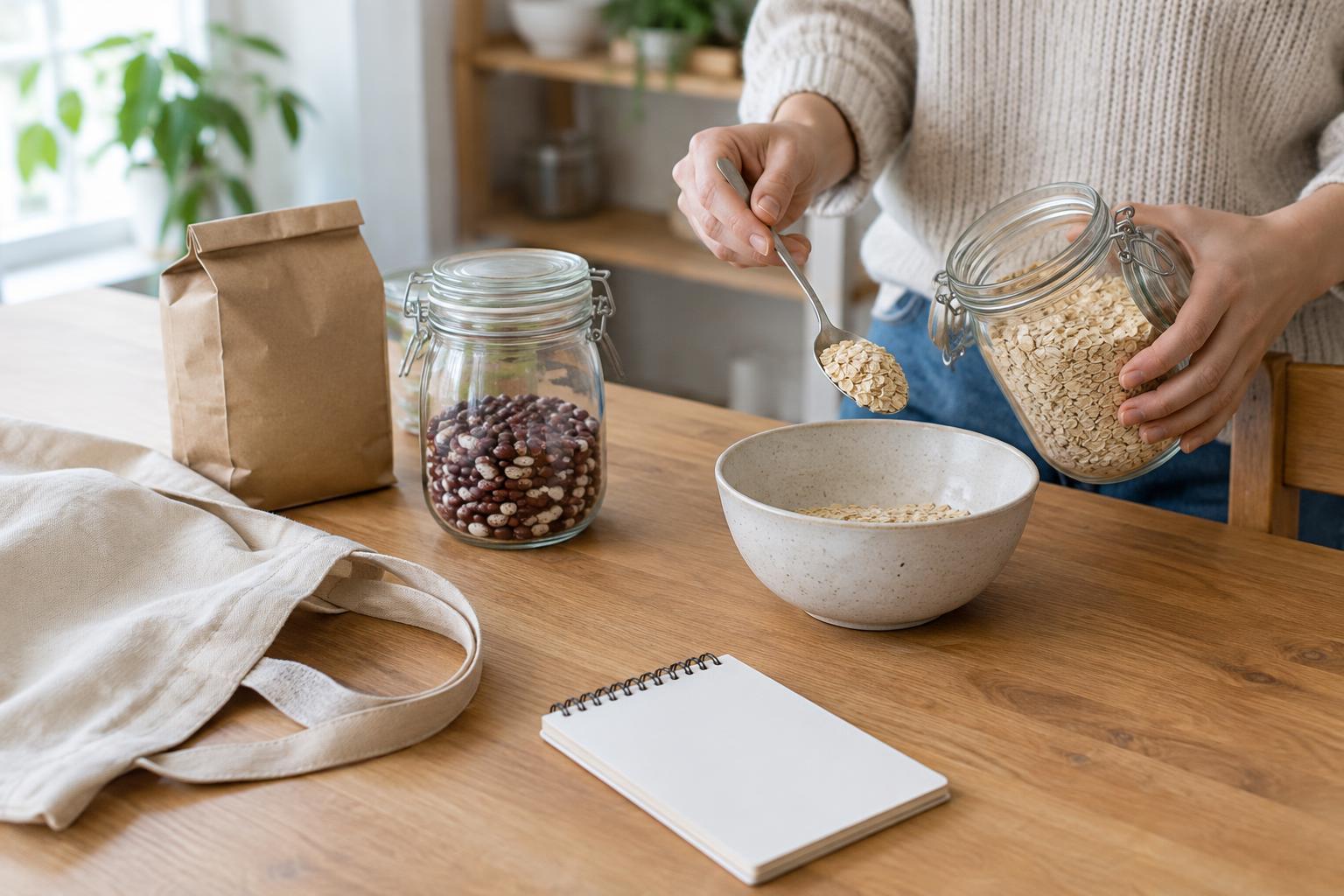
Low-Waste LivingPackaging is only one part of a product’s waste. Learn when refills and bulk bins make sense, when packaged goods are the better choice, and how to shop around what your household will actually use.
Read article · 4 min↗
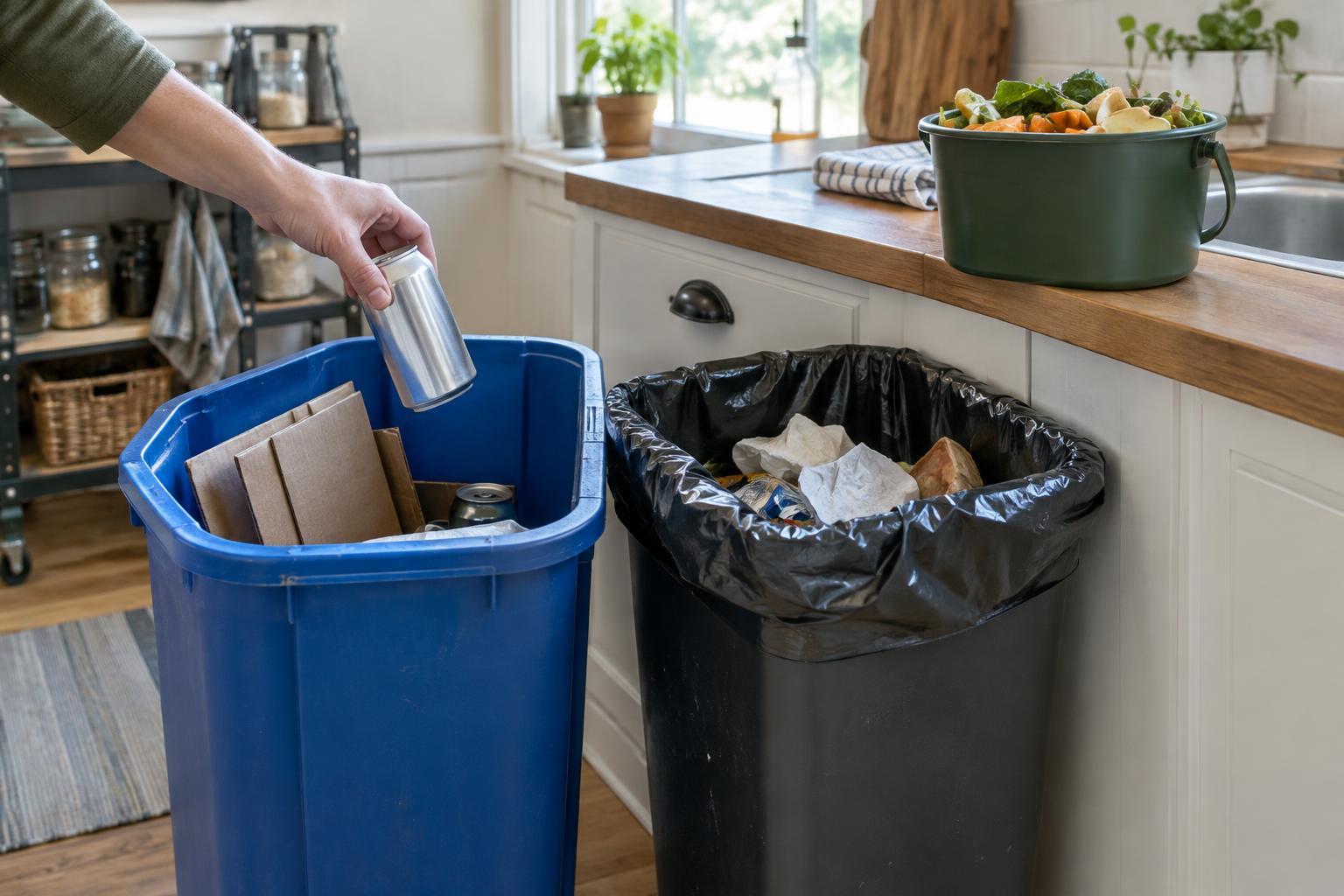
Low-Waste LivingA useful home waste station does not need matching bins or a complicated sorting system. Start with your local collection rules, place containers where waste happens, and make the right choice easy for everyone in the household.
Read article · 4 min↗
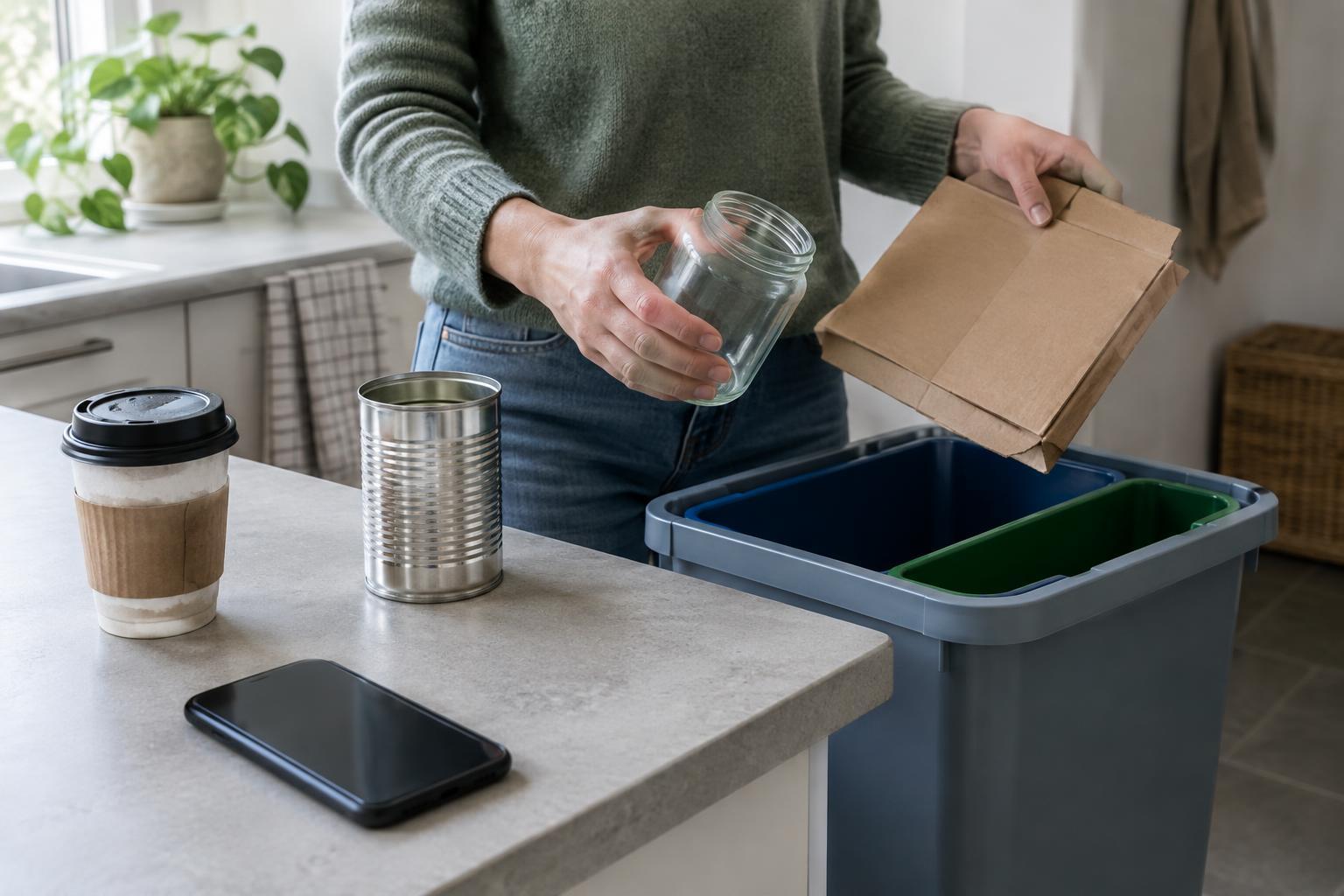
Low-Waste LivingRecycling rules depend on where you live and who collects your materials. Learn how to find reliable local guidance, sort common items, and keep hopeful guesses out of the bin.
Read article · 4 min↗
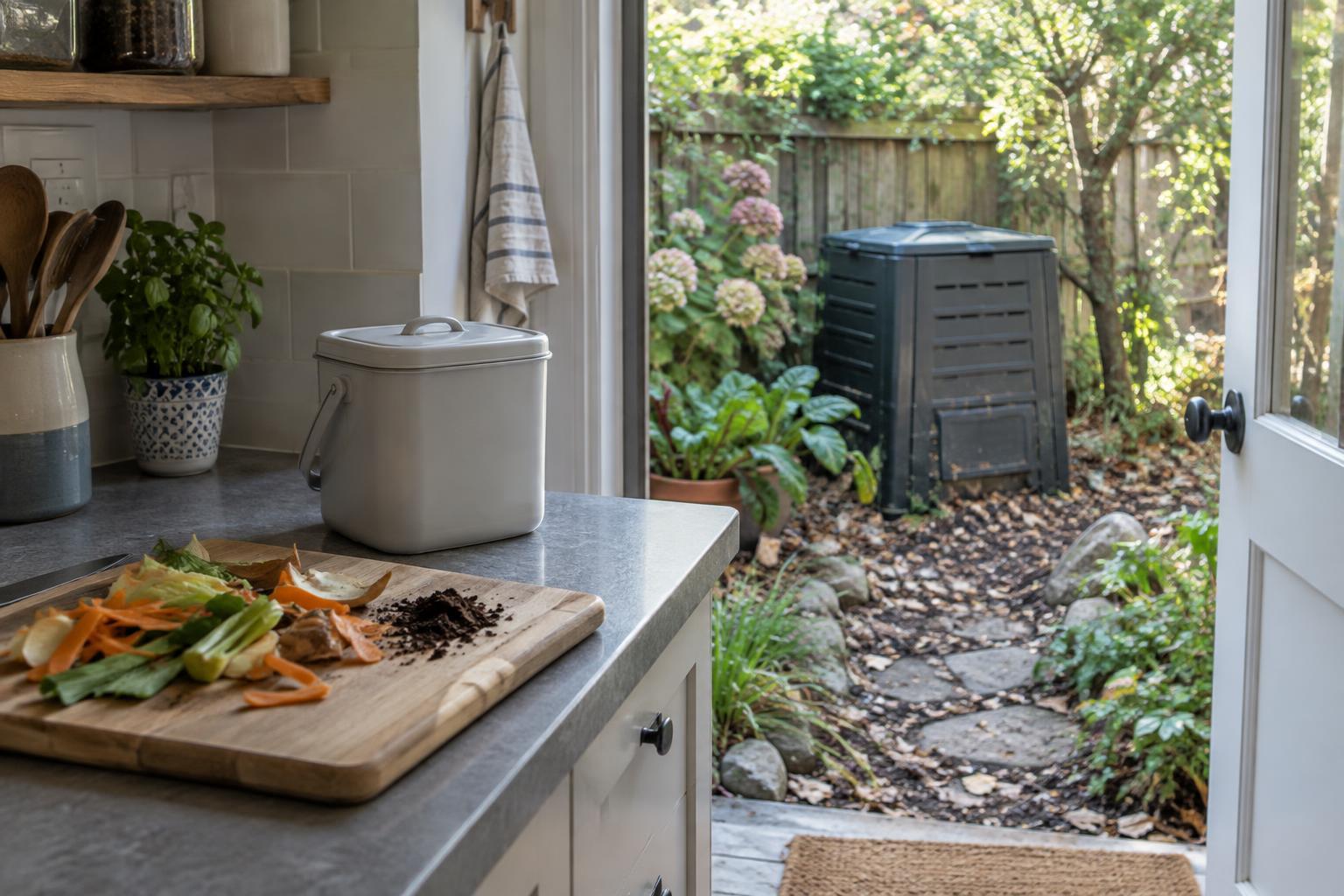
Low-Waste LivingA backyard bin and a countertop container for collection can both keep food scraps out of the trash, but they ask different things of your space, time and routine. Here’s how to choose a setup you can maintain.
Read article · 4 min↗
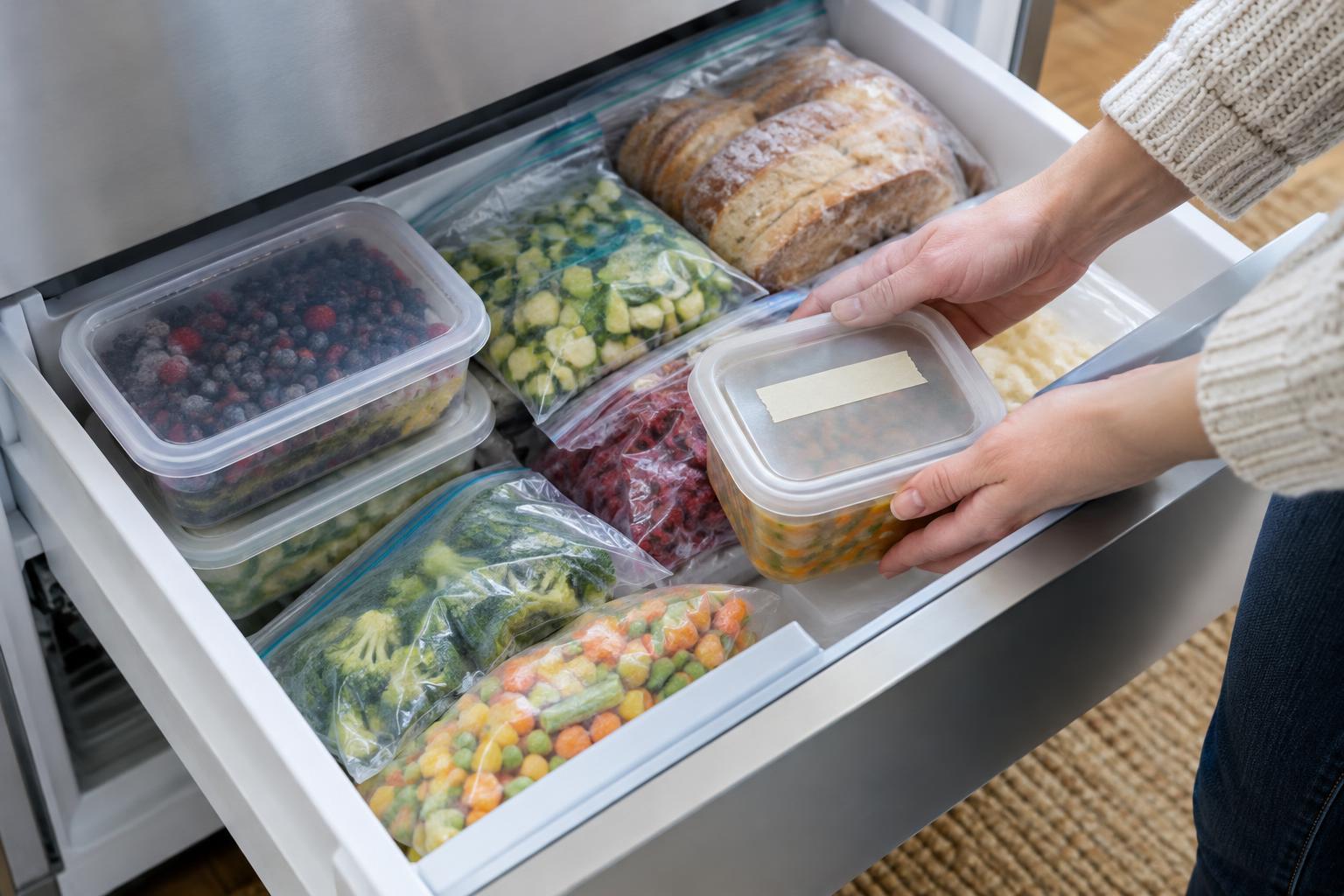
Low-Waste LivingA freezer can turn extra ingredients and leftovers into future meals, but only if you can identify and use what you’ve saved. Learn what freezes well, what changes texture, and how to label food so it doesn’t disappear into the back of the freezer.
Read article · 4 min↗
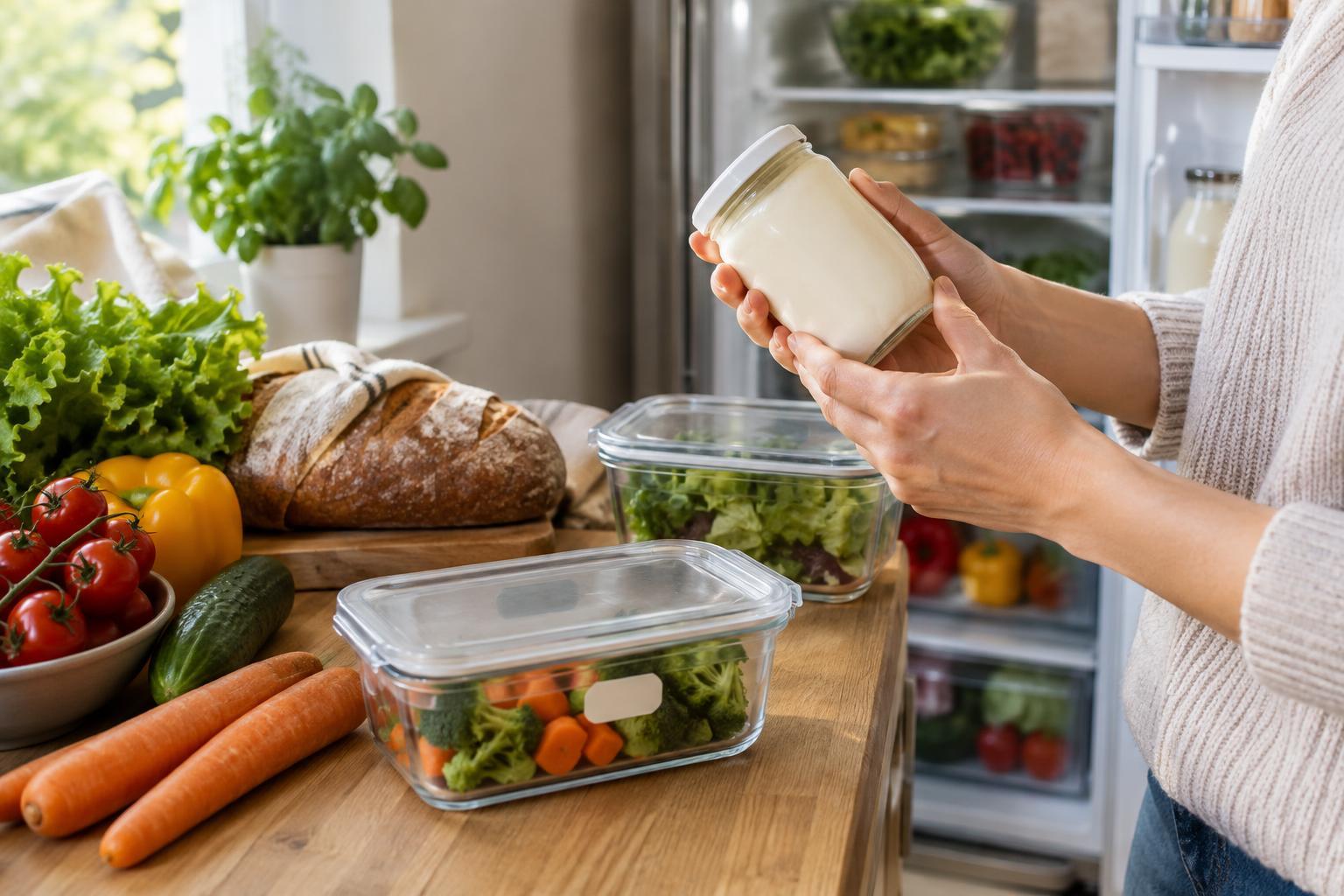
Low-Waste LivingA date on a package is useful information, but it does not always mean the food becomes unsafe the next day. Learn how to read common labels, check storage conditions and plan meals so less food ends up in the bin.
Read article · 4 min↗
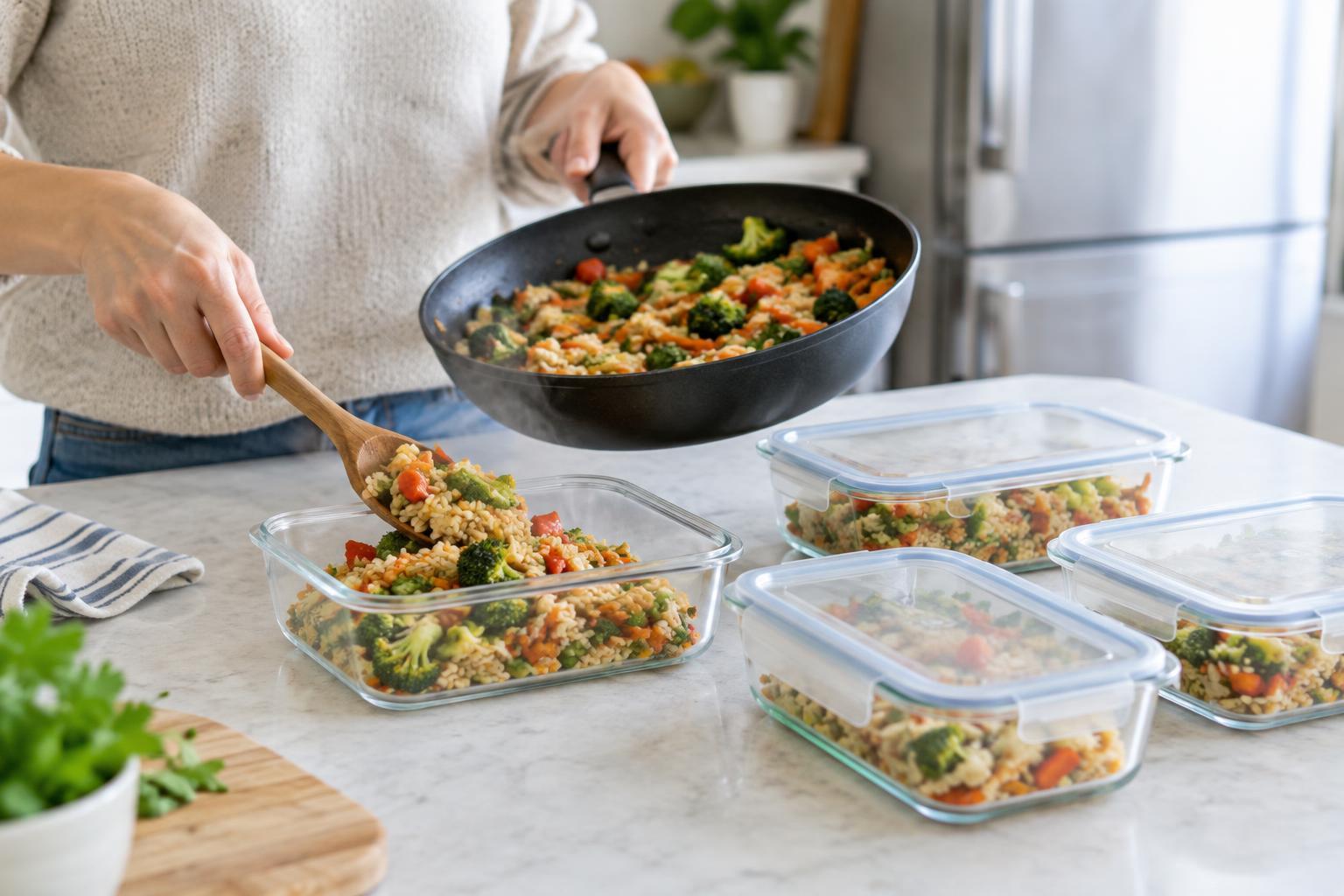
Low-Waste LivingLeftovers can save a meal from the bin, but only if they are handled with care. Learn how to cool food promptly, store it in useful portions, and reheat it thoroughly.
Read article · 4 min↗
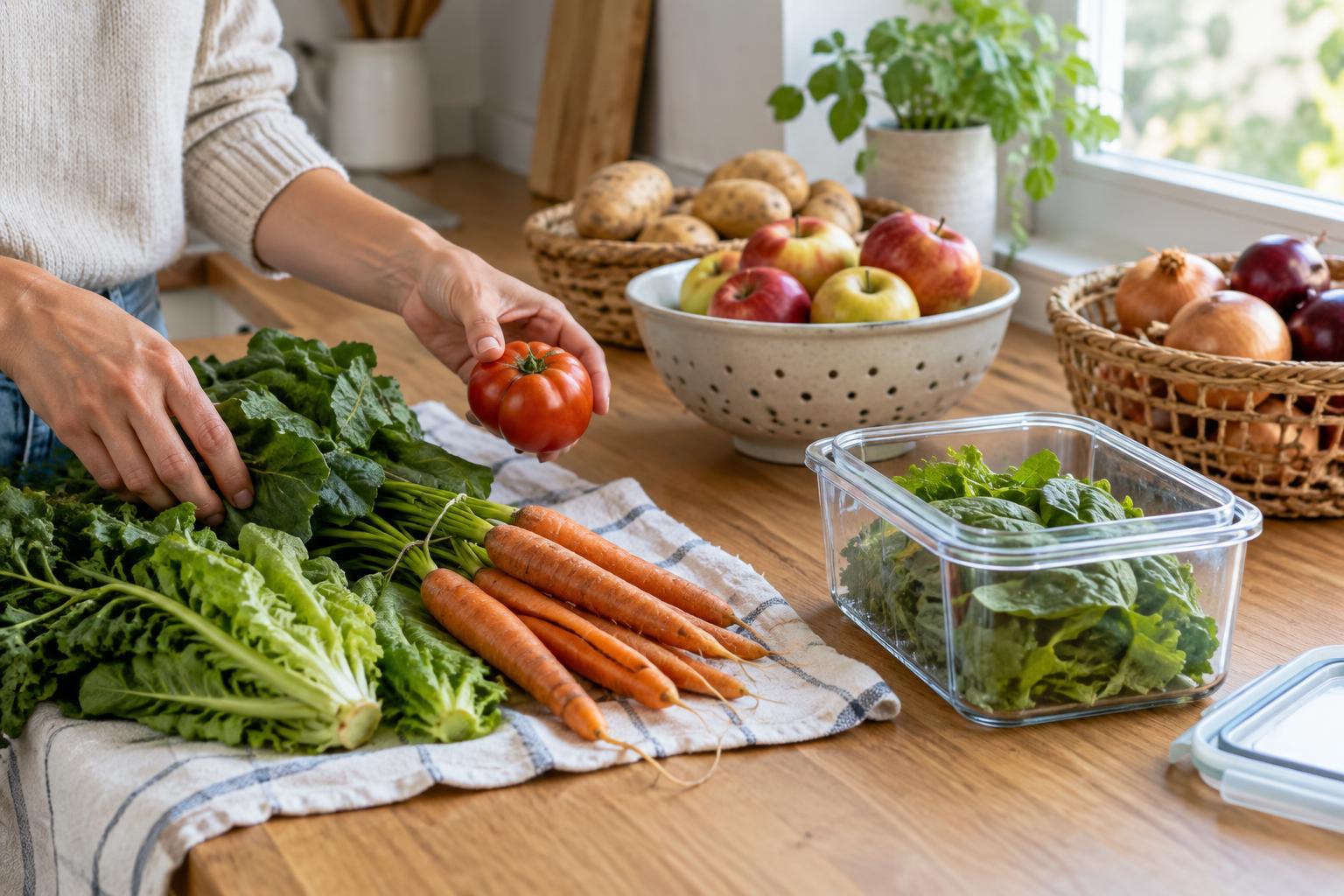
Low-Waste LivingA few storage habits can help you use more of the produce you buy. Learn where to keep common fruits and vegetables, how to manage moisture, and what to do when something starts to soften.
Read article · 4 min↗
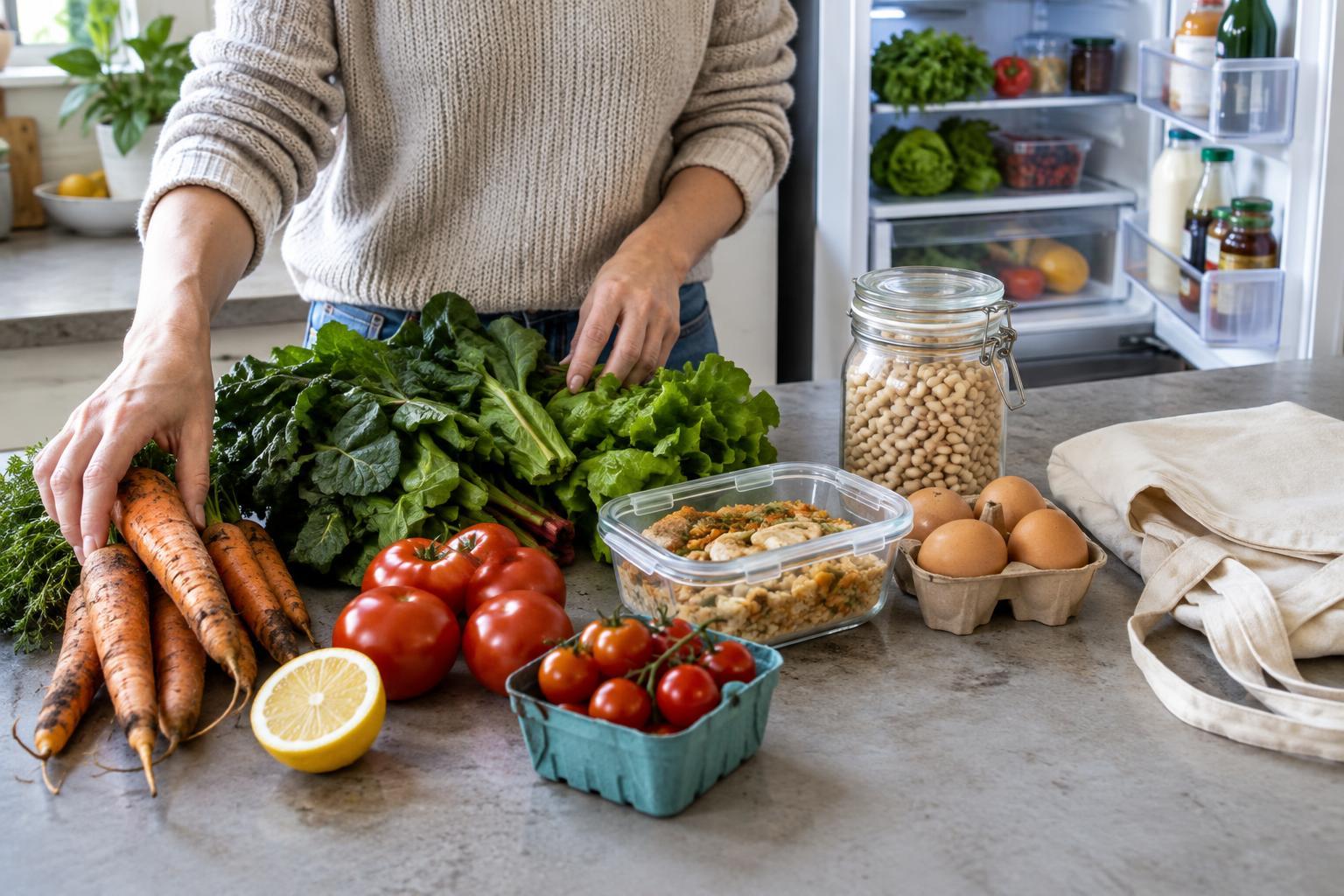
Low-Waste LivingA useful meal plan begins before you write a shopping list. Check what is already in your fridge, freezer and pantry, then build a few flexible meals around the ingredients that need attention first.
Read article · 3 min↗
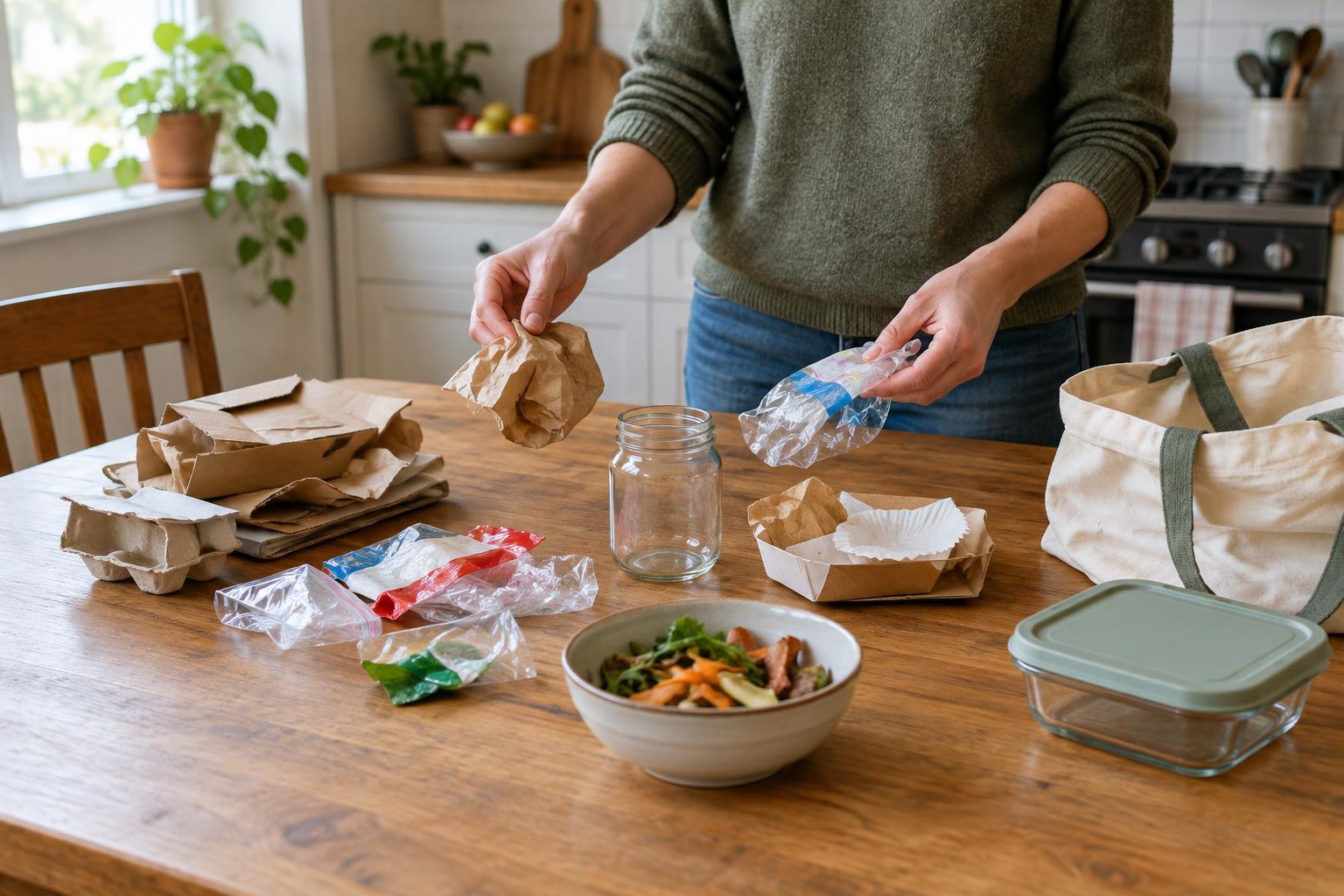
Low-Waste LivingA household waste audit does not require a spreadsheet or a perfect recycling system. Look at what your household throws away over a typical week, find one repeat pattern, and test a small change that fits your routine.
Read article · 4 min↗