Start with the wording, not just the date
It is easy to see a date on a package and treat it as a deadline. But date labels do different jobs, and their meanings can vary by product and location. Before discarding food, read the words beside the date and any storage instructions. “Keep refrigerated,” “refrigerate after opening” and similar directions are part of the picture, not fine print to ignore.
A “best before” or “best by” date generally refers to expected quality. A product may gradually lose flavor or texture after that date without becoming unusable at midnight. A “sell by” date is typically aimed at store stock management rather than serving as a direct instruction to households. A “use by” date deserves more care: in some places and on some foods, it marks a safety limit. Follow local guidance and the package instructions rather than assuming every label works the same way.
Match your checks to the food
For shelf-stable foods stored as directed, a passed quality date can be a prompt to inspect rather than an automatic reason to throw the package away. Check that the container is intact. Once opened, look for signs of spoilage such as mold, an unusual smell or an unexpected change in texture. Quality may decline even when the food is still usable: stale crackers, for example, might work better as crumbs than as a snack.
Do not use a taste test to decide whether questionable food is safe. Harmful contamination is not always visible or detectable by smell. Be more cautious with highly perishable foods, damaged or swollen containers, food left at room temperature when it should have been chilled, and anything stored contrary to its instructions. If you cannot tell how a food was handled, throwing it away may be the sensible choice. Reducing waste should not mean taking a safety risk.
Remember that opening changes the clock
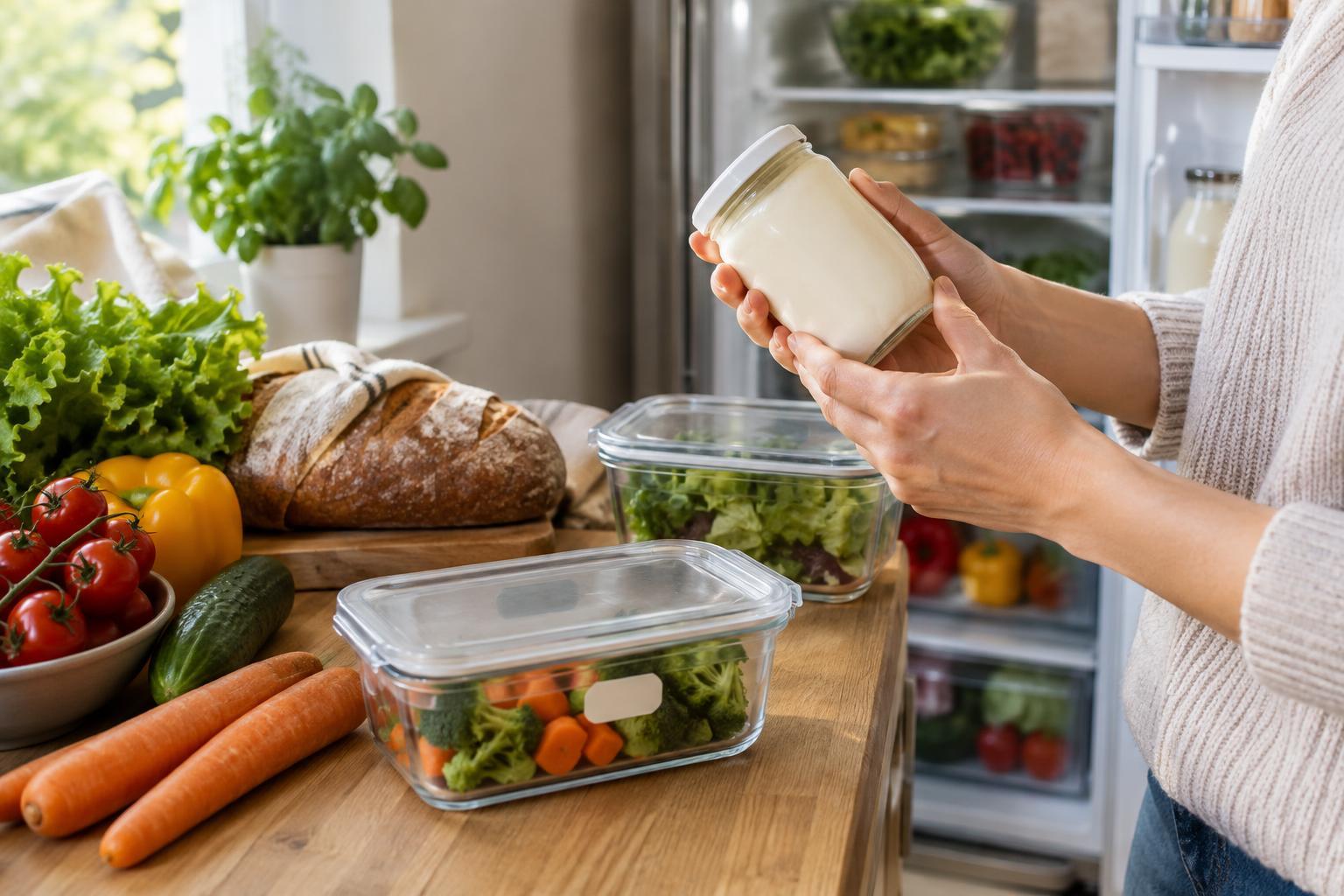
The printed date usually assumes the package has been stored as directed and, often, remains unopened. After opening, new instructions may apply. A jar with months left before its best-before date may still need prompt use once its seal is broken. Keep the original label or transfer its instructions to a reusable container along with the date you opened it.
Your fridge and freezer matter as much as the label. Put chilled groceries away promptly, keep raw foods from leaking onto ready-to-eat foods, and use clean, closed containers for leftovers. Freeze food while it is still in good condition if you will not use it in time. Freezing can help preserve food, but it does not restore food that has already spoiled. Follow any product-specific directions for freezing and thawing.
Give older food an easy route into meals
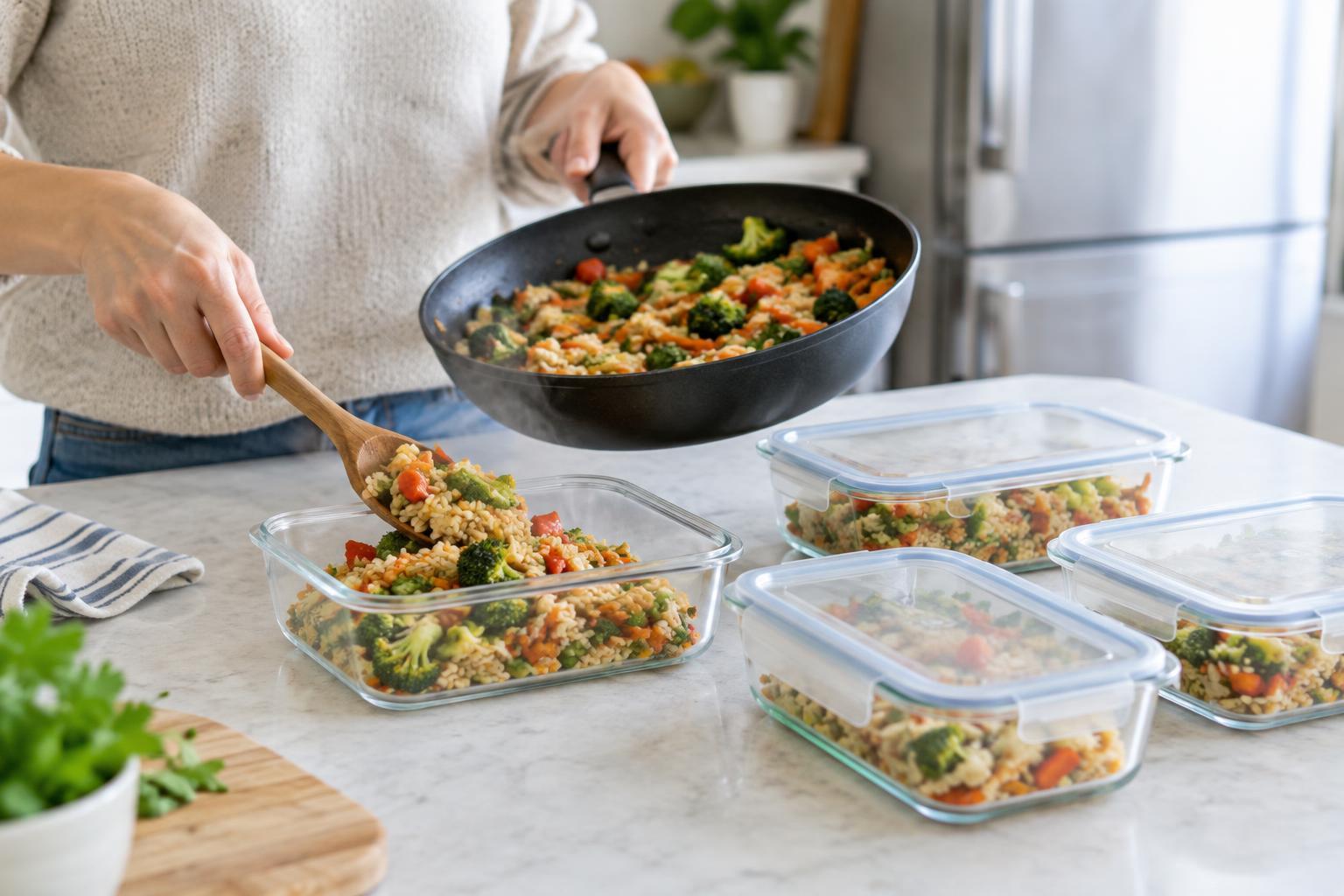
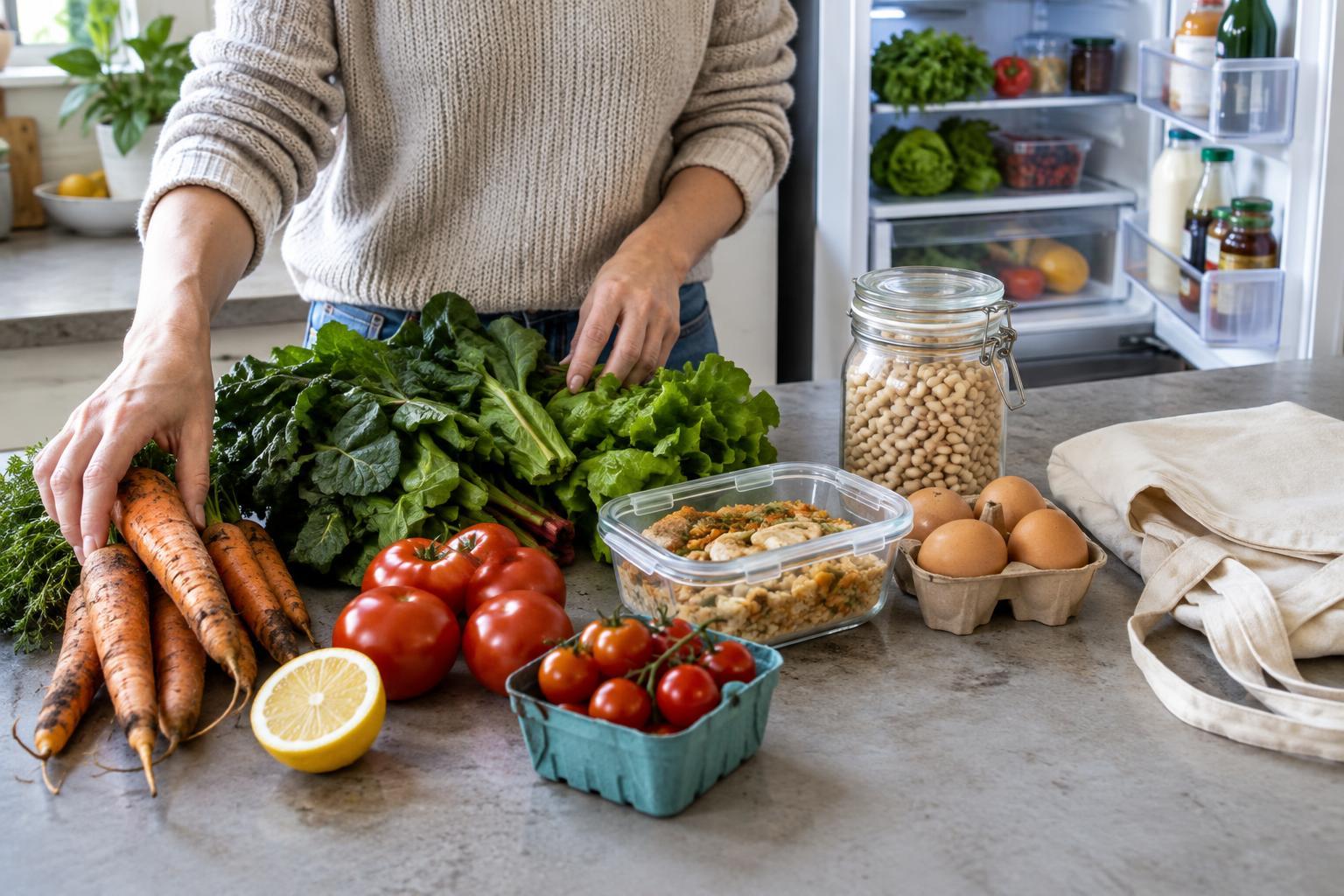
A small “use first” area in the fridge or cupboard makes older items easier to notice. When unpacking groceries, move existing food forward and place new purchases behind it. Before writing a shopping list, check that area and plan one or two flexible meals around what is already there. Soup, fried rice, pasta and sandwiches can all make use of small amounts of suitable ingredients without requiring a new recipe for every item.
Buy quantities that fit your routine, even if a larger pack appears convenient. A bargain is less useful when part of it is regularly wasted. For foods you often forget, try writing the opening date on the package and deciding when you will use the remainder. These habits take less effort than repeatedly sorting through an overfilled fridge.
Use the label as one piece of information
Date labels are most helpful when read alongside the type of food, its condition and how it has been stored. A quality date can help you prioritize what to eat next; a safety-related instruction should guide a more cautious decision. Some products, including infant formula in certain places, have specific date rules, so check the package and applicable local guidance rather than relying on a general rule of thumb.
The goal is not to keep every item for as long as possible. It is to avoid discarding good food by reflex while making sensible decisions about food that may no longer be safe. Reading the full label, storing food carefully and planning around what you have can make that balance easier in everyday life.