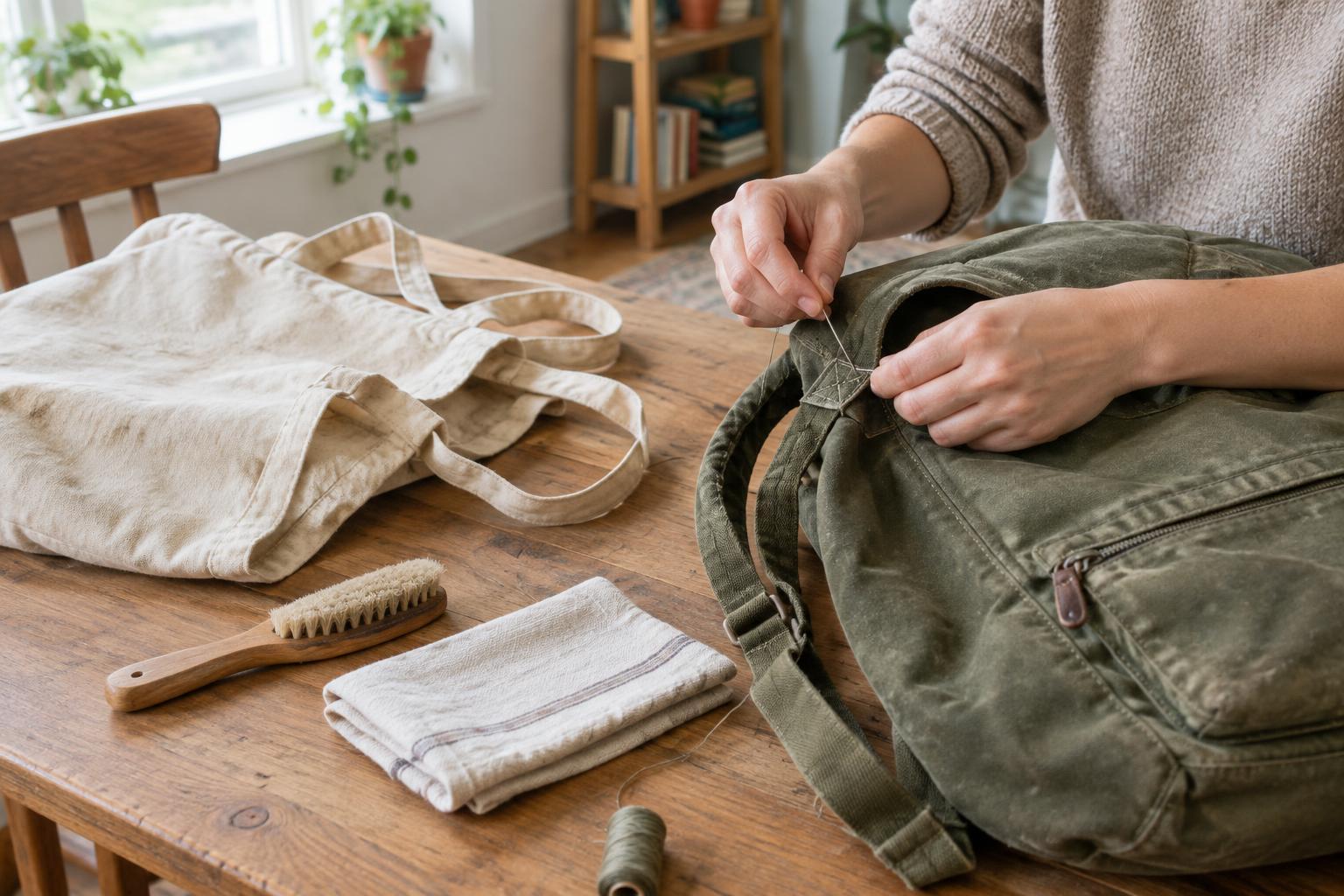
Repair and ReuseA bag does not have to look new to be useful. Learn simple habits for cleaning, storing, and checking backpacks and totes, plus ways to address small problems before they become larger ones.
Read article · 4 min↗
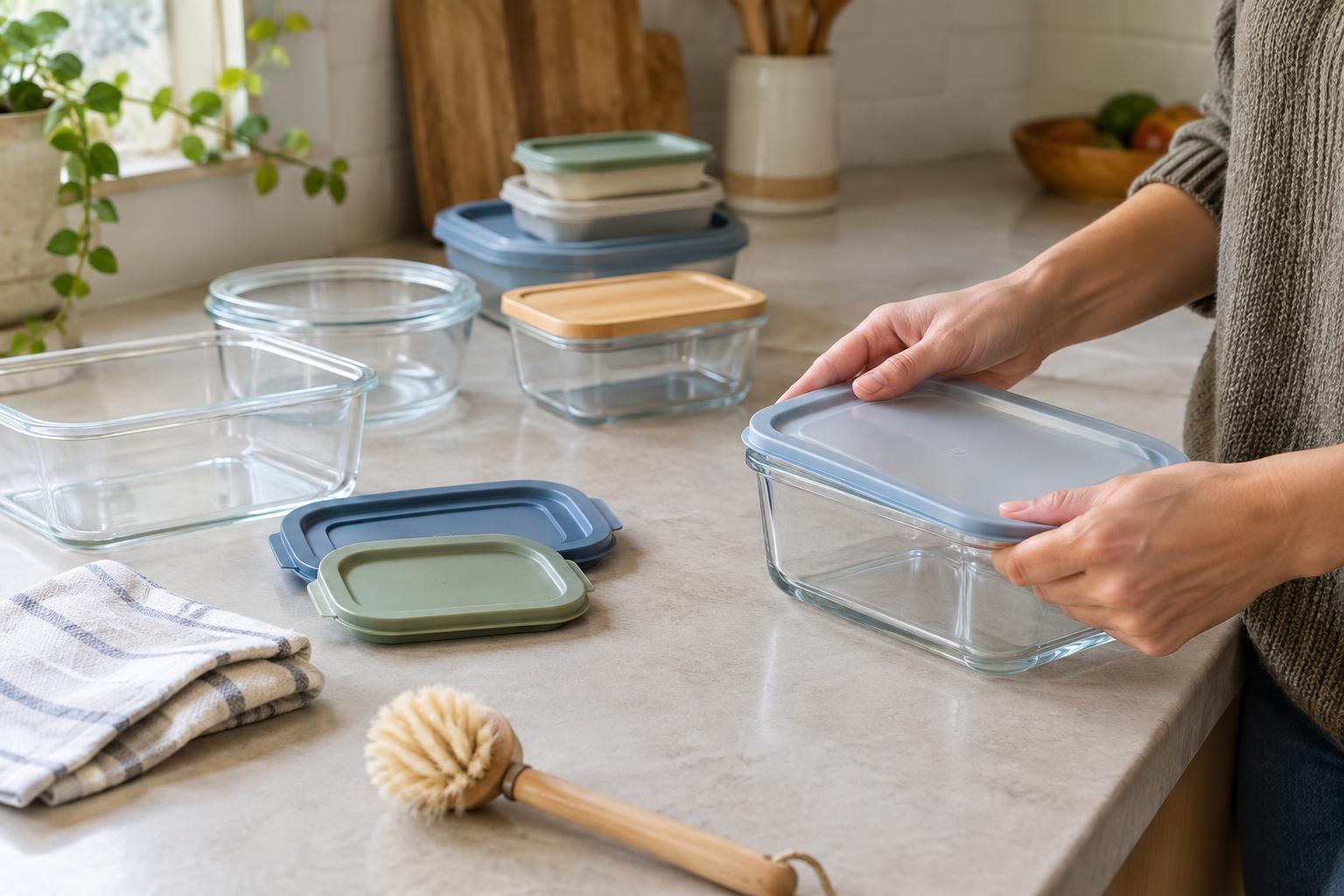
Repair and ReuseA practical routine for sorting, cleaning, storing and checking food containers can make the ones you already own easier to use and help you recognize when it is time to retire one.
Read article · 3 min↗
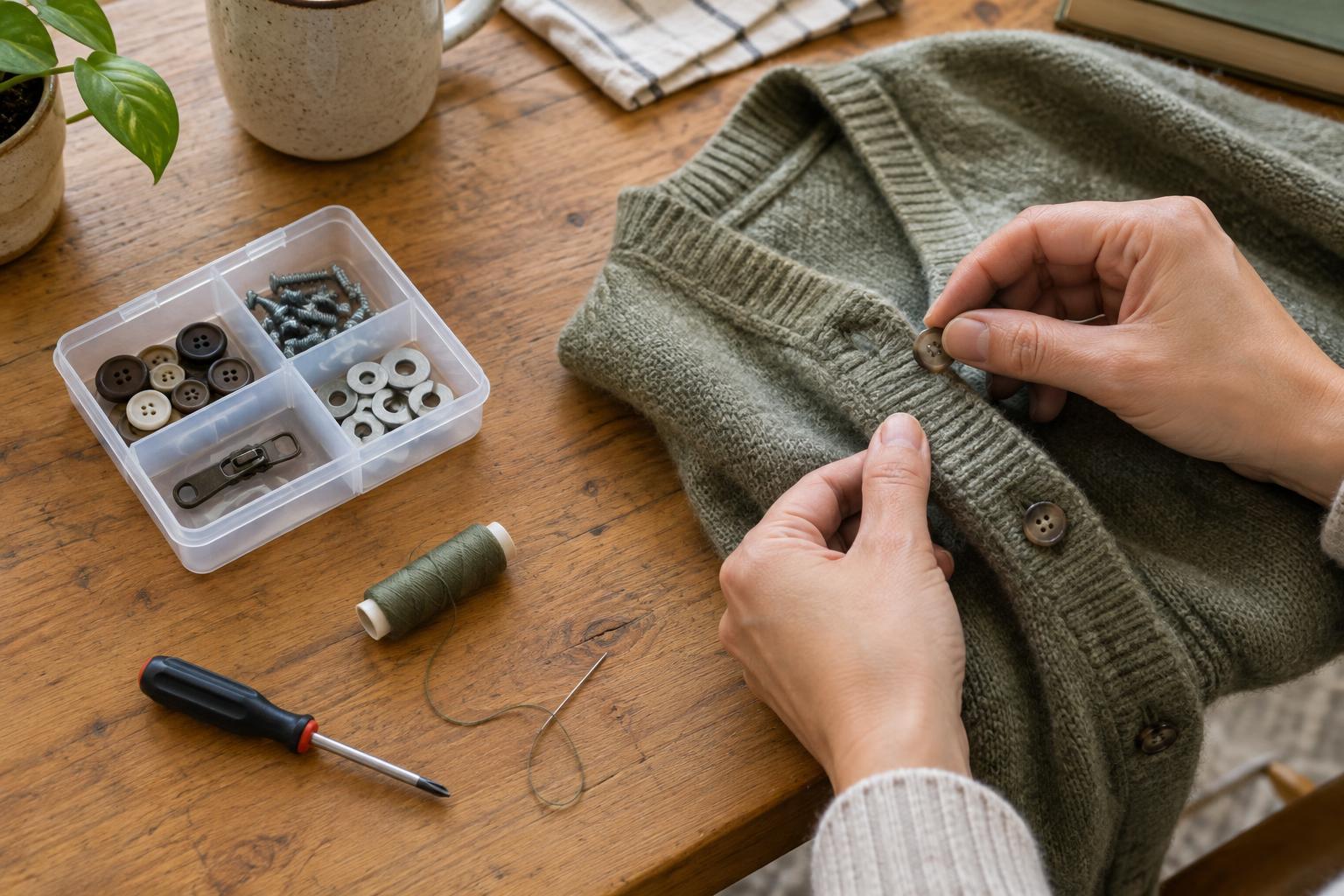
Repair and ReuseA spare button or the right screw can keep a useful item in service. Here’s how to save, label, and store small parts without turning them into a new kind of clutter.
Read article · 4 min↗
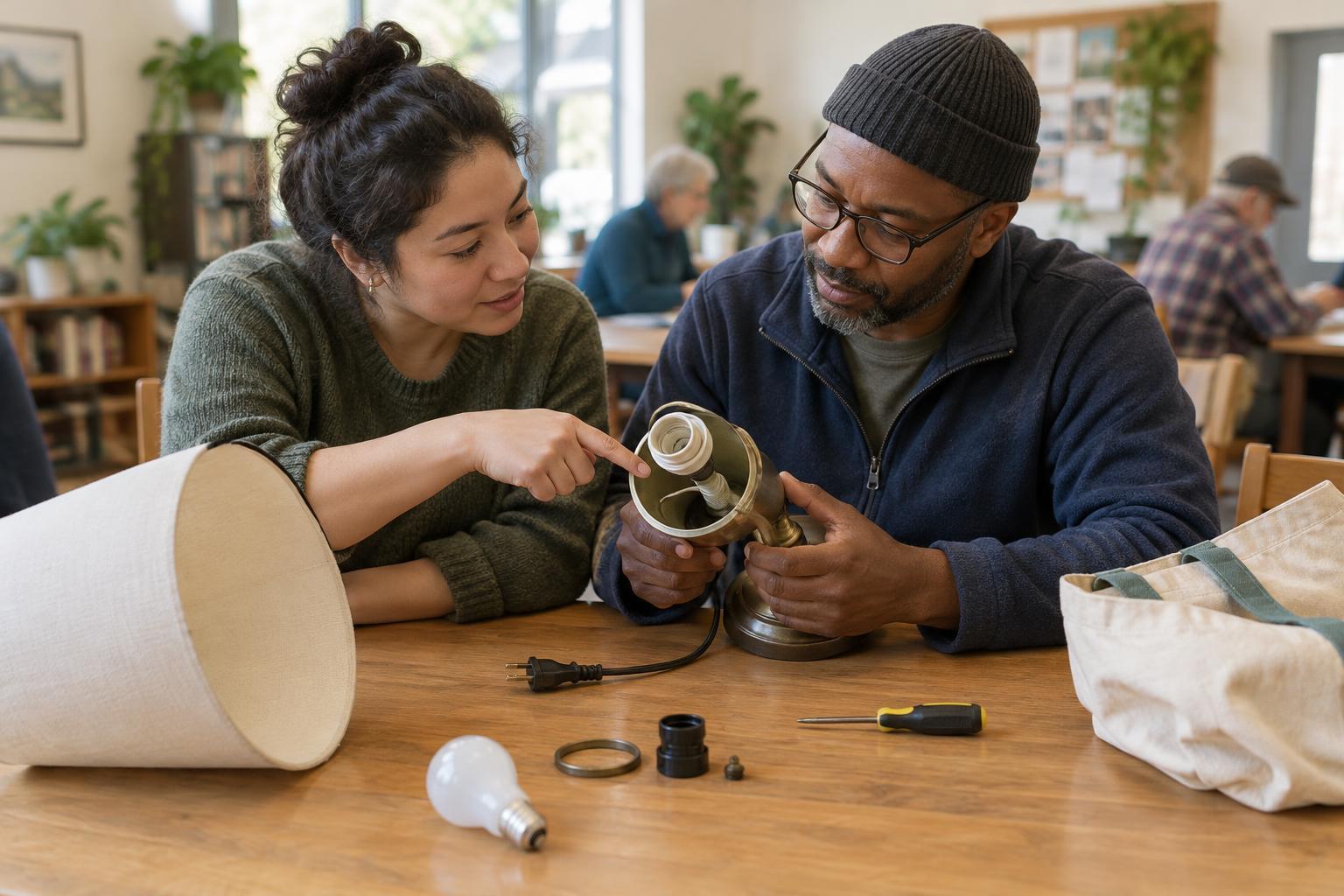
Repair and ReuseA repair café can help you explore whether a broken household item is worth fixing, while giving you a chance to learn how it works. Here’s how to choose an item, prepare for a visit, and make the most of the conversation at the repair table.
Read article · 4 min↗
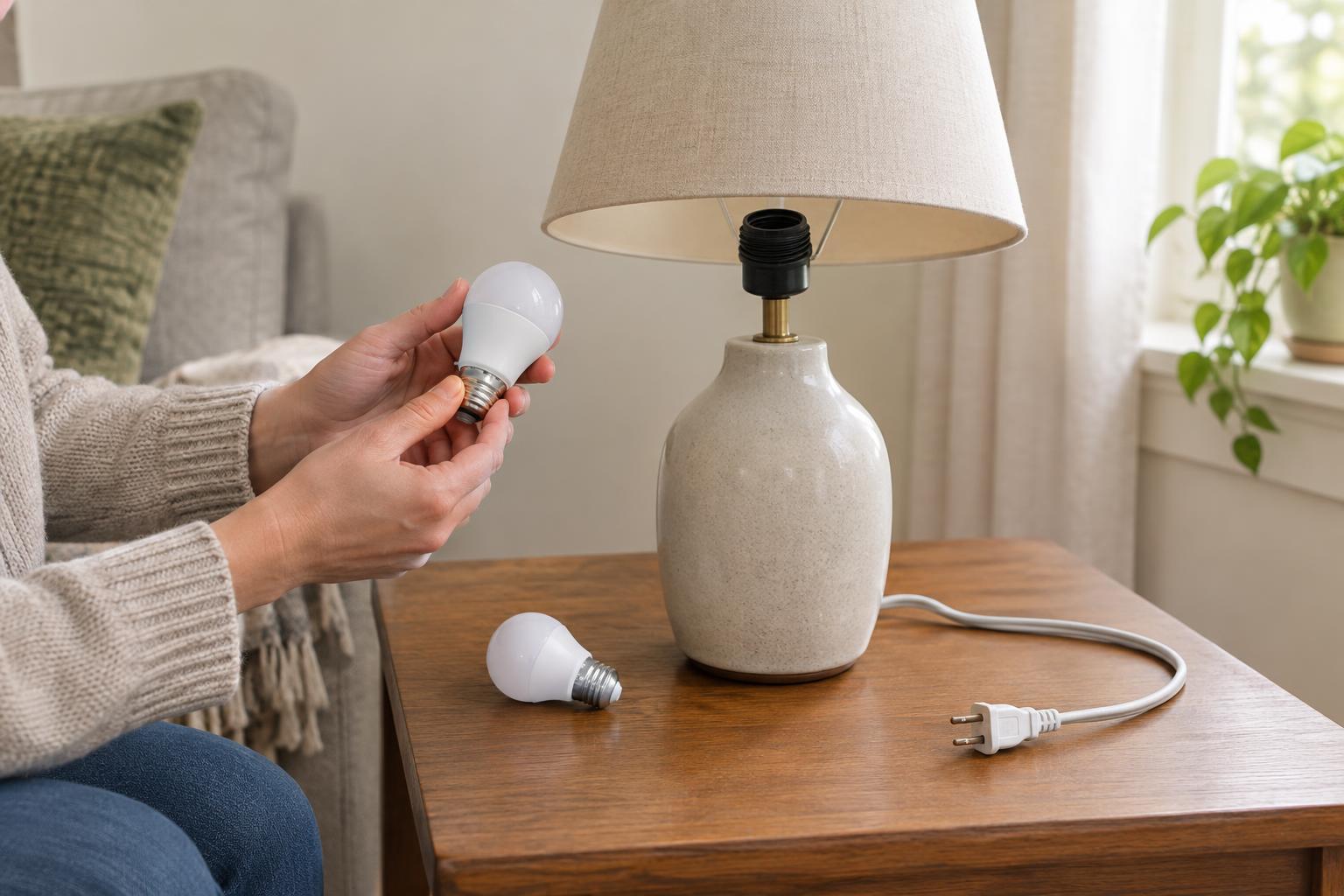
Repair and ReuseA lamp that stays dark does not always need to be replaced. Work through simple checks of the outlet, bulb, shade, and visible cord, then learn when to stop and ask a qualified repairer for help.
Read article · 4 min↗
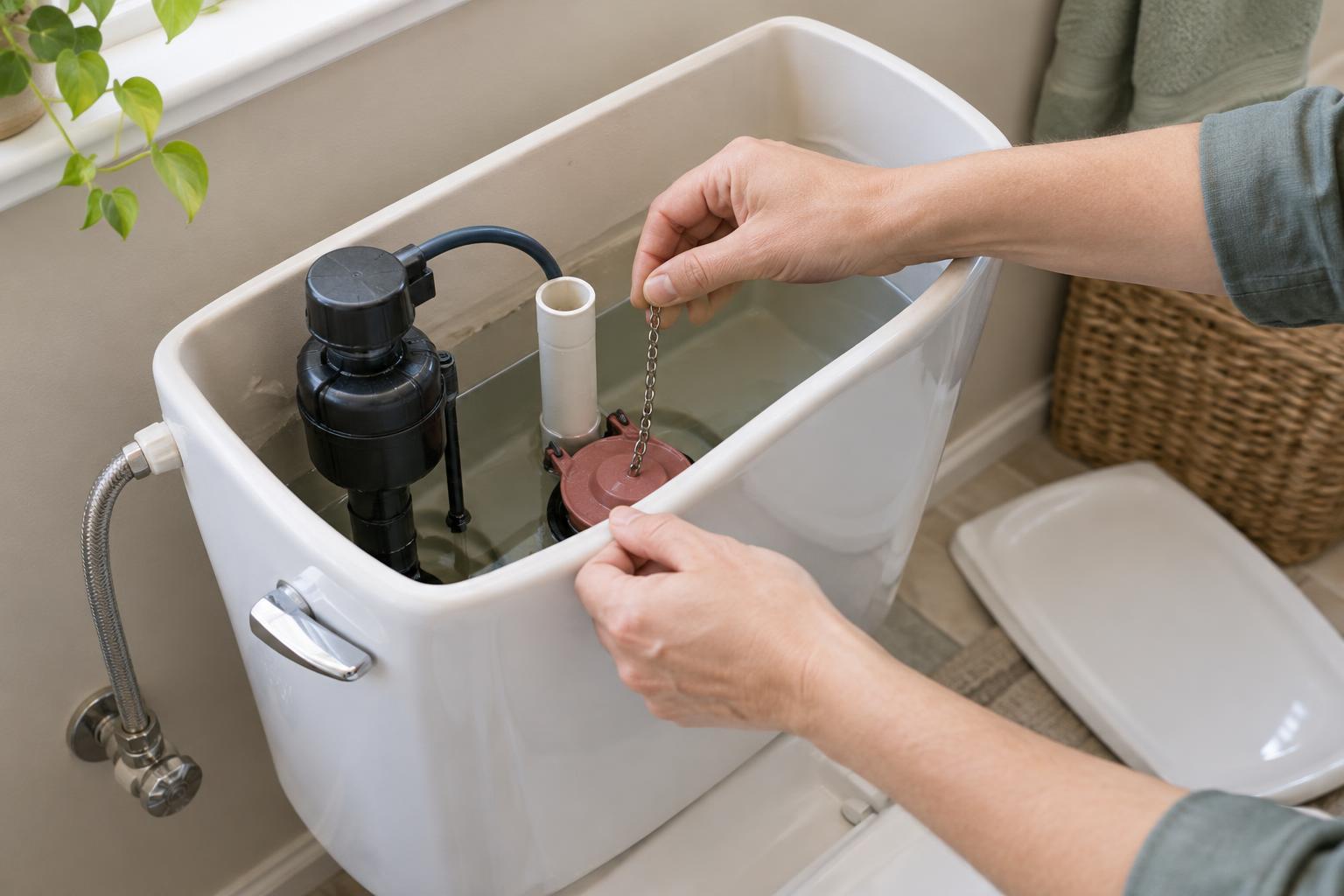
Repair and ReuseA running toilet often needs a small adjustment rather than a replacement. Learn how to identify whether the problem is the flapper, fill valve or water level, then make a careful repair.
Read article · 3 min↗
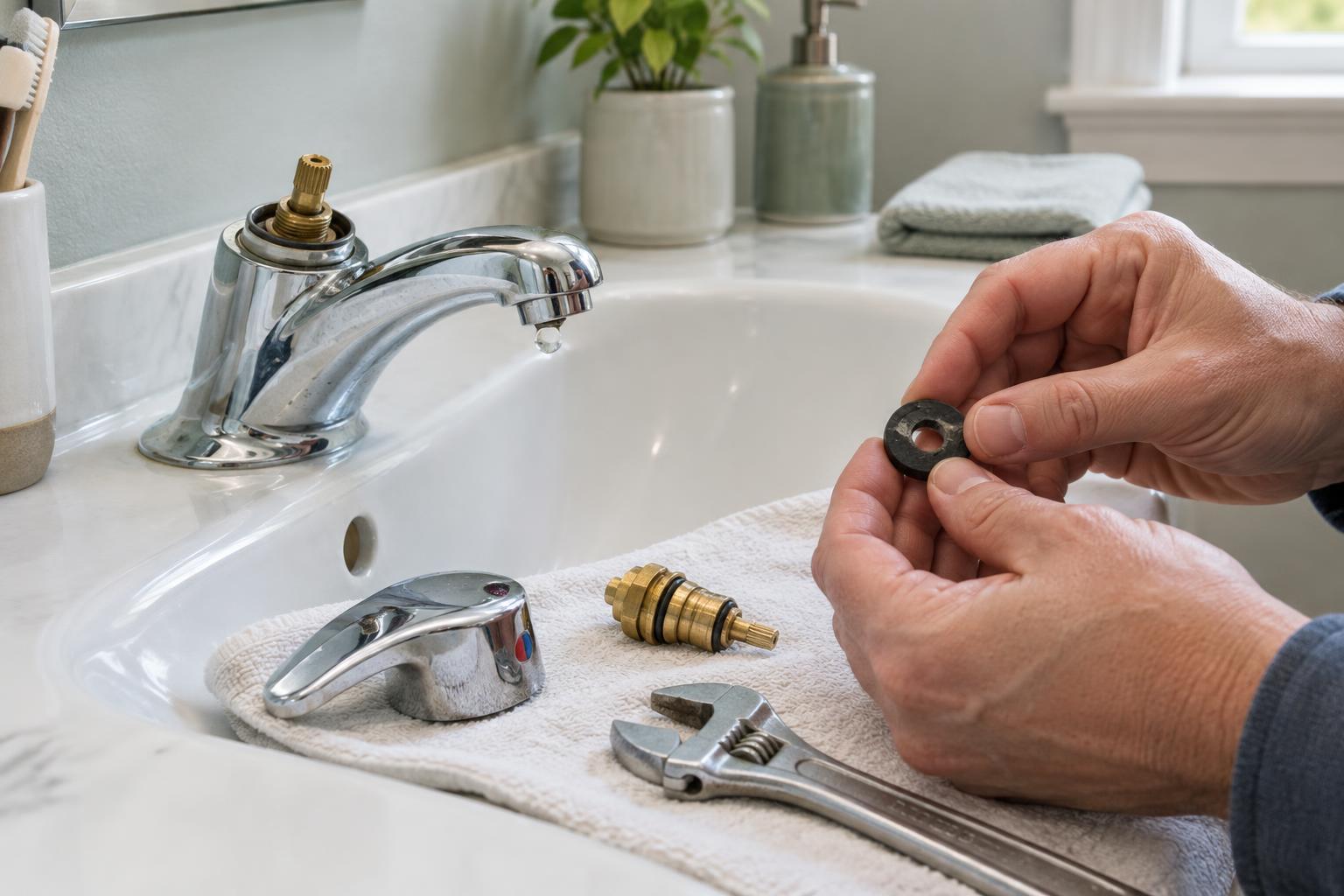
Repair and ReuseA dripping faucet does not always need replacing. Learn how to recognize common faucet mechanisms, decide whether a washer or cartridge is a reasonable repair, and spot the signs that it is time to call a plumber.
Read article · 4 min↗
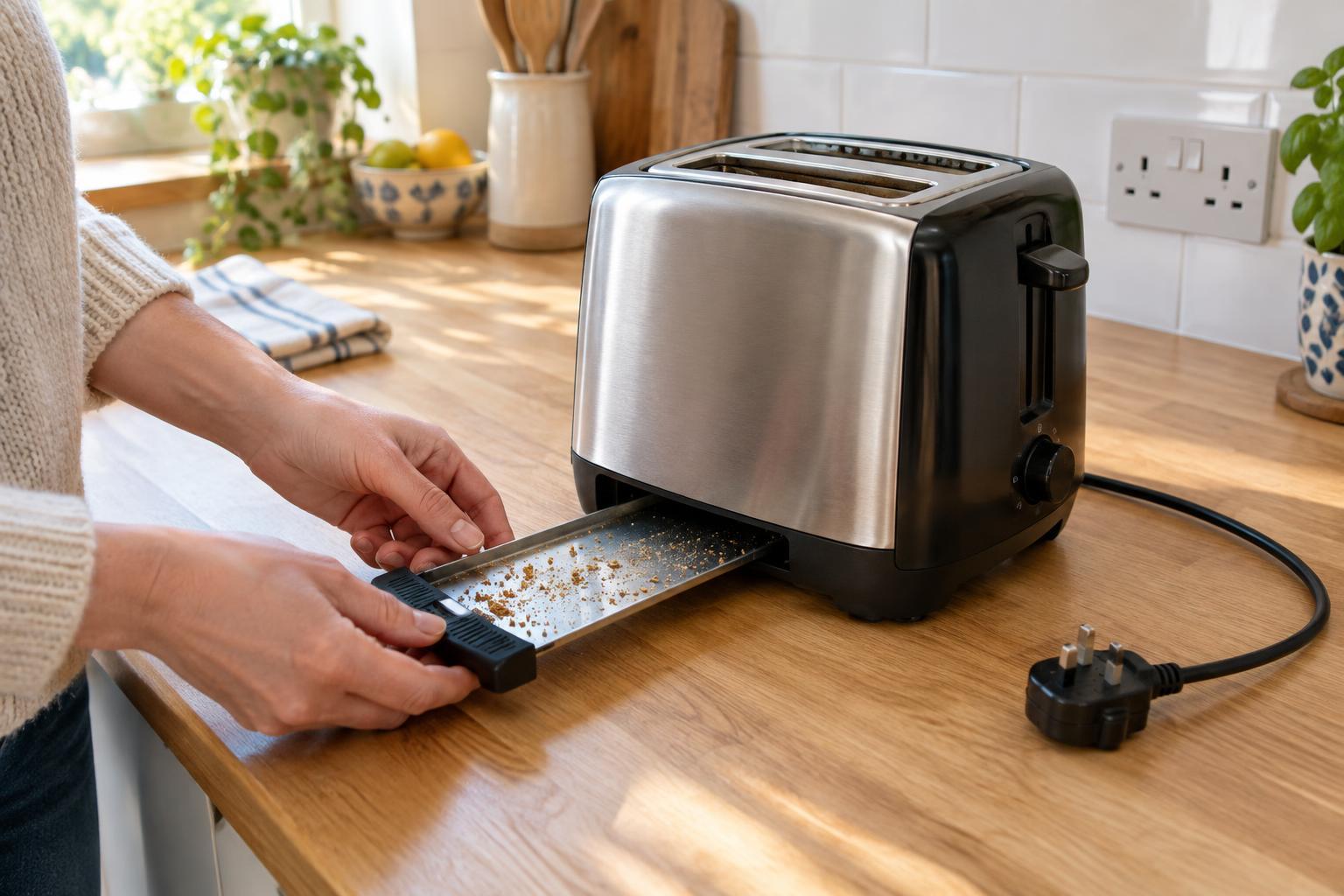
Repair and ReuseBefore replacing a small appliance, a few careful checks may reveal a simple problem. Learn how to inspect the power source, review routine maintenance, recognize signs to stop using the appliance, and prepare for a repair conversation.
Read article · 4 min↗
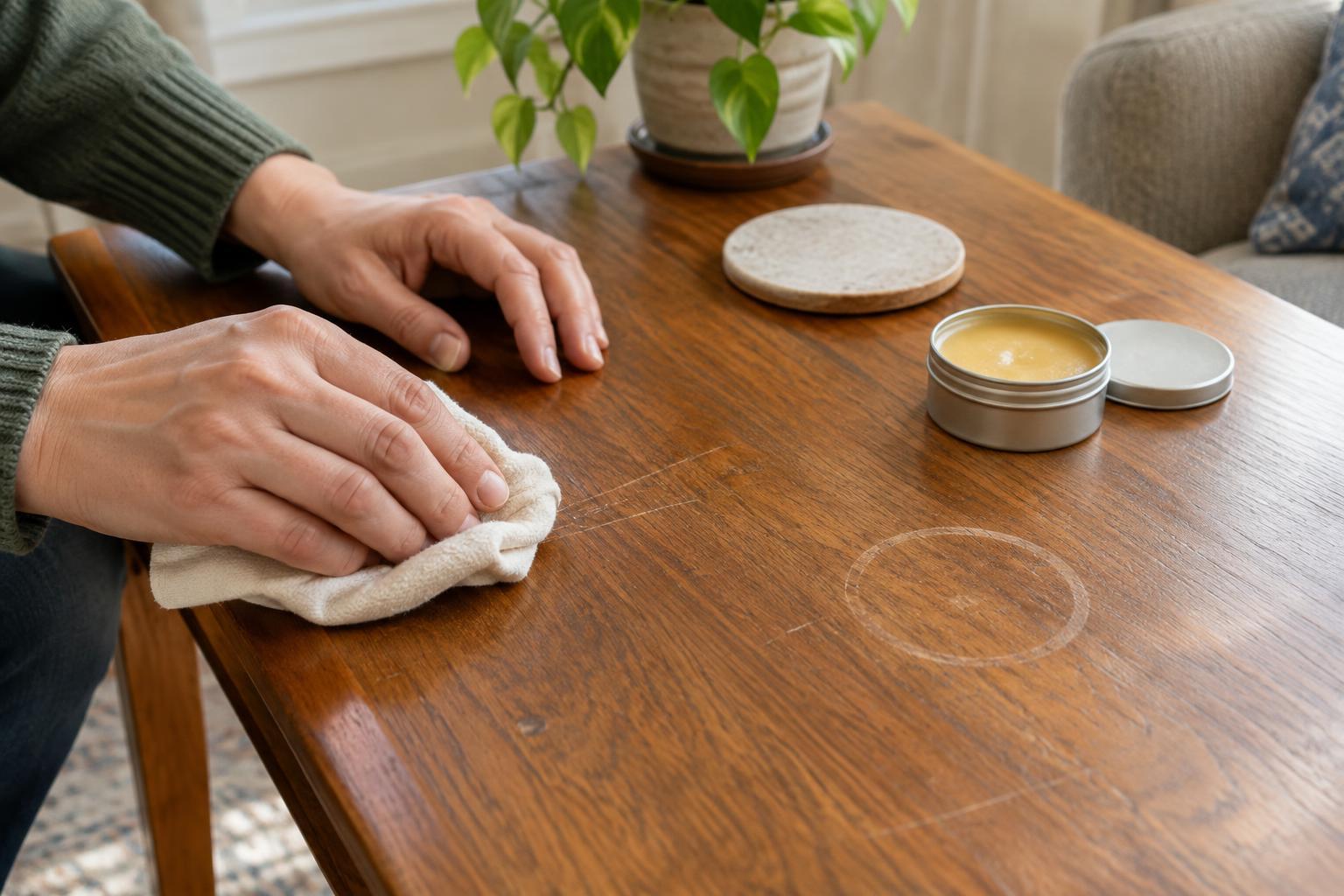
Repair and ReuseA scratch or cup ring does not always call for a full refinishing job. Learn how to identify the likely problem, start with gentle cleaning, try modest touch-ups and recognize when it is safer to stop.
Read article · 4 min↗
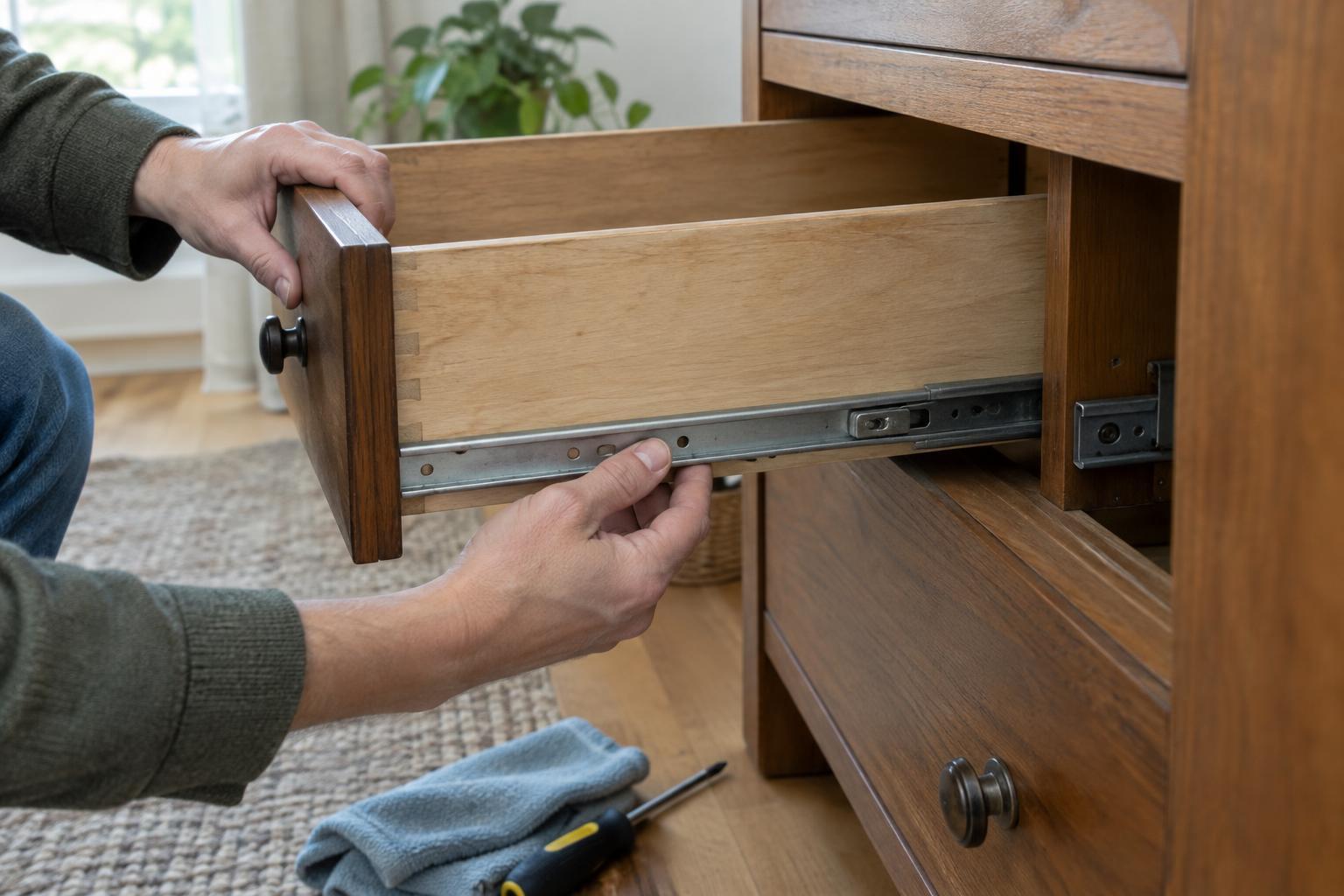
Repair and ReuseA stubborn drawer does not always need new hardware. Learn how to find the cause, clean and adjust the runners, and decide when a slide needs replacing.
Read article · 4 min↗
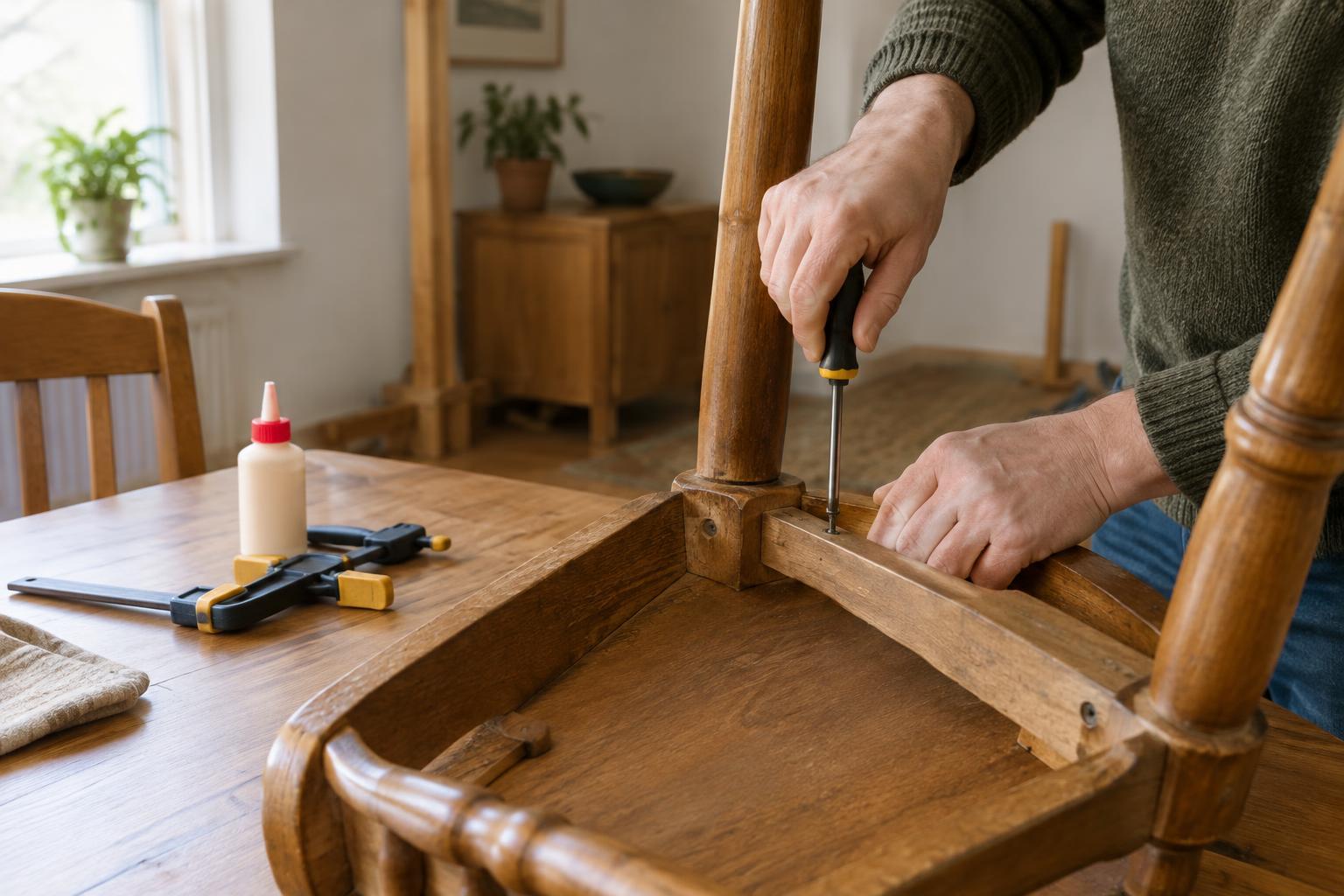
Repair and ReuseA wobbly chair does not always need replacing. Learn how to locate the loose connection, tighten accessible hardware, and decide when a wooden joint needs a careful glue repair—or professional help.
Read article · 3 min↗
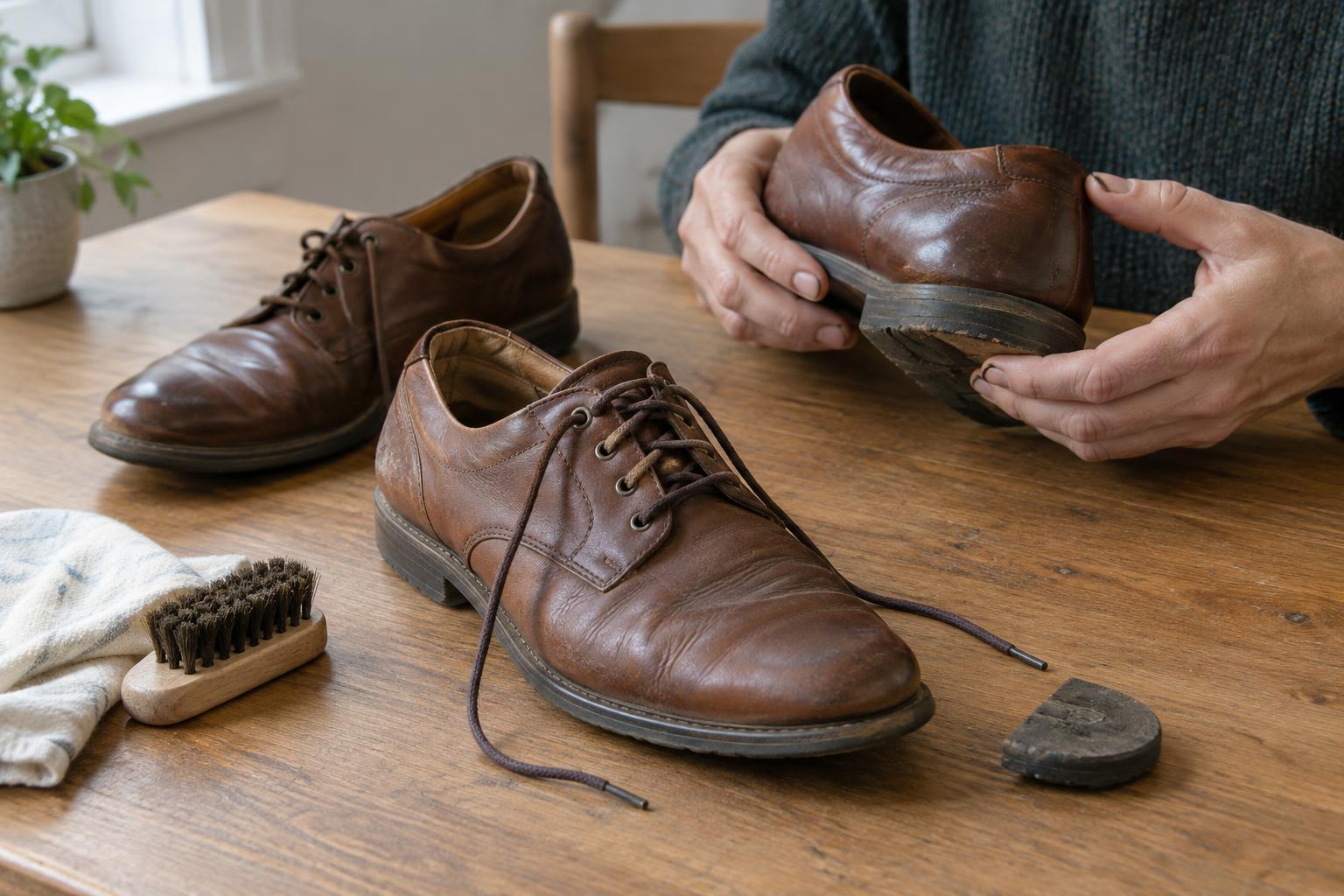
Repair and ReuseA loose heel tip or worn lace does not always mean a pair of shoes is finished. Learn which small fixes are practical at home, which repairs call for a cobbler, and how to decide whether a favorite pair is worth keeping in use.
Read article · 4 min↗
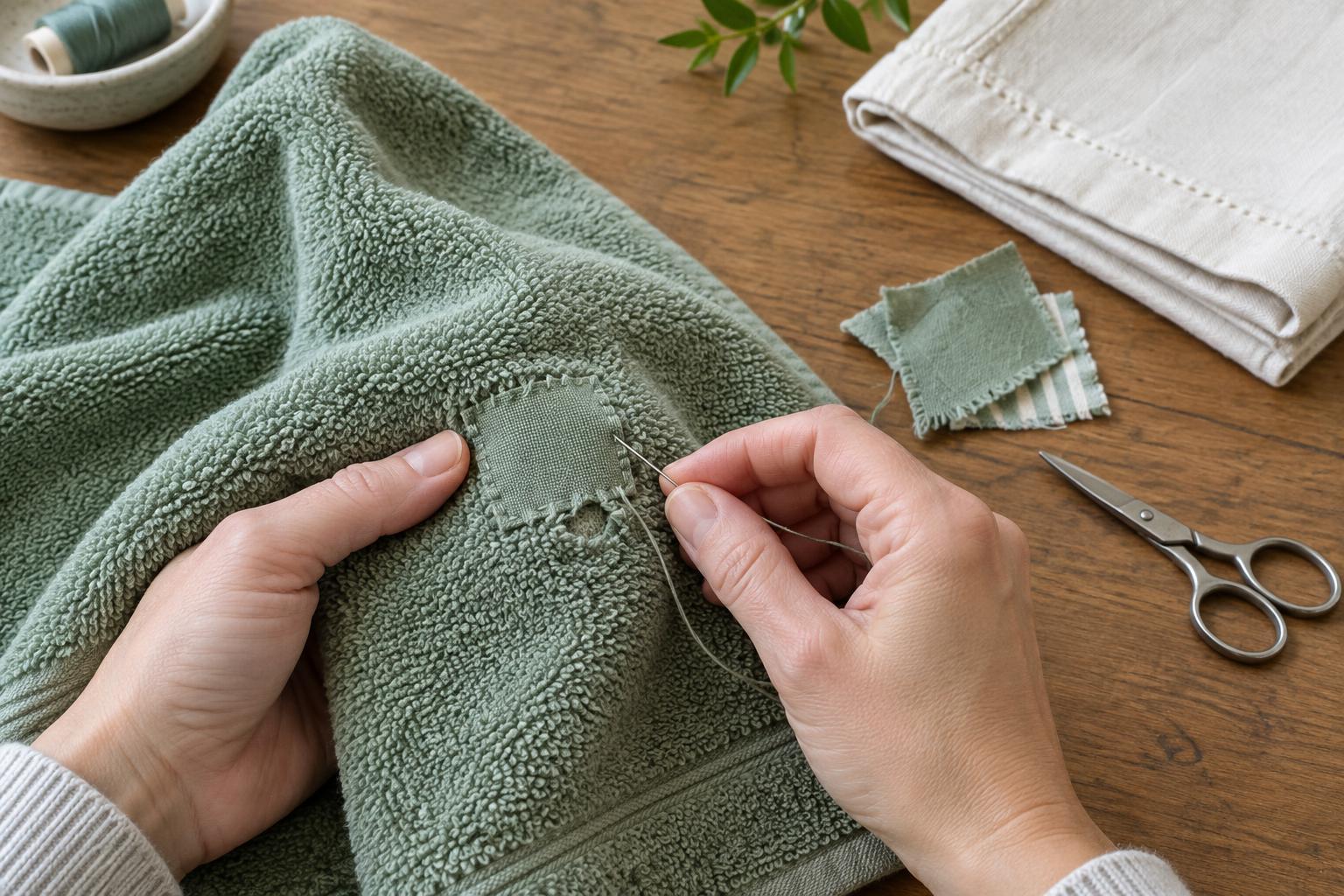
Repair and ReuseA small hole does not always mean a towel, napkin or sheet is finished. Learn how to assess the damage, choose a patch and make a repair that holds up to regular washing.
Read article · 4 min↗
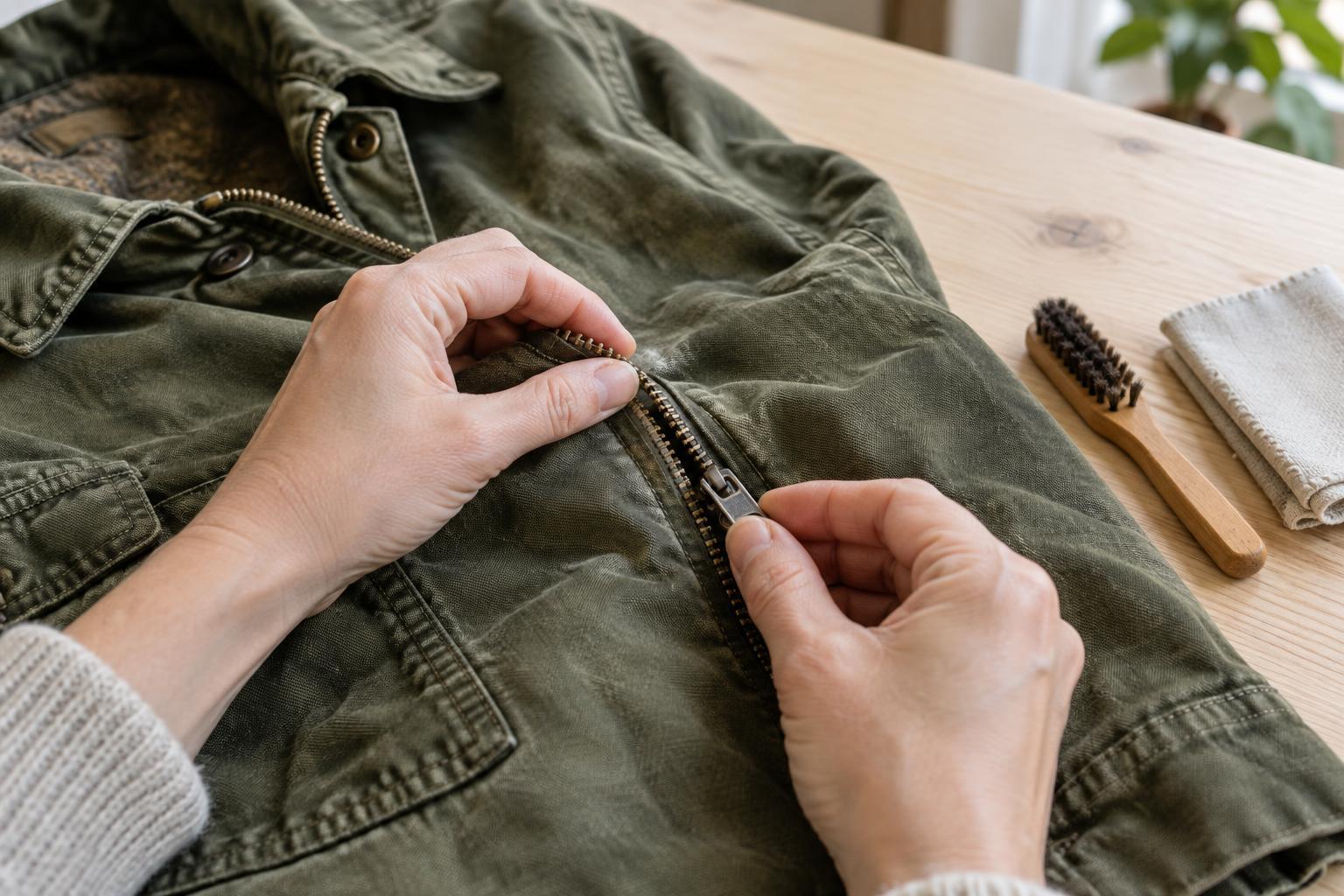
Repair and ReuseA zipper that will not budge does not always need replacing. Learn how to check for trapped fabric, clear debris, ease a stiff slider and spot damage that calls for a repair.
Read article · 4 min↗
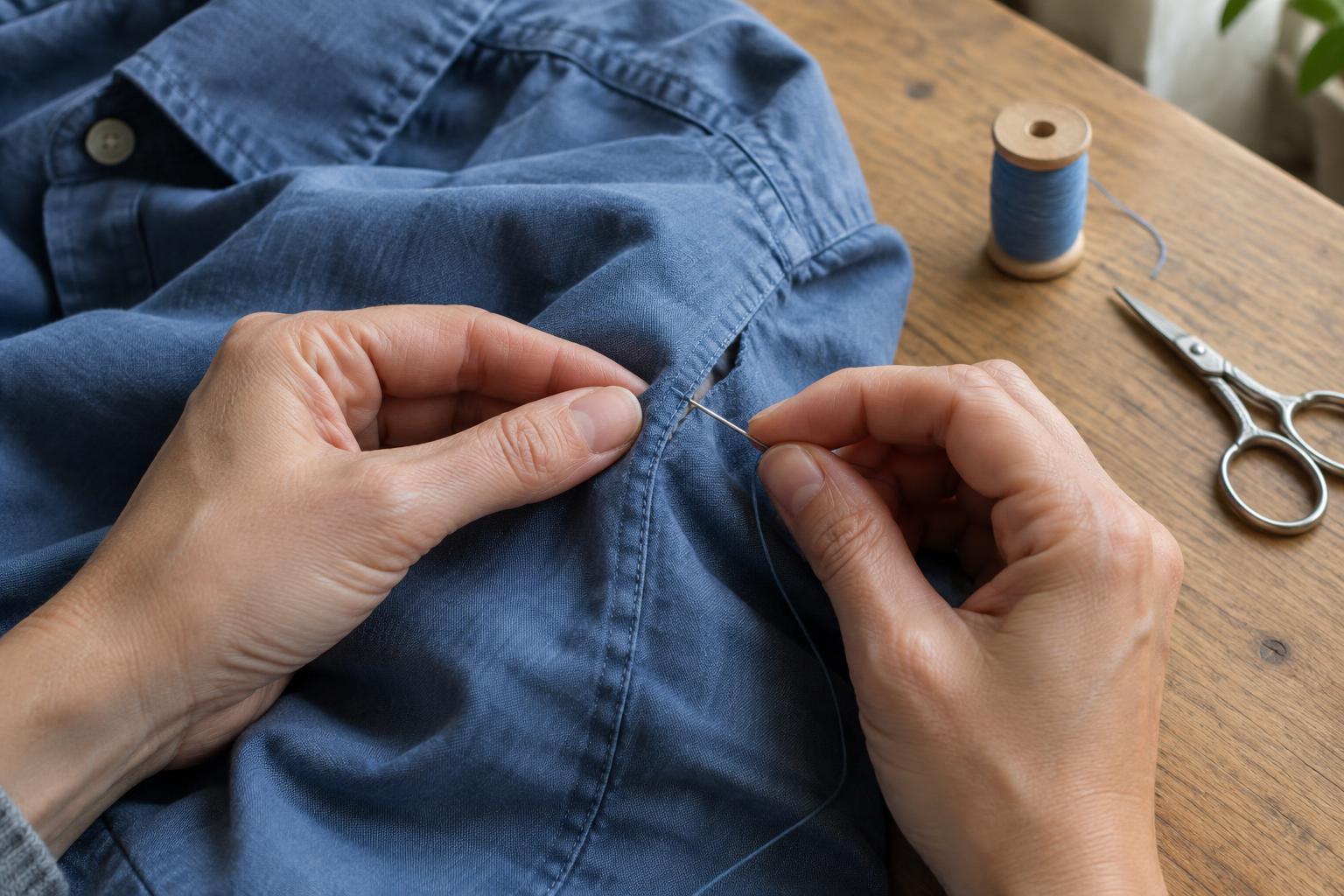
Repair and ReuseA split seam does not always mean a garment is worn out. Learn how to check the fabric, line up the original seam and sew a sturdy hand repair with a needle and thread.
Read article · 4 min↗
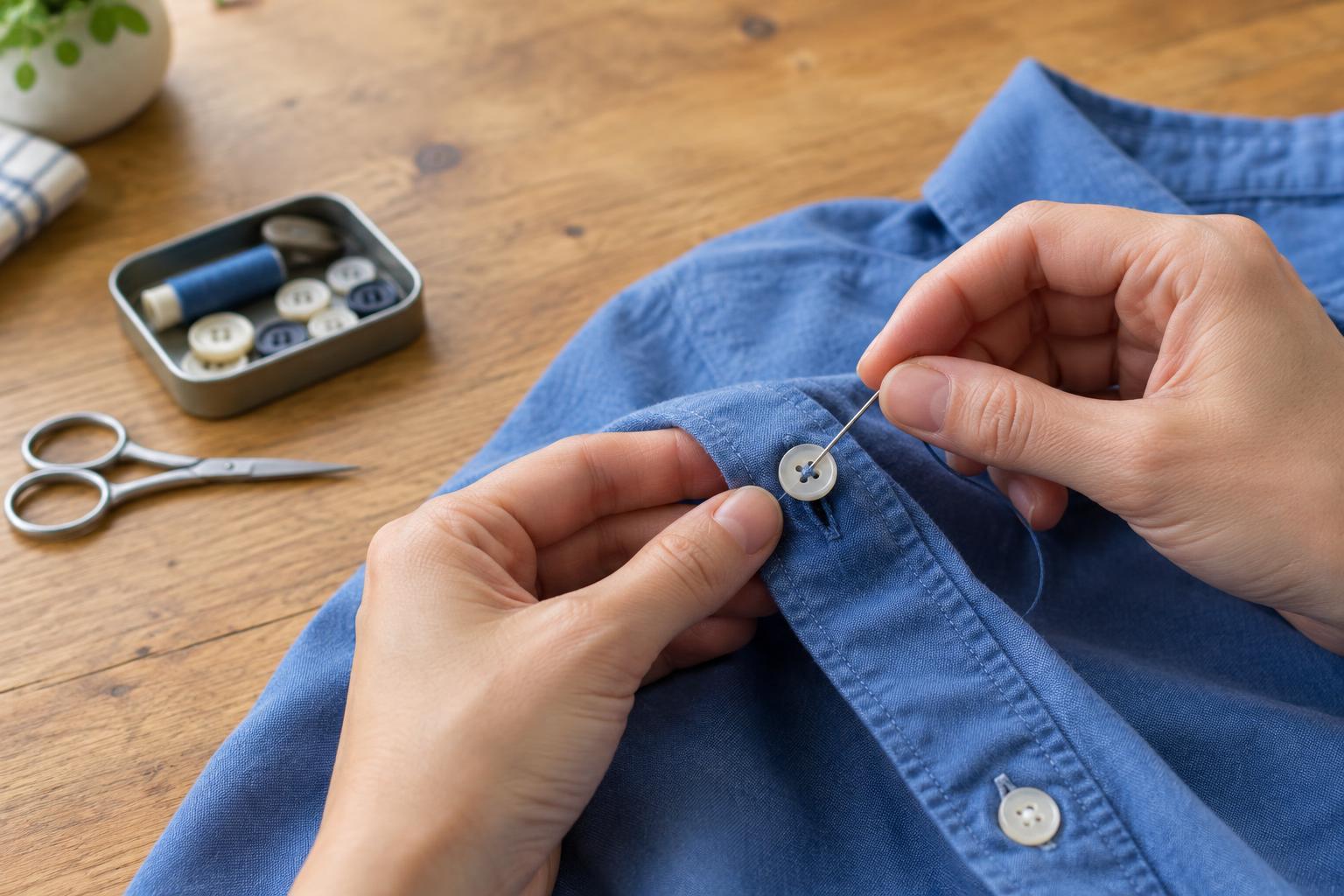
Repair and ReuseA loose button is a small repair worth doing before it disappears. Learn how to choose thread, position the button, leave room for the buttonhole and finish the stitches so they hold.
Read article · 4 min↗
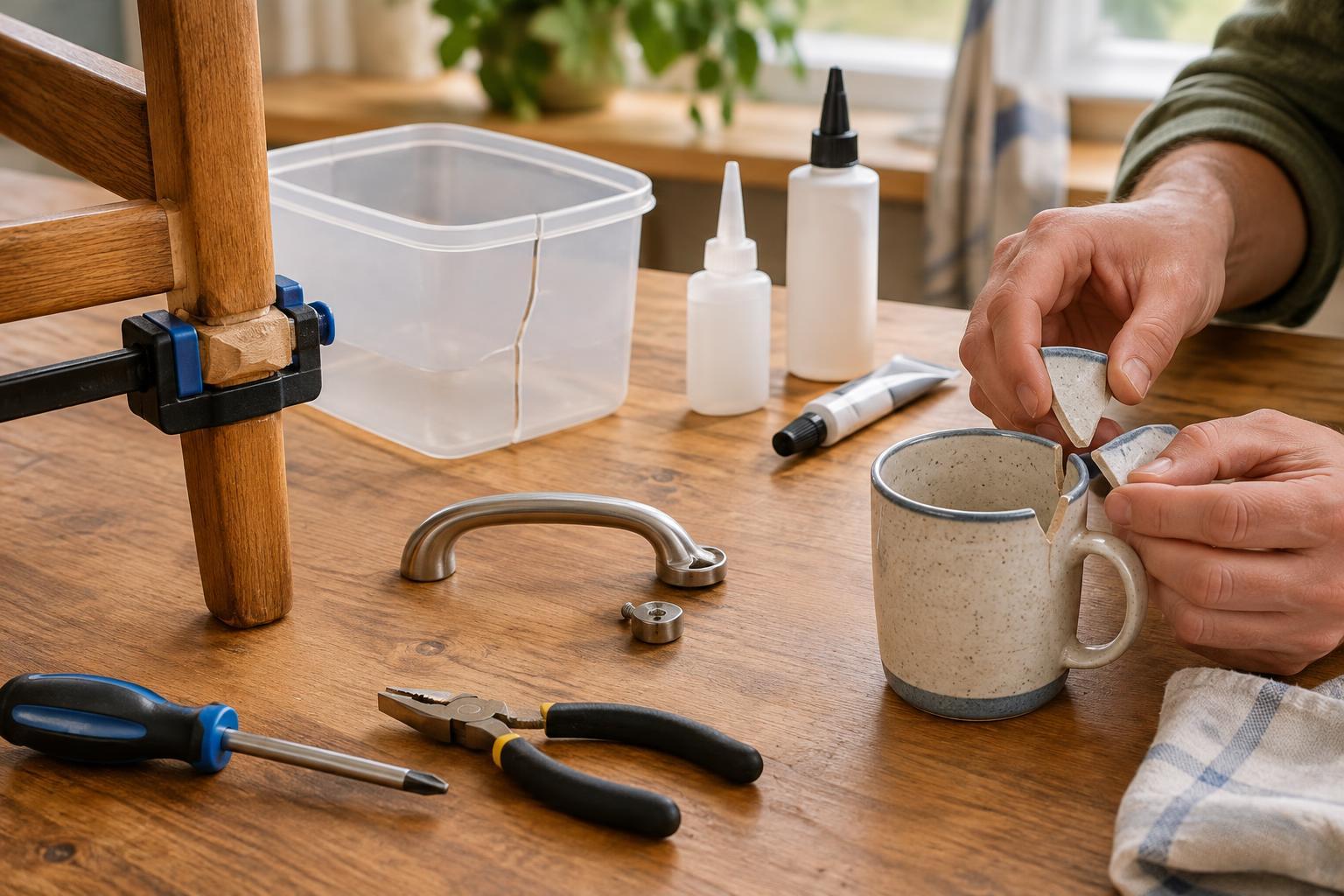
Repair and ReuseA lasting repair starts with matching the adhesive to the material and the way the item is used. Learn when wood glue, epoxy, cyanoacrylate, or a plastic-specific adhesive makes sense—and when glue is not enough.
Read article · 4 min↗

Repair and ReuseNot every broken item needs the same kind of help. Learn how to assess a repair, decide what you can safely do yourself, and know when a Repair Café or professional is the better choice.
Read article · 4 min↗
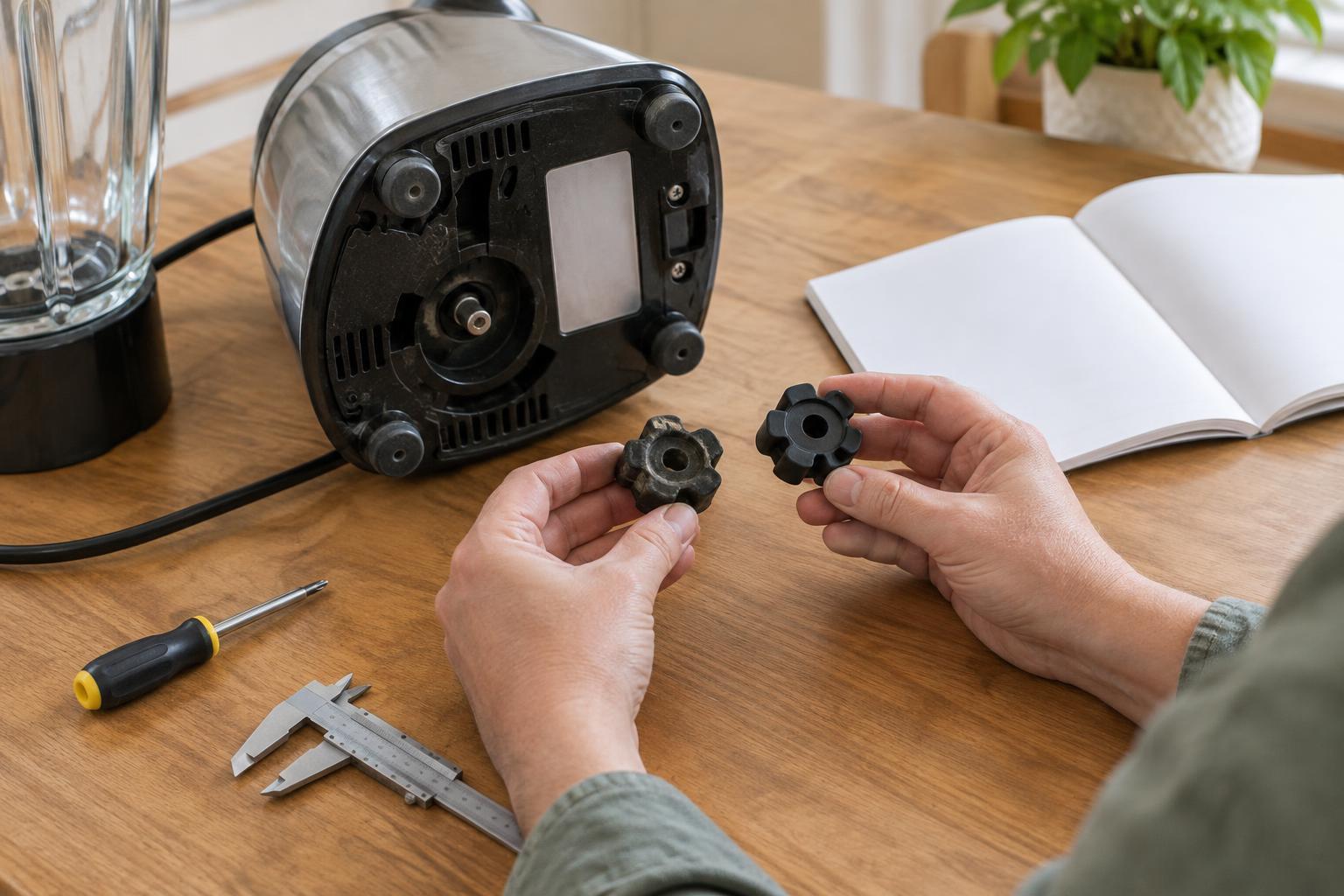
Repair and ReuseA repair is easier when you can identify the exact item, find reliable instructions, and check that a replacement part will fit. This guide walks through a practical search process, from reading the product label to comparing part specifications.
Read article · 4 min↗
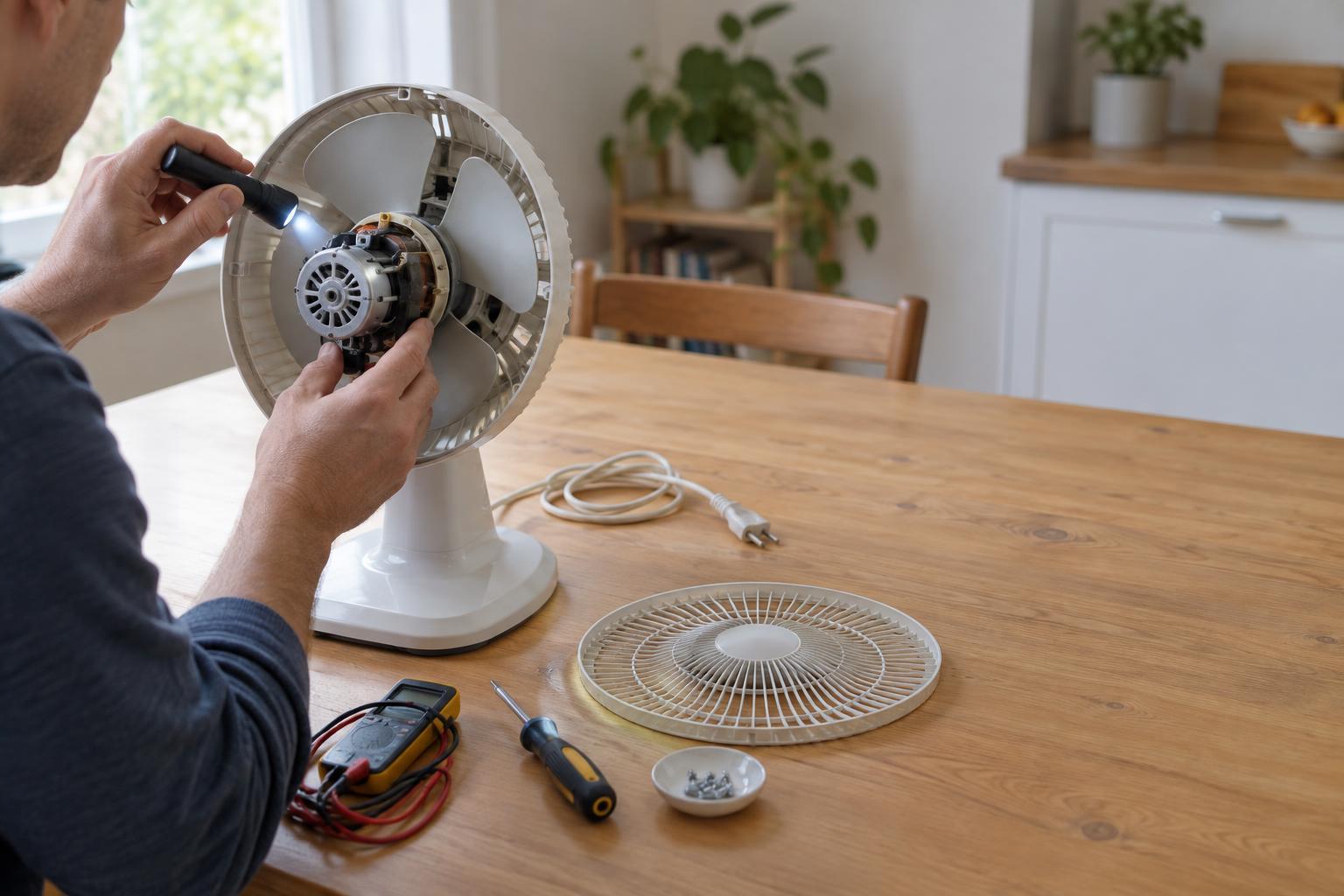
Repair and ReuseA broken item does not always need a new component. Learn how to check the symptom, rule out simple causes, identify the right part and decide whether a repair is worth trying before you order anything.
Read article · 4 min↗
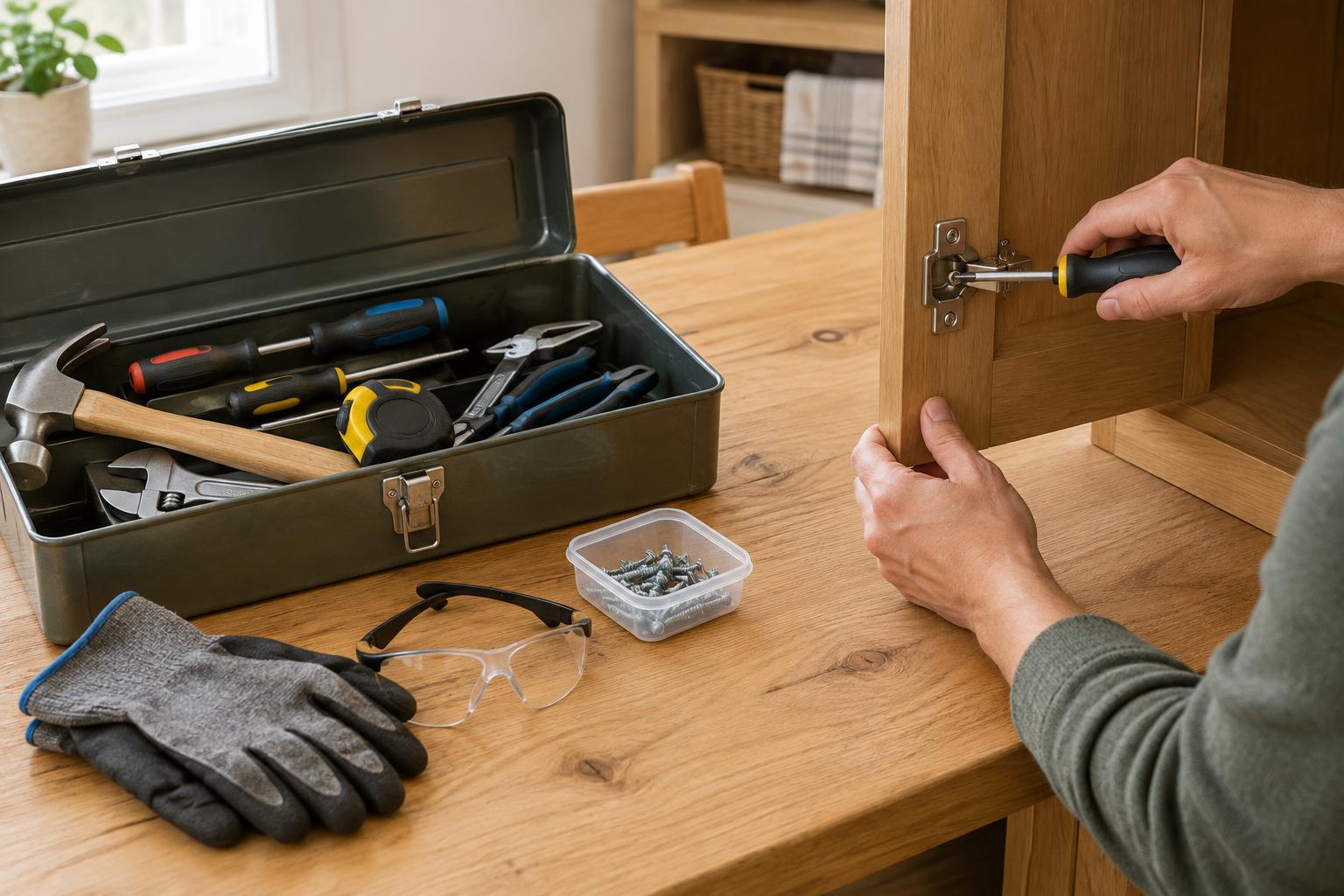
Repair and ReuseA small, well-chosen tool kit can help you tighten loose hardware, make simple fixes and keep household items in use longer. Start with versatile tools, learn a few safety habits and add supplies only when a real repair calls for them.
Read article · 4 min↗
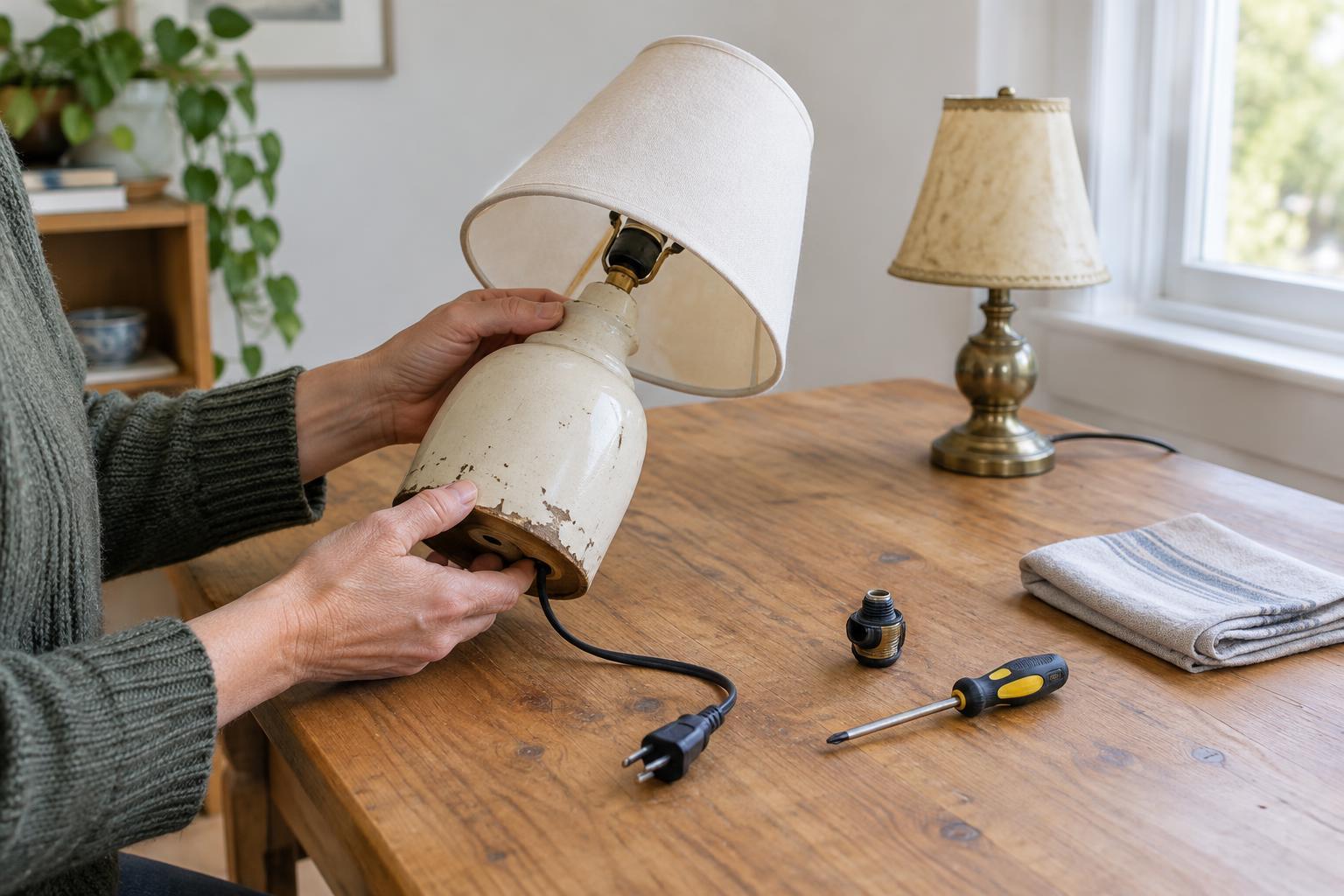
Repair and ReuseA broken item does not always need to be replaced, but repair is not always the better choice. Use this practical framework to weigh safety, total cost, likely remaining life, and what will happen to the item afterward.
Read article · 4 min↗