Start with a useful question, not a perfect tally
A household waste audit is a short look at what leaves your home and why. Its purpose is not to prove that you are doing everything right or wrong. It is to make an everyday pattern visible enough to change. You might discover that most of your avoidable waste comes from food that spoils, takeaway packaging, disposable cleaning supplies, or purchases that did not last.
Before you begin, choose a question you can act on: What do we throw away repeatedly? What are we buying but not using? Where do convenient disposables fill a genuine need? Keep the audit small enough to finish. A week that includes your usual shopping, meals, and bin collection is a reasonable starting point. If that week is unusual, note why rather than trying to make the results look typical.
Observe what leaves the house
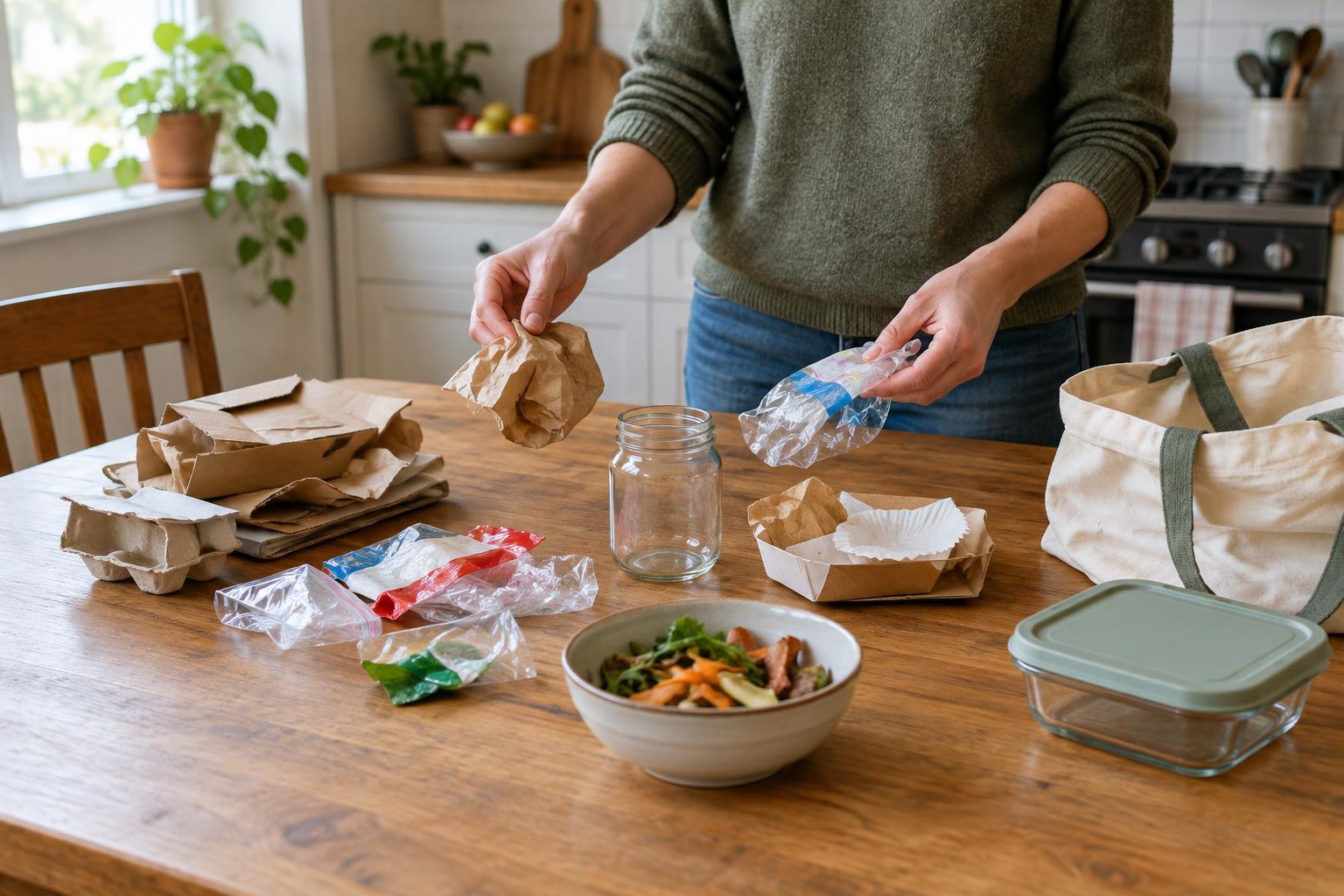
For seven days, jot down items as they go into the rubbish, recycling, or food-waste container. Broad categories are enough: uneaten food, food packaging, delivery packaging, paper, toiletries, cleaning products, and broken or unwanted items. You can keep a note on your phone or a sheet beside the bin. Add a quick reason when it is obvious, such as “forgot in fridge” or “package from online order.”
There is no need to empty bins, handle spoiled food, or weigh every item. Looking at what you dispose of as you dispose of it is safer and easier to sustain. If other people share your home, explain that you are looking for patterns rather than checking anyone’s behavior. Ask them to record what they notice if they are willing; otherwise, use your own observations and accept that the picture will be incomplete.
Look for a repeat pattern you can influence
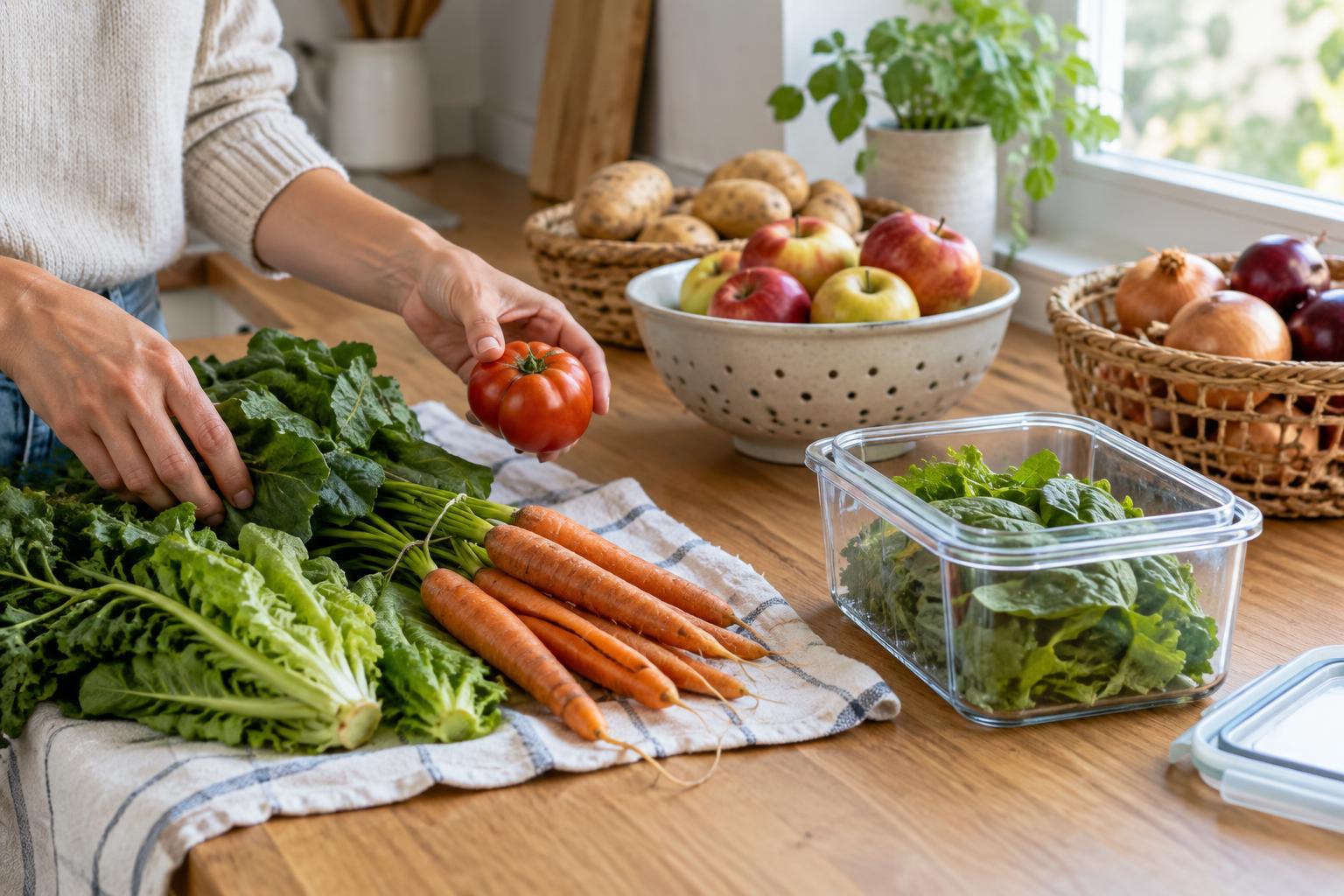
At the end of the week, read through your notes and circle what appears often or takes up noticeable space. Then ask what happens just before that waste is created. Wilted vegetables may point to ambitious meal plans or produce stored out of sight. A pile of small wrappers may reflect snacks that are easiest to carry during a busy day. Packaging from a recent purchase may be less important than an item you expect to replace again soon.
Separate what you can change from what you cannot readily change. Local recycling options, product packaging, accessibility needs, household budgets, and time all affect your choices. Check local collection guidance before changing how you sort materials; an item that looks recyclable may not belong in your area’s recycling bin. The most useful finding is not necessarily the largest category. It is a recurring source of waste with a realistic alternative.
Choose one habit and make it specific
Pick one change you can describe as an action, not a goal. “Waste less food” is hard to practice; “check the fridge before making the shopping list” is clearer. Other possibilities include keeping a reusable bag by the door, planning one meal around ingredients already open, or pausing before ordering a replacement to see whether the current item can be repaired. Choose the action that addresses a pattern you actually observed.
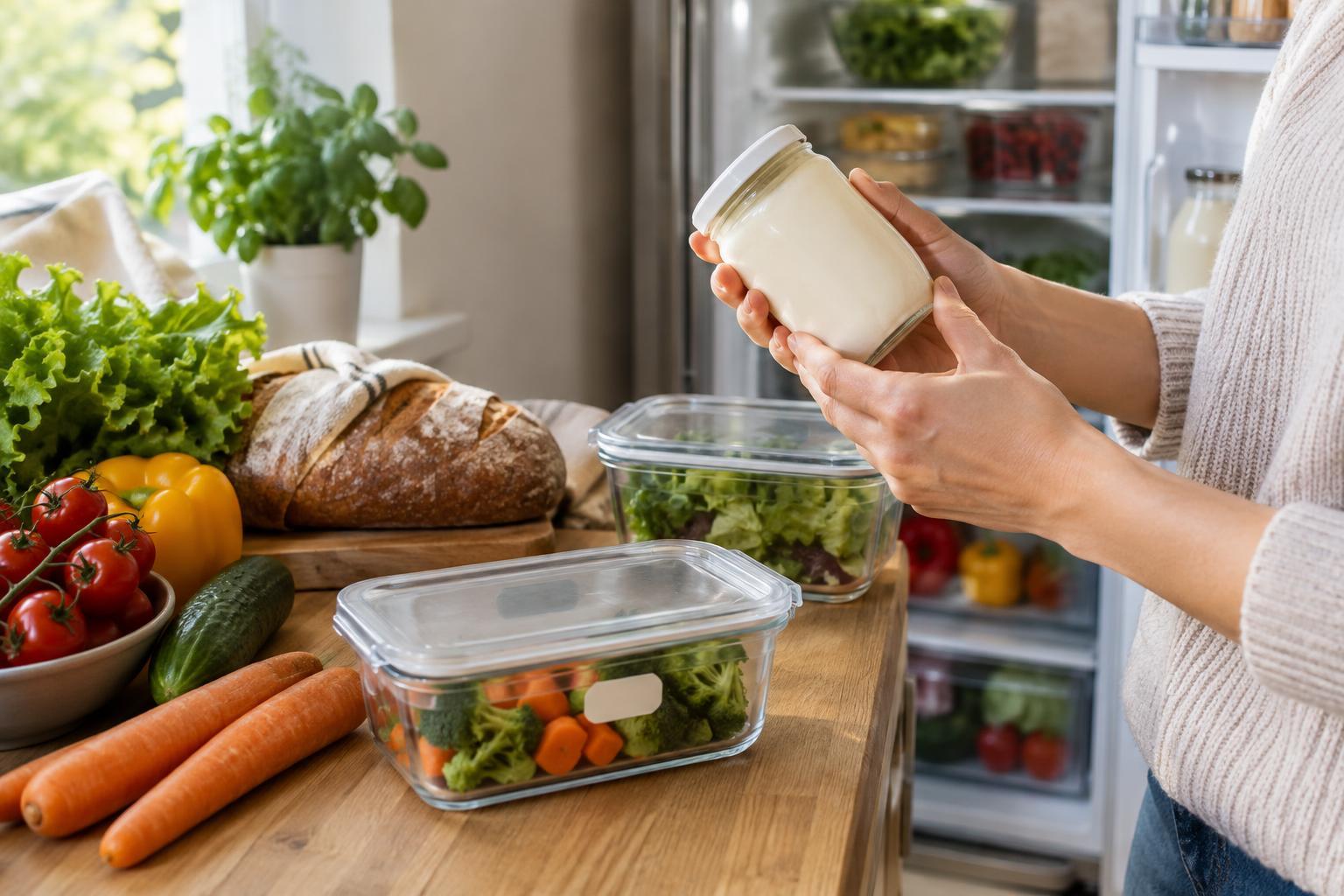
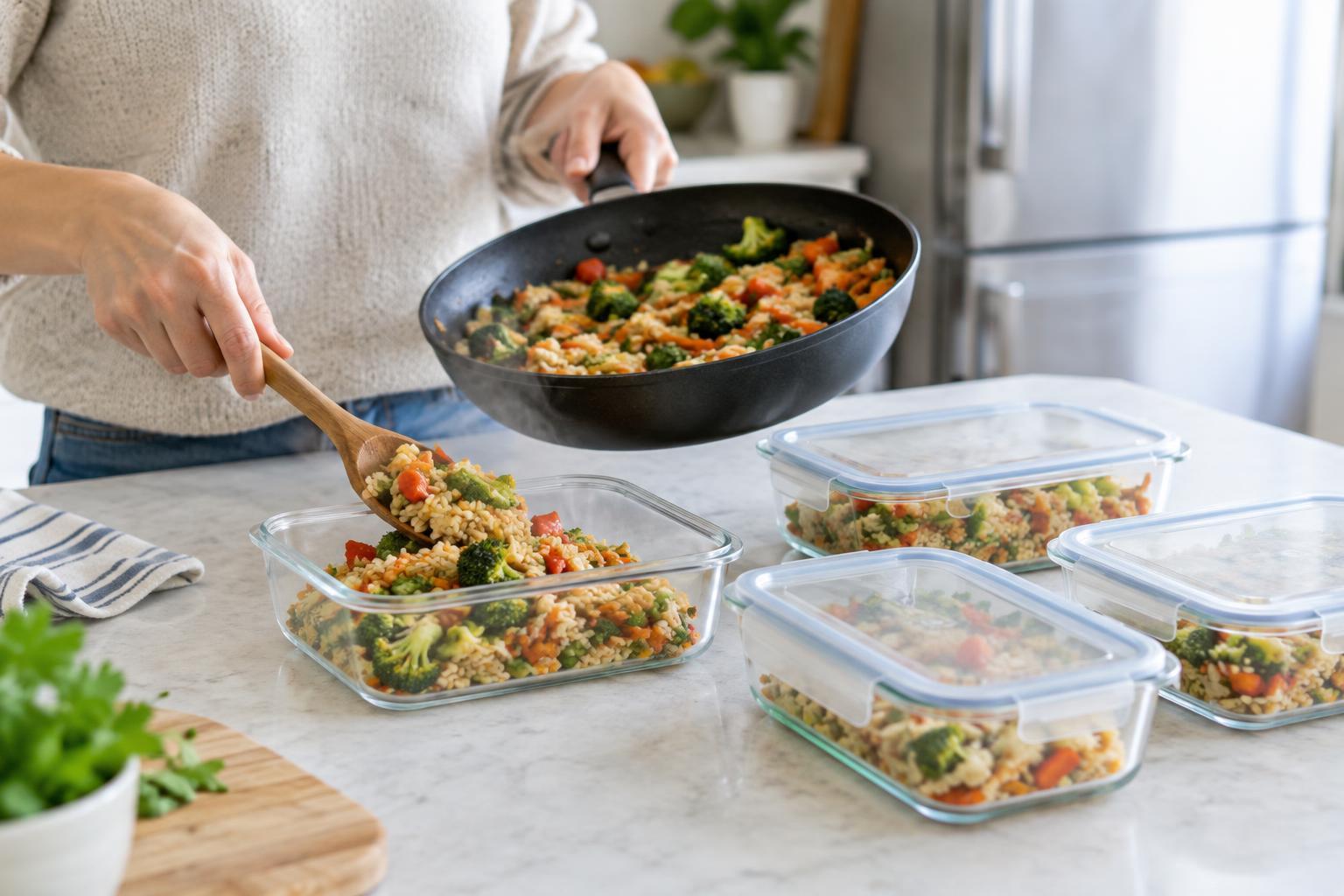
Make the habit easy to repeat in the place where it matters. Put a reminder on the shopping list, move food that needs using to a visible shelf, or keep a reusable container where you pack lunch. You do not need to buy a collection of new low-waste products to begin. Use what you own first, and consider a purchase only if it solves a persistent problem and is likely to be used.
Test, adjust, and keep what works
Try your chosen habit for a couple of weeks, then look at the same waste category again. You do not need a dramatic reduction to learn something. If less food spoiled but meal planning took too much effort, simplify the plan. If a reusable item stayed at home, change where you store it or choose a different approach. A habit that works only on your least busy days may need a smaller version.
Once the change feels ordinary, decide whether to keep it and whether another pattern deserves attention. Some waste will remain, and your household’s needs may change. A useful audit gives you a starting point for better everyday decisions, not a permanent score. Notice what made the successful change convenient, and carry that lesson into the next one.