Start with the bathroom you have
A bathroom can look like an easy place to cut waste: there are bottles, tubes, tissues and disposable items in plain sight. That visibility can make a shopping trip feel like the answer. But replacing a usable item with a newly purchased “low-waste” version often creates more clutter before it solves anything. A simpler first step is to notice what comes in, what gets used and what regularly ends up in the bin.
Spend a week paying attention without trying to overhaul every routine. Are half-used products accumulating at the back of a cabinet? Do you open a new bottle because the old one is hard to reach? Is the bin mostly filled with packaging, paper or single-use cleaning supplies? Pick one recurring source of waste to address. A small change you can maintain is more useful than a bathroom reset that makes daily life inconvenient.
Use up supplies and prevent duplicates
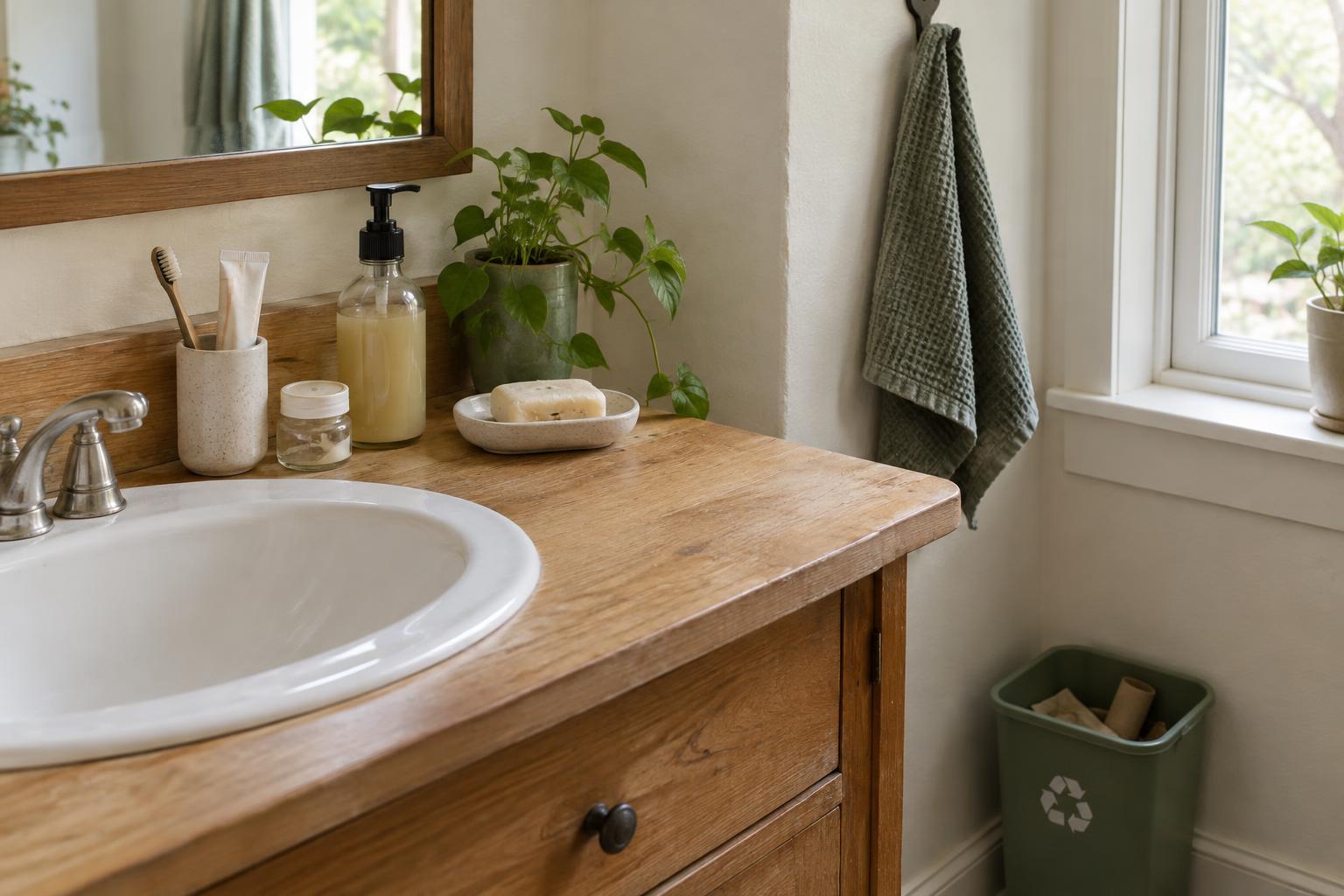
Put products you are currently using where you can see them, and keep unopened backups together. Before buying a replacement, check that spot. If several similar products are already open, finish one at a time where practical. This makes it easier to tell what you actually like and prevents products from being forgotten until they are no longer suitable to use.
Using something up does not mean forcing yourself to keep a product that irritates your skin, smells off or is past its safe-use period. Nor does it require cutting open packaging in a way that risks injury or contamination. The goal is to avoid accidental waste, not to squeeze value from every last drop at any cost. When you do replace an item, note how long it lasted; that can help you buy an amount you are likely to use.
Make everyday routines a little less wasteful
Some of the most useful changes involve no new equipment. Turn off the tap while brushing your teeth, and avoid leaving water running while you gather supplies. A shorter shower may reduce water and energy use, but an exact time target is less important than noticing when the water is running without a purpose. If a tap drips or a toilet keeps running, addressing the problem can matter more than changing a minor personal habit.
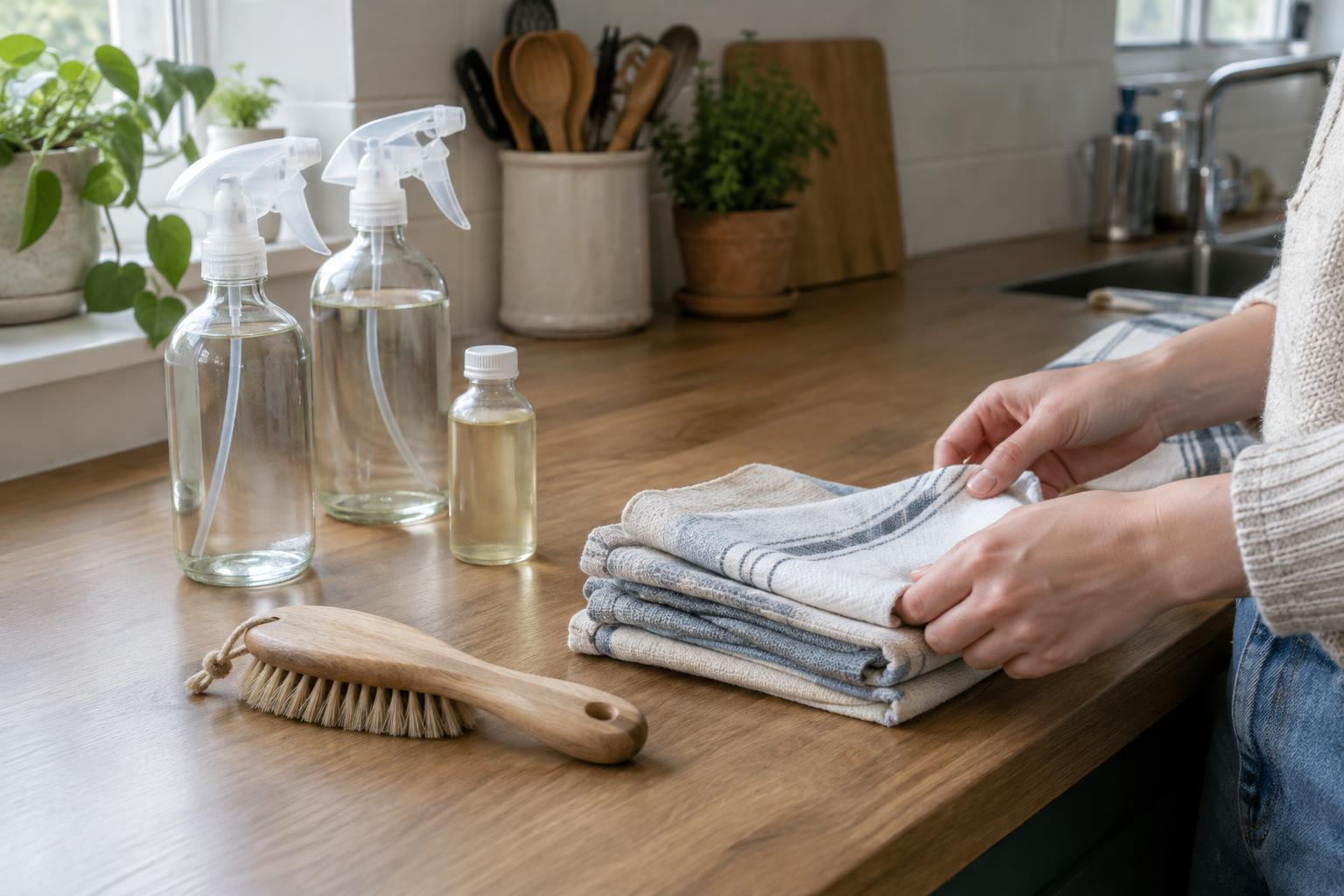
Use the amount of soap, shampoo or cleaning product needed for the task rather than dispensing it automatically. Following a product’s directions can also help you avoid using more than necessary. For cleaning, keep a washable cloth available for ordinary wipe-downs if it suits your household, then launder it regularly. Reserve disposable materials for situations where they are the more hygienic or practical choice.
Care for what you reuse
Reusable items save waste only when they fit your routine well enough to be used and cared for. Give washcloths, towels and other washable items a place to dry between uses. Launder them as needed, and replace them when they can no longer be cleaned or used effectively. You do not need an elaborate collection: a manageable number of items is easier to keep in rotation.
The same principle applies to bathroom tools. Rinse away residue, let tools dry as appropriate and store them so they are easy to find. Check manufacturer guidance for items that need particular cleaning or replacement. If a reusable option would add work your household cannot consistently manage, it may not be the right swap. Lower waste is a practical aim, not a requirement to reuse everything.
Make disposal the last, clear step
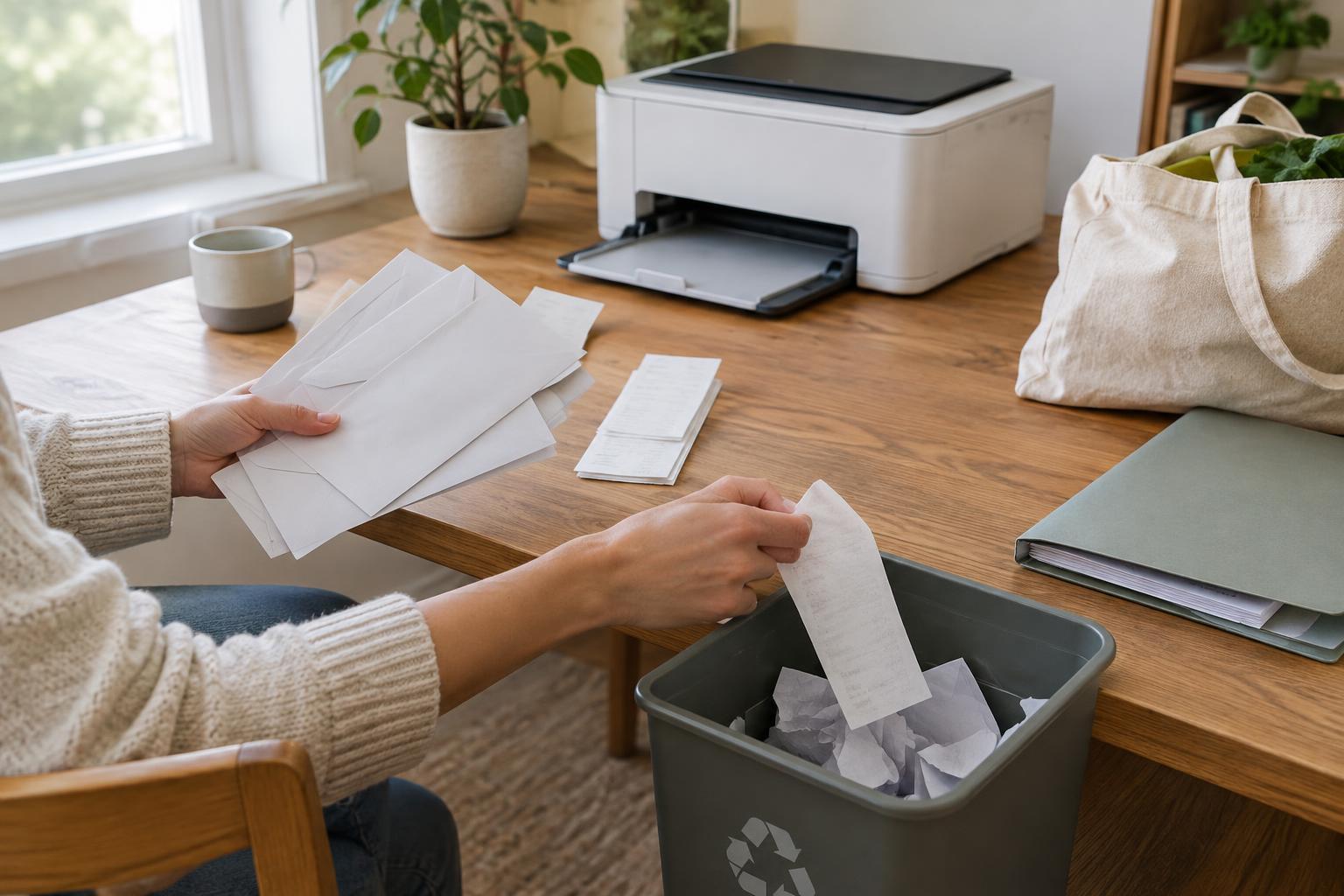
When something is empty, check your local collection rules before putting its packaging in recycling. Accepted materials and preparation requirements vary. Empty containers as directed, and do not assume that small mixed-material items belong in the recycling bin. A clearly placed bathroom bin can also prevent tissues and other non-flushable items from ending up in the toilet.
Keep hygiene and safety in the picture. Do not reuse single-use items in ways that could cause irritation or contamination, and do not pour unwanted medicines down the drain; look for a locally approved disposal option. Over time, the most effective bathroom habits may be the least noticeable: buying only when needed, using a sensible amount, caring for what can be reused and putting the remainder in the right place.