Start with what is already in your home
Low-waste living can look like a shopping list: matching containers, produce bags, cloth towels, refillable bottles and a new set of cleaning tools. These items may be useful, but buying them is not the goal. The goal is to use fewer resources and create less waste in the course of ordinary life. An item you already own and use regularly may serve that purpose better than a newly purchased alternative.
Before replacing anything, take a quick inventory. Which jars, bags, towels and containers do you reach for? Which sit untouched? A sturdy takeout container might hold leftovers for months, while an attractive new lunch box might never fit your routine. Starting with what you have also gives you time to notice the real gaps, rather than buying for an imagined version of your day.
Avoid building a collection of reusables
A reusable item only helps if it gets used enough to justify bringing another object into your home. You do not need a travel mug in every color or a tote bag for every errand. Extras can take up storage space, make it harder to find what you need and eventually become clutter. When a reusable product catches your eye, ask what job it will do that your current items cannot.
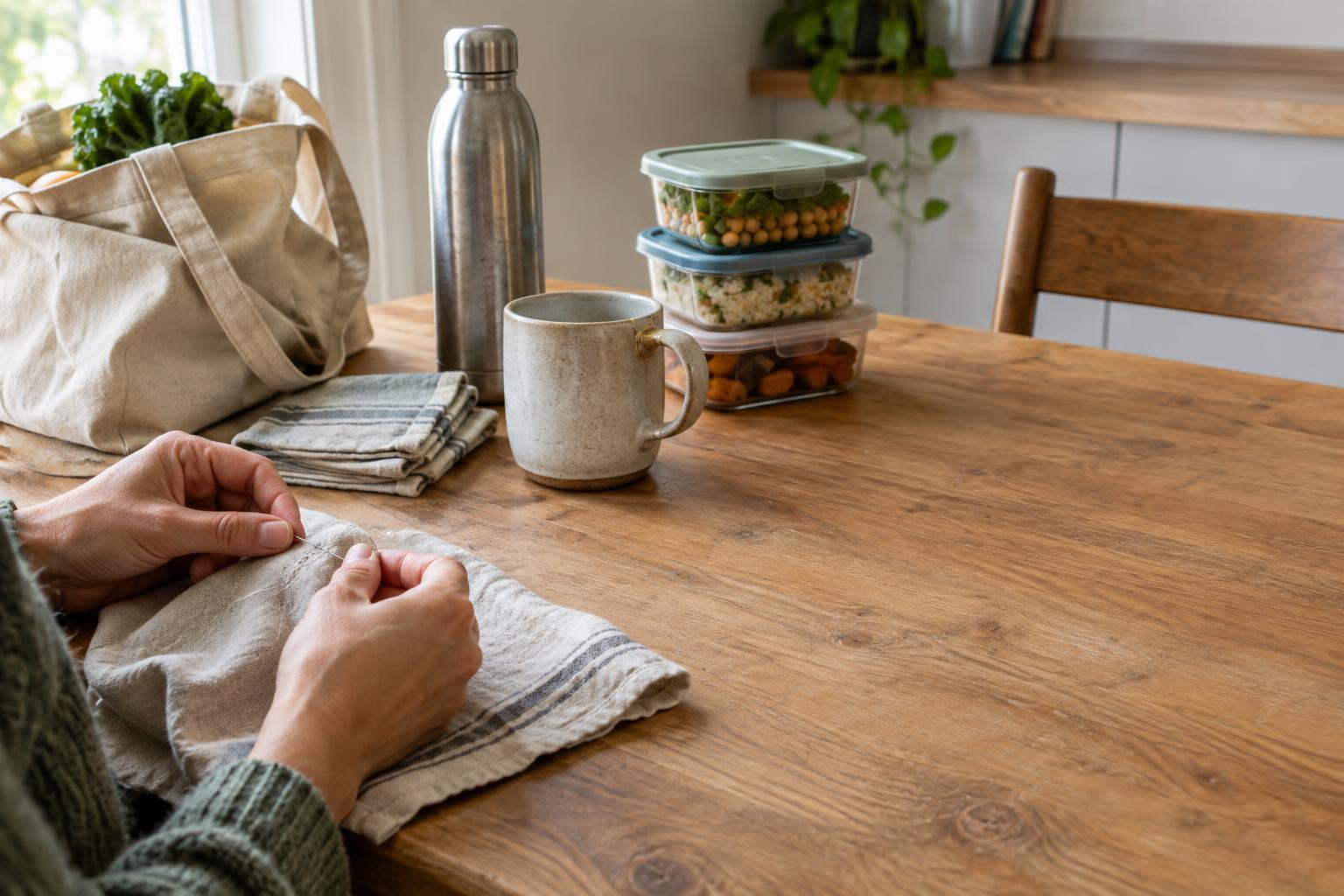
Match the purchase to a habit you already have. If you pack lunch most weekdays and your current container leaks, a suitable replacement could make sense. If you rarely buy drinks away from home, a special cup may not. Keep a small, accessible set of the items you actually use: perhaps a bag near the door, a bottle by your keys or a container ready for leftovers. Convenience often matters more than having the ideal-looking kit.
Use serviceable items before swapping them out
Replacing a working item solely because a different material sounds greener can create waste now without solving a practical problem. A plastic storage box that still seals, a synthetic cleaning cloth that still works or an older appliance that meets your needs does not have to be discarded to make your home more thoughtful. Continue using it safely, care for it as directed and reassess when it wears out or no longer does its job.
This is not a rule to keep everything forever. Some items become unsafe, unhygienic or too frustrating to use. Others can be repaired, repurposed or passed along if they are still in good condition. The useful question is not simply “Is there a lower-waste version?” but “What happens if I keep using this one, and what problem would a replacement actually solve?”
Replace deliberately, not all at once
When an item does need replacing, start with its purpose. Consider how often you will use it, whether it is easy to clean, whether replacement parts are available and where you will store it. A durable, easy-to-use product that fits your routine is more valuable than one with appealing packaging that proves awkward at home. Secondhand options may also be worth considering when you can check their condition and suitability.
Avoid turning one broken item into a full household makeover. A worn dish brush does not require a new set of kitchen accessories. Replace the brush, or try an existing cloth if it works for the task. Changing one thing at a time lets you learn from actual use. It also leaves room to discover that you need less than you expected.
Make low-waste habits easy to repeat
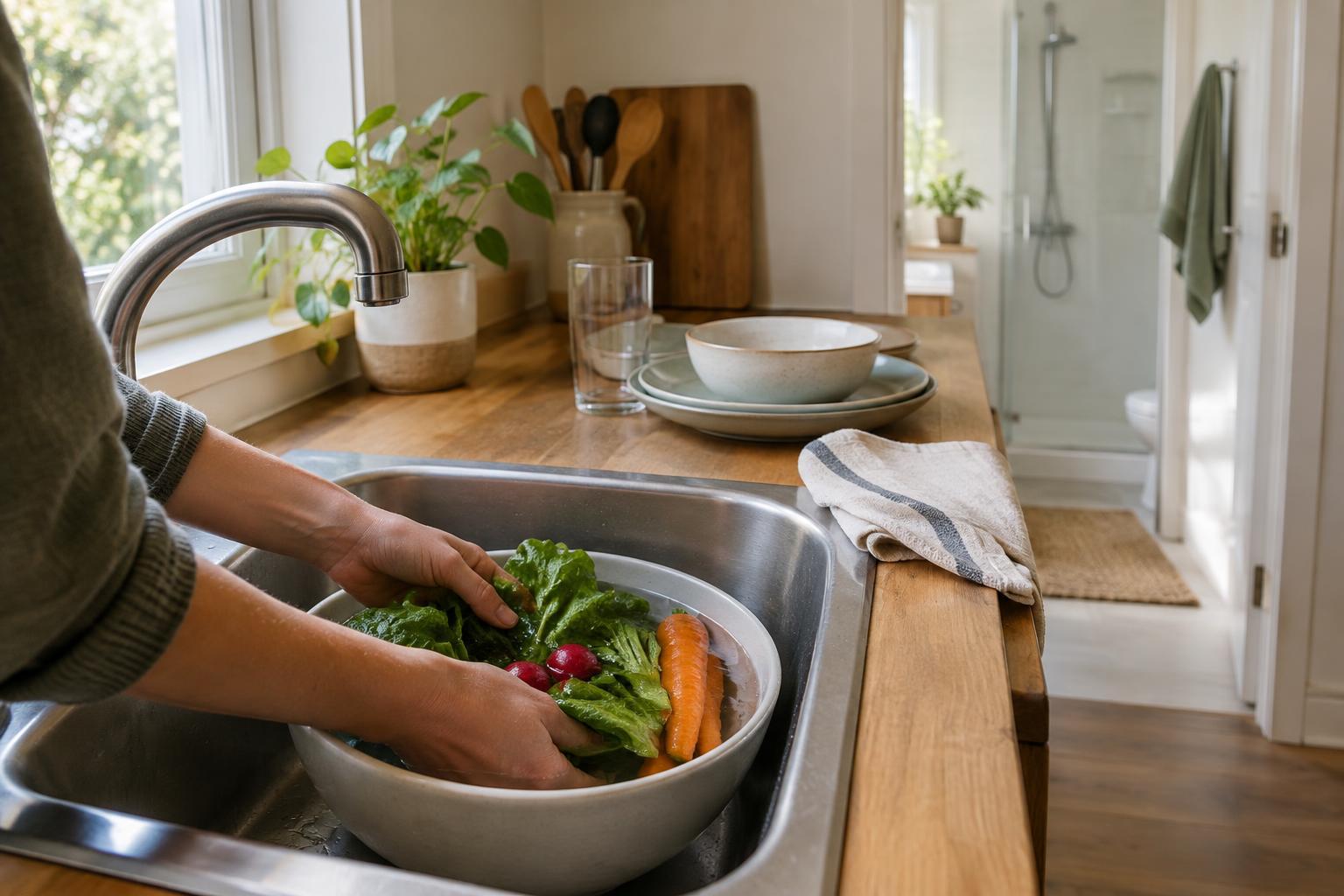
The most reliable changes often begin with ordinary routines: planning meals around food already in the fridge, carrying a bag you own, using up supplies before opening new ones and storing leftovers where you can see them. These actions require attention more than new equipment. If a system takes too much effort, simplify it until it works on a busy day.
A useful check before buying is to pause and ask three questions: Do I already have something that works? Where will this item live? When will I use it next? If the answers are unclear, waiting is a reasonable choice. Low-waste living is not a test of how many reusable products you own. It is an ongoing practice of using things well, buying with a purpose and letting fewer useful items do more.