Start with the job, not the promise
A multipurpose tool sounds like an easy answer to clutter: buy one thing instead of several. That can work well, but the number of functions on a package tells you little about how useful the tool will be at home. A tool that handles three regular tasks comfortably may be a better choice than one that claims to handle twelve but is awkward at each of them.
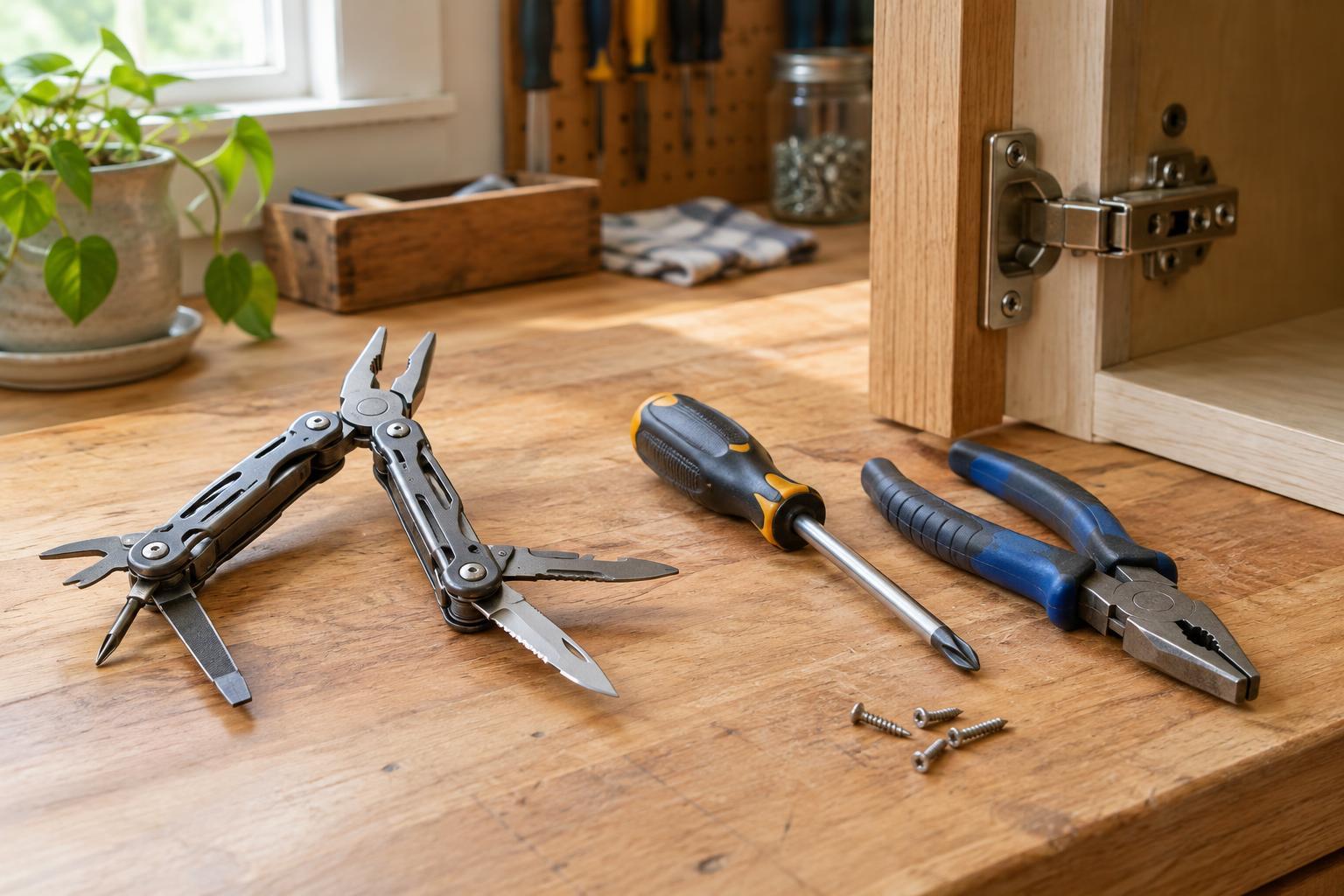
Before shopping, name the jobs you actually need to do. Be specific: “tighten loose cabinet handles twice a year” is more helpful than “do repairs.” Then look at what you already own. A sturdy screwdriver with interchangeable bits might cover those cabinet handles and many other small fixes. If you already have a comfortable screwdriver, though, a new multitool may only duplicate it.
When versatility earns its space
Multipurpose tools tend to make sense when the tasks are occasional, the required performance is modest and having everything close at hand helps you use it. A compact set of interchangeable screwdriver bits, for example, can be convenient for small household adjustments without requiring a drawer full of handles. In the kitchen, a well-chosen knife can do many everyday cutting tasks, leaving little reason to buy a separate gadget for every ingredient.
The best versatile option is usually easy to use for its main jobs, not merely capable of doing them. Check whether changing attachments is straightforward, whether the tool feels secure in your hand and whether its parts are simple to clean and store. Loose accessories that disappear into a crowded drawer can undermine the space-saving benefit. So can a tool that takes so long to set up that you avoid using it.
Versatility can also help when you are still learning your needs. Instead of buying a dedicated item for every new hobby or household project, use an adequate tool you own for a while. Experience will show whether a particular task comes up often enough to justify something more specialized.
When a dedicated tool is the better fit
A specialized tool earns its place when it makes a frequent task noticeably easier, produces a result you cannot reliably get another way or helps you work more safely. Pruning shears, for instance, are designed to cut plant stems cleanly; forcing a general-purpose household blade into that job may be uncomfortable and hard to control. A tool that fits the task can reduce frustration and make maintenance more likely to happen.
Precision matters, too. If a job depends on an accurate measurement or a particular cut, an approximate substitute may lead to wasted materials or repeated work. Before buying, consider how often the job occurs and what happens if the tool performs poorly. A dedicated item used every week may deserve drawer space more than a versatile one you struggle with every week.
Avoid turning specialization into an automatic shopping list. If a one-time task calls for an unusual tool, borrowing or renting may be more sensible than owning it. For tasks involving electricity, sharp blades or heavy loads, use equipment suited to the job and follow its instructions rather than improvising with a tool simply because it is nearby.
Compare the whole ownership experience
The shelf price is only one part of a purchase. Think about where the tool will live, whether replacement parts are available, how it is cleaned and whether a broken component makes the entire item unusable. A multipurpose tool with a fragile hinge may create more waste than a few durable basics. Conversely, one handle with replaceable working parts may be easier to maintain than several separate items.
Try to inspect a tool before committing, especially if comfort and grip matter. Look for solid construction and parts that fit securely. For secondhand tools, check for damage, missing pieces and signs of unsafe wear; a low price is less appealing if the item cannot do its job. When comparing options, favor the one you can imagine using and caring for over the one with the longest feature list.
Use a small trial before making room for more
If you are unsure whether to buy a dedicated tool, give your current setup a fair trial. Keep a brief note of the task, what you used and what made it difficult. After a few attempts, you may find that better technique, a repair or a missing attachment solves the problem. If the same obstacle keeps appearing, you have a clearer reason to shop.
Apply the same test when editing a crowded tool drawer. Keep versatile items that perform their real jobs well, along with specialized items you use or reasonably expect to need. Pass along safe, functional duplicates you no longer need rather than keeping them solely because they might be useful someday. The goal is not the fewest tools possible. It is a manageable set that helps you care for what you have without making every small task harder.