Start with what is likely to wear out
Repairability means more than whether a product can be opened. A useful first question is: what part is most likely to fail or wear out during ordinary use? On a vacuum, that might be a hose, brush or battery. On a lamp, it might be the bulb, switch or cord. You do not need to predict every failure; you need to know whether the common ones would leave you with a usable product or a difficult disposal decision.
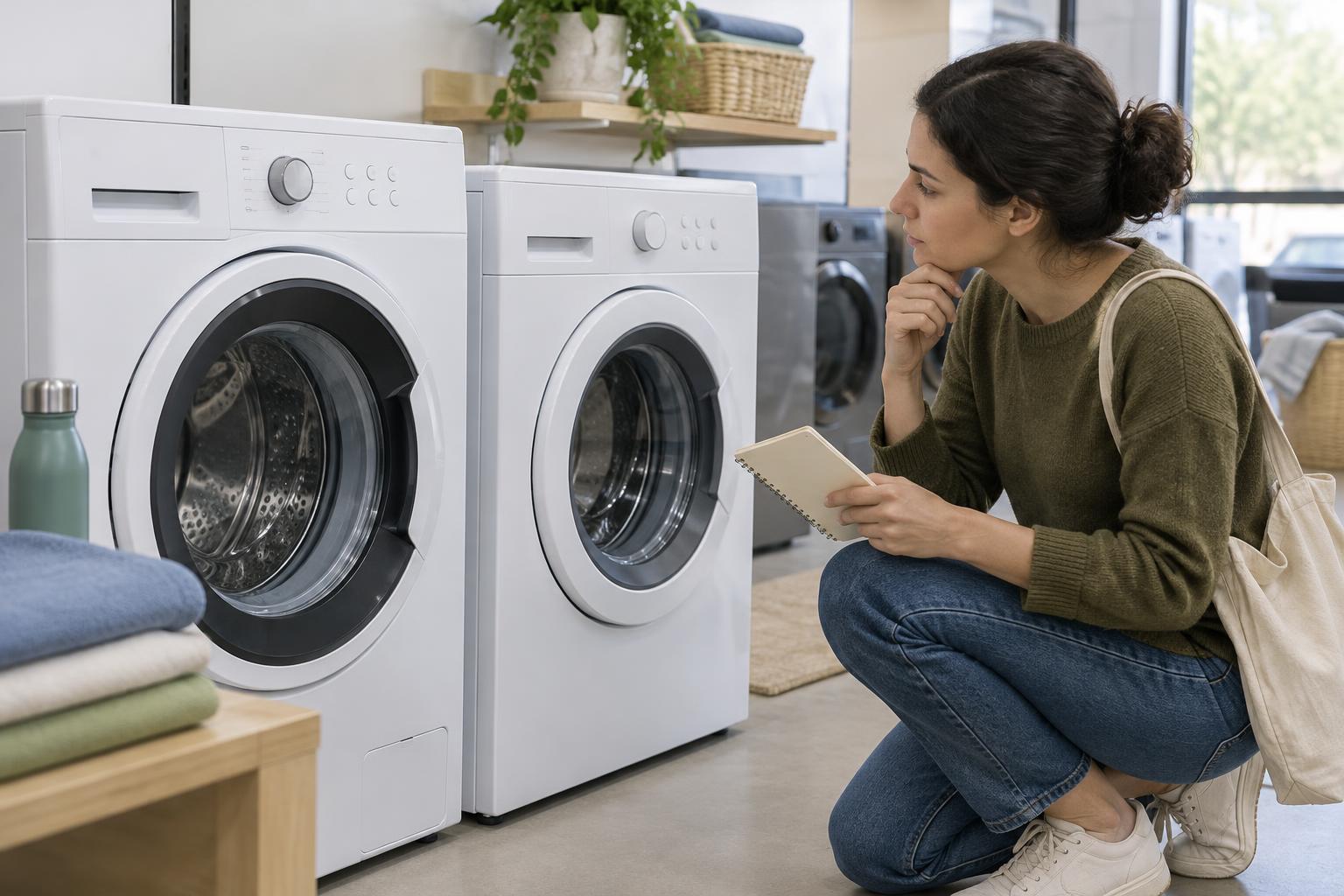
Before comparing models, write down the few functions that matter to you and the parts those functions depend on. This keeps an attractive feature or a low initial price from distracting you from everyday upkeep. It also helps you avoid paying for repair features you are unlikely to use. A simple item with standard replaceable parts may suit your household better than a more complicated one.
Check whether parts are available
Look for the exact model number, then see whether the maker or a parts seller lists replacement components by that number. Check the parts most relevant to your likely repairs, not just accessories such as storage bags or decorative covers. A listing for a replacement battery, seal, wheel, filter or switch is more useful when it clearly identifies compatible models and explains how to order it.
Availability today is not a promise of availability years from now. Still, clear part numbers, a parts diagram and a way to purchase components are better signs than a vague statement that a product is “repairable.” If parts are offered only as large assemblies, consider the trade-off: replacing an entire motor housing because a small piece broke may be costly or wasteful. For an expensive purchase, you can ask the seller or maker which parts are sold separately and whether a repair service can obtain them.
Look at access, fasteners and instructions
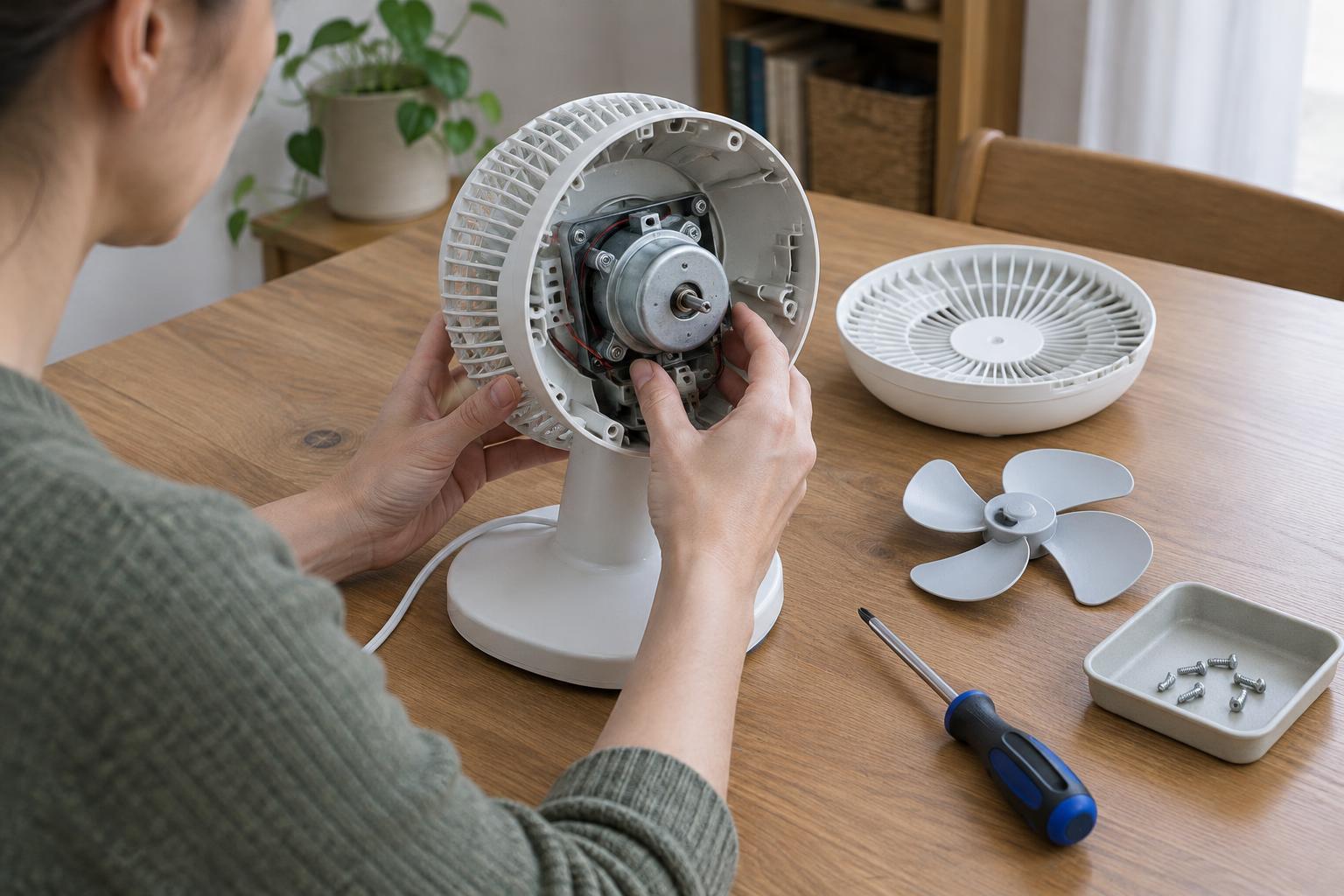
If you can examine the product, look for ordinary screws, removable panels and components that appear reachable without damaging the case. Check whether a battery can be removed, a filter can be changed and surfaces that collect dirt can be cleaned. Sealed joints, extensive glue and parts buried deep inside a product can make a repair harder, though appearances alone do not tell the whole story.
Search for an owner’s manual or repair instructions for the specific model. A useful manual identifies parts, explains routine maintenance and gives clear steps for common replacements. If an instruction says to seek service for a particular task, find out whether that service is accessible to you. Even when you intend to use a professional, instructions and identifiable parts can make it easier to describe a problem and obtain an estimate.
Consider who would actually do the repair
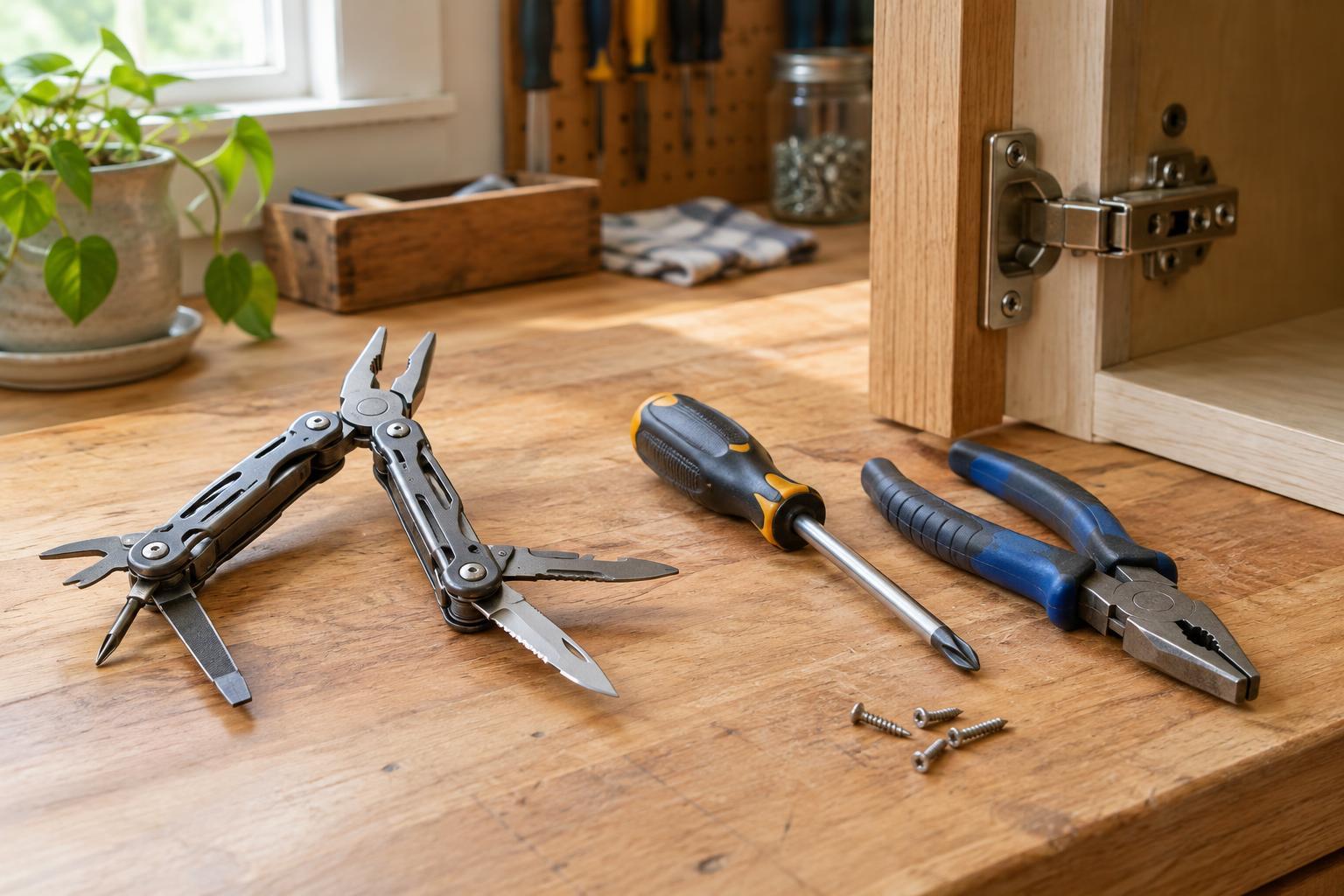
A theoretically fixable product is less useful if the required tools, skills or service are out of reach. Think through a realistic scenario: if it stopped working after regular use, would you try a simple repair, ask someone you know, or take it to a shop? Check whether any special tools are needed and whether a local repairer accepts that kind of product. For electrical items, batteries and other repairs with safety risks, do not assume that opening the case is a sensible do-it-yourself job.
A warranty can be helpful, but it answers a different question. It may cover certain faults for a limited period without making later repairs easy. Read what it says about service and replacement, then assess parts and access separately. If two products otherwise meet your needs, the one with a clear service route may be the less frustrating choice.
Make a decision that fits the item
Repairability deserves more attention when a product is costly, used often or likely to need routine parts. For a small, simple item, your check may take only a minute: can it be cleaned, tightened or fitted with a standard replacement component? For a larger appliance, it may be worth checking a manual, a parts list and repair options before committing.
Use a short final checklist: Can I identify the model? Can I obtain the parts most likely to wear? Can those parts be reached and replaced? Are instructions or suitable repair services available? If several answers are unclear, pause and compare another model, a simpler design or a well-kept secondhand option. The goal is not to find a product that will never break. It is to buy something you can reasonably maintain and keep using when ordinary wear occurs.