Start with the job, not the item
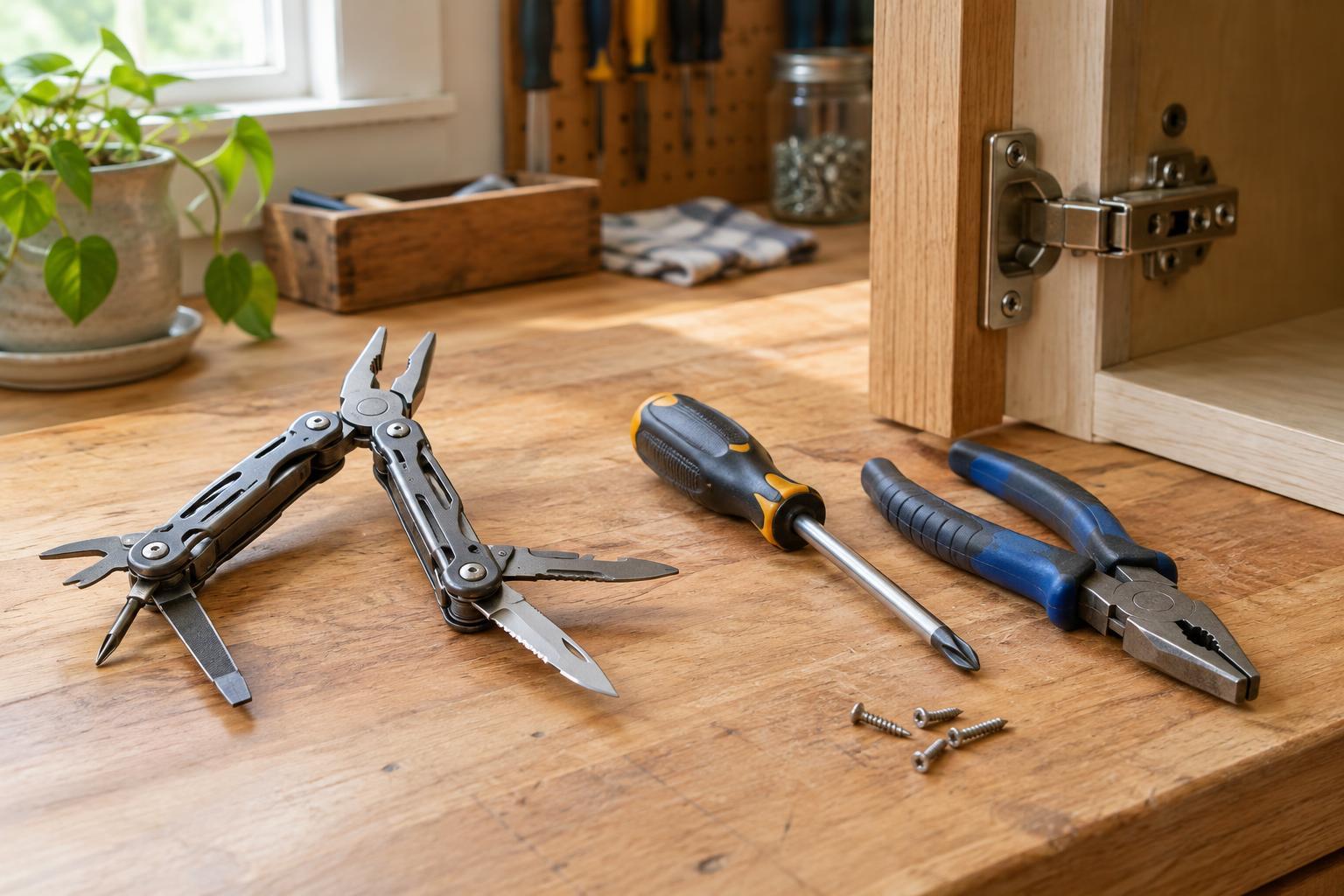
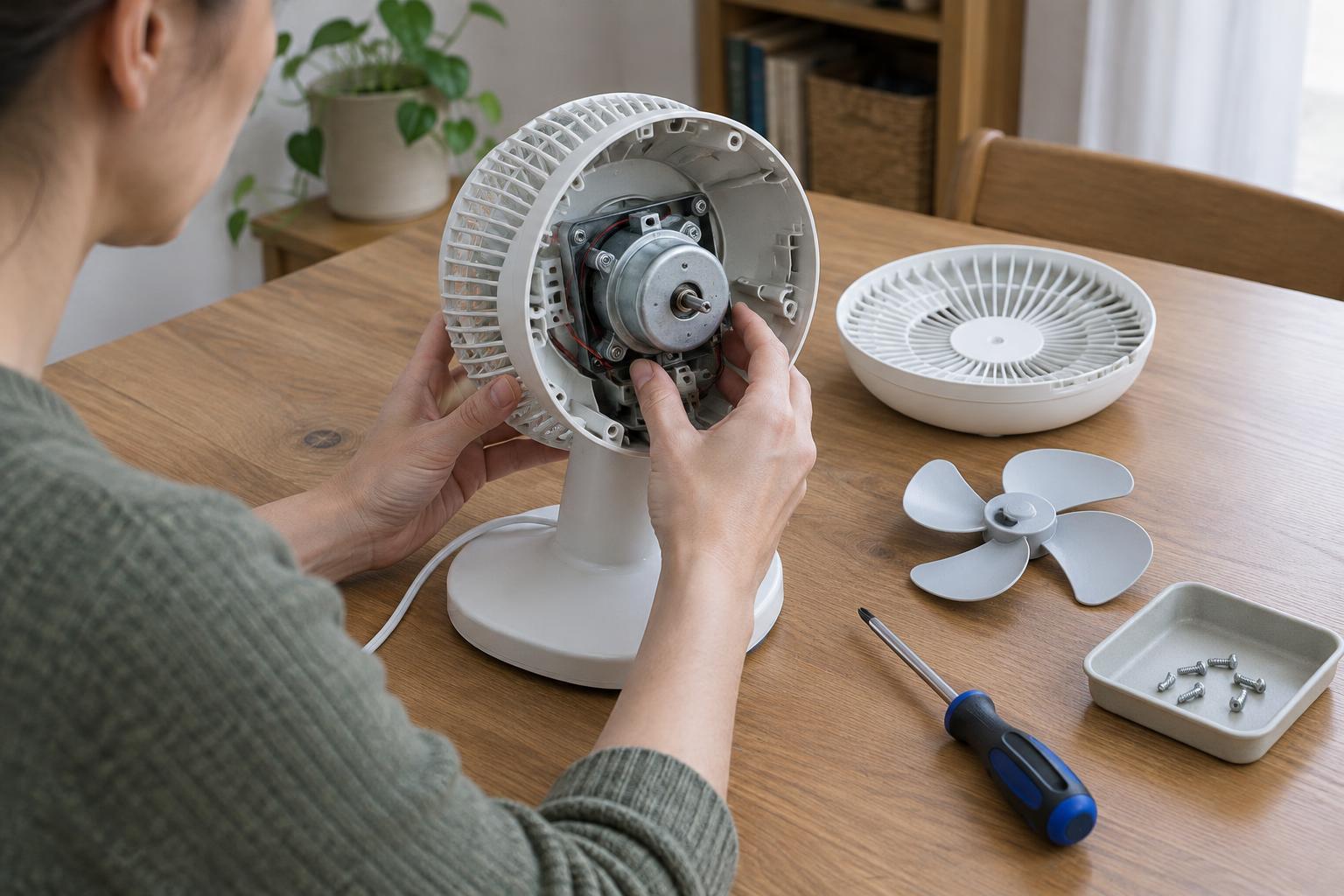
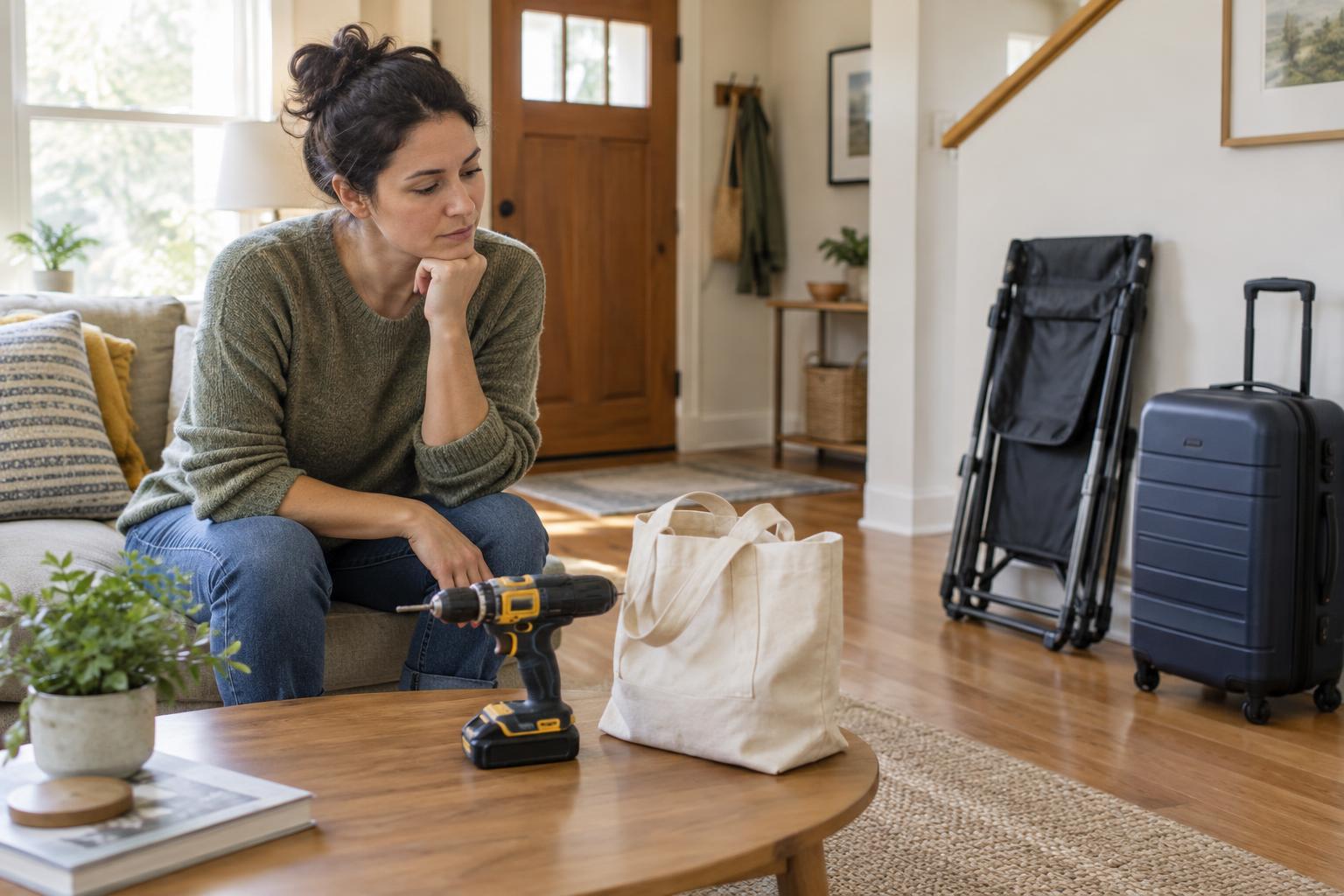
A seldom-used item can feel essential when a task is right in front of you. Before deciding how to get one, describe what you need it to do and for how long. Do you need a power tool for an afternoon, extra seating for a weekend, or luggage several times a year? A clear description may reveal that a smaller tool, a different method, or something you already own will do the job.
Next, ask how certain the future use is. “I might need it again” is different from having two similar projects planned. Think about how quickly you would need access next time, too. An item that is useful only with little notice may be worth keeping even if you use it infrequently; something needed for a planned occasion is easier to borrow or rent.
When buying makes sense
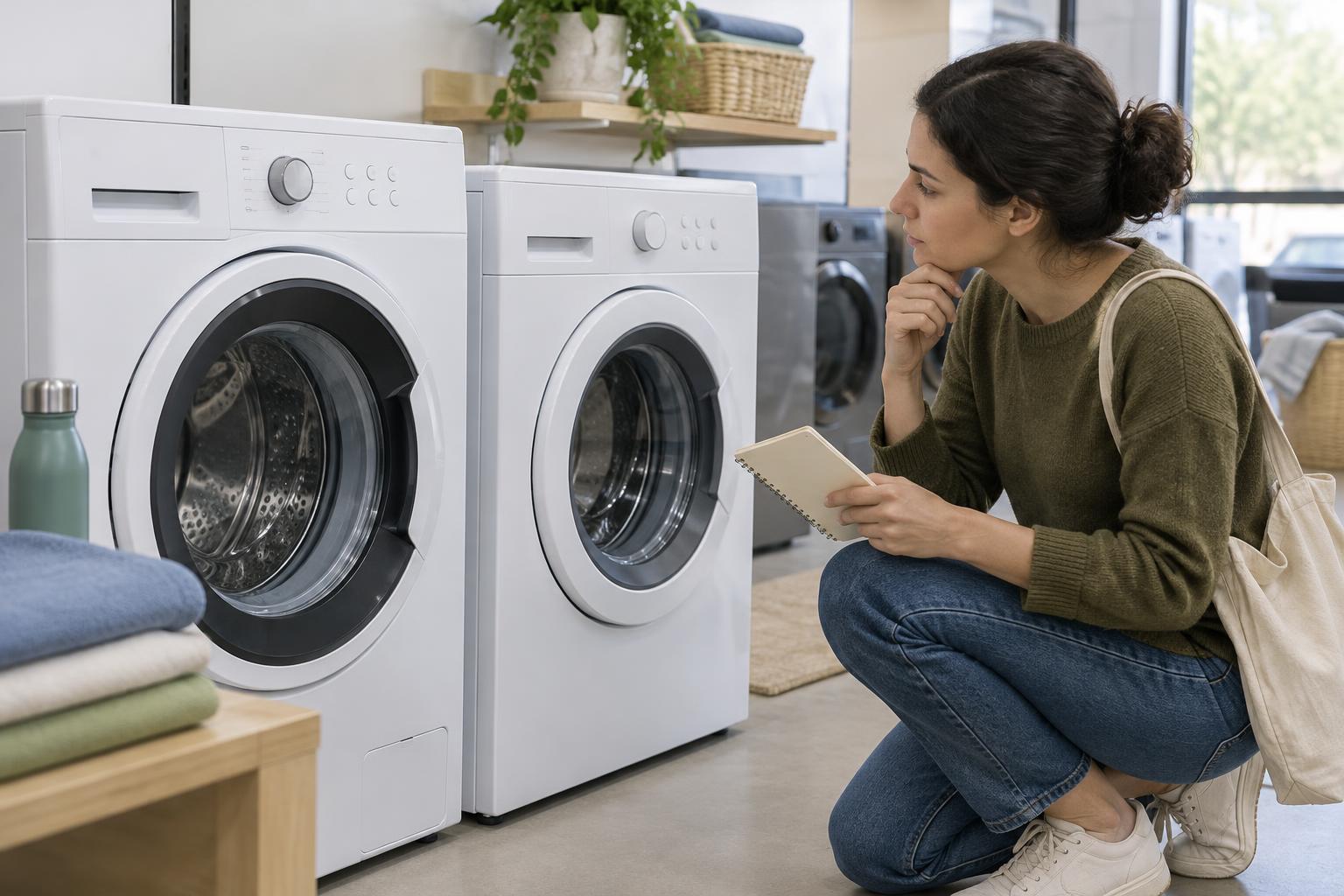
Buying can be the simplest choice when you expect repeated use, need dependable access, and have a suitable place to store the item. Ownership also lets you choose a version that fits your needs and learn to use it well. But the shelf price is only part of the decision. Consider storage space, upkeep, replacement parts, and the effort of eventually passing it on.
If you decide to buy, match quality to the work rather than choosing by price alone. Look for sturdy construction, replaceable components where relevant, and instructions you can follow. A used item may meet the same need with less demand for new materials, provided you can check its condition and confirm that necessary parts are included. For equipment with important safety requirements, follow the manufacturer’s guidance and avoid an item whose condition you cannot assess.
Before checkout, name where the item will live. If finding room requires moving several other rarely used possessions, that is useful information. The purchase may still be worthwhile, but it should earn its space.
When borrowing works better
Borrowing suits short, predictable needs, especially when someone nearby already owns the right item and is comfortable lending it. Neighbors, friends, family, and local lending collections can sometimes offer access without adding another object to your home. Ask rather than assume, and give the owner an easy way to say no.
A good borrowing arrangement is specific: agree on when you will collect and return the item, what accessories go with it, and whether there are any instructions for use or cleaning. Check its condition together if that would help avoid confusion later. Return it promptly and in the condition you received it. If something breaks or goes missing, tell the owner instead of quietly putting the problem aside.
Borrowing is less convenient when plans frequently change or when you need to practise with an item over a long period. It also carries a social cost if the same person is repeatedly asked to supply equipment for your projects. In that case, renting, buying secondhand, or sharing ownership by agreement may be a better fit.
When renting earns its fee
Renting can be useful for bulky, specialized, or expensive-to-maintain items needed for a defined period. It can give you access to a suitable tool or piece of equipment without making you responsible for years of storage. The best rental choice is not necessarily the cheapest daily rate: pickup, delivery, required supplies, deposits, return times, and cleaning expectations can all affect the total effort.
Reserve enough time to learn how the item works before the task begins. Ask what is included, inspect it at collection, and clarify what to do if it stops working. A tight rental window may create pressure to rush; a little extra time can be more practical than planning around an ideal schedule.
Renting is not automatically less wasteful than buying. Travel to collect an item, packaging, and the item’s durability all matter. Still, when one well-maintained object serves many occasional users, renting can keep individual households from storing duplicates.
Make the choice you can live with
For a quick decision, compare four things: how often you will use the item, how soon you may need it again, how much space and care it requires, and how easy it is to borrow or rent locally. Then consider the practical details. If you cannot transport a rented item, the apparent bargain may not help. If a borrowed item must be returned before your project is likely to finish, choose another route.
You do not need to optimize every purchase. Sometimes buying an affordable, durable item removes a recurring hassle; sometimes borrowing once shows you do not need one at all. Treat each choice as a way to meet a real need, not as a reason to accumulate options for imagined ones. When the task is finished, clean what you used, return what is not yours, and keep only what has a credible next use.