Start with the events you actually attend
Occasion clothes can take up a surprising amount of space for how rarely they leave the closet. The goal is not to be ready for every imaginable invitation. It is to have a few dependable options for events that are reasonably likely in your life, without keeping items you no longer want to wear.
List the occasions you have dressed for in recent years: perhaps weddings, interviews, work gatherings, celebrations, or memorial services. Then note which of your clothes you actually chose. A formal gown that has sat untouched through several events may be less useful than a comfortable jacket you reach for repeatedly. Keep future possibilities in mind, but let real use carry more weight than a vague sense that something might be needed someday.
Keep a small, flexible foundation
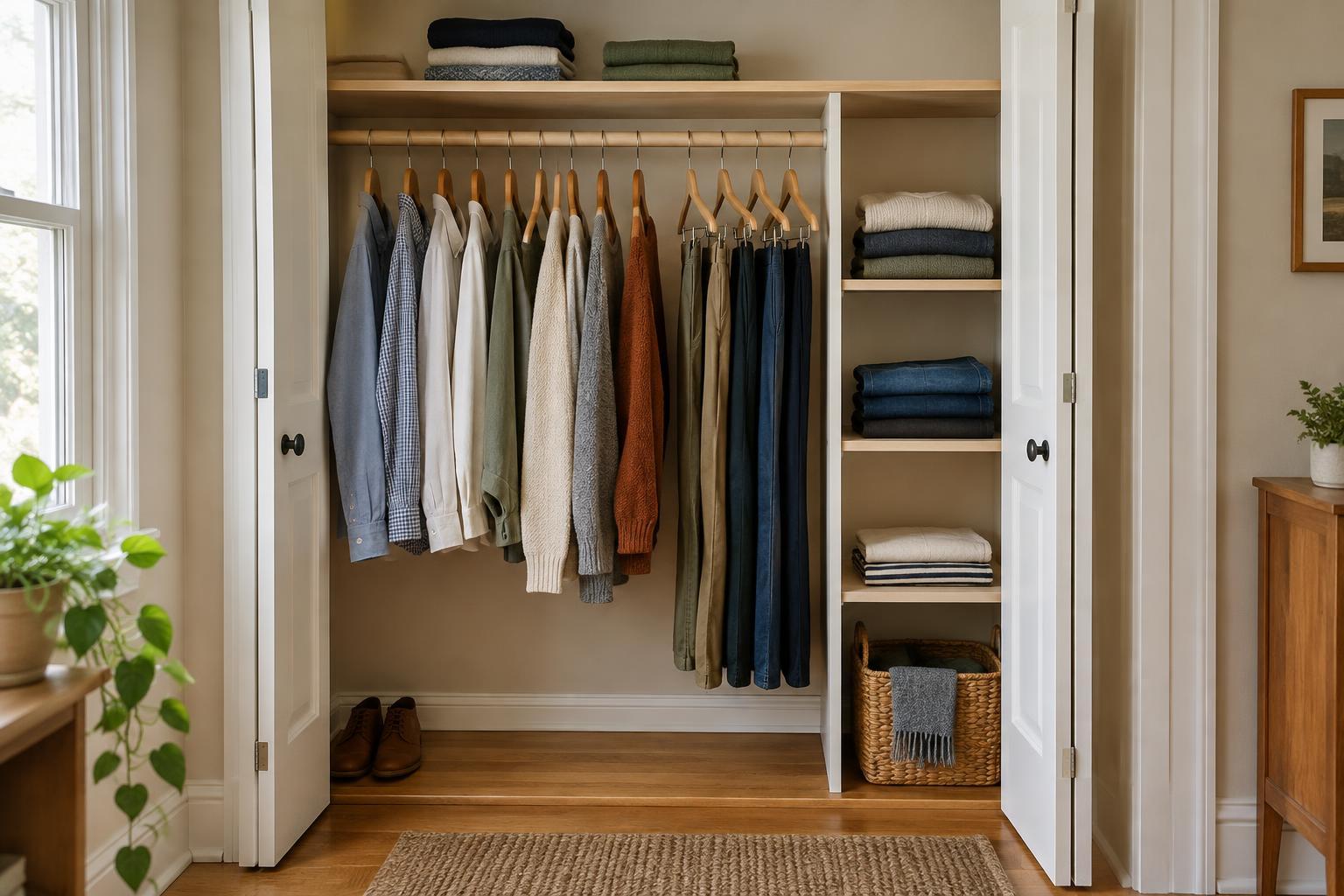
A useful occasion wardrobe depends on your life and style, not a universal checklist. For some people, a well-fitting suit and two shirts cover most needs. For others, a simple dress, polished separates, or a jumpsuit offers more flexibility. Neutral pieces can be easy to restyle, but a color or pattern you genuinely enjoy may get more wear than a supposedly practical item you avoid.
Before keeping a piece, ask whether it fits comfortably now, works for the season and setting, and can be worn with shoes and layers you already own. Try on complete outfits rather than judging each garment on its hanger. Sit down, walk, and check that you can move without constant adjustments. If an item needs tailoring, decide whether you are willing to arrange it; an unfinished plan does not make a garment ready to wear.
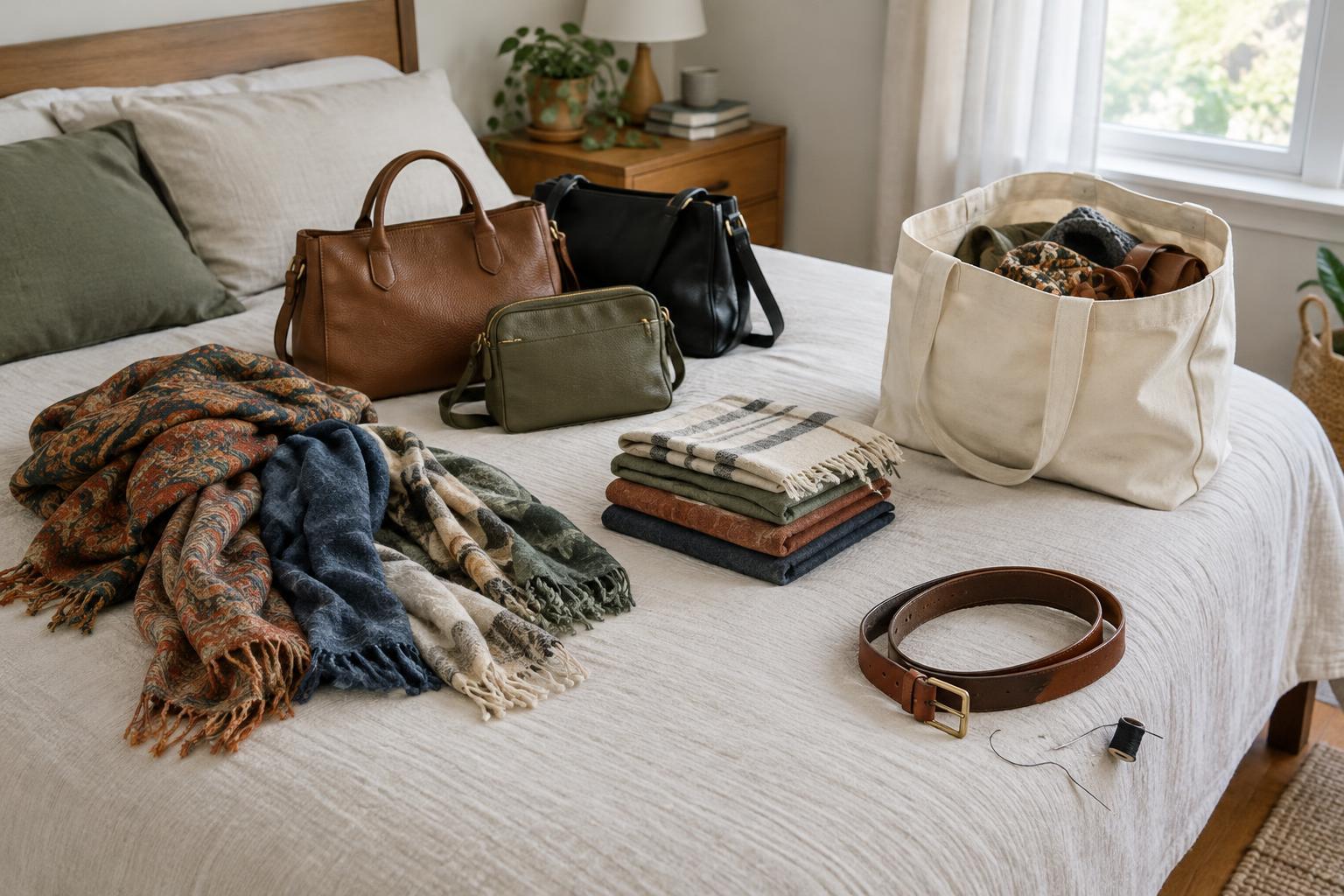
Accessories can change an outfit without requiring another full set of clothes. A different shirt, scarf, tie, or piece of jewelry may make familiar basics feel appropriate for a new occasion. Keep only the accessories you can find, maintain, and comfortably use.
Prepare for dress codes without keeping every option
Weddings and interviews often prompt different concerns. For a wedding, the invitation, venue, time of day, and any stated dress code can help you choose among what you own. For an interview, the role and setting may call for a more restrained outfit, though expectations vary. Rather than storing a dedicated look for every level of formality, identify where your existing pieces overlap and where a genuine gap remains.
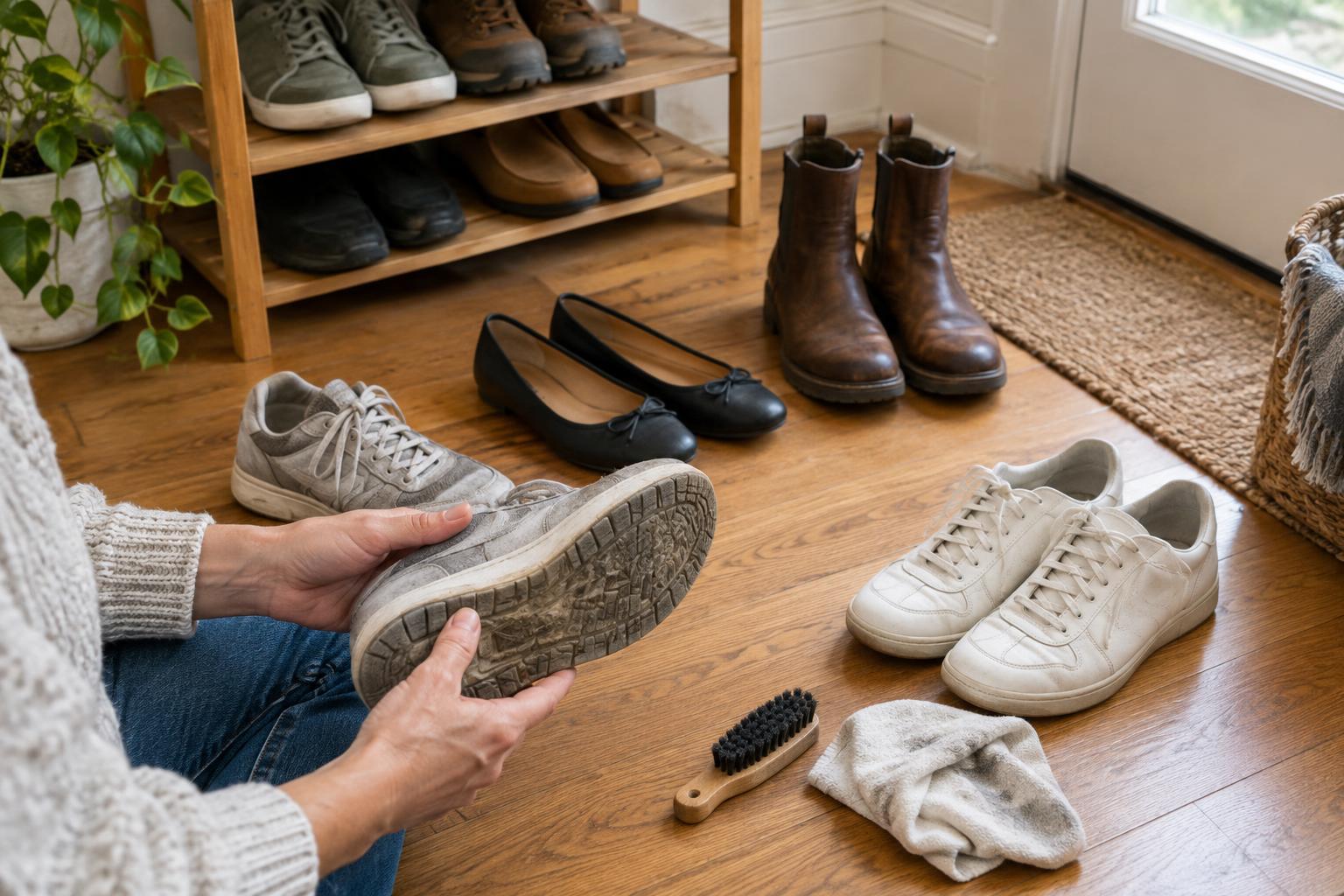
Give yourself time to check an outfit before the event. Look for loose hems, missing buttons, stains, uncomfortable shoes, and layers that do not work together. Minor repairs or cleaning may make an existing outfit usable again. If the dress code is unfamiliar, ask the host or organizer for clarification when appropriate; that can be more useful than buying something based on a guess.
Use borrowing and secondhand shopping for true gaps
If you need something unusually formal, seasonal, or specific, you may not need to own it afterward. Borrowing from someone whose clothes fit you, renting when available, or buying secondhand can all be reasonable options. Check the condition, return requirements, and total cost before committing. Leave enough time to try the item on with the rest of your outfit, especially if shoes or alterations are involved.
Secondhand shopping works best with a clear brief: the type of garment, acceptable colors, measurements, and a spending limit. That keeps an appealing bargain from becoming another unworn piece. If you do buy, favor an item you could wear again rather than one that works only for a single photograph.
Make the keep-or-let-go decision easier
Gather your occasion clothes in one place and try them on as outfits. Keep pieces that fit, feel good, and have a plausible next use. Set aside items that need a simple repair and make a concrete plan to complete it. Let go of clothes that no longer fit your life, are uncomfortable despite repeated attempts to style them, or duplicate a better option.
Store the remaining pieces clean and easy to reach, with any matching accessories nearby. A short note on your phone listing two or three ready-made outfits can save time before the next invitation. Editing this category is not about being prepared for everything. It is about knowing what you have, caring for it, and filling a real gap only when one appears.