Start with what you actually wear
A closet can be full and still leave you feeling as though you have nothing to wear. Often, the problem is visibility: familiar clothes are buried behind crowded hangers, folded stacks or items kept “just in case.” Before buying bins or replacing anything, make room to see what is there. Take out one manageable category at a time, such as shirts or trousers, rather than emptying the entire closet if you cannot finish in one session.
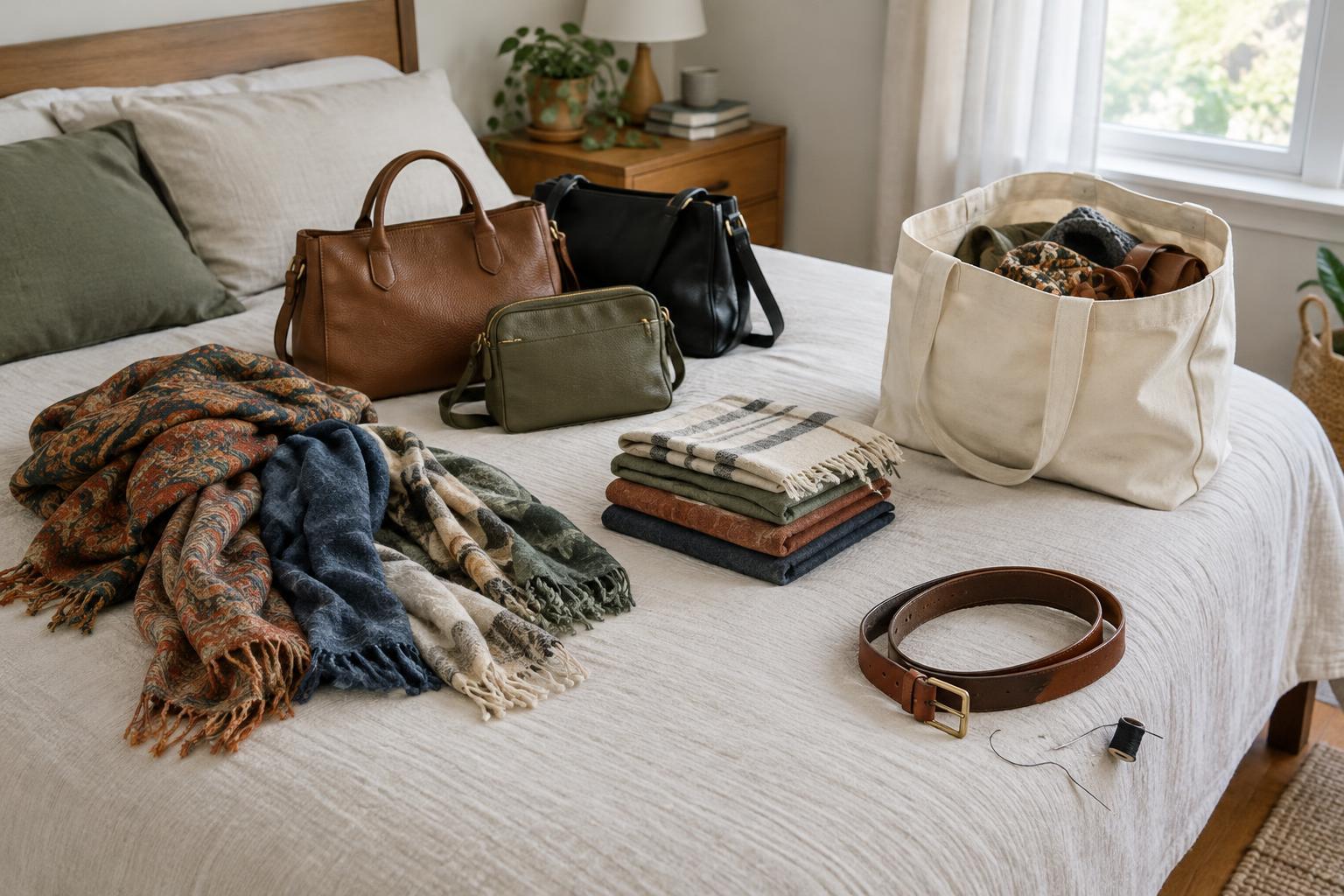
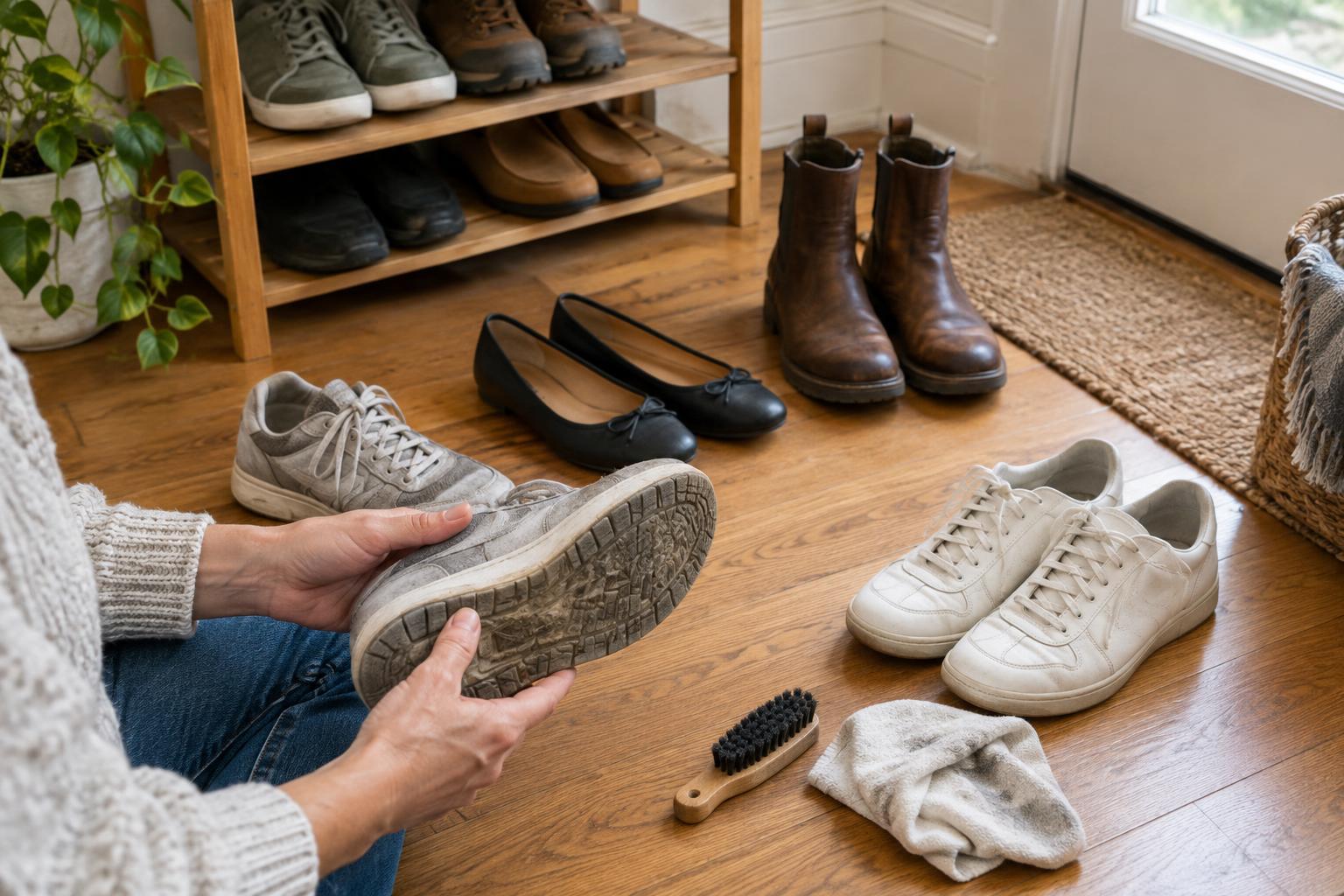
As you handle each piece, ask when you last wore it and what you would wear it with now. Set aside clothes that need washing or repair so they do not drift back into the clean-clothes area. Notice which pieces you reach for repeatedly, including the ordinary ones that make getting dressed easy. Those are the clothes your closet should serve first; special-occasion and out-of-season items can take less prominent space.
Give everyday clothes the easiest places to reach
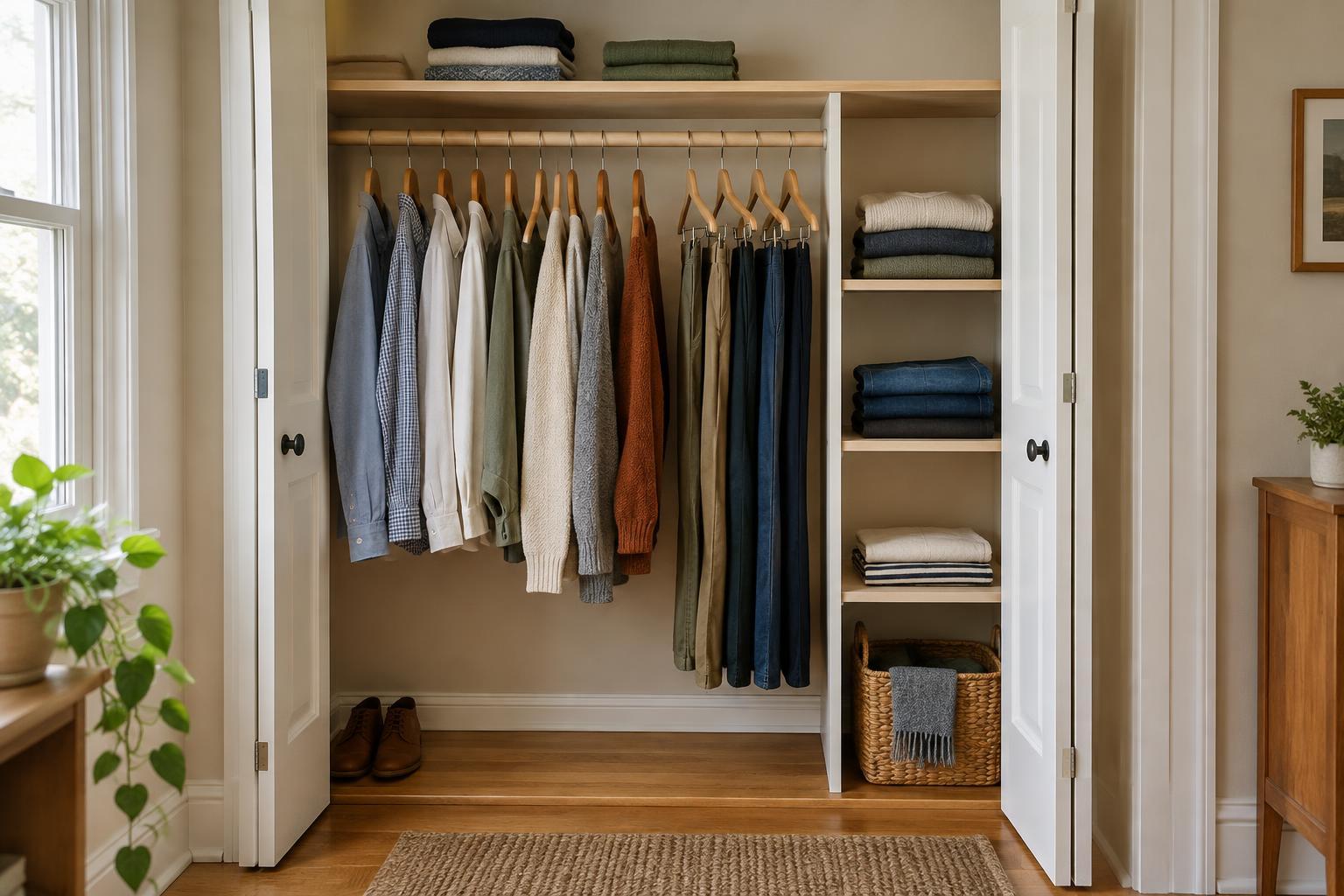
Put your most-used clothes between shoulder and waist height where possible. Keep them near the front of a rail or in drawers you open without moving anything else. Grouping by type can help you spot what you have: shirts with shirts, trousers with trousers. Within each group, you might place the pieces you wear most often at the front. The goal is not a perfect display but a clear view of your options.
Give each storage area a job. A shelf might hold everyday knitwear, while a lower drawer holds exercise clothes. Reserve harder-to-reach places for seasonal or occasional items, and label a closed container if its contents are not obvious. Leave a little space between hangers and in drawers so you can remove one piece without disturbing the rest. If a section is too tight to use comfortably, move or edit something before adding another organizer.
Choose storage that lets you see and return things
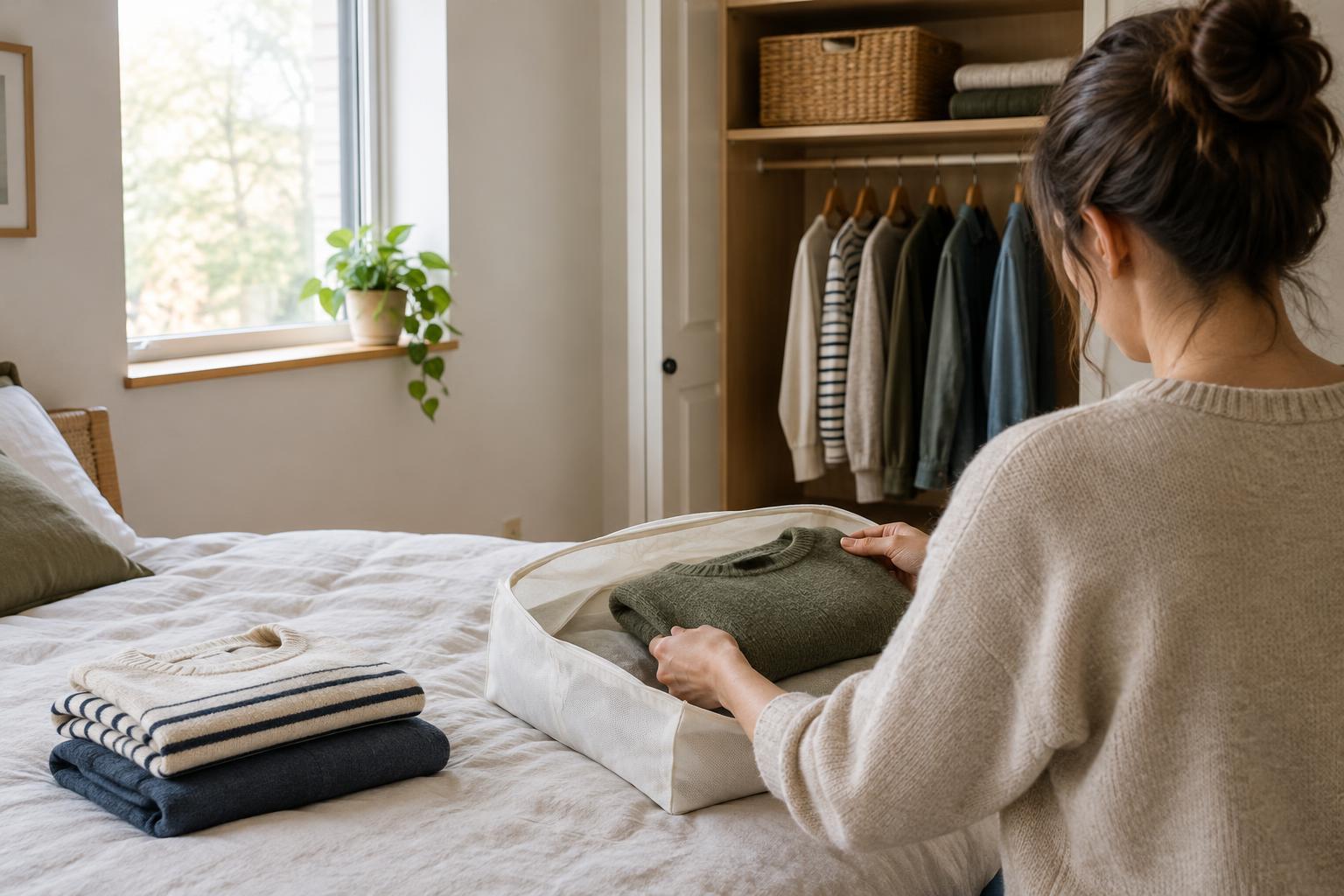
Different clothes need different storage. Hanging can make jackets, dresses and shirts easy to scan, while folding may work better for sweaters that could lose their shape on hangers. In a drawer, try placing folded pieces upright so you can see several at once instead of lifting a stack to find the one underneath. A shallow box or drawer divider can keep small items together, but an existing container may do the job just as well as a new purchase.
Make the system easy to maintain on an ordinary tired evening. If folding a particular way takes too long, use a simpler fold. If you tend to drop a worn-but-clean layer on a chair, give it a hook or a small designated spot, then check that spot before laundry day. Keep a clear place for clothes waiting to be repaired or altered, separate from clothes ready to wear. Visibility only helps when the items you see are usable.
Handle the clothes outside your regular rotation
Not every rarely worn piece needs to leave. Clothes for a different season, a particular activity or an infrequent event may have a good reason to stay. Check that they fit their purpose and are in wearable condition, then store them together away from your everyday choices. For items you are unsure about, use a temporary holding spot and revisit it after a reasonable period. This gives you time to decide without letting uncertainty crowd the clothes you use.
If you choose to let something go, start with a realistic destination. Offer wearable pieces to someone who wants them, explore secondhand resale if you have the time, or check what local donation and textile collection options accept. Do not treat a donation bag as a reason to buy replacements. Keeping a record of why an item did not work for you—uncomfortable fabric, difficult care or a style you seldom choose—can make future shopping more considered.
Keep the useful clothes in view
A closet stays workable when putting clothes away is as simple as taking them out. Return clean laundry to its assigned places, and take a brief look at crowded areas whenever you notice them becoming hard to use. A change in season is a helpful prompt to bring weather-appropriate clothes forward and move others back. You do not need to repeat a full clear-out each time; a few small adjustments may restore a clear view.
When considering a new garment, picture exactly where it would live and what it would be worn with. If a favorite item is damaged, consider whether a small repair could return it to regular use. A visible, comfortable closet helps you notice what you already have, care for it and make fewer decisions in a rush. Its success is not measured by how little you own, but by whether the clothes that support your daily life are easy to find and wear.