Start with the need, not the calculation
Cost per use divides an item’s price by the number of times you expect to use it. It can be a helpful way to compare options: a sturdy everyday bag may offer better value than a cheaper one that wears out quickly. But the calculation has a blind spot. Even a low cost per use is money spent, materials consumed and space occupied. Before working out the numbers, ask what problem the purchase would solve.
Be specific. “I need a coat that keeps me dry on my walk to work” is easier to assess than “I need a better wardrobe.” Check whether something you already own could do the job with cleaning, a small repair or a change in how you use it. If the need disappears when you stop browsing, cost per use is unlikely to be the deciding question.
Estimate use from your life as it is
An optimistic estimate can make almost anything look sensible. Instead of imagining your ideal routine, look at comparable things you already own. How often do you actually wear your dress shoes, use your baking equipment or reach for your travel bag? Consider your schedule, climate, habits and available storage. If you cannot point to likely occasions for using the item, treat a high-use forecast with caution.
Try a conservative estimate and see whether you would still want the item. For example, a $60 item used 30 times has a purchase cost of $2 per use; used only six times, it costs $10 per use. The arithmetic is simple, but the estimate carries the decision. For an item meant to replace something you use regularly, the estimate may be fairly clear. For a new hobby or an occasional event, borrowing or buying secondhand may be a useful way to test the need.
Count more than the price tag
Purchase price is only part of what it takes to keep an item useful. A garment may need special cleaning or alterations. An appliance may need filters or replacement parts. Bulky items take up storage space and can make it harder to find and care for what you already have. You do not need to assign a dollar value to every inconvenience, but you should notice costs that the basic calculation leaves out.
Also consider whether the proposed purchase adds a new role or duplicates an existing one. A second everyday bag might spread your use across two bags rather than create more occasions to carry one. That does not make a duplicate automatically wrong: a backup can be genuinely useful. It does mean the new item should not be credited with every use you already get from the old one.
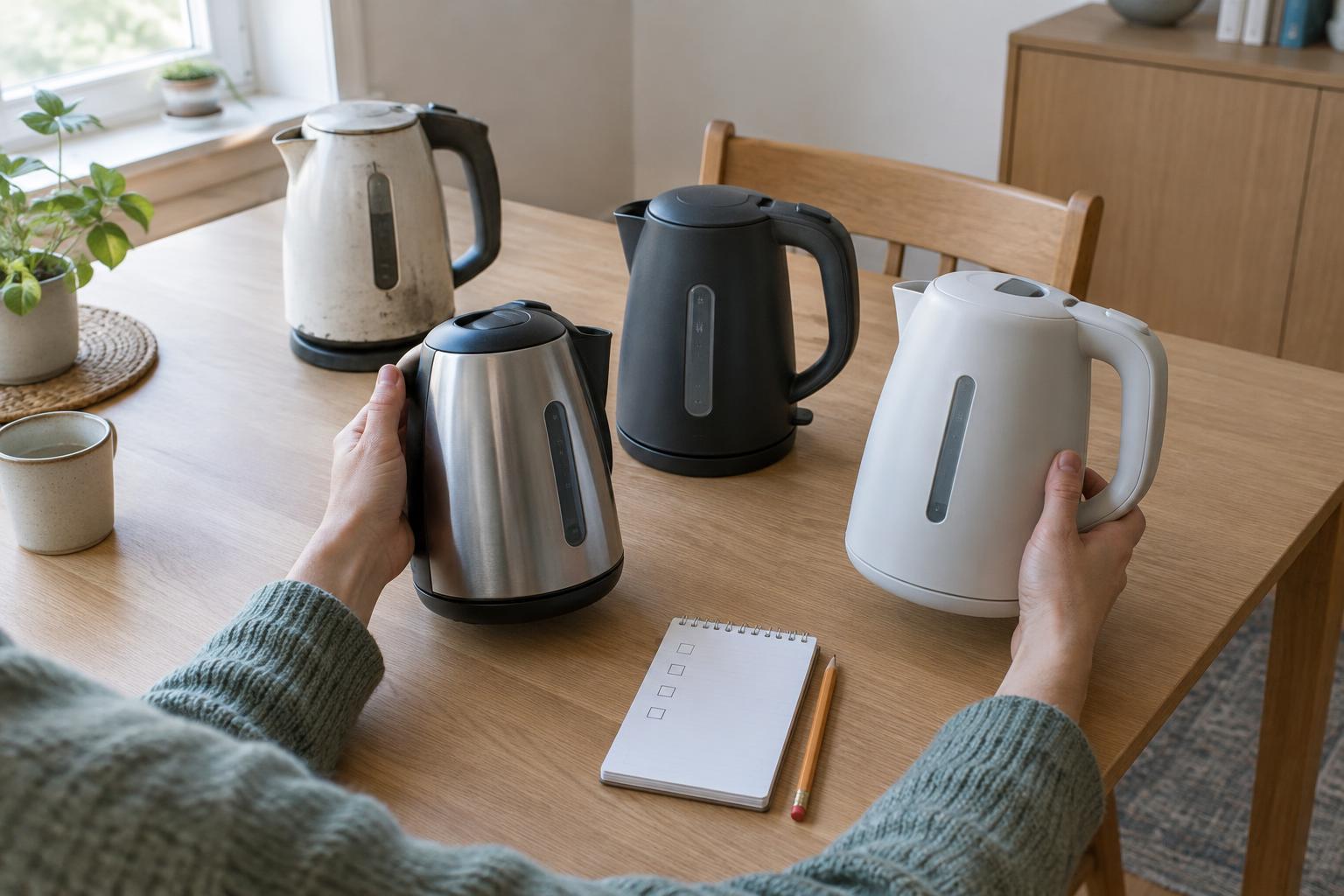
Compare the options, including buying nothing
Cost per use works best as a comparison tool. Once you have identified a real need, compare a few workable ways to meet it: repairing what you own, borrowing, buying secondhand or buying new. Consider fit, durability and ease of care as well as price. A lower-priced item is not necessarily the better choice if it cannot do the job reliably; a more expensive item is not necessarily better because you can imagine using it for years.
Give the no-purchase option a fair hearing. You might be able to wait until a worn item actually needs replacing, or use a versatile item you already have. If you do buy, choose for the use you can reasonably expect, not for every possible future scenario. This helps keep “it could last forever” from becoming a reason to bring home something you will rarely reach for.
Make the decision, then learn from it
A simple pause can keep the calculation grounded. Write down what you need the item to do, how often you expect to use it, what it would replace and what care it requires. If you are still unsure, step away from the listing or shop and revisit the decision after you have had time to consider it. The aim is not to make every purchase feel difficult; it is to give yourself room to notice when the appeal of buying is stronger than the need.
After a purchase, pay attention to whether your estimate was realistic without forcing yourself to use the item just to prove it worthwhile. If you reach for it often, you have learned something about your needs. If it sits unused, that is useful information too. Cost per use is most valuable when it helps you choose what serves your everyday life, not when it helps you win an argument with yourself at checkout.