Start with the job, not the product
Shopping often begins with a search for a product: a new kettle, a winter coat, a storage shelf. Before opening listings or visiting a store, describe the job the item needs to do. “Boil enough water for two mugs each morning” is more useful than “find the best kettle.” It gives you a way to judge options without being pulled toward features you may never use.
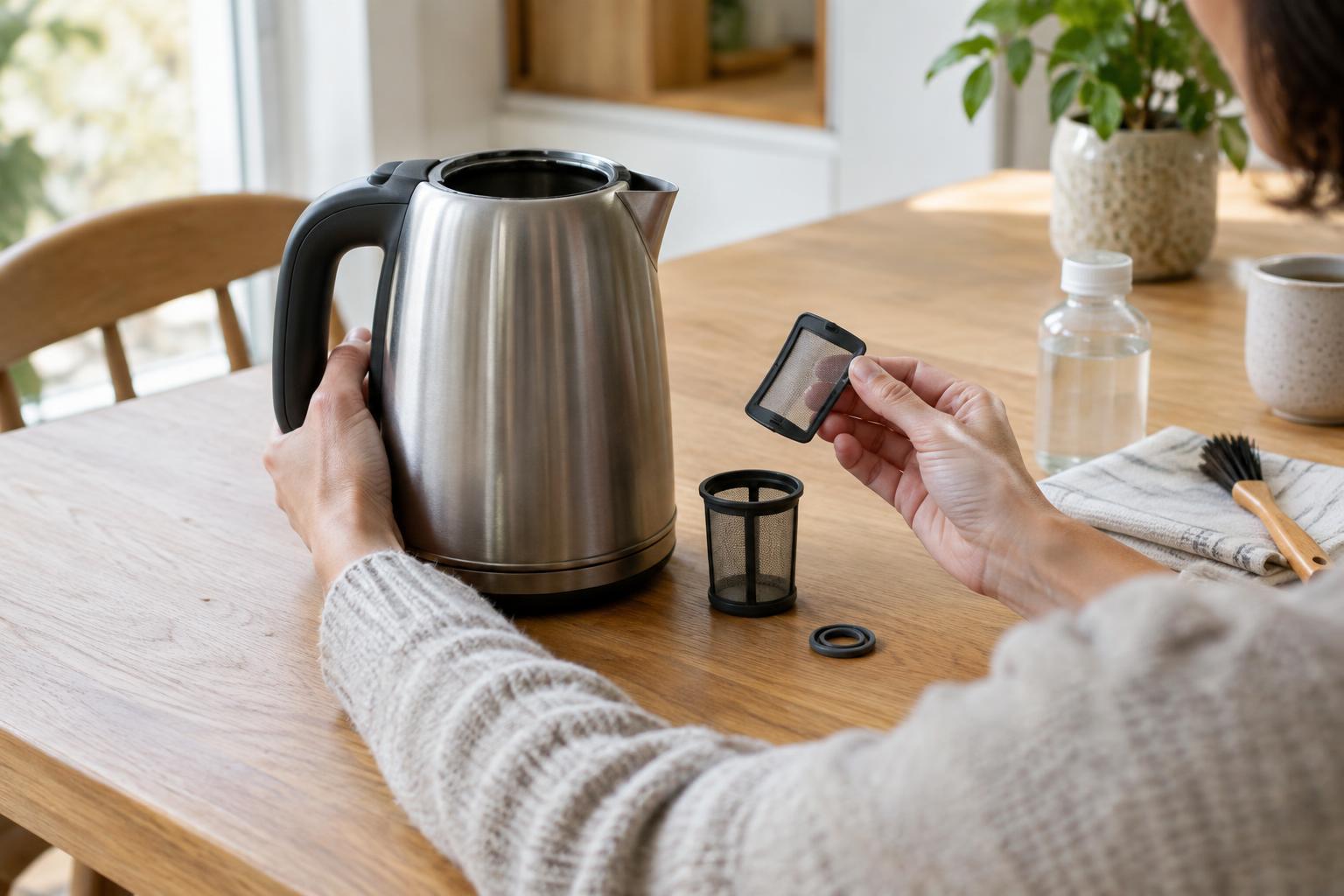
Check whether that job is already covered. Could an existing item be cleaned, repaired or used differently? Could you borrow something for an occasional task? This check is not a rule against buying. It helps you avoid bringing home a second object when the first one still works. If a purchase would genuinely make daily life easier, write down where and how you expect to use it.
Keep the must-have list short
Choose two to four requirements that an option must meet. For a coat, those might be a comfortable fit over your usual layers, protection from the weather you regularly face, and care instructions you can realistically follow. For a shelf, they might be dimensions that fit the space, enough capacity for the items going on it, and a way to assemble it with tools you have.
Make each requirement specific enough to check. “Good quality” is hard to test on its own; “fasteners that can be tightened” or “a fabric that can be washed at home” gives you something to inspect. Avoid turning every appealing detail into a must-have. A long list can make it harder to recognize an item that meets your needs without adding much value to your home.
Separate preferences from deal-breakers
Put nice-to-haves on a second list. Color, finish, extra settings or a particular brand may matter to you, but they do not always deserve the same weight as fit, function or ease of care. If a preference is important because you will see or handle the item every day, keep it. The point is to decide its importance before an attractive product page decides for you.
Set boundaries for the purchase, too: what you are comfortable spending, how much space the item can occupy, and how much upkeep you are willing to do. Think about the whole period you expect to use it, not only the day you bring it home. A less expensive object that is awkward to maintain may be a poor match; a feature-rich one that exceeds your needs may be no better.
Compare a few options against the same list
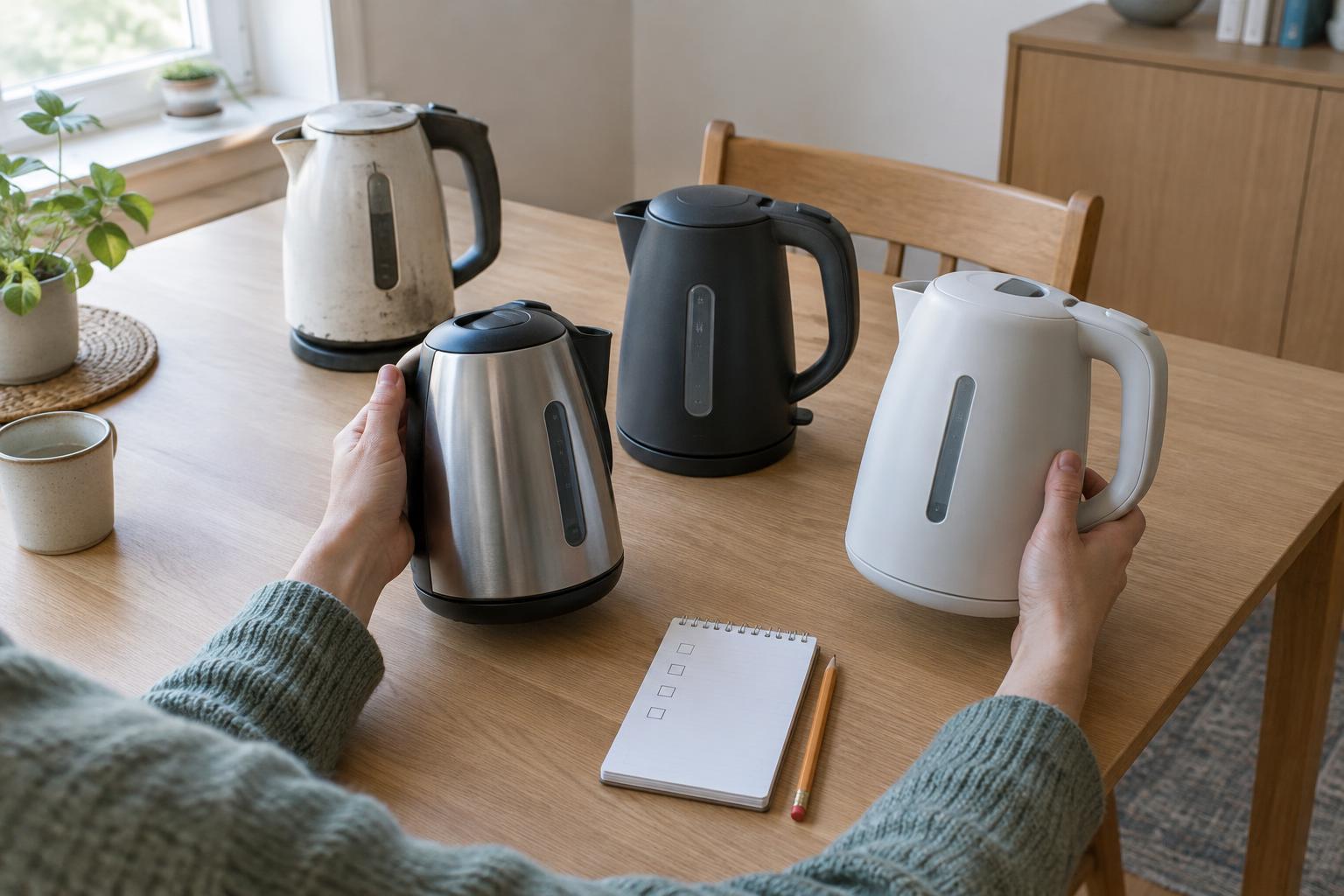
Once the list is ready, compare a manageable number of candidates. Include secondhand options when their condition and availability make sense for the item. For each candidate, check the must-haves first. If it fails a genuine requirement, set it aside rather than trying to justify it because it is discounted or looks appealing. Use preferences only to choose among options that pass.
Look for practical signs of how an item will fit into your routine: clear dimensions, accessible parts, straightforward cleaning instructions and materials suited to the intended use. When buying secondhand, inspect what you can and account for any repair or cleaning you would need to do. If essential information is missing, ask for it or keep looking. You do not need to compare every product on the market to make a considered choice.
Leave room to change your mind
If nothing meets the list, pause. A requirement may need clarifying, your budget or space limits may rule out the current options, or you may simply need more time. Do not remove a must-have only to finish shopping. On the other hand, if several items meet your needs, you can choose one and stop searching rather than treating every possible alternative as a missed opportunity.
Keep the list until you have used the purchase for a while. It can help you notice whether your original requirements matched real life and make your next decision easier. Thoughtful shopping is not about finding a perfect object. It is about choosing something that earns its place, can be cared for, and does the job you needed it to do.