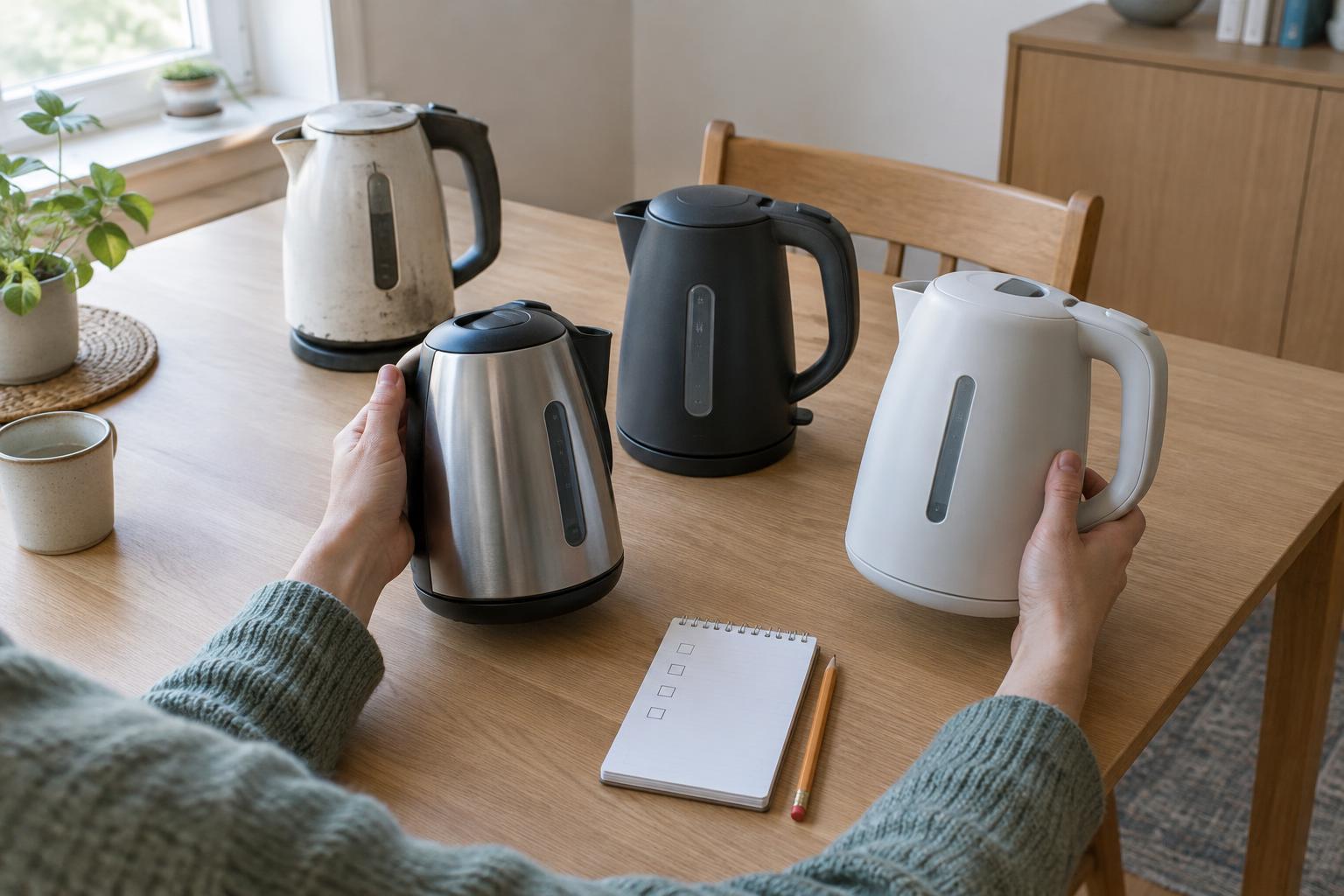
Start with the job, not the price tag
A cheap printer can become an expensive way to print a few pages. A sturdy vacuum may cost more upfront but need fewer bags or replacement parts. The useful question is not simply “Which item costs less today?” It is “What will it take to get this job done over the time I expect to use it?”
Before comparing products, define the job and how often you will do it. Note any limits that matter in your home, such as storage space, noise, cleaning time, or access to an outlet. Then consider whether you need to own the item at all. For something used once or twice a year, borrowing, renting, or buying secondhand may make more sense than purchasing a new version that spends most of its life in a cupboard.
Make a simple total-cost estimate
You do not need a spreadsheet to get a useful answer. Add the purchase price, the supplies you expect to use, likely running costs, and routine upkeep over a chosen period. Include delivery, accessories, or installation if they are necessary to use the item. If you can reasonably estimate repair costs, add those too. Subtract a possible resale value only if you are comfortable treating it as uncertain.
Choose the same period for every option, such as the next few years or an expected number of uses. For example, a reusable cleaning tool may need washable pads and occasional replacement parts, while a disposable alternative needs a new supply for every cleaning session. Estimating how many times you will clean in that period makes the comparison clearer. If the numbers are uncertain, try a low and high estimate rather than pretending you can predict an exact total.
Count supplies and running costs you might overlook
Some purchases depend on a steady stream of other purchases. Think about ink, filters, batteries, vacuum bags, specialty cleaners, blades, or proprietary refills. Check what comes in the box and what you will have to replace. A product that accepts commonly available supplies may give you more flexibility than one tied to a single refill type. Also ask whether you already own compatible supplies; buying another system can leave usable materials stranded.
Running costs matter most for items you use often. Electricity, water, detergent, and drying time can all be part of the picture, depending on the product. Compare realistic use in your household rather than relying on an ideal scenario: a device left on standby or an appliance run half-full may cost more to use than expected. If you cannot estimate a cost confidently, write it down as a question to check before buying instead of leaving it out entirely.
Allow for upkeep, repairs, and lifespan
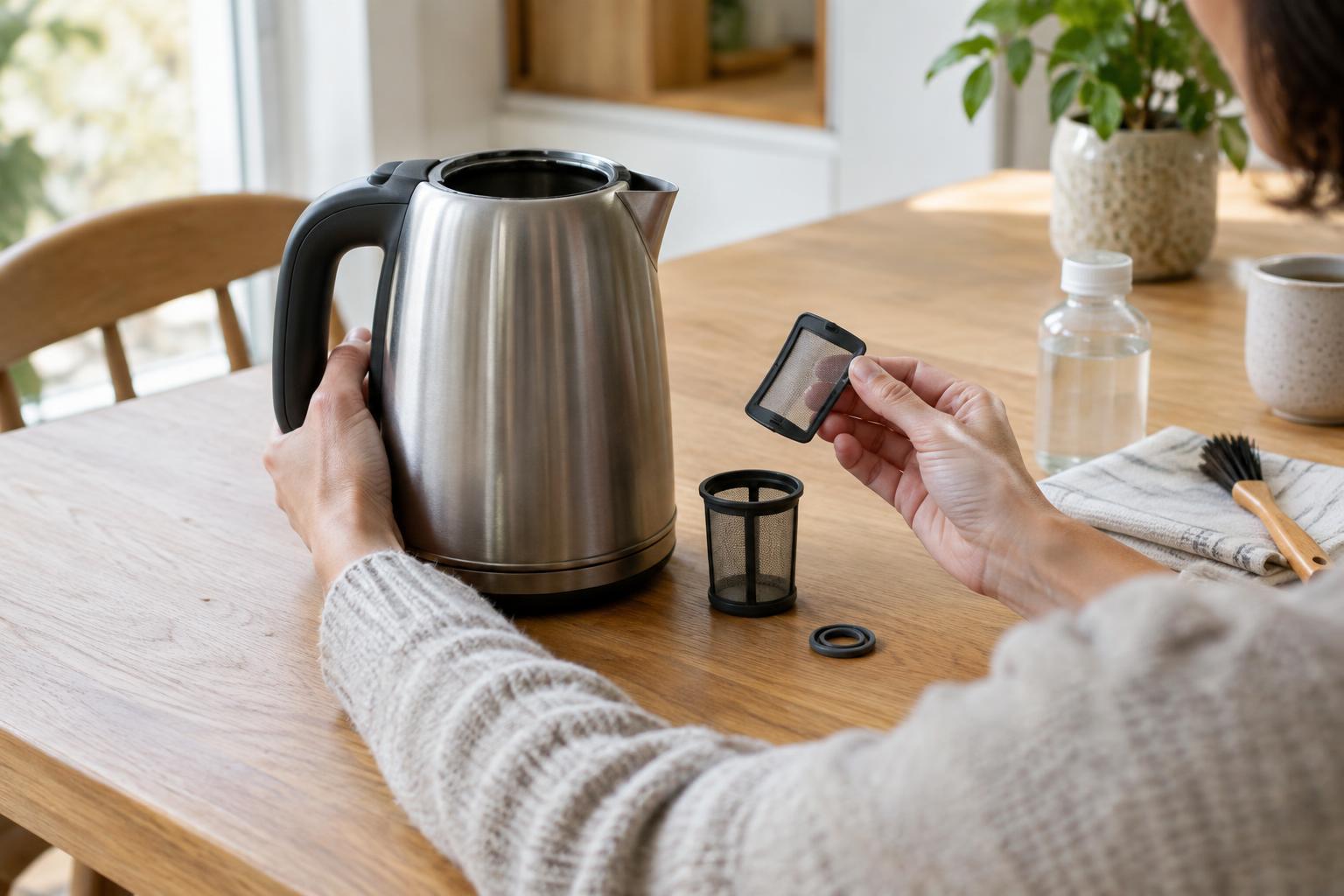
Ownership also takes time. An item may need cleaning, descaling, sharpening, charging, or careful storage to keep working well. Those tasks are not necessarily reasons to avoid it, but they should fit your routine. A durable object that you will not maintain may be less useful to you than a simpler one you can easily care for.
Look for signs that an item can stay in use: replaceable wear parts, accessible fasteners, clear care instructions, and parts you can obtain without replacing the whole product. For a secondhand purchase, inspect its condition and check that any essential accessories are included. No product’s lifespan is guaranteed, so compare plausible scenarios. If an inexpensive option would likely need replacing sooner, include the cost and inconvenience of that replacement in your estimate.
Use the estimate to buy less and choose better
Once you have a rough total for each option, check it against what you actually value. The lowest estimated cost may not be the best fit if an item is awkward to store, difficult to repair, or more capable than you need. On the other hand, paying extra for features you rarely use is unlikely to improve an everyday purchase. Favor the simplest option that reliably does the job and fits the way you live.
This method can also help you pause before replacing something you own. Compare the cost of a repair or fresh supplies with the full cost of a replacement, including its future upkeep. When an item still works, continuing to use it often avoids another purchase and the clutter that comes with it. A thoughtful buying decision is not a perfect prediction; it is a brief, honest look at what an object will ask of your money, time, space, and resources after it comes home.