Pause before adding something new
A shopping list can feel like proof that you need to buy something. Sometimes it is. But a need and a purchase are not quite the same thing. If you need a container for leftovers, a warm layer for a trip, or a way to organize a drawer, the first useful question is: What could I use from home?
Shopping your own home is not about making do with unsuitable things indefinitely. It is a quick check before spending money and bringing another object through the door. It works especially well for everyday categories that tend to collect duplicates: clothing, linens, stationery, cleaning supplies, tools, and kitchenware. Start with the job you need done rather than the exact product you had in mind. A jar may hold pantry staples; a tote you already own may serve the purpose of a new storage basket.
Search where the item would actually be
Give yourself a short, focused search instead of turning the whole house upside down. Check the place where you normally use the item, then one or two likely overflow spots. For a baking pan, that might mean the kitchen cabinets and a rarely opened shelf. For a raincoat, it might mean the coat closet and off-season clothing storage. If you share a home, ask before assuming an item is unused or available.
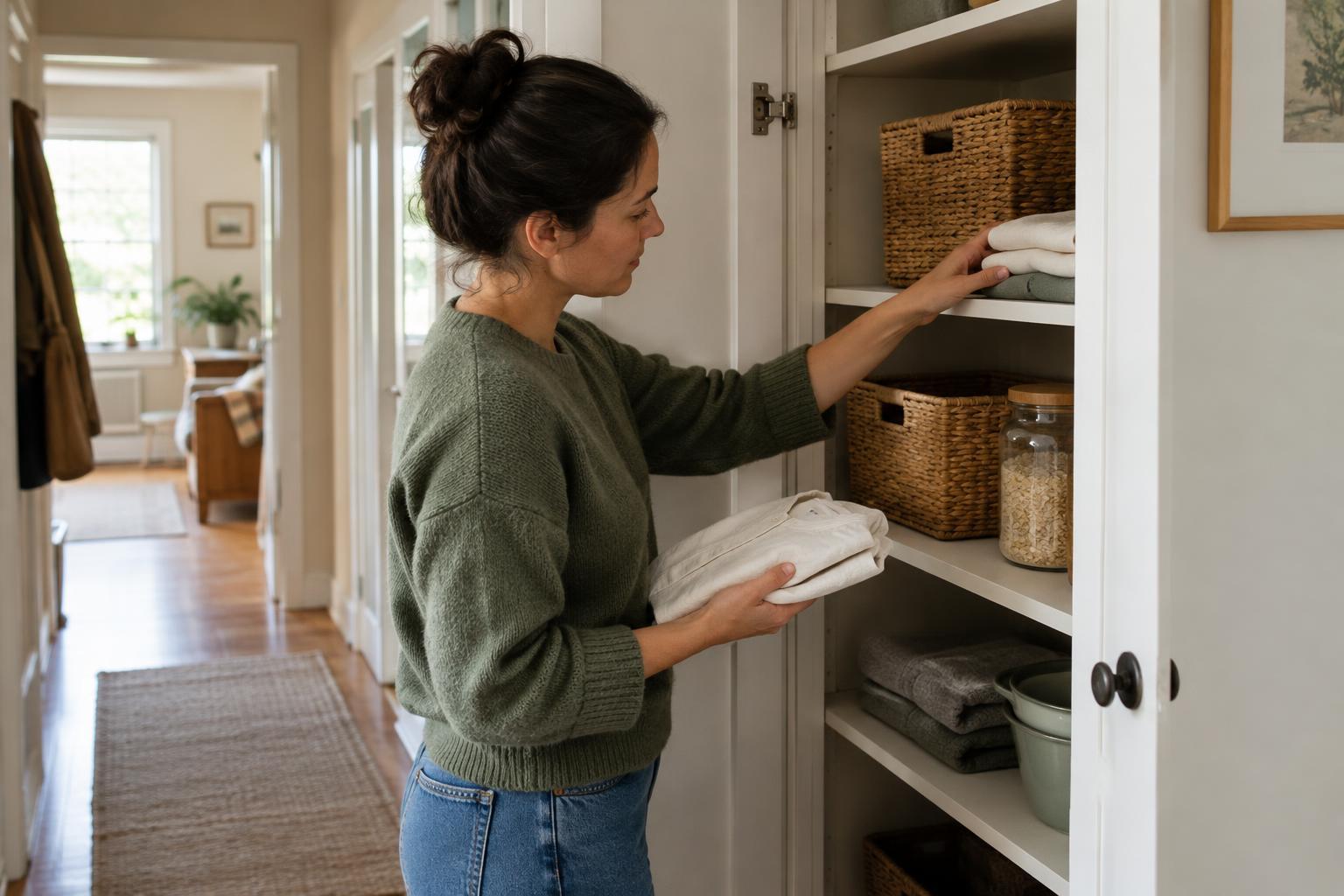
As you search, notice what you have but cannot easily reach. A useful object buried behind extras is almost as inconvenient as one you do not own. Bring frequently used things closer to where they are needed, and group similar items so you can see them together. You do not need a new organizing system to do this: clearing one shelf or giving spare supplies a single designated spot can make the next search much easier.
Put overlooked items to work
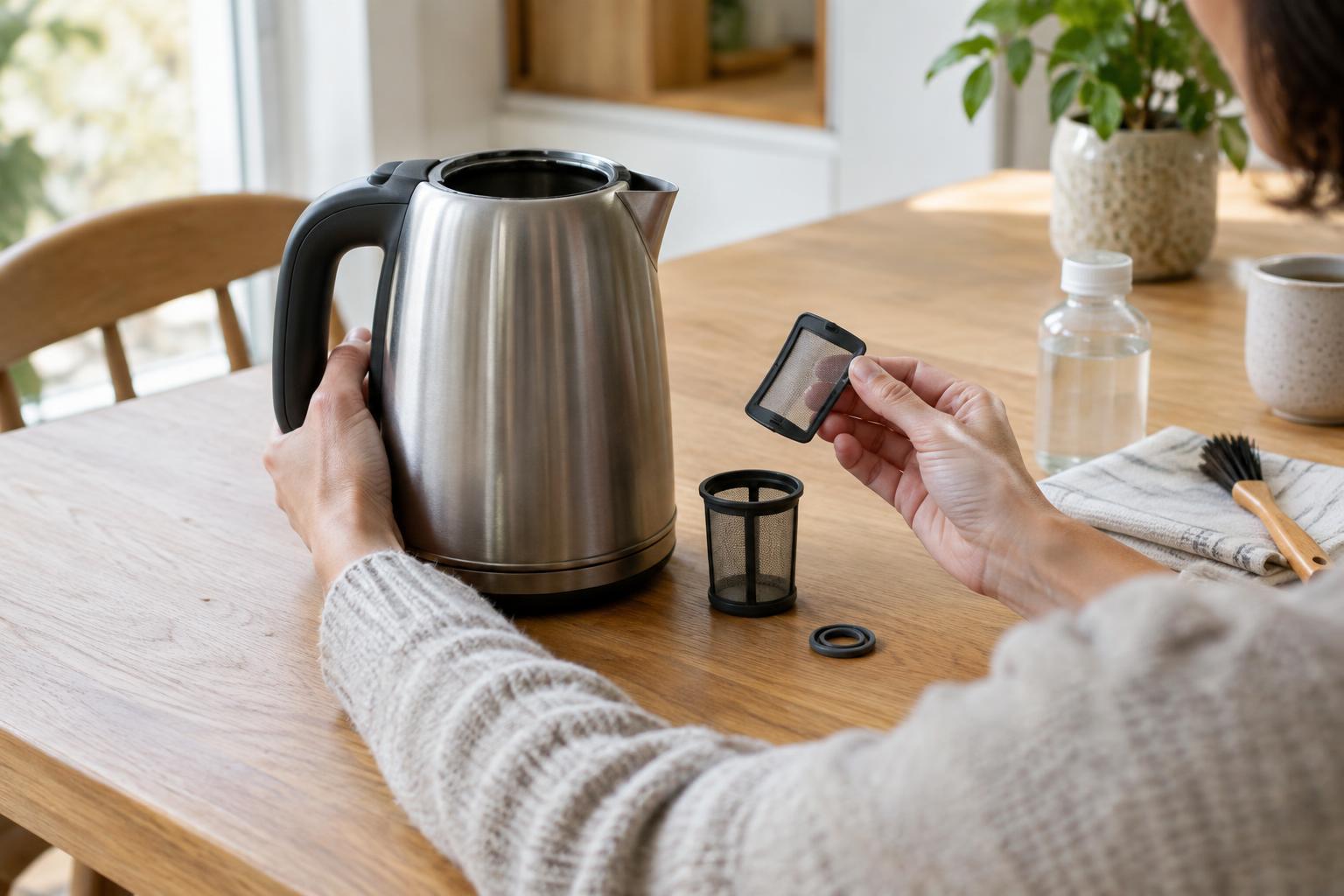
Finding something is only helpful if it can do the job. Check its condition and fit before relying on it. A charger may need the right connector; a jacket may no longer fit comfortably; a container may lack a usable lid. Set aside items that need a simple fix, such as sewing on a button or cleaning a tool, and decide when you will do it. If a repair is beyond your time or ability, it is fine to look for another solution.
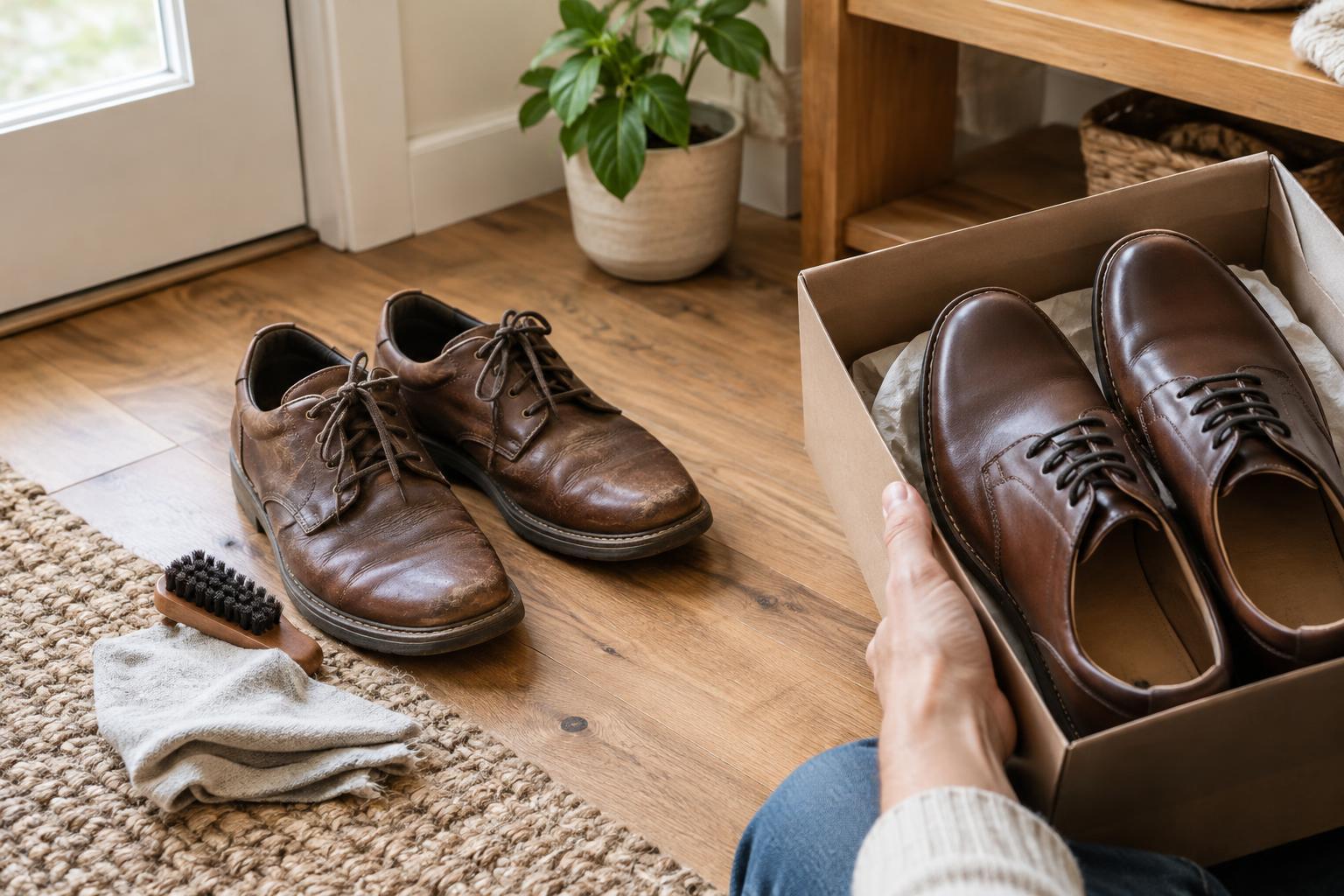
Try the item in its intended role before buying an upgrade. Wear the shoes on an ordinary day, use the spare notebook for a week, or rearrange a shelf with the boxes you have. A trial helps separate a real problem from the appeal of something new. It may also reveal a useful compromise: borrowing an item for a one-time task, replacing only a broken part, or buying one well-suited item instead of several hopeful substitutes.
Keep a list of gaps, not impulses
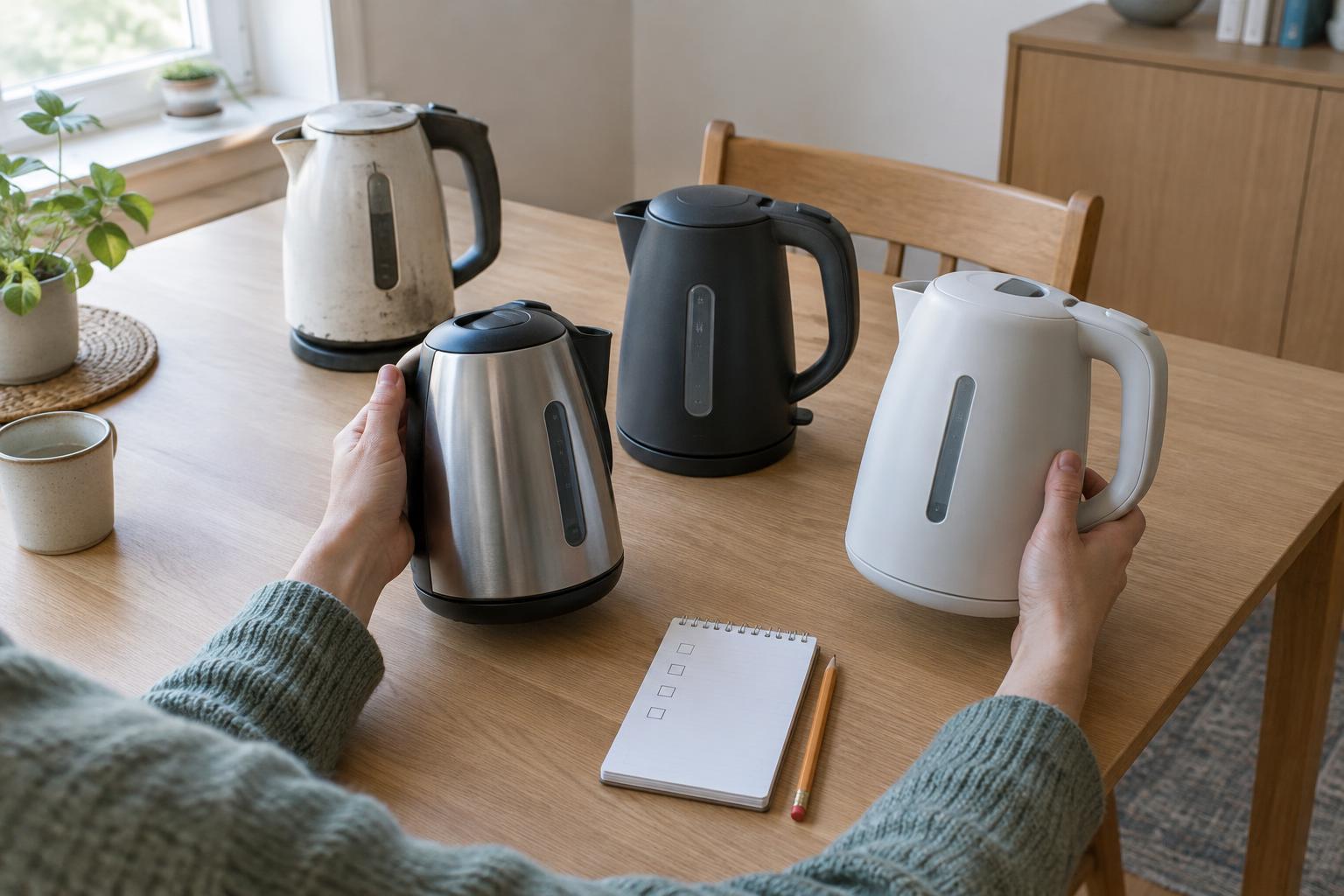
When your home-first search comes up short, write down what is missing and why the alternatives do not work. “Need a lamp that lights the reading chair” is more useful than “want a nicer lamp.” Include practical details such as size, compatibility, comfort, or how often you will use it. This makes it easier to recognize a suitable secondhand find or choose a durable new item without being distracted by features you do not need.
It also helps to keep a small note of things you repeatedly discover in the wrong place. You might find three rolls of tape after buying a fourth, or forget that spare towels are stored in a guest room. Move them to a predictable location or record where they live. The goal is not to inventory every possession. It is to reduce the small moments of uncertainty that lead to accidental duplicates.
Know when buying is the sensible choice
Using what you own should make daily life easier, not create frustration or unsafe workarounds. If an item is worn out, unsuitable, or needed often enough that borrowing becomes a burden, a purchase may be the sensible choice. Look for something that fits the task, can be cared for with reasonable effort, and has a place to live once you bring it home.
A home-first habit takes only a few minutes when you keep it modest: name the task, check likely locations, test a workable option, and buy only if a gap remains. Over time, that pause can help you use more of what you already have while making clearer decisions about what is worth adding.