Start with the item, not the store
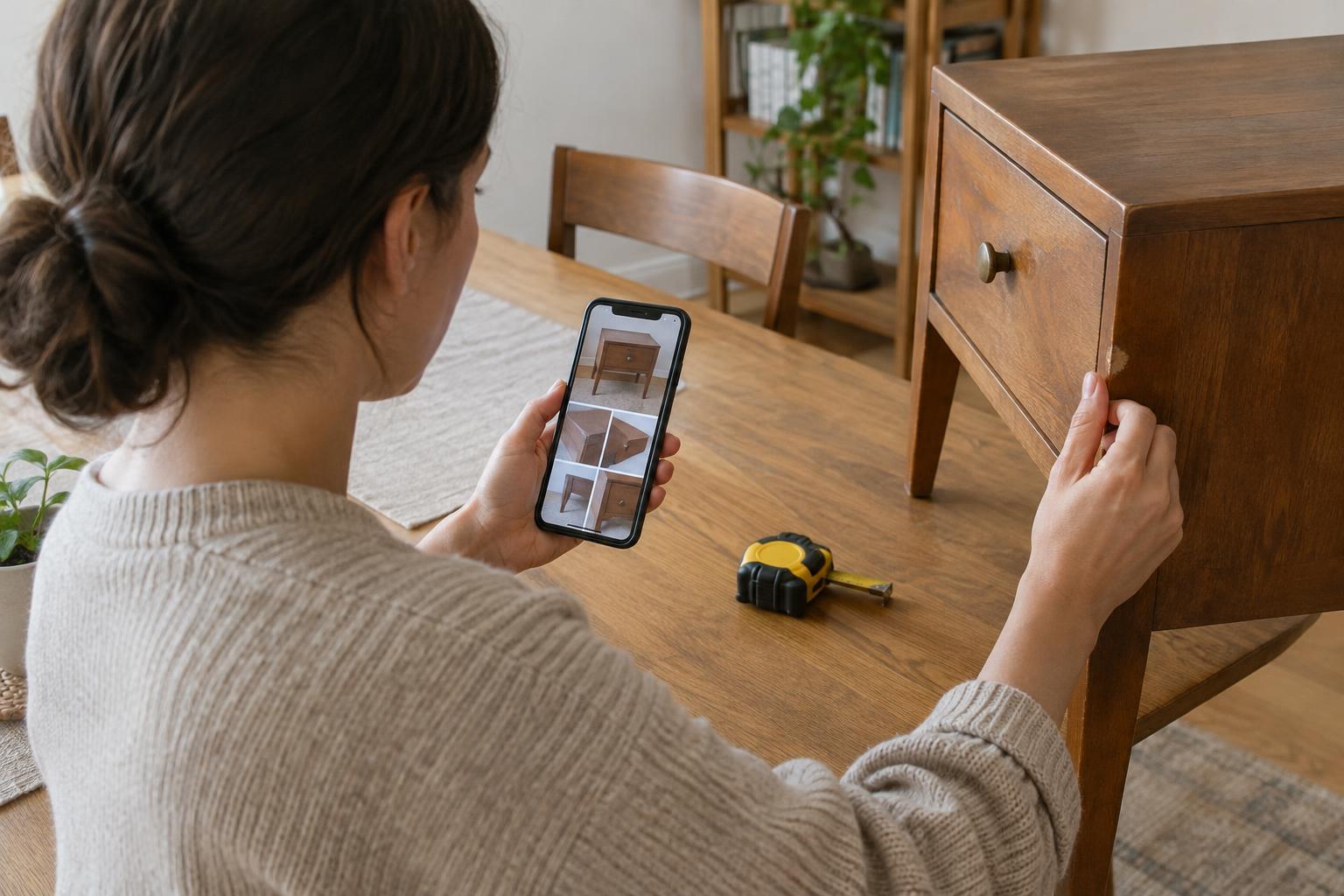
A secondhand find is useful only if it meets a real need. Before browsing, write down what the item must do, its approximate dimensions, and any features you cannot compromise on. For clothing, that might mean a fabric preference and measurements from a piece you already wear. For furniture, measure the space it will occupy, the doorway it must pass through, and the vehicle available to bring it home.
Different secondhand sources reward different kinds of searches. Thrift stores are good for flexible browsing and everyday goods. Consignment shops tend to have a more edited selection, especially for clothing and furnishings. Online marketplaces are useful when you need a particular size, style, or piece of furniture and can wait for a suitable listing. Knowing your priorities makes it easier to leave an almost-right item behind.
Use thrift stores for flexible, hands-on searches
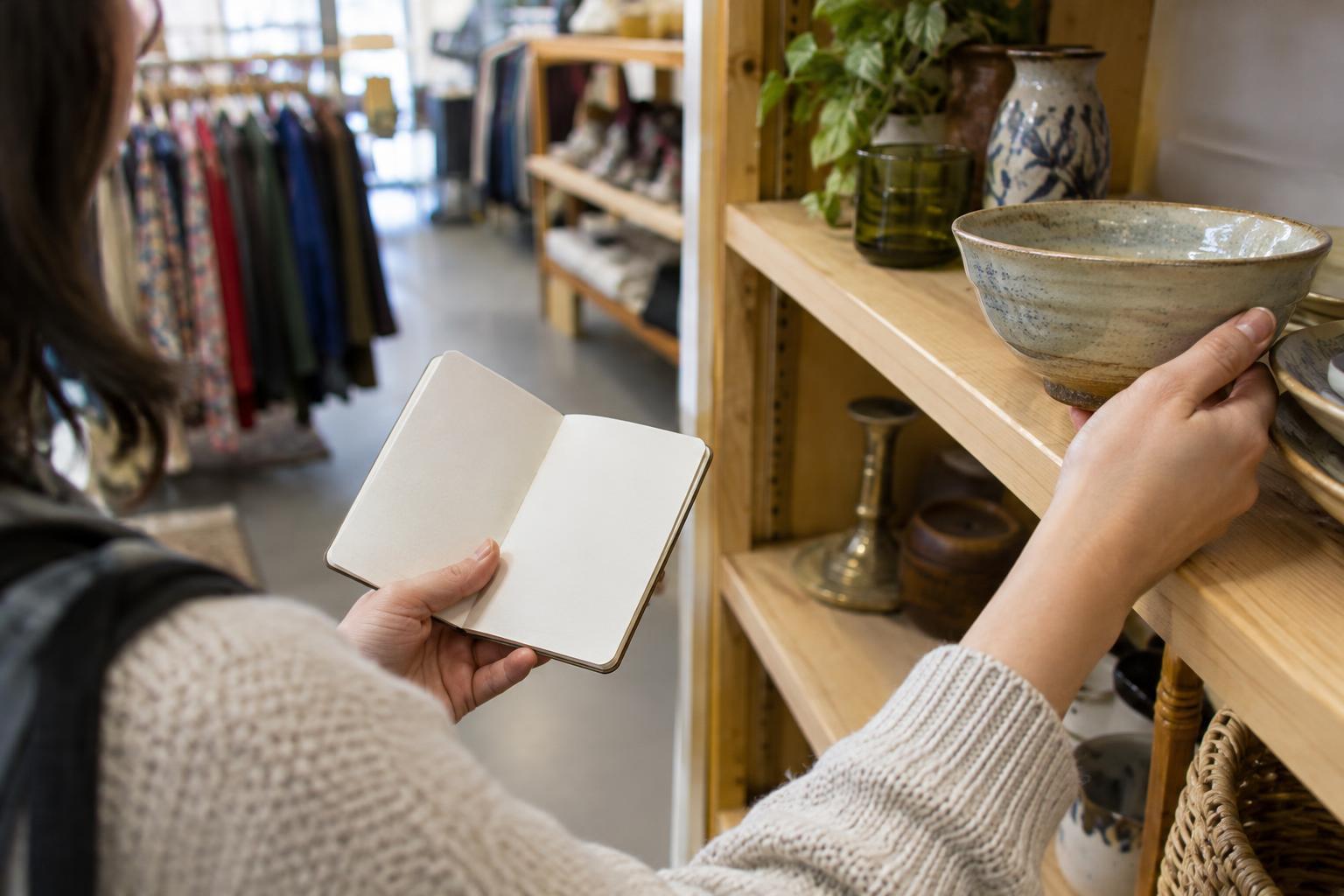
Try thrift stores when you can consider several acceptable options rather than one exact model. They can be useful for dishes, picture frames, baskets, books, simple tools, and casual clothing. You can handle an item, check its condition, and decide on the spot whether it fits your needs. Stock varies, so a short list of things to look for is more helpful than expecting one visit to solve every need.
Look closely before buying. Check dishes for chips and cracks, open drawers, test zippers, and inspect garments in good light for stains or thinning fabric. With lamps or small appliances, ask whether testing is possible; if it is not, decide whether the uncertainty is worth taking on. Also consider whether you can clean the item using methods appropriate to its materials. A low price does not make a damaged or hard-to-maintain object a useful purchase.
Try consignment for a narrower, edited selection
Consignment shops can be a good starting point for workwear, occasion clothing, coats, quality bags, or furniture when you want a smaller selection to sort through. An edited shop may make it easier to compare condition, fit, and construction, though its selection still depends on what people bring in. You may pay more than at a thrift store, so judge the item by how well it meets your needs rather than by the original brand or retail price.
For clothing, try pieces on when possible and move around in them. Check seams, lining, buttons, pockets, and areas that receive the most wear. If a piece needs alterations or cleaning, decide in advance whether you are willing to arrange that work. For furniture, check that doors and drawers operate smoothly and that the frame feels stable. Read the shop’s return terms before purchasing, particularly if you cannot fully test an item there.
Search online when specifications matter
Online marketplaces are often the most practical option for a specific item: a replacement shelf, a desk with a strict width limit, a particular coat size, or a table that must fit a small room. Search terms, saved searches, and location filters can narrow the hunt. Listings also give you a chance to ask questions before making a trip. Request dimensions, clear photos of wear, and details about any missing parts rather than relying on a brief description.
Online buying calls for extra care because photos can hide flaws and moving large items takes planning. Compare the listing with your measurements, confirm what is included, and calculate how you will transport it. For a local pickup, agree on the details ahead of time and choose an arrangement where you feel comfortable. Follow the platform’s guidance for communication and payment. If a seller cannot answer a basic condition question, it is reasonable to keep looking.
Make the find worth bringing home
A useful secondhand routine includes permission to leave empty-handed. Before committing, ask whether you would choose the item if it were not presented as a bargain. Think about its remaining life, the space it will take, and any cleaning, repair, or replacement parts it needs. Some projects are worthwhile; others become clutter because the work never happens.
For items where hygiene or safety is a concern, inspect especially carefully and decide whether secondhand is appropriate for your situation. When buying anything with a safety function, check the product information and condition rather than assuming it is suitable because it is available. Once you have found what you need, stop searching. The aim is not to collect the most finds, but to give useful things another life without adding unnecessary things to your own.