Start with the job the item needs to do
Before opening listings, write down what you need the item to do. A chair may need to fit under a particular desk; a coat may need room for a sweater; a bookcase may need to pass through a narrow doorway. Note the measurements, features and condition you can accept. This short list makes it easier to spot a useful find without being distracted by a low price or an appealing photo.
Read the full listing once for facts and once for gaps. Look for dimensions, materials, age if known, signs of wear, included parts and any stated faults. Words such as “good condition” are a starting point, not a substitute for detail: one person may consider a scratch minor while another would notice it every day. Distinguish between faults you can live with and those that would keep you from using the item.
Treat photos as evidence, not a complete inspection
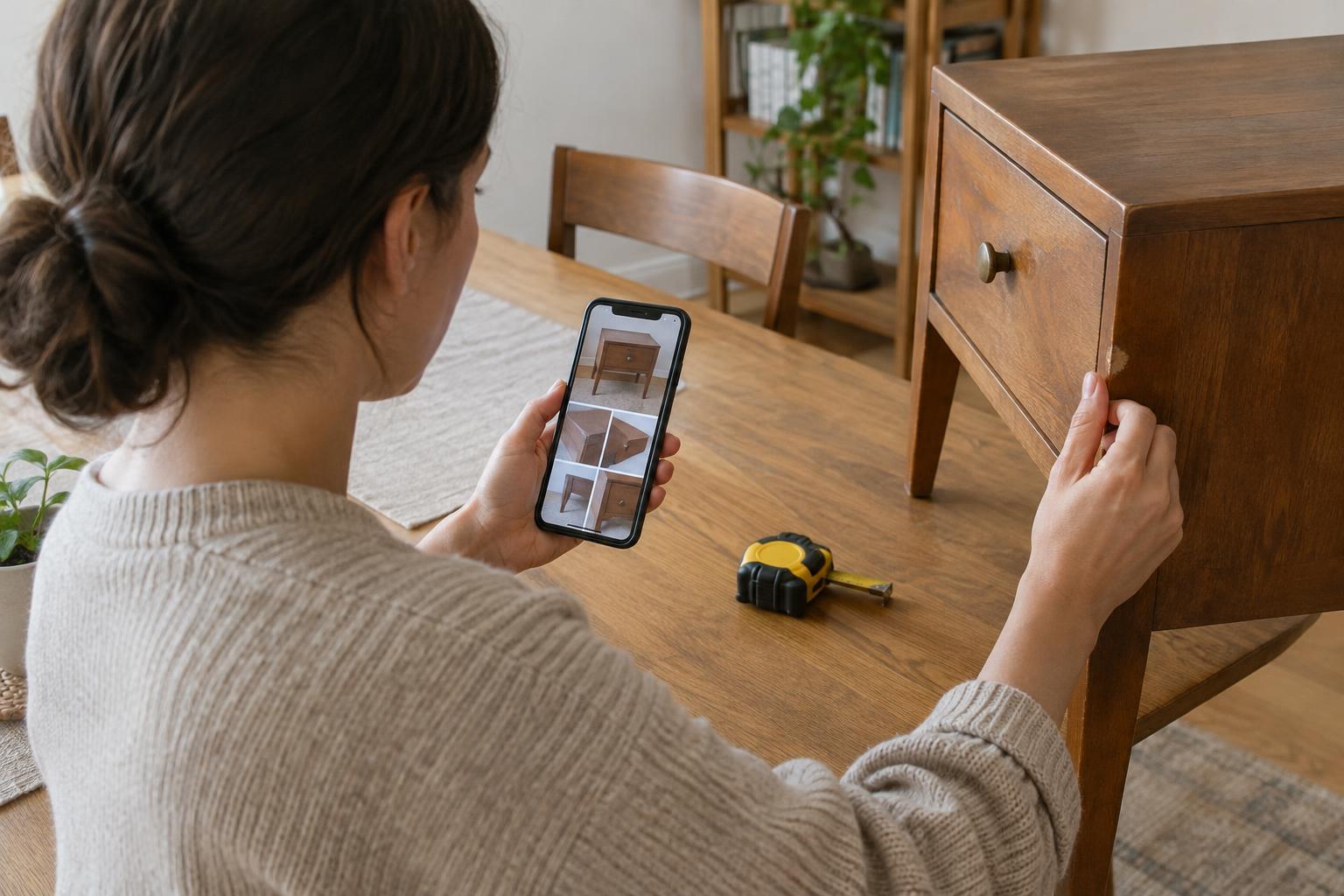
Photos can show shape, color and visible wear, but lighting and angles change how an item looks. Check whether the images include the whole object, close-ups of high-wear areas and any damage mentioned in the description. For clothing, look at cuffs, collars, seams and closures. For furniture, look at corners, legs, joints and surfaces that carry weight. A photo of only the most flattering side leaves useful questions unanswered.
Zoom in where possible, while remembering that a blurry image cannot confirm a surface is flawless. If color matters, ask whether the photos look accurate in ordinary daylight. If size matters, rely on measurements rather than judging scale from nearby objects. For an item with several pieces, compare the photos with the description so you know exactly what is included.
Ask questions that can change your decision
A useful message is brief and specific. Instead of asking “Is it in good shape?”, try “Are there any stains, tears or repairs not visible in the photos?” or “Do all the drawers open and close smoothly?” Ask for a measurement from a clearly defined point if the listed dimensions are missing or ambiguous. If you need a detail photo, name the area: the underside of a table, the sole of a shoe or the label showing fabric content.
Match your questions to the item. For clothing, ask about alterations, fabric wear and whether zippers or buttons work. For furniture, ask about wobble, odors, loose joints and whether it comes apart for transport. For electronics or appliances, ask what functions the seller has tested and whether essential cords or accessories are included. A seller may not know an item’s history, so focus on what they can observe or demonstrate rather than pressing for certainty they cannot provide.
Keep the exchange courteous and easy to answer. Group your most important questions in one message, and avoid requesting extensive extra work for a low-cost item. If a crucial question goes unanswered, treat that as missing information—not proof of a problem, but a reason to decide whether the risk is acceptable to you.
Plan for the true cost of bringing it home
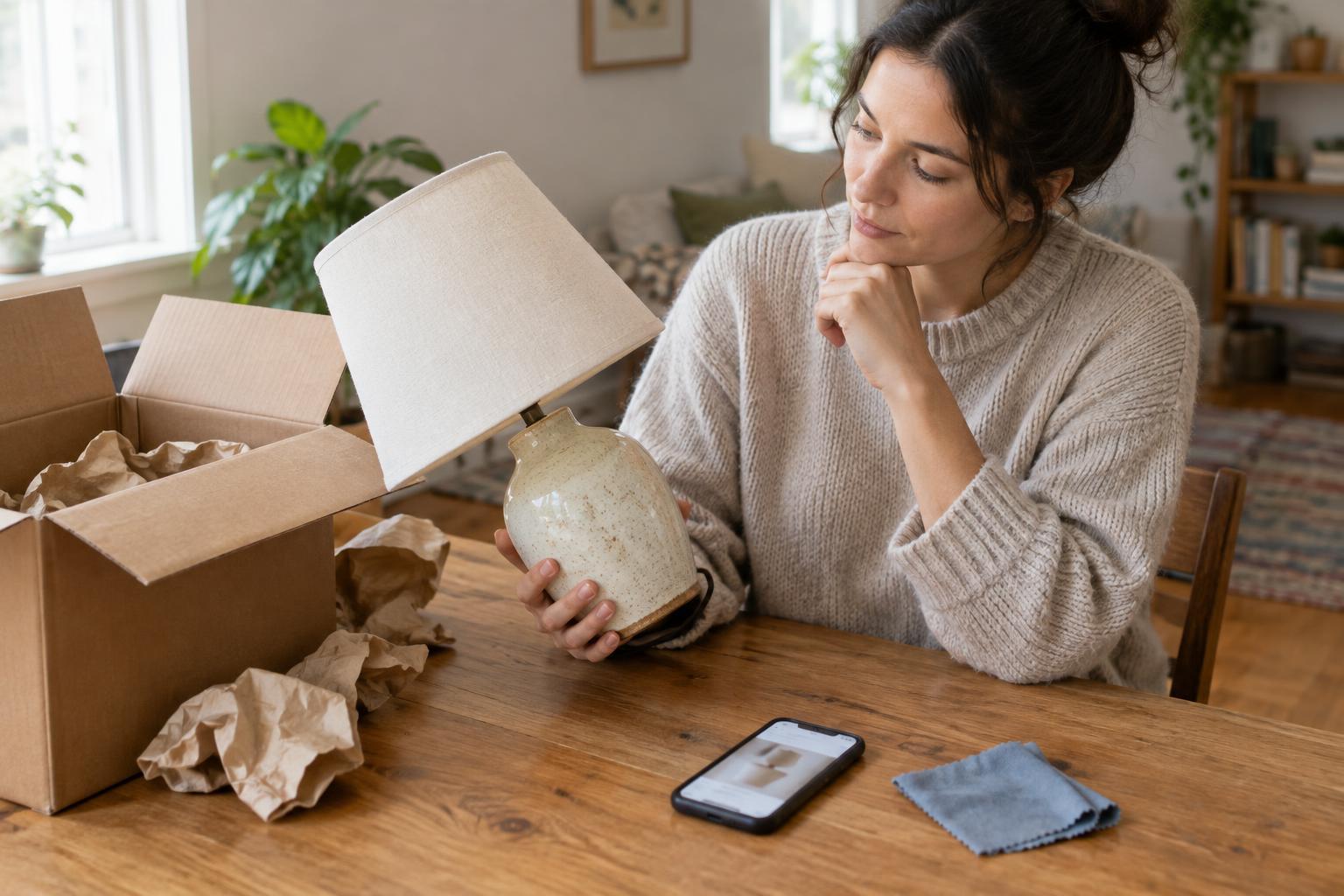
A secondhand find is only a good fit if you can collect it, clean it and use it. Check the pickup location, available times and whether you will need another person, a vehicle or tools to move it. Confirm whether a pictured item is assembled, whether all parts are present and whether you can inspect it before taking it away. For shipped items, clarify the total cost and how a fragile object will be packed.
Allow for ordinary upkeep, but be honest about your capacity. A missing button may be a manageable fix; an unfamiliar repair project may sit untouched. Consider cleaning requirements too, especially for upholstered goods or items with persistent odors. If the effort or added supplies would outweigh the benefit, waiting for a better match can reduce both clutter and waste.
Make a calm final check
Before committing, compare the listing with your original needs. Do the measurements work? Are the condition and any uncertainties acceptable? Can you bring the item home without creating a new problem? If possible, inspect it in person and test the features that matter to you. Agree on the price and collection details clearly, and use sensible precautions when arranging a pickup.
You do not need to find a perfect item or interrogate every seller. The aim is to learn enough to make a decision you will still feel good about after the excitement of the find fades. Clear questions help sellers give useful answers, and a willingness to pass helps secondhand shopping stay thoughtful rather than becoming another way to accumulate things.