Start with a need, not a bargain
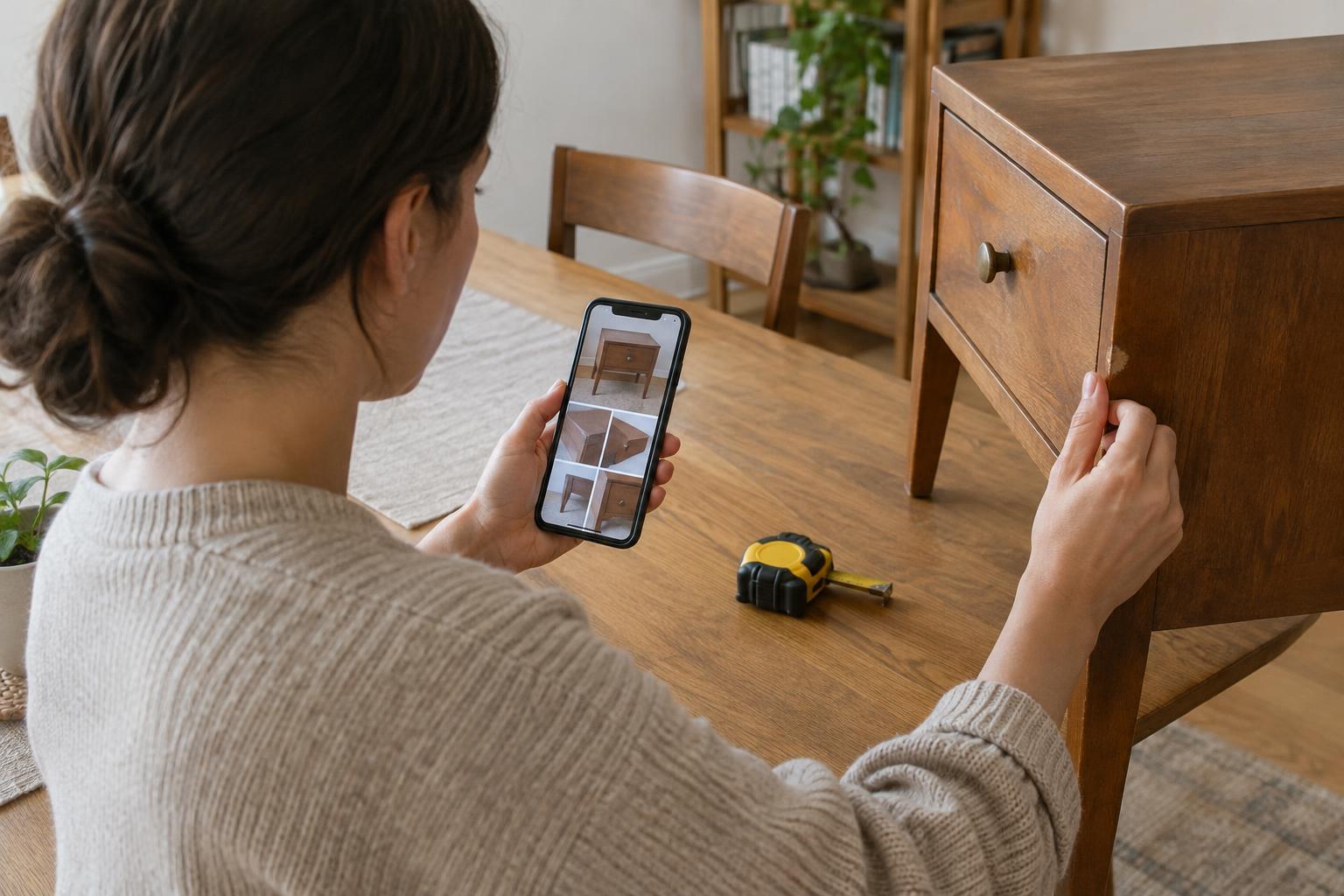
Secondhand shopping works best when you know what you need before you browse. A low price does not make an extra chair, jacket or kitchen gadget useful. Write down the item’s purpose, the space it must fit and the condition you can accept. For clothing, note your measurements and the garments you already wear often. For furniture, measure the room, doorway and route through the building before arranging a pickup.
Decide what you can realistically clean, mend or transport. A small repair may be worthwhile if you have the tools and time; a project you will put off can become another piece of clutter. Keep room in your budget for supplies, delivery or a missing part. If the total cost and effort no longer suit the need, leave the item behind.
Good candidates for buying used
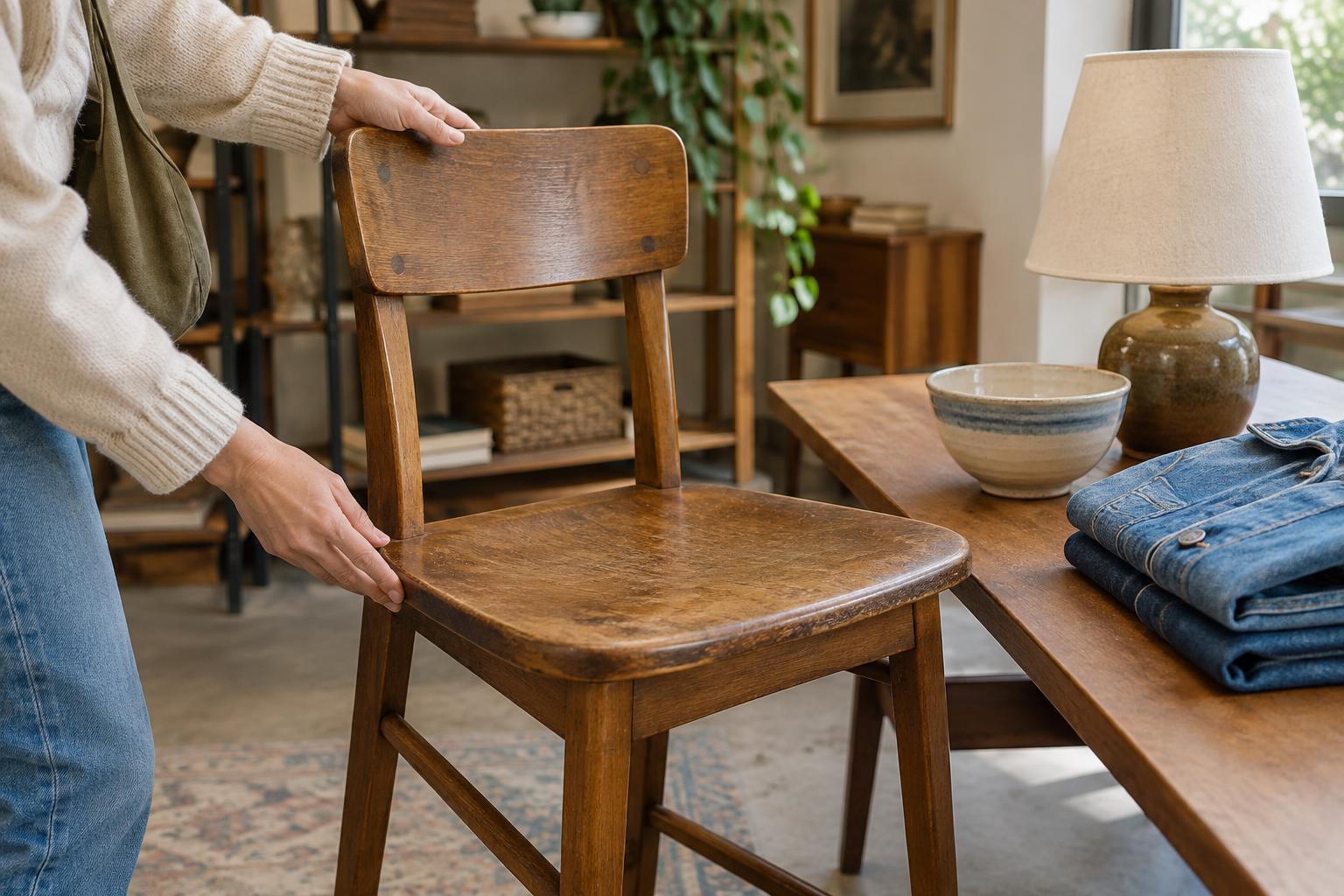
Solid furniture is often worth a look, especially tables, shelves and chairs with accessible joints and surfaces. Check whether a piece stands level, drawers move freely and fasteners feel secure. Scratches may be easy to live with or refinish, while a wobbling frame or strong musty smell can be harder to address. Look underneath and inside, not just at the side shown in a listing.
Books, dishes, glassware, picture frames and simple hand tools are other approachable categories because you can usually see how worn they are. Check dishes and glass for chips or cracks, and make sure tools have sound handles and moving parts that operate smoothly. Clothes can be excellent finds when the fit and fabric work for you: inspect seams, cuffs, underarms, zippers and any areas likely to rub. Favor pieces you can wear with what you own rather than buying for an imagined future wardrobe.
Some used electronics can be sensible purchases if you can test them, confirm that essential parts are included and understand how you would replace a battery or charger. If a seller cannot demonstrate that an item powers on or performs its main function, treat the purchase as a gamble rather than a bargain.
Items that call for extra caution
Pass on used items when you cannot judge their safety or cleanliness well enough for their intended use. Mattresses and heavily upholstered pieces can be difficult to inspect and clean thoroughly. Check any soft furnishings for odors, stains and signs of pests, including in seams and crevices. If you would be uncomfortable bringing an item home before a deep clean, consider whether that cleaning is actually possible.
Be especially careful with safety equipment. A bicycle helmet may have been damaged in an impact that left little visible evidence. A child car seat can have an unknown crash history, missing parts or instructions, or be unsuitable for a particular child or vehicle. When you cannot verify an item’s history and requirements, buying it used may not be the right choice. The same principle applies to anything whose failure could cause harm: uncertainty matters more than the discount.
Skip products with damaged cords, exposed wiring, leaking batteries or parts that get unusually hot during a test. Also be wary of items that rely on unavailable filters, cartridges or proprietary accessories. The purchase is only useful if you can operate and maintain it as intended.
Inspect, ask and plan the handoff
Read a listing closely, but do not rely on photos alone. Ask for dimensions, a description of flaws and pictures of labels, connections or high-wear areas when they matter. For a garment, ask about alterations or shrinkage; for furniture, ask whether it comes apart for transport. Agree on the price and what is included before traveling, and choose a pickup arrangement that feels comfortable.
At the handoff, take a minute to check the item against the description. Open drawers, look along seams, test switches where practical and account for detachable pieces. It is reasonable to decline if the condition differs substantially from what you expected. If you buy it, clean it using methods appropriate to its materials before putting it into daily use.
Make secondhand shopping part of a smaller household
The aim is not to buy everything used; it is to meet real needs without automatically buying new. Give yourself time to look, especially for common items that appear regularly. Waiting can help you find a better fit and avoid settling for something that needs more work than you want to do.
When you replace an item, decide what will happen to the old one. Repairing it, passing it on in usable condition or recycling it where suitable keeps the decision connected to the space and resources you have. A good secondhand find earns its place through regular use, not simply because it was cheap.