Start with an item you can identify
Secondhand shopping works best when you know exactly what you are considering. Before meeting a seller or accepting a hand-me-down, ask for a clear photo of the product label. Look for the manufacturer, model name or number, and any date or serial number. Those details help you find the correct instructions and distinguish the item from similar-looking versions. If a safety-critical product has no readable label, treat that as a reason to pass.
Ask whether the item has all its original parts and whether any replacements or repairs were made. A missing fastener, improvised strap or substituted mattress can matter more than a scuff on the frame. If possible, find the manufacturer’s instructions and compare the assembled item with them. Do not assume that a seller’s photo shows every component you will need.
Check recalls before money changes hands
Search an official product-recall database for your location using the brand and model details, then check the manufacturer’s recall information if available. In the United States, for example, general consumer products and car seats have different federal recall resources. Search terms alone can miss a notice if a product was sold under another name, so compare identifying numbers and photos when you find a possible match. Recall information is one check, not a guarantee that an unlisted item is safe.
Read the full notice rather than relying on a headline. It may specify affected production dates, a repair kit or another remedy. Do not use or pass along a recalled item until the required remedy has been completed as directed. If you cannot confirm whether the item is affected, pause the purchase and contact the manufacturer or the relevant product-safety authority. A bargain is not worth guessing about.
Give sleep and travel gear extra scrutiny
Products used for sleep deserve a particularly cautious approach because designs and safety requirements can change. Check the current guidance in your location before considering a used crib, bassinet or play yard. Avoid an item with missing hardware, damaged sides or a mattress that does not fit as specified by its manufacturer. Older drop-side cribs, inclined sleepers and added sleep accessories are especially poor candidates for an impulse buy. Do not try to make an unsuitable product work by adding cushions, padding or loose bedding.
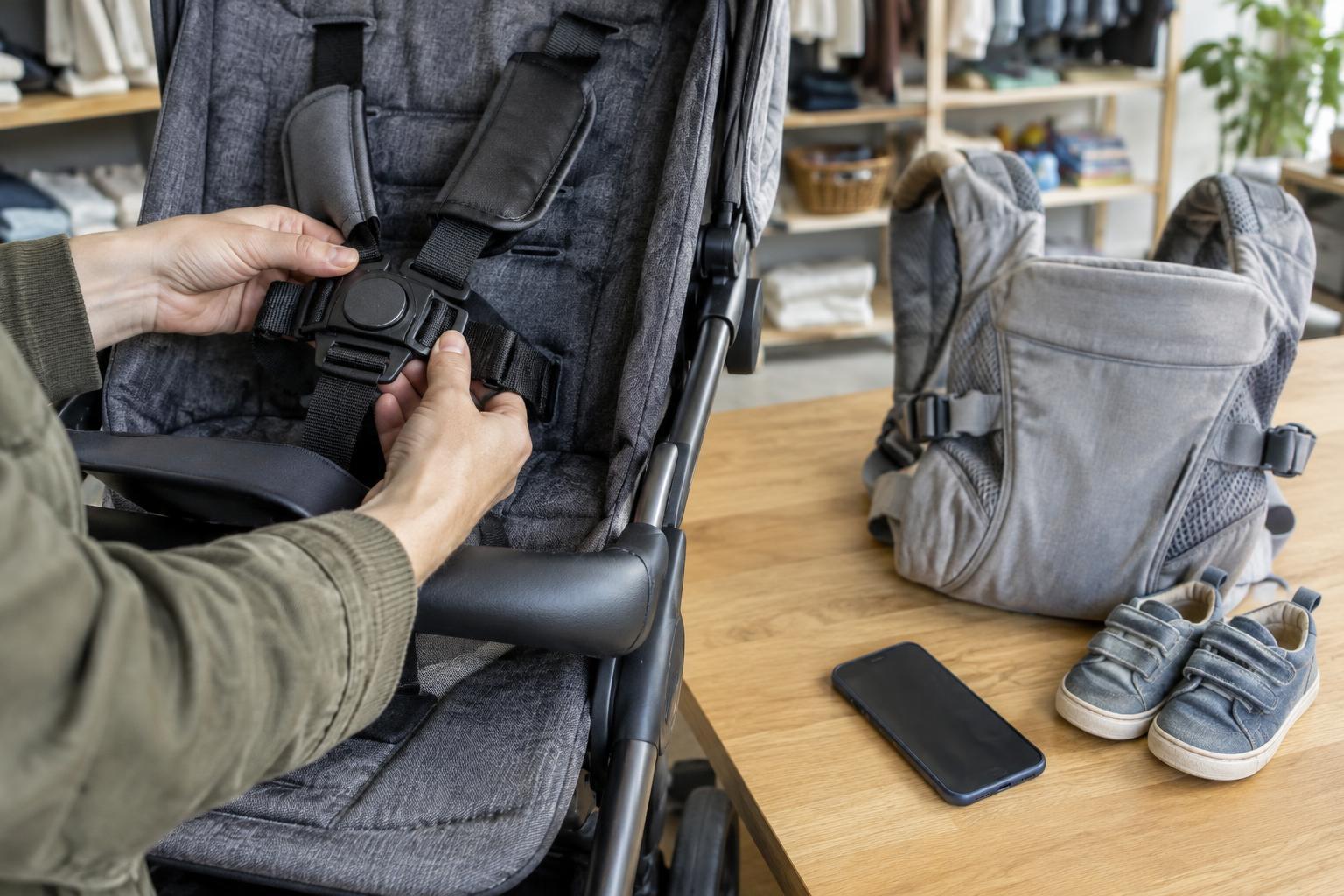
Car seats require a different set of checks from ordinary household goods. Their history matters: a seat may look sound even if it has been in a crash or stored improperly. Follow the seat maker’s instructions and local guidance on crash history, usable life, labels, recalls and replacement parts. If you cannot establish the seat’s full history and confirm that it is complete and appropriate for the child and vehicle, choose another option. The same caution applies to a used helmet when you cannot rule out a significant impact.
Inspect the item for the child who will use it
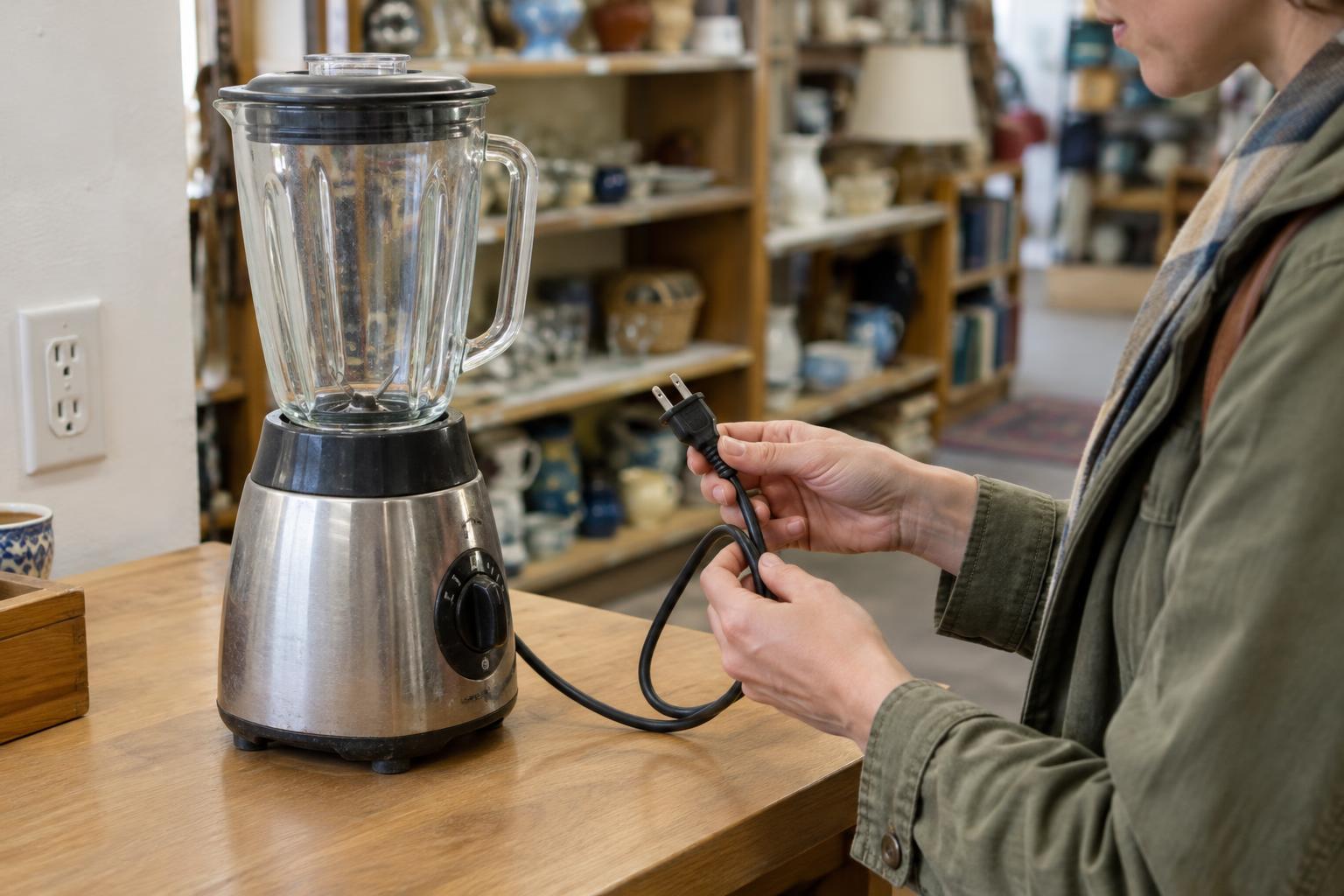
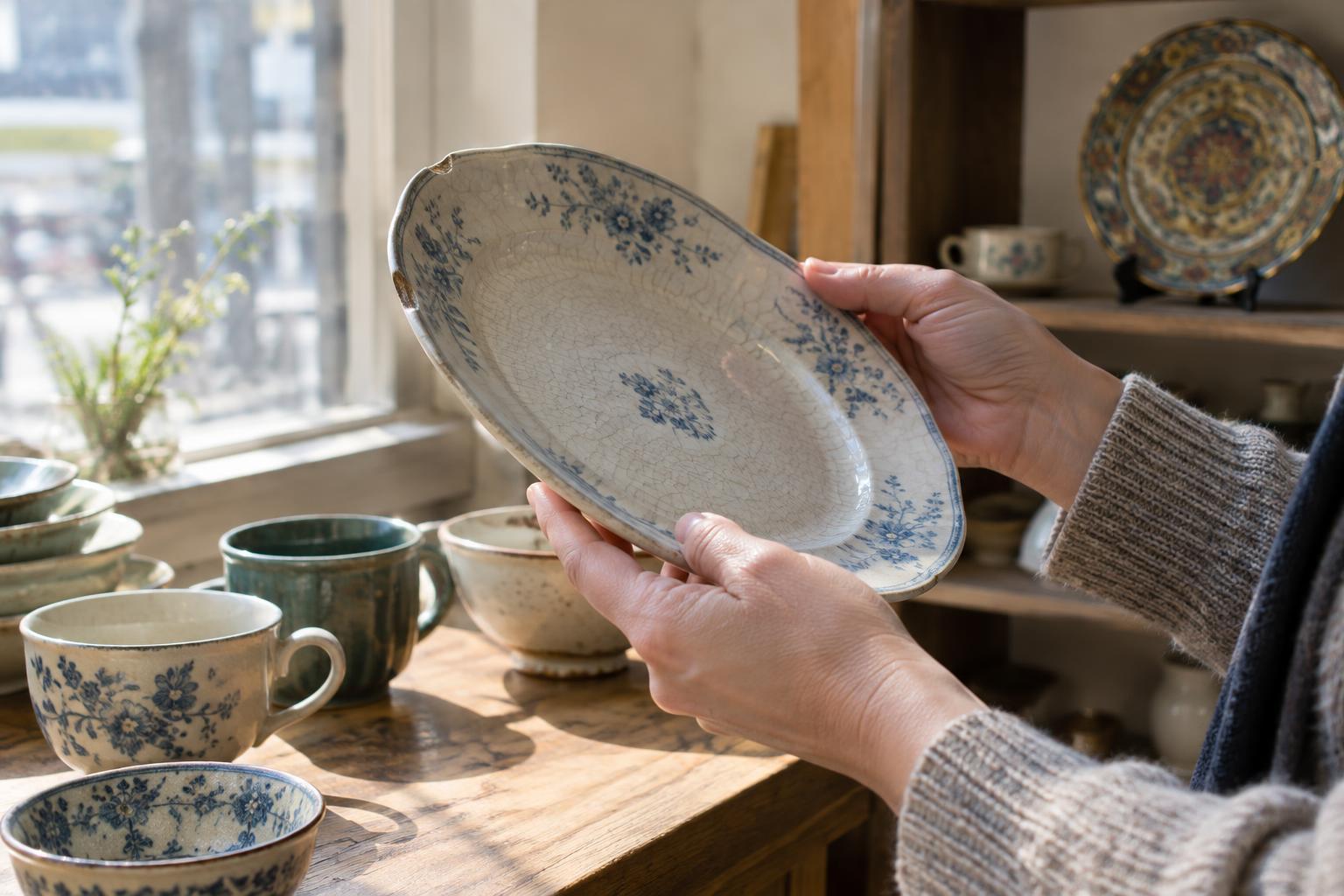
A hands-on inspection can reveal problems a listing cannot. Check for cracks, corrosion, frayed harnesses, loose joints, sharp edges and mechanisms that fail to latch. For toys, look for pieces that could detach, exposed button batteries, accessible strong magnets and cords or loops that could pose a hazard. Consider the age and habits of the child who will use the item; a toy that suits an older child may not belong where a younger sibling can reach it.
Test moving parts as the instructions describe, without modifying them. Check that cleaning will not damage labels or components, and follow the maker’s care directions where available. Cosmetic wear is often acceptable; uncertain structural integrity is not. If the seller cannot allow a reasonable inspection, be willing to leave the item behind.
Make passing on items part of thoughtful reuse
A short checklist can keep secondhand shopping deliberate: identify the exact product, check recalls, find the instructions, confirm all parts, inspect its condition and decide whether it suits your child’s age and use. Set aside time for those steps before arranging pickup. For items you will use only briefly, borrowing or buying used can be practical, but only when the checks are possible.
Apply the same standard when clearing out your own home. Keep labels and instructions with usable gear when you can, and tell the next owner about any replacement parts or repairs. Do not donate an item you know is recalled, incomplete or damaged; follow the recall remedy or your local disposal guidance instead. Thoughtful reuse means passing along something another family can assess and use with confidence, not simply keeping it out of the bin.