Start with the problem, not the price tag
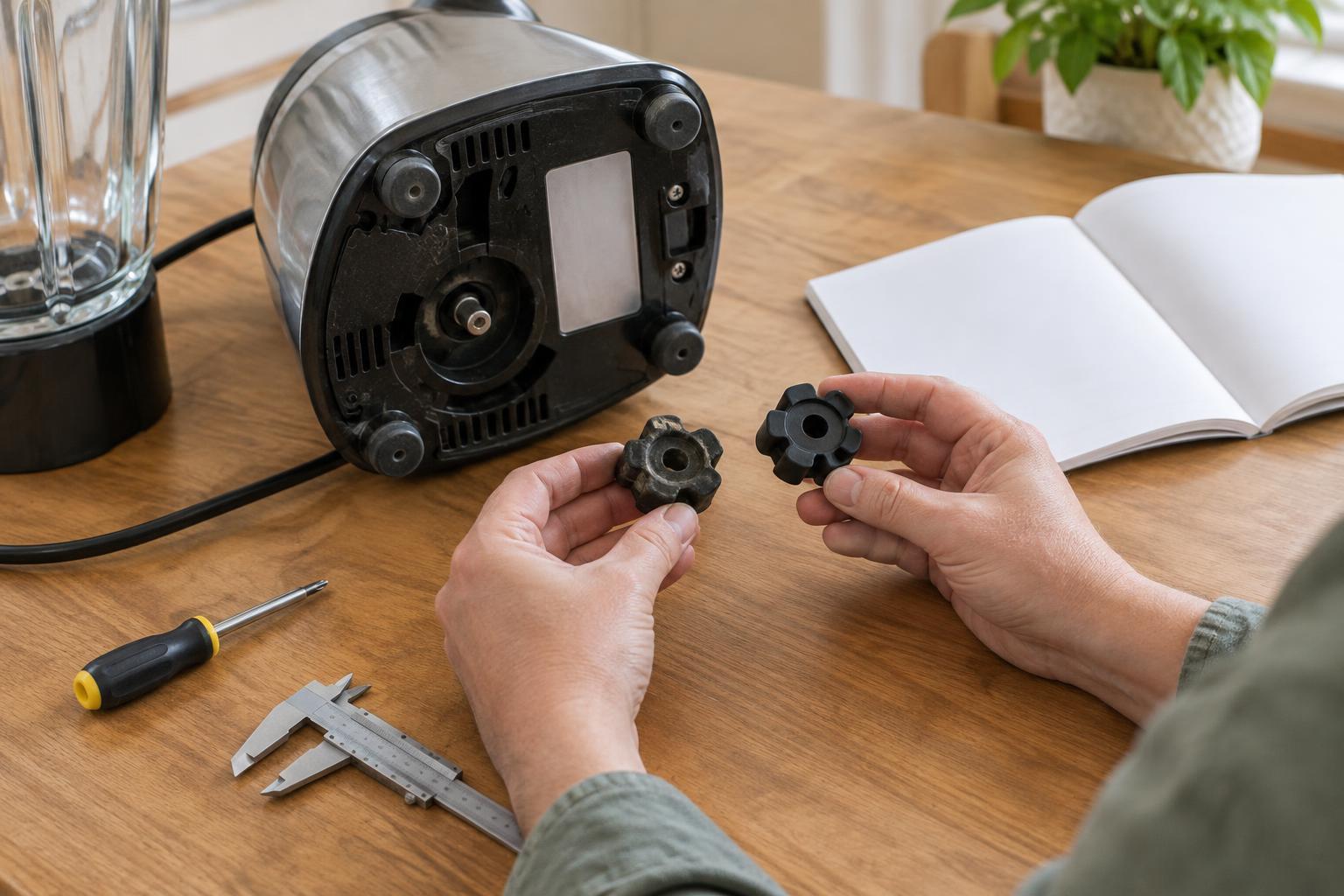
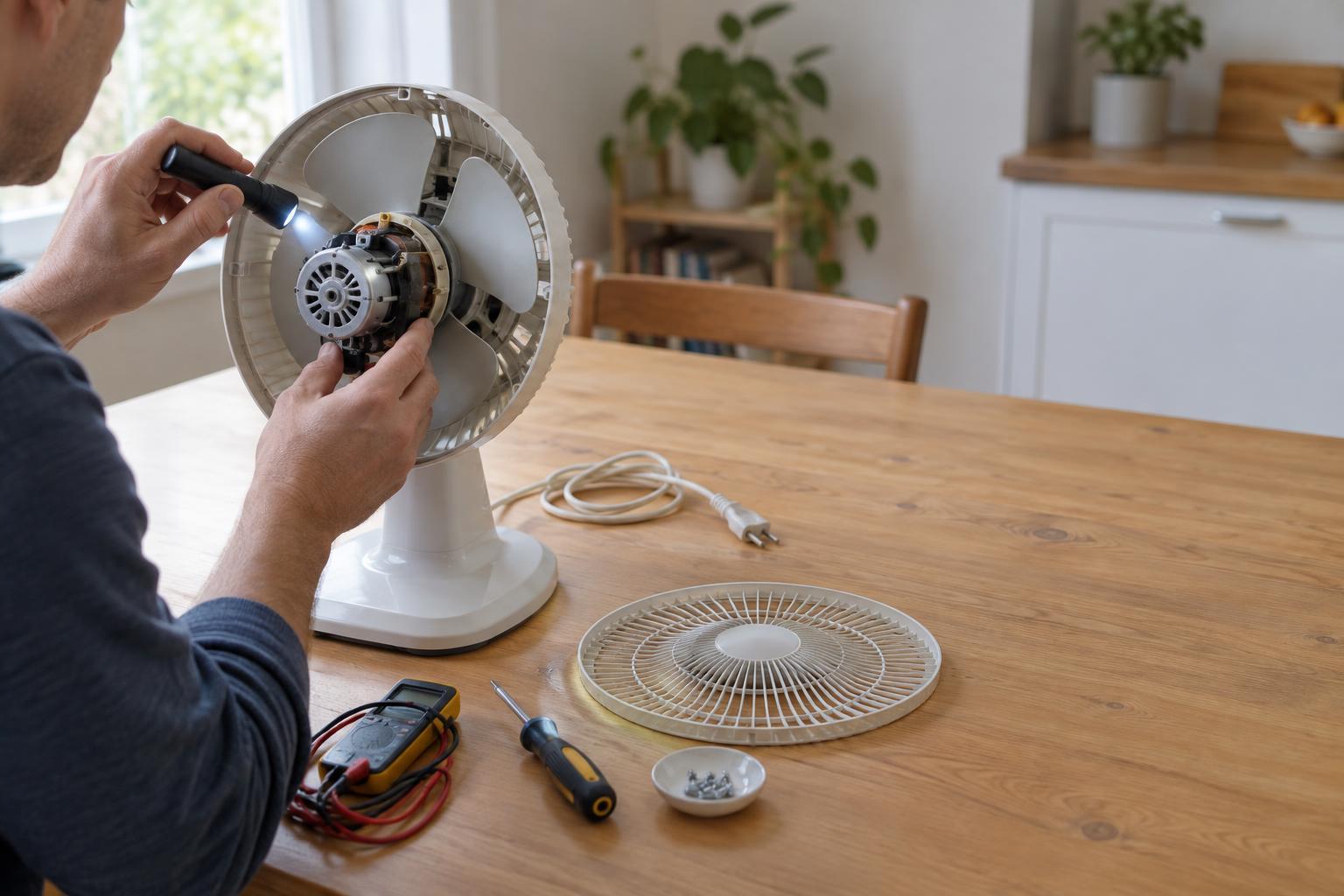
When something stops working, the quickest question is often, “What would a new one cost?” A better first question is, “What has actually failed?” A loose handle, torn seam, worn seal, or clogged filter is different from a motor that repeatedly overheats. Look for the cause, check the care instructions if you have them, and note whether the problem is isolated or part of a pattern.
Also ask whether the item still meets your needs. A sound repair may be worthwhile for a comfortable coat you wear often, even if a similar coat is easy to find. Fixing an appliance that is too small for your household may only postpone a purchase you already need to make. The goal is not to keep every possession indefinitely; it is to get useful life from things without creating more work or risk than they are worth.
Put safety ahead of savings
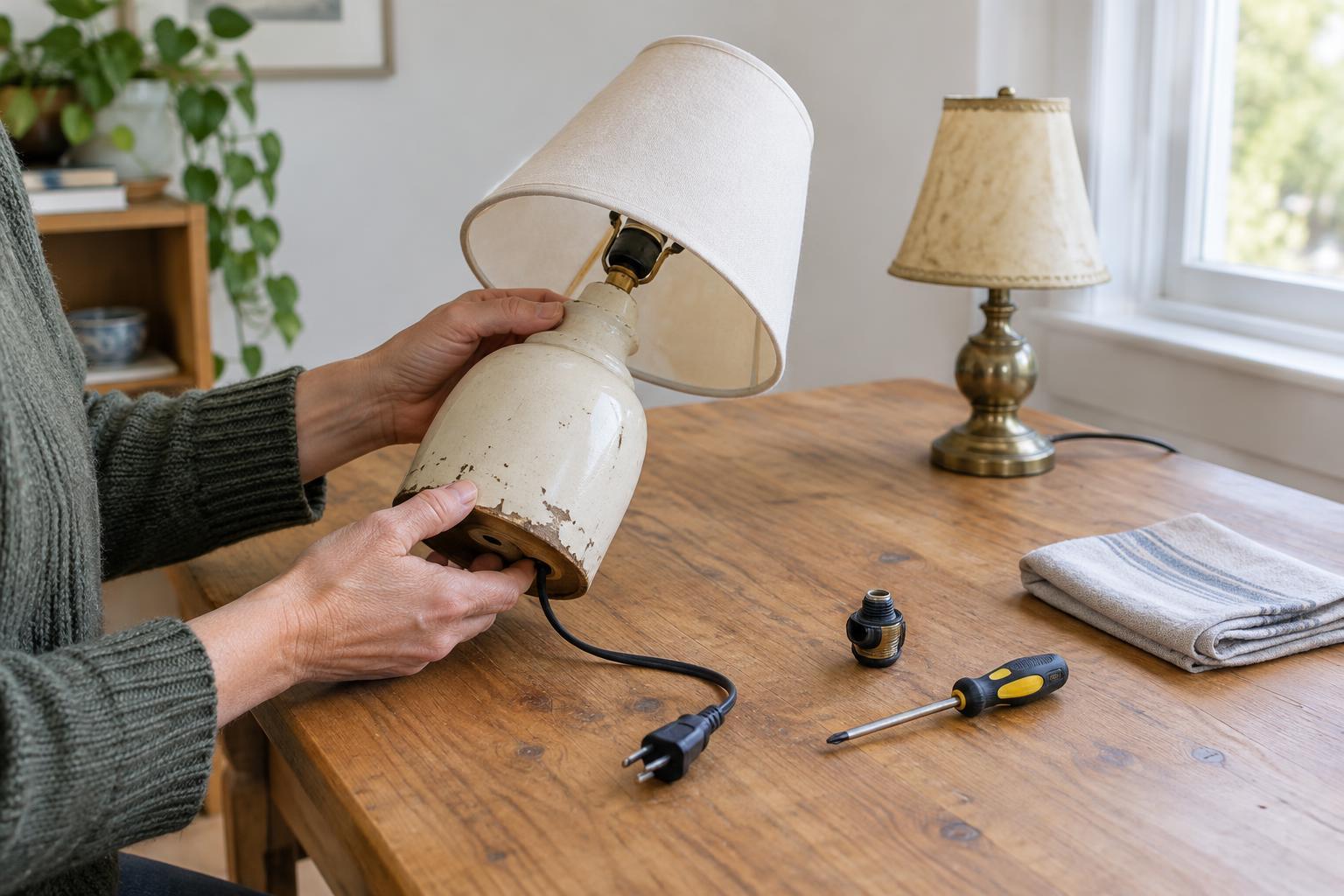
Some failures call for an immediate pause. Stop using an item that sparks, smokes, smells of burning, leaks gas, has damaged wiring, or can no longer support weight securely. Safety concerns also matter with children’s gear, protective equipment, and anything that could cause injury if a repair fails. Do not keep testing a hazardous item just to see whether it still works.
Match the repair to your skills. Sewing a button or replacing a removable part may be straightforward; work involving electrical systems, gas connections, or structural support may require a qualified professional. If a safe repair is not available or its result is uncertain, replacement can be the more responsible choice. Check whether the old item can be disposed of through an appropriate local collection program rather than putting it straight in the bin.
Compare the full costs
A repair price is more than the cost of a part. Include labor, tools you would need to buy, shipping, travel, and the time the item will be out of use. For replacement, include any delivery or installation costs and any accessories you would need to change. If the item is covered by a warranty or a repair service, check the terms before paying for a fix yourself.
Then compare those totals with the life you can reasonably expect afterward. A repair that restores years of regular use may be good value even when it is not cheap. A small repair can be poor value if other major parts are near failure. You rarely need an exact prediction: a technician’s assessment, the item’s repair history, and visible wear can help you judge whether the fix addresses the underlying problem or only its latest symptom.
Look at repairability and day-to-day use
Consider whether parts are available, the item can be opened without damage, and someone can service it again later. These details matter especially for things you rely on often. If a replacement is necessary, they can also guide the next purchase: choose an item that suits your actual use and, where possible, has accessible parts and clear care instructions.
Think about how the item performs while you own it, too. An older product that still works well does not need replacing simply because a newer version exists. On the other hand, repeated breakdowns or excessive resource use may make continued repair less appealing. Avoid treating either option as automatically less wasteful; the materials in a replacement and the practical life gained by a repair both matter.
Make a decision—and a plan for what remains
A simple way to decide is to ask four questions in order: Is it safe to use or repair? Will the fix solve the main problem? Is the total cost reasonable for the useful life it is likely to add? Will I still want to use it? If the answers point toward repair, schedule it and store the item where it will not become forgotten clutter. If they point toward replacement, decide what you need before shopping.
If the old item still works but no longer suits you, consider giving it away or selling it with an honest description of its condition. If it is broken, check whether a repairer wants it for parts or whether a relevant recycling option exists locally. Do not pass on an unsafe item for someone else to discover the hazard. The best outcome is a clear decision that respects your time, your household’s needs, and the resources already in the item.