Start with the item, not the repair method
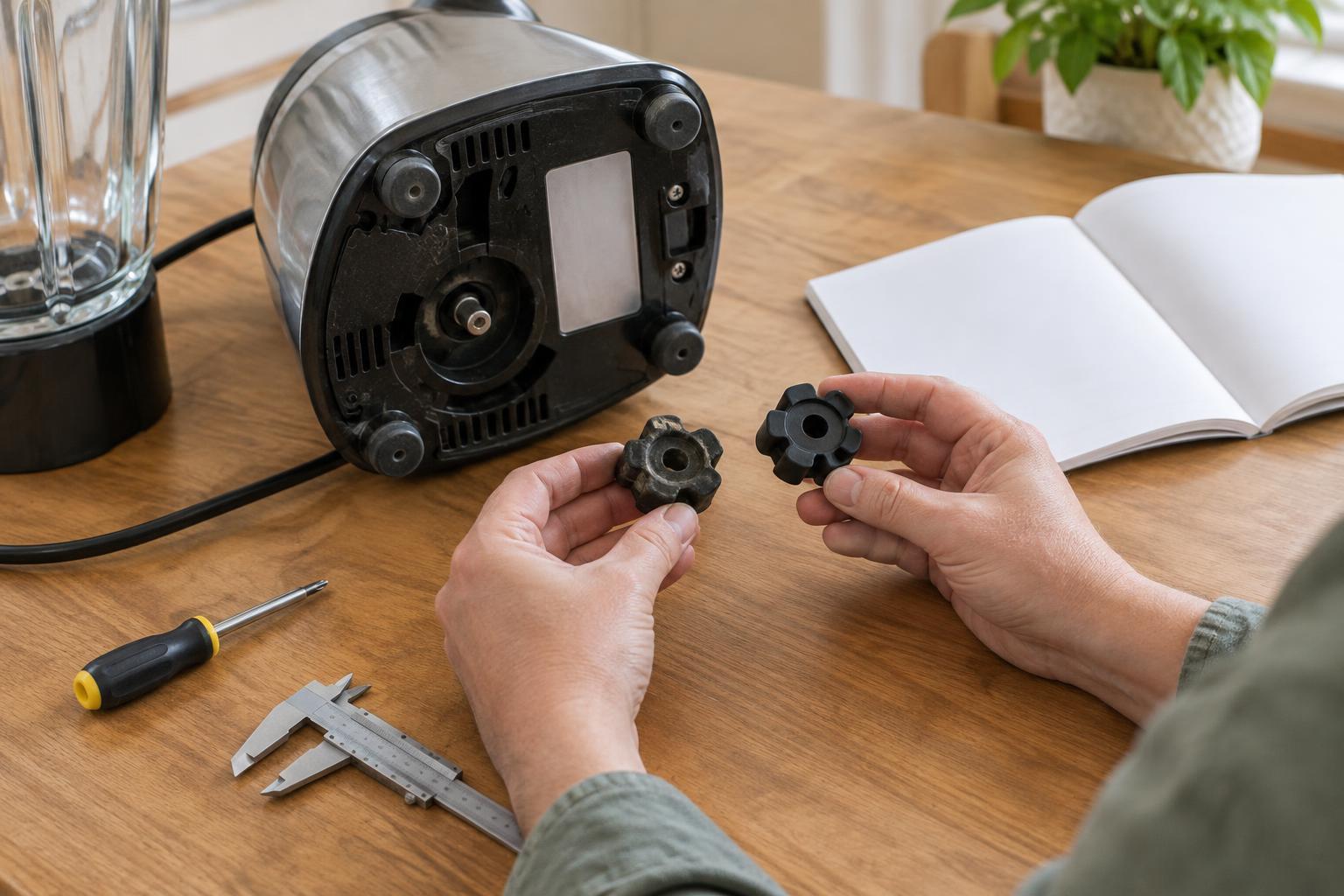
A loose button and a faulty appliance have little in common beyond needing attention. Before reaching for a tool or booking a service, describe the problem as precisely as you can. What stopped working? Did the problem appear gradually or suddenly? Is a part missing, worn, or simply out of place? A clear description helps you find the right help and may prevent you from replacing something that needs only a small adjustment.
Set the item aside if continued use could make the damage worse. Keep loose screws, labels, and accessories together, and take a photo before disassembly if you may need to put parts back in order. If the item is covered by a warranty or a service agreement, check its terms before opening it. An unauthorized repair may affect the help available to you.
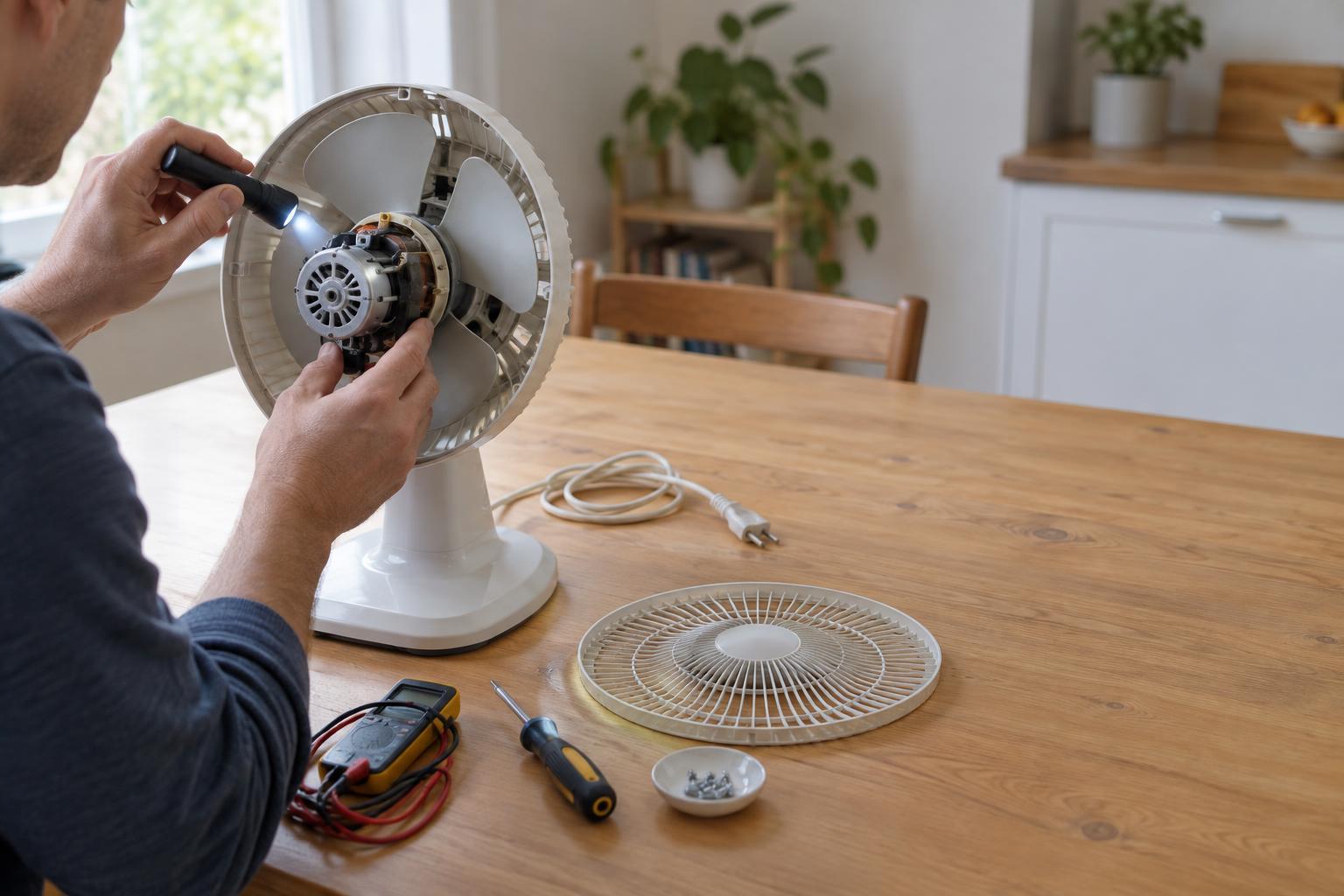
Safety is the first dividing line. Damage involving mains electricity, gas, structural support, batteries that are swollen or damaged, or equipment whose failure could cause injury calls for particular caution. When you cannot identify the risk or safely isolate the item, do not treat it as a learning project. Ask a qualified repairer whether it can be inspected.
Choose DIY for small, understandable fixes
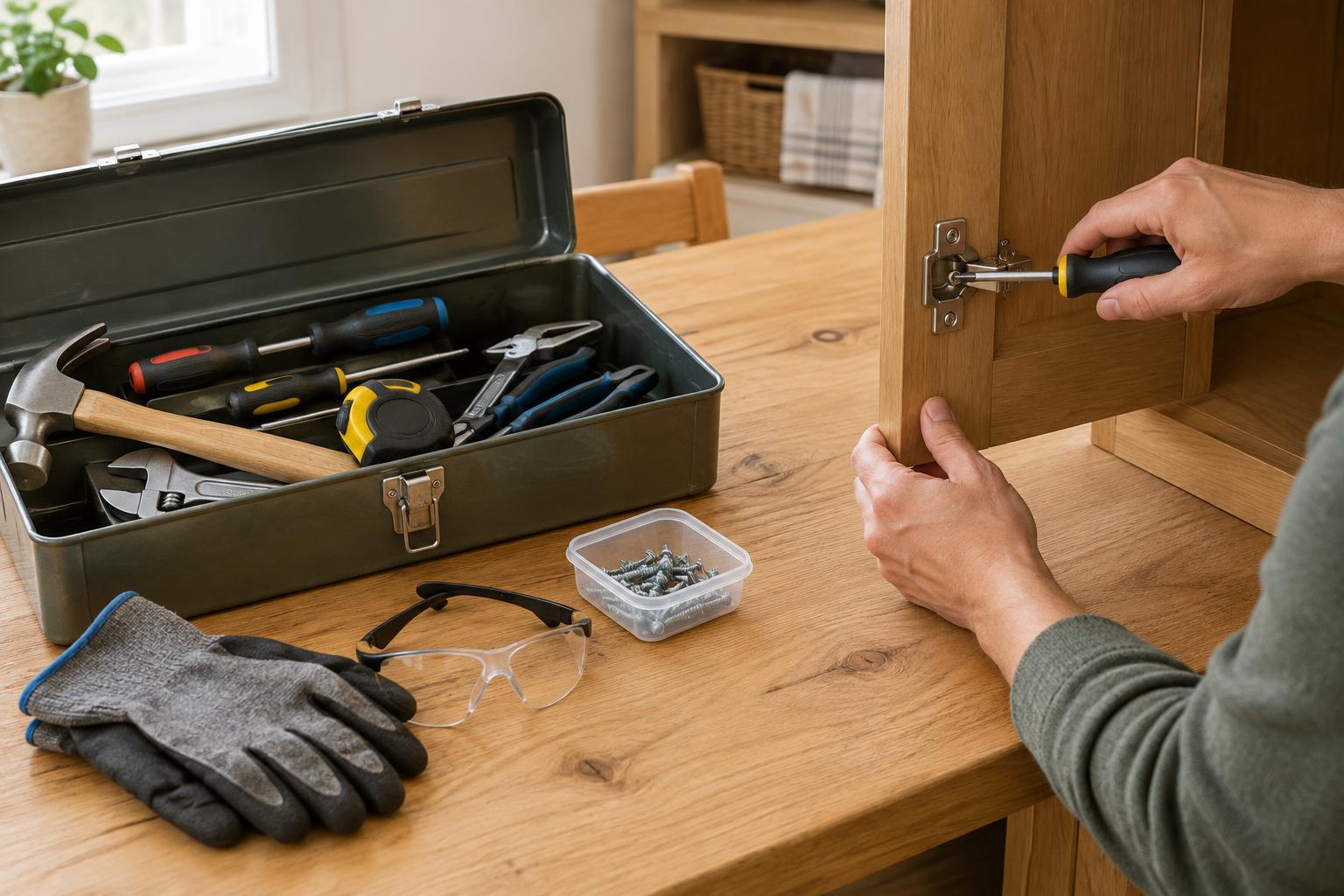
DIY is a good fit when you can explain the fault, reach the affected part without creating a new hazard, and reverse a mistake without serious consequences. Sewing a seam, tightening an accessible handle, replacing a standard drawer pull, or cleaning an easily removable filter may fall into this category. Follow the product instructions where available, use tools suited to the job, and stop if the repair requires more force than expected.
Consider the full cost of doing it yourself: parts, tools, time, and the chance of damaging the item. Borrowing a tool or buying a small quantity of supplies may make more sense than acquiring equipment you will rarely use. A simple fix can also be a chance to build a reusable skill, but learning is easier when the stakes are low. If a guide skips steps you do not understand, that is a reason to pause, not to improvise.
Use a Repair Café for guidance and shared know-how
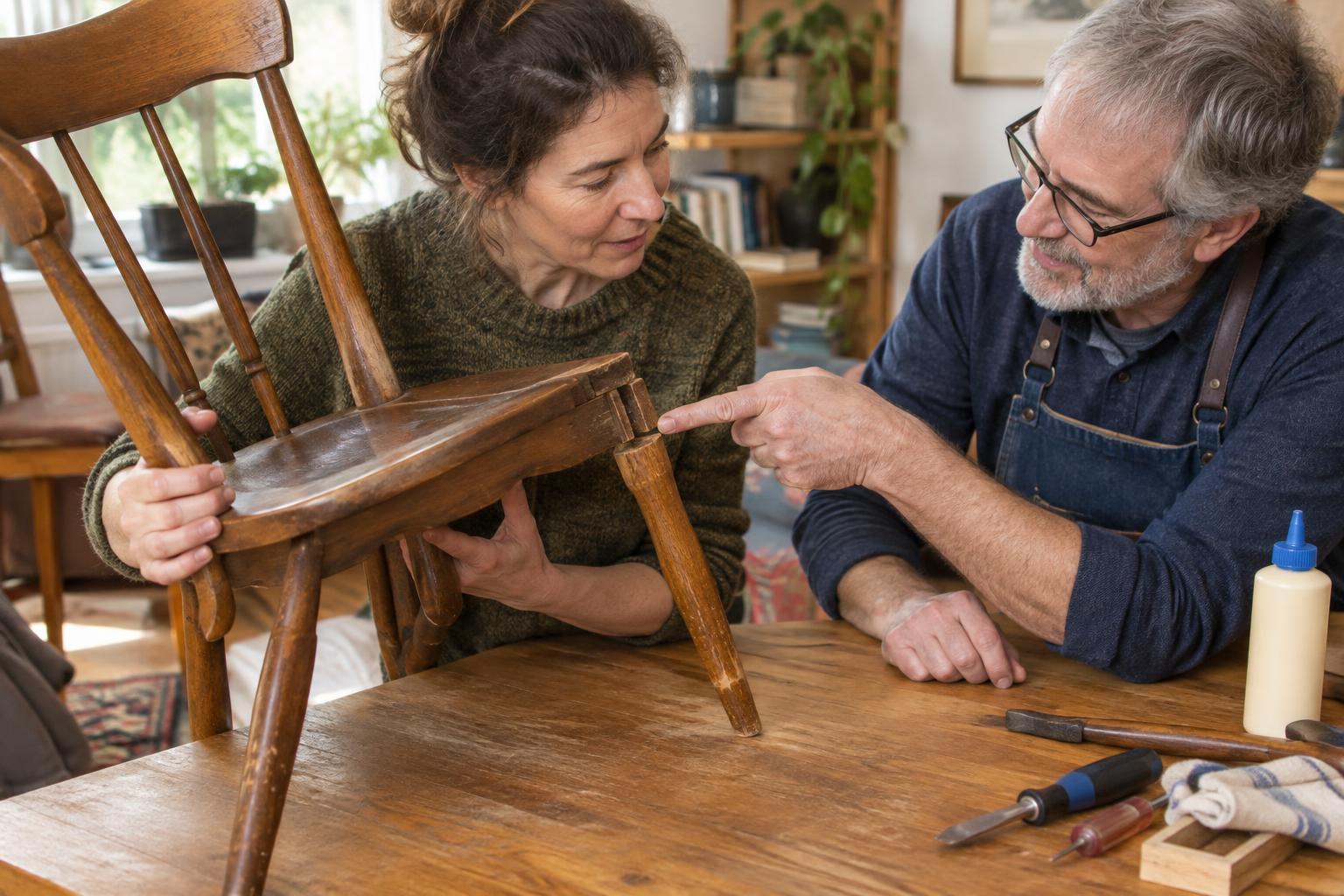
A Repair Café or similar community event can be useful when a problem seems approachable but you lack a tool, a second pair of hands, or the confidence to begin. Volunteers may help examine a garment, small household object, or other accepted item while showing you how a repair works. The aim is often to learn and participate, not to hand over an item for a guaranteed fix.
Check an event’s guidelines before going. Some accept only certain items, cannot handle hazardous faults, or ask visitors to bring replacement parts. Arrive with the item clean, any relevant charger or accessory, and a short account of the problem. Expect that a volunteer may recommend a professional or decide the item cannot be repaired there. Even without a completed fix, you may leave knowing what part is needed or whether the item is worth taking further.
Call a professional when skill or risk matters
Professional repair is the better route when the fault is hard to diagnose, specialized tools or testing are needed, or a failed fix could create a safety problem. It can also be worthwhile for an item you rely on daily or one made to last many more years. Look for a repairer who works on that type of item, and ask what inspection, estimate, and approval process they use before work begins.
Describe symptoms rather than prescribing a solution. Ask whether the proposed repair addresses the cause, what parts are available, and whether there is any guarantee on the work. If a quote is too high for your circumstances, you can still ask whether a smaller repair, replacement component, or safe reuse of parts is possible. A clear explanation helps you make a decision even if you decline the work.
Decide whether the repair is worth doing
Price matters, but it is not the only measure. Compare the repair with the realistic alternatives: how long might the item serve afterward, could a secondhand replacement meet the need, and would a new purchase introduce another object you must store and maintain? An inexpensive fix to a well-used item may be an easy choice. Repeated repairs to something unreliable may not be.
You do not need to repair everything to practice thoughtful consumption. The useful habit is to pause before discarding, assess safety and effort honestly, and choose the kind of help that fits. When a repair is not practical, consider whether usable parts can be passed on and follow local guidance for disposing of the rest. Each decision becomes simpler when you know what you are trying to preserve: the item’s usefulness, your time, and the resources already invested in it.