Start with the symptom, not a shopping list
When a lamp flickers or a vacuum loses suction, it is tempting to search for a replacement part immediately. But the part that seems responsible may not be the cause. Before opening a store page, write down exactly what the item does and does not do. Does it fail every time, or only after it has been running? Did the problem begin after a fall, a wash or a change of location? A clear description keeps you from treating a guess as a diagnosis.
Check the simplest possible causes first. Confirm that switches and settings are where you expect them to be, batteries are charged and removable pieces are seated correctly. If it is safe to do so, try a different known-working outlet or accessory. A vacuum with poor suction may have a full bin or blocked hose rather than a failed motor. A drawer that sticks may be rubbing against an overfilled cabinet rather than needing new runners. These checks take little time and can save both money and unused parts.
Set a safety boundary before inspecting
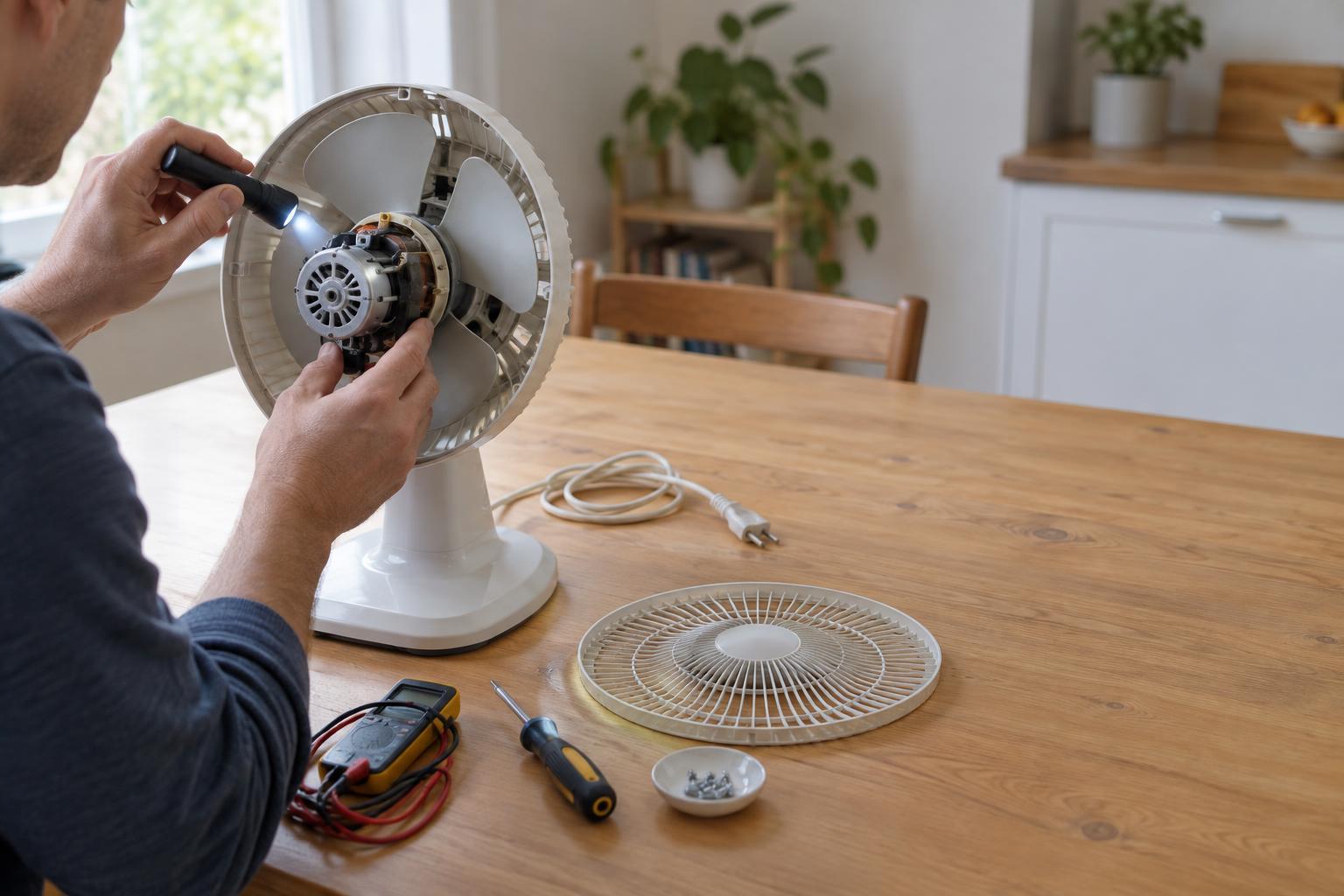
Unplug an electrical item and let it cool before cleaning, handling or inspecting it. Remove batteries where practical. Keep water away from electrical connections, and do not open a housing that could expose stored electrical charge or other hazards. Stop using an item that has a damaged cord, exposed wiring, a burning smell or signs of overheating. Gas appliances, hardwired equipment and repairs involving pressure, refrigerant or structural support are better left to a qualified person.
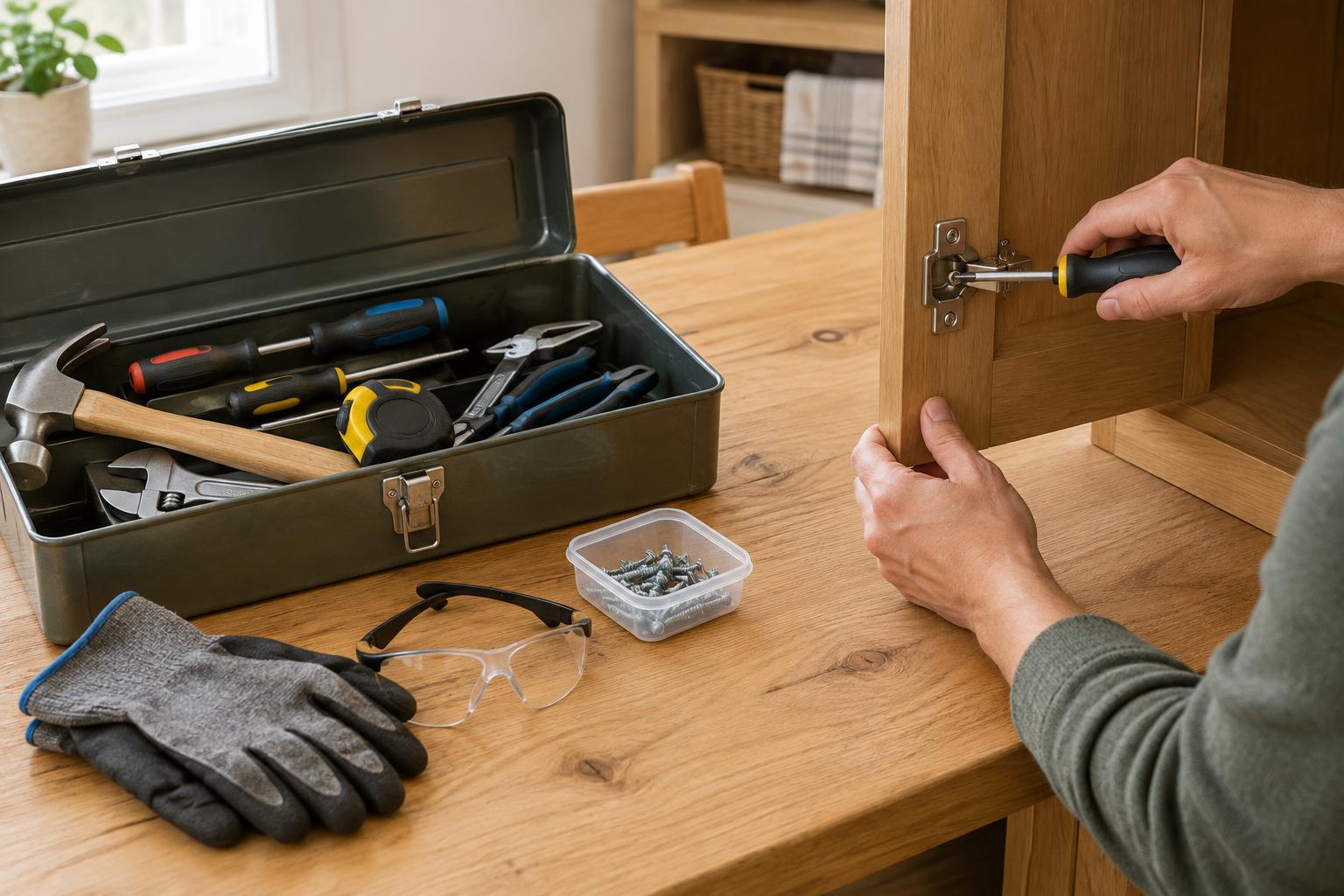
For a low-risk item, a careful visual inspection can still tell you a great deal. Look for loose screws, cracked plastic, worn seals, tangled fibers, corrosion or a part that no longer moves freely. Take a photo before removing anything, and keep screws in a small container. If taking the item apart would require force or you cannot see how it goes back together, pause. Diagnosis should not turn a small fault into a larger one.
Narrow down the cause with one check at a time
Test one possibility before moving to the next, so you know what changed. If a spray bottle will not work, clean the nozzle and check that the intake tube is attached before assuming the pump has failed. If a chair wobbles, place it on a level surface and tighten accessible fasteners before replacing a leg. For an item with several removable components, swap in a known-working component only if it is compatible and the swap is safe.
The product label, model number and manufacturer’s instructions can help you understand how an item is assembled and maintained. A manual may describe routine cleaning, resets or adjustments that look like repairs but require no new parts. Record the model number exactly, including any letters or suffixes. If you find a likely cause, ask what evidence supports it: a visibly broken piece is stronger evidence than a symptom that several different faults could produce.
Verify the part and the repair path
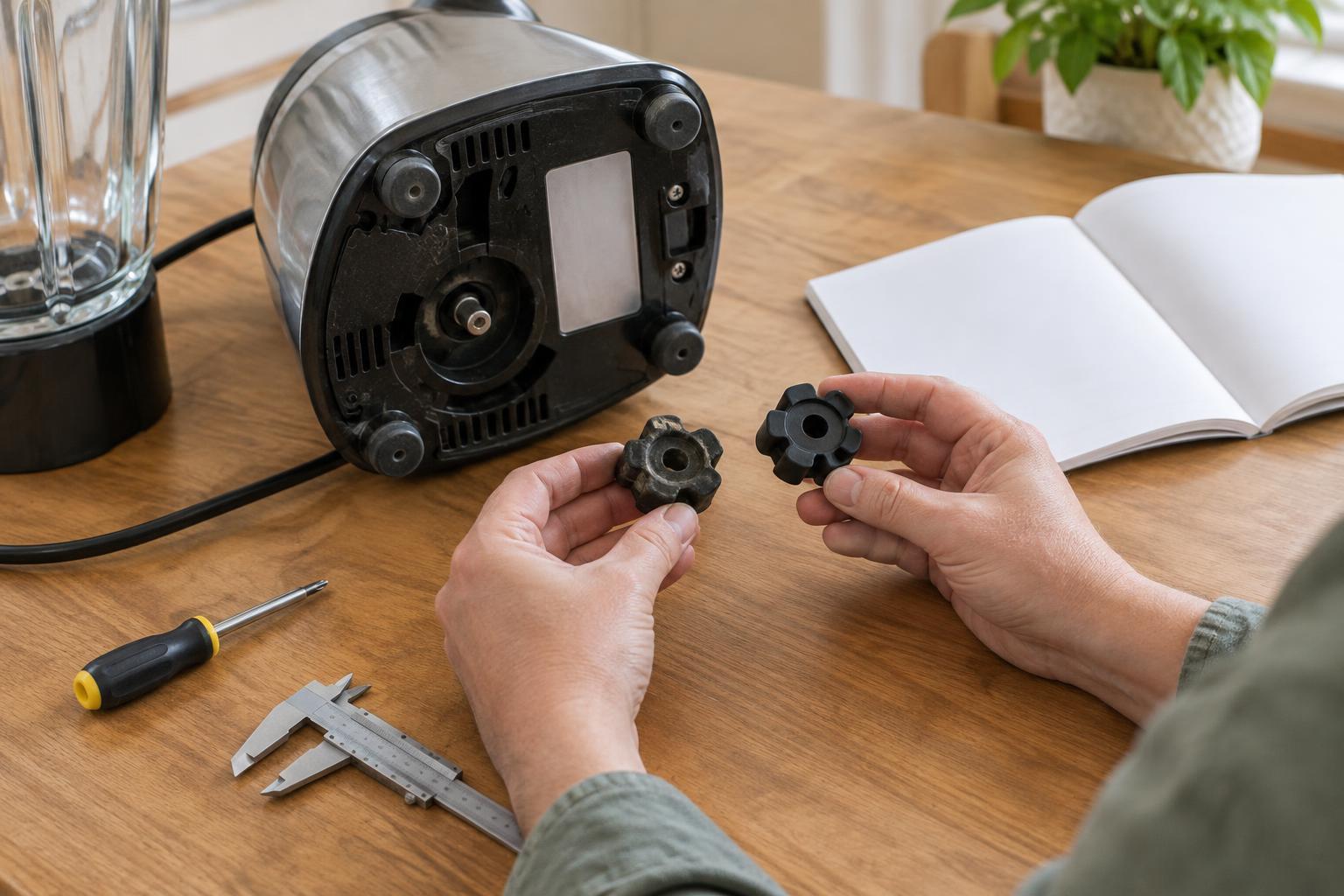
Before ordering, confirm that the proposed part matches the exact model and the version you own. Compare its shape, dimensions, connection points and any part number shown in the manual or on the original piece. Similar-looking items are not always interchangeable. Check whether the part includes the small fittings needed to install it, and whether you already have the necessary tools. Review the return policy before buying a part you have not been able to verify fully.
Think through the whole repair, not just the purchase. Can you reach the failed piece without breaking clips or seals? Can you reassemble the item confidently and test it safely? A replacement handle or gasket may be a straightforward job; an internal electrical fault may not be. If the diagnosis remains uncertain, ask a repair shop what they would check before paying for parts yourself. Their assessment may help you avoid ordering several components in the hope that one works.
Choose the least wasteful sensible next step
A repair is worthwhile when it restores a useful item without creating an unreasonable safety risk or requiring more materials and effort than the item justifies. Cost matters, but so do durability and future use. If the item is regularly needed and otherwise sound, a well-chosen part may extend its life. If the same weak component keeps failing, consider whether a different design would serve you better when replacement eventually becomes necessary.
You do not have to make the decision immediately. Set the item aside with a note describing the fault and the checks you have completed, so you can return to it without starting over. If repair is not practical, see whether a local repairer or reuse group can use it for parts; follow local guidance for recycling anything they cannot take. The goal is not to save every object. It is to understand the problem well enough to avoid an unnecessary purchase and make a deliberate choice.