Start with the clothes you actually wear
A seasonal switch is a useful time to notice what earned its place in your wardrobe. Before packing anything, pull out the clothes you expect to wear less often over the coming months. Check the fit and condition of each piece. Set aside items that need a small repair, no longer suit you, or went unworn for reasons that are unlikely to change. You do not have to make every decision at once, but avoid packing an item simply to postpone thinking about it.
Keep a small group of off-season clothes accessible if your weather changes quickly or you travel to a different climate. A light layer, a rain jacket, or one suitable outfit may be more useful in your regular closet than at the bottom of a storage box. The aim is not a perfectly divided wardrobe; it is enough room to see and use what fits your life now.
Clean, dry, and prepare before packing
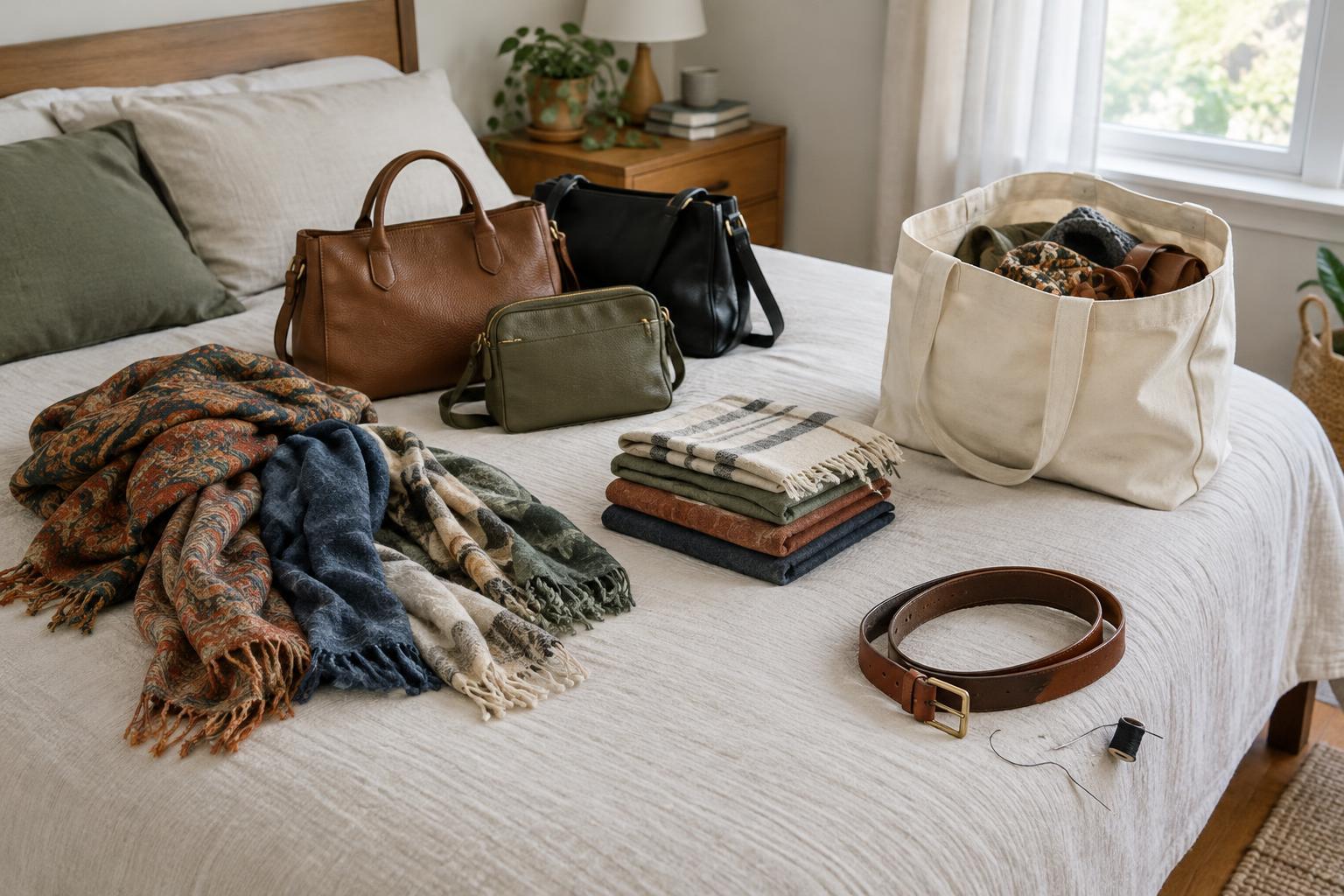
Wash or clean clothes according to their care labels before storing them. Sweat, food marks, and other residue can be harder to deal with after months in a box. Make sure every item is fully dry, including thick waistbands and seams, before it goes away. While handling each piece, check for loose buttons, worn hems, and small holes. Fixing a simple problem now means the garment can return to your closet ready to wear.
Fold most clothes loosely rather than compressing them into a container. Heavy knits can stretch if they hang for a long time, so folded storage often makes sense for sweaters. For garments that hold their shape better on a hanger, leave a little space around them. Use clean containers or garment bags suited to your storage spot, and avoid putting delicate fabric directly against rough cardboard or surfaces that may transfer color.
Choose storage you can reach and understand
An out-of-the-way space is convenient only if it protects the clothes and you can get them back without a major project. Look for a clean, dry place away from persistent dampness and strong sunlight. If you have limited space, a box under the bed or on an upper shelf may work better than a crowded closet rail. Avoid filling any container so tightly that you cannot lift it comfortably or find one item without unpacking everything.
Group clothes in a way that will make sense later: warm-weather tops, cold-weather layers, or a particular household member’s clothes, for example. Label each container with its contents, not just “summer” or “winter.” A label such as “linen shirts, shorts, sun hats” tells you whether the piece you want is inside. If you reuse boxes or bags, update the labels whenever the contents change.
Make a record you will actually check
A simple inventory prevents seasonal storage from becoming a place where good clothes disappear. You can write the contents on the box label, keep a short note on your phone, or take a photo of the laid-out items before packing. Choose one method you already use; an elaborate catalog is less helpful if you never open it. Note anything you expect to look for mid-season, such as a formal outfit or a coat for travel, along with its storage location.
Before shopping for a seasonal item, check that record and the clothes still in your closet. You may already own something that meets the need, even if it is not currently visible. A reminder to review stored clothes when the weather starts to shift can also help. It need not be tied to a fixed date: the first stretch of warmer or cooler days is a reasonable cue to look again.
Bring clothes back with a fresh look
When the season changes, open the containers before buying anything new. Air out stored pieces if needed, then try on the items you are uncertain about. Put clothes you want to wear where you can see them. If a piece needs washing, mending, or an adjustment, give it a specific place to wait rather than mixing it into your ready-to-wear clothes.
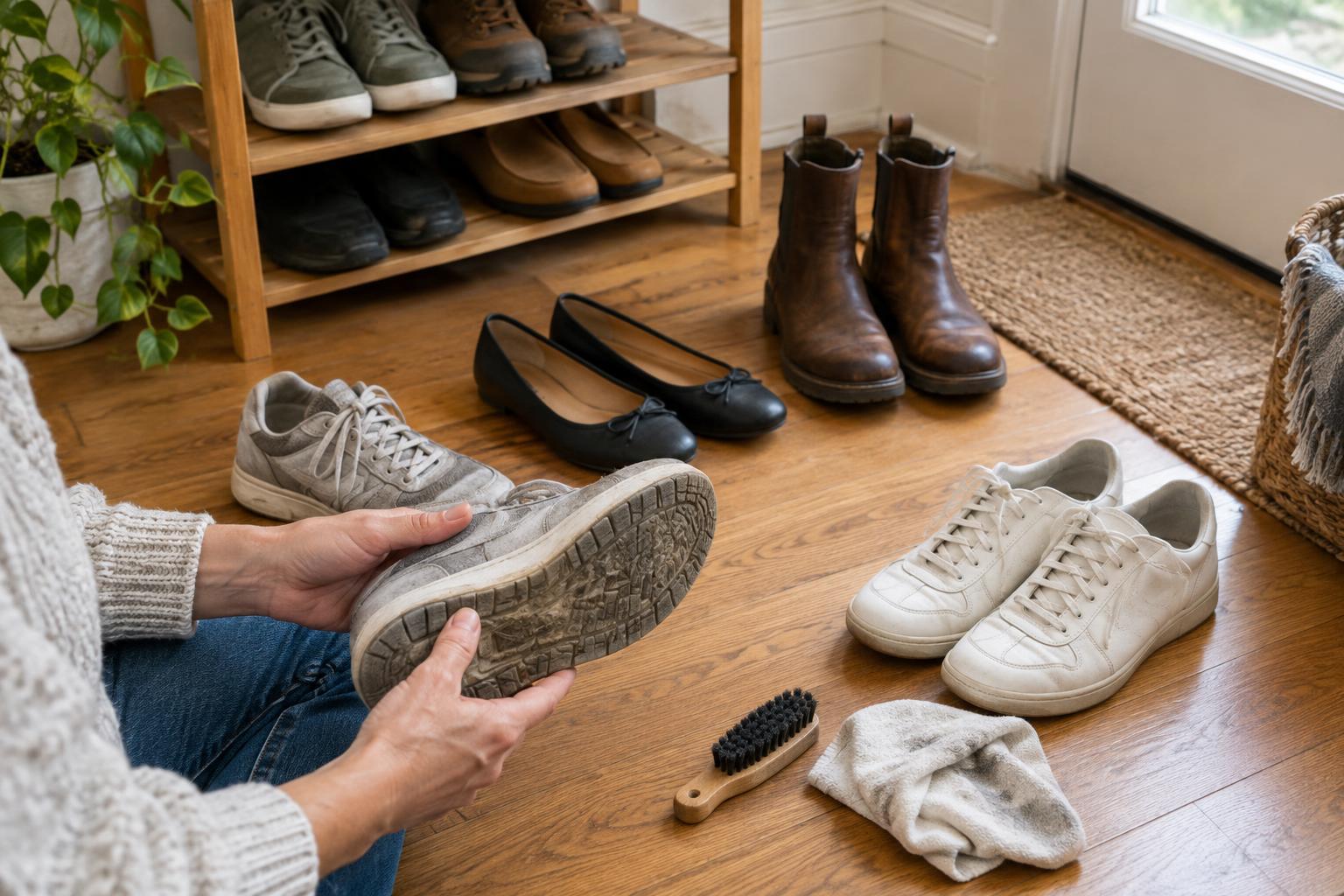
Notice what you are reluctant to bring back. Sometimes a garment was stored because it was uncomfortable, difficult to pair with anything, or no longer right for your routine. Those observations can guide a thoughtful decision to repair, alter, pass on, or keep it for another season. A useful rotation leaves you with a clearer wardrobe and a better memory of what you already have.