Start with a purpose, not a search
A community swap or free-giveaway group can be a good place to find something you need without buying it new. It can also make it surprisingly easy to collect things simply because they are available. Before browsing listings or walking into an event, name one or two needs: a replacement mixing bowl, children’s rainwear in the next size, or a lamp for a specific corner. If you cannot picture where an item will go and how you will use it, leave it for someone else.
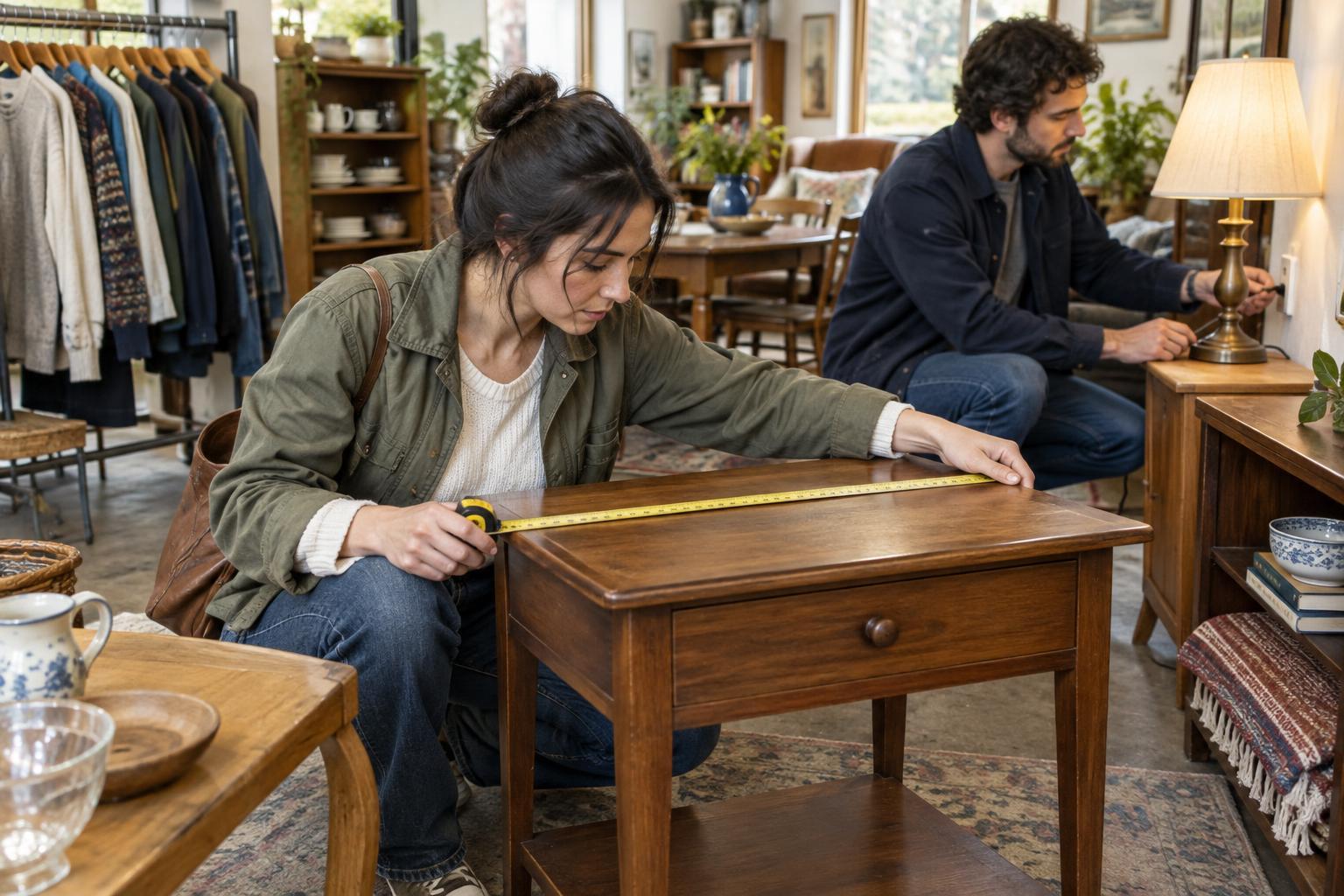
Keep a short list of useful details, such as measurements, sizes and the features that matter to you. A free shelf is not useful if it will not fit through your doorway. For items you expect to use often, consider condition and durability as carefully as you would in a shop. Passing on a poor fit saves you the work of storing it, repairing it or giving it away again.
Prepare items that are easy for others to use
When giving things away, start with items that are clean, complete and in working order. Check pockets, drawers and boxes for personal belongings. Group related pieces together, such as a board game and its instructions, and note any missing parts. If something needs a simple repair, either do it first or describe the issue plainly so the next person can decide whether to take it on.
For an event, check its guidelines before packing. Some swaps accept only certain categories, and many cannot handle broken or heavily worn items. Bring an amount you can comfortably carry home if it is not taken. For an online post, clear photos, approximate dimensions and a brief, honest description help people decide without a long exchange of messages. Giving an item away responsibly includes making sure it is suitable to pass along in the first place.
Choose thoughtfully at a swap event
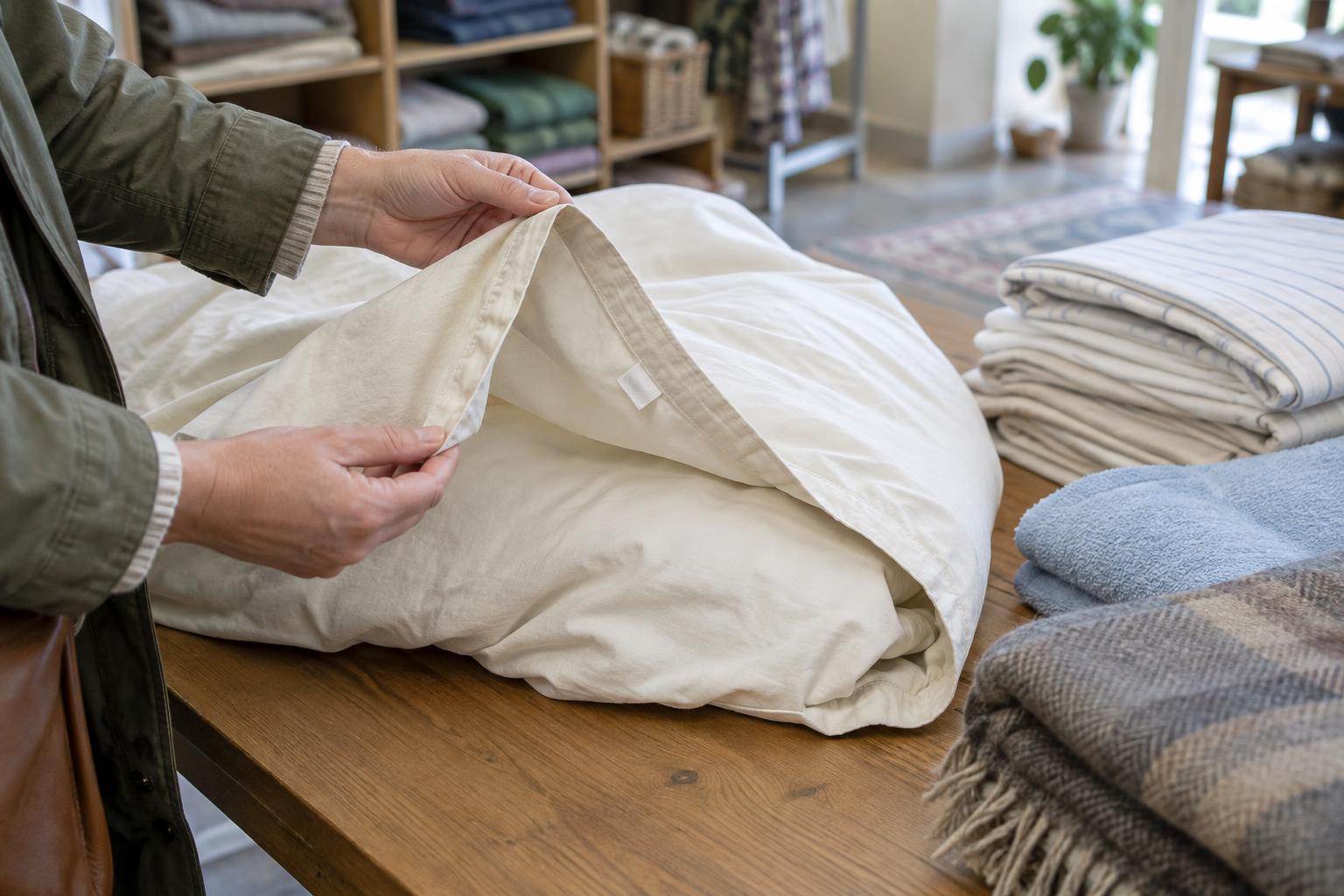
Give yourself time to look rather than filling a bag immediately. Inspect seams, fasteners, plugs, surfaces and moving parts where relevant. For clothing, consider fabric care and whether the fit works now, not only after a possible alteration. For household items, ask whether you already own something that does the same job. A swap works best when people take what they can genuinely use.
Follow the event’s rules on quantities and timing. Leave space for others to browse, and avoid setting aside a pile while you continue searching unless the organizers allow it. If you arrive with items to give, ask where they belong instead of placing them wherever there is room. Before leaving, review what you have picked up. Returning an uncertain choice to the appropriate table is better than taking it home out of obligation.
Make group exchanges clear and considerate
Free-giveaway groups often run on simple, local arrangements, but each group may have its own rules. Read them before posting or requesting an item. When you offer something, state the pickup area without sharing more personal information than necessary. Explain whether the item is first come, first served or whether you will choose a recipient after a set period. Once it is claimed, update the post so others do not keep asking.
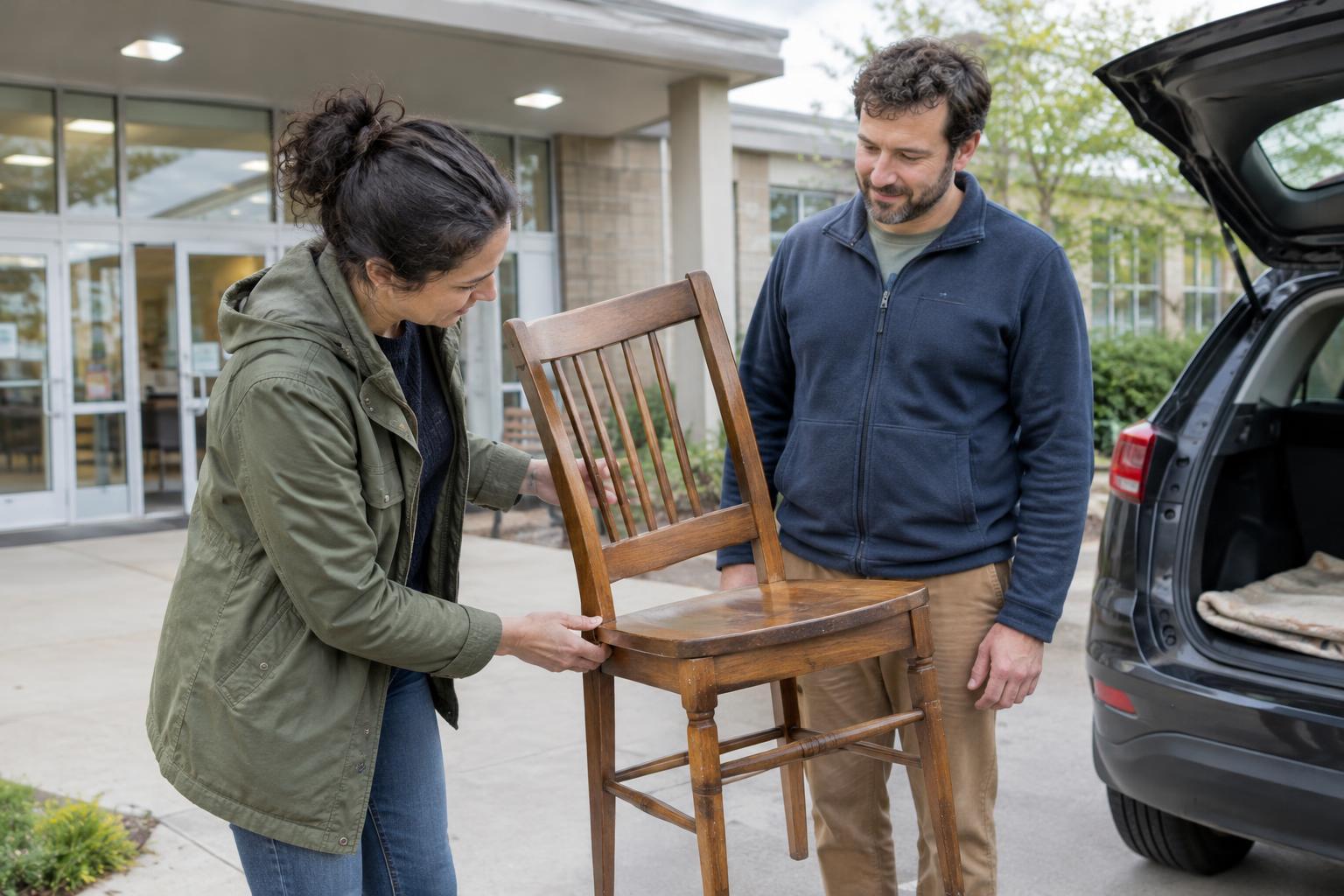
When requesting an item, send a concise message and confirm when you can collect it. If plans change, say so promptly; a no-show can leave someone storing an item longer than expected. Agree on the pickup details through the group’s usual messaging method, and use an arrangement that feels comfortable to both people. For a large or heavy item, confirm its dimensions and how it can be moved before anyone makes the trip. You do not have to enter a stranger’s home or share private contact details to complete an exchange.
Close the loop after bringing something home
Set aside a little time to check, clean and put away each new-to-you item. Follow any care labels and use an appropriate cleaning method for the material. Test an item before relying on it, especially if it has parts that may wear out. If it needs a small fix, decide when you will do it and keep the required pieces together. An unfinished project can become clutter if it sits without a plan.
Notice which finds actually earn a place in your routine. That experience can sharpen your future wish list and make it easier to decline tempting extras. If an item does not work for you, describe its condition accurately when you pass it along. Community sharing is most useful when each exchange is a considered handoff, not just a way to move clutter from one home to another.