Settle the details before you travel
A smooth pickup starts with a clear listing and a short exchange of messages. Confirm the item’s condition, dimensions, included parts and agreed price. For something that plugs in or has moving parts, ask whether you can see it working at pickup. If the listing photos leave a particular flaw unclear, request another photo before making the trip. These questions can save both people time without turning the conversation into a negotiation over every scratch.
Agree on a specific time and a recognizable meeting point. If the seller changes the price, location or item description at the last minute, pause and decide whether the trip still makes sense. Keep arrangements in the marketplace’s messaging system when practical so the details are easy to check. Be cautious about requests for unusual upfront payments or personal information that is not needed to arrange a handoff.
Choose a meeting place that suits the item
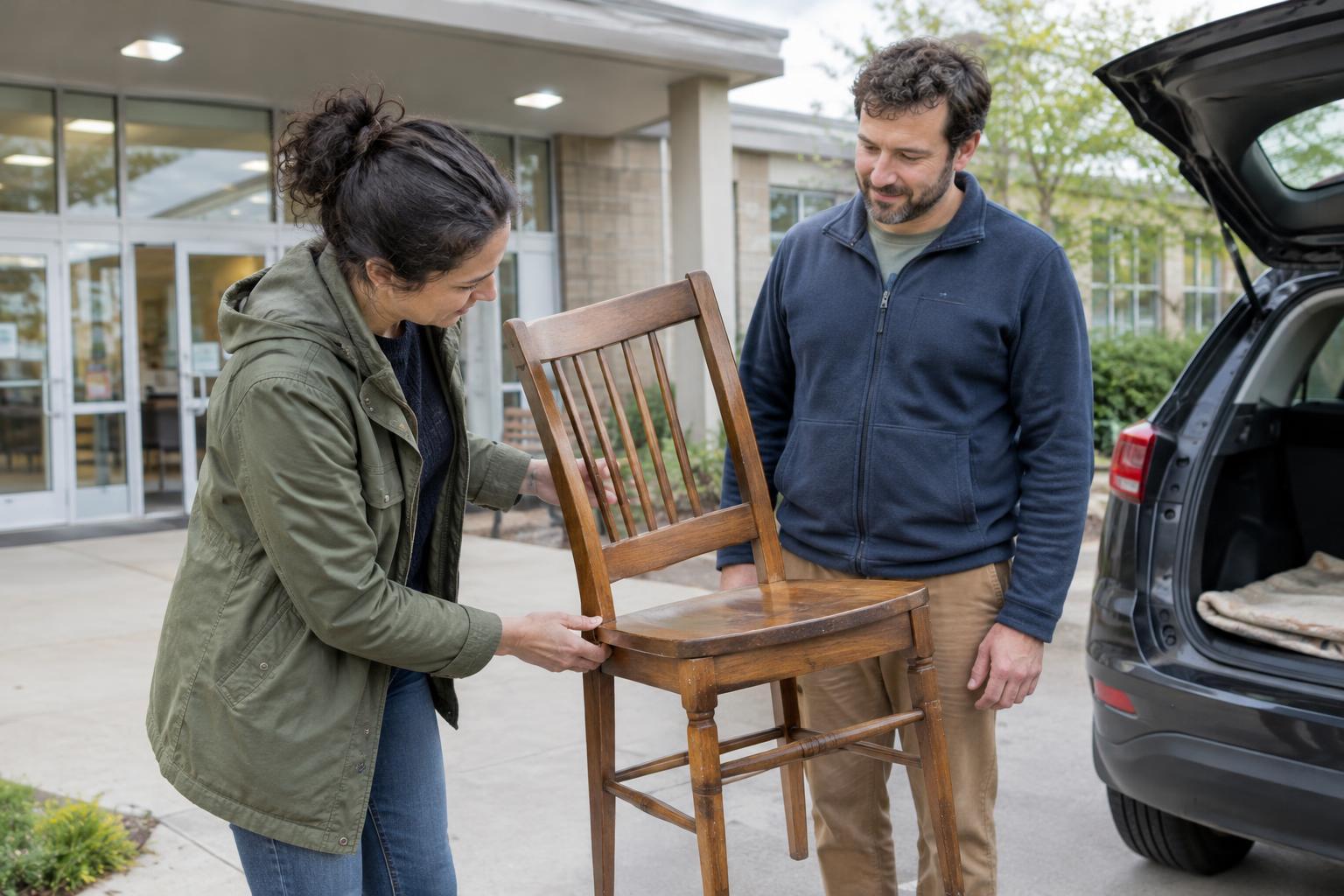
For an item you can carry, a busy, well-lit public place during opening hours is often a practical choice. Pick somewhere you can stop long enough to look at the item without blocking a doorway or feeling rushed. Check the marketplace’s guidance, too: some platforms or communities suggest designated exchange spots. A public location does not remove every risk, but it can make the meeting more comfortable for both buyer and seller.
Furniture and large appliances may need to be collected from a home. In that case, confirm the address and access details before setting out: stairs, parking, narrow doors and whether anyone can help lift. Tell someone you trust where you are going and when you expect to return. If possible, bring another adult for a bulky pickup; the extra pair of hands is useful even when the exchange is straightforward. You can also ask to view an item near an entrance or garage rather than going farther into a home. If an arrangement feels uncomfortable, you can decline it.
Make inspection part of the plan
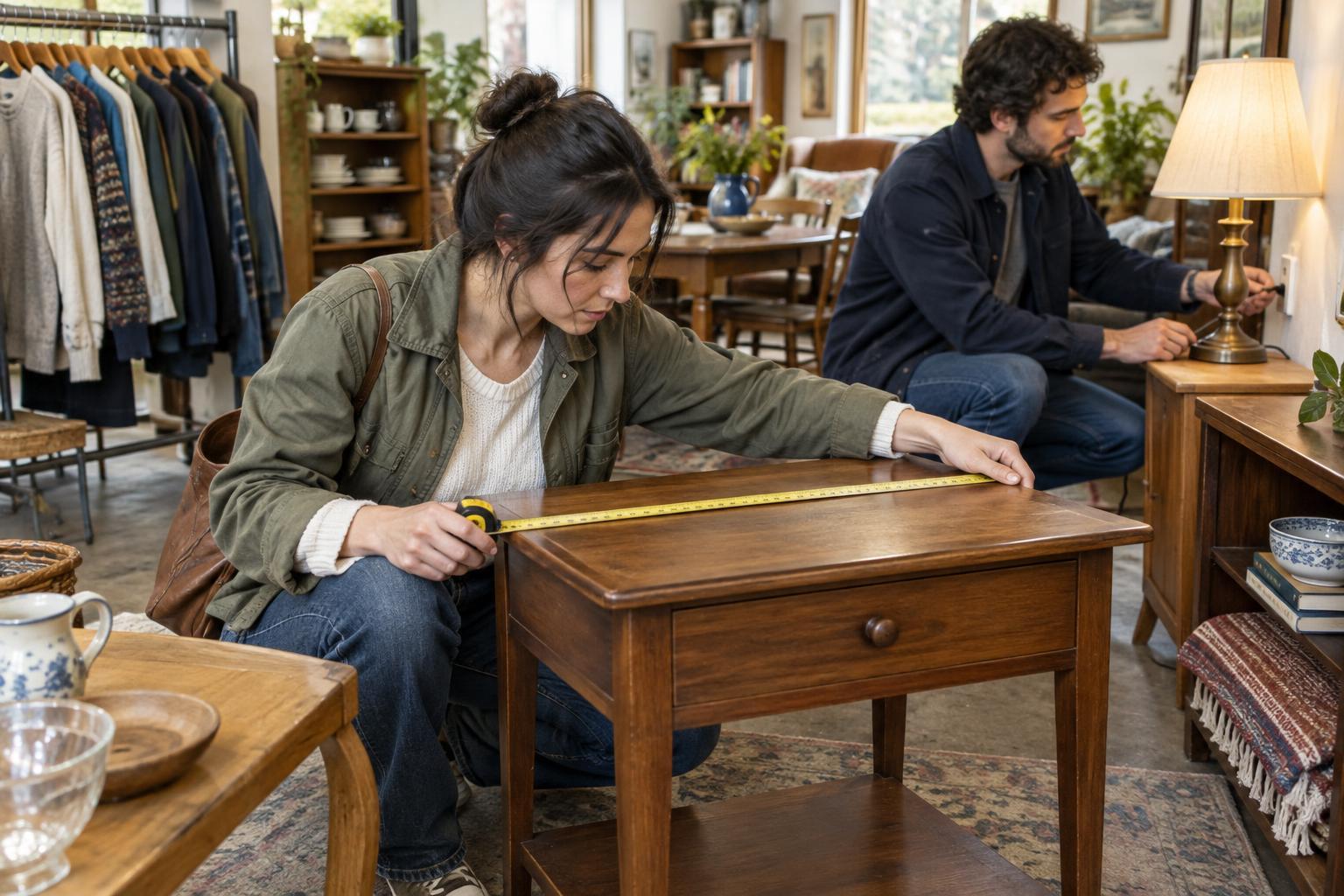
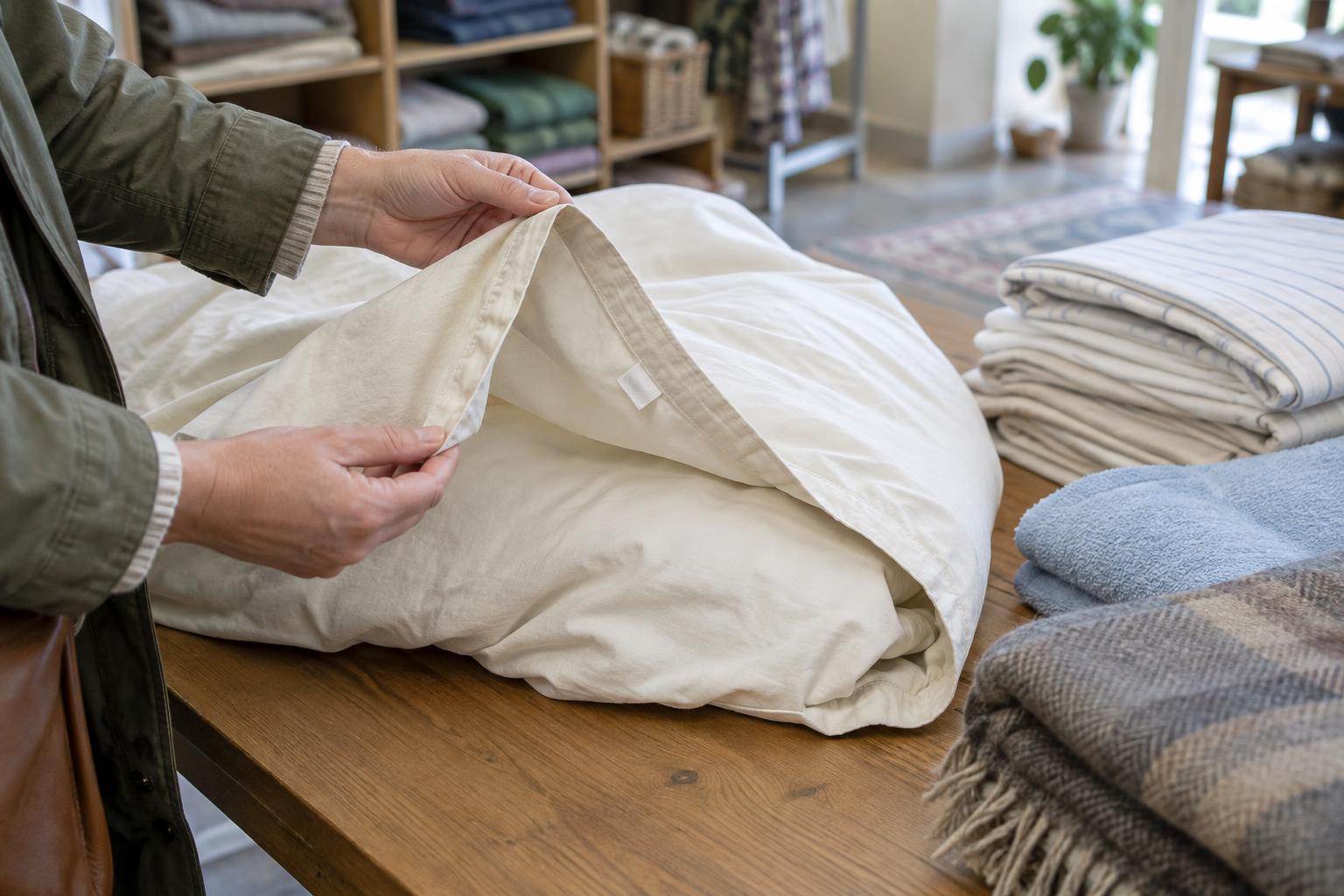
Before leaving home, decide what you need to check. For a chair, that might mean testing its stability and looking at joints. For a lamp, it might mean checking the cord, switch and shade. For clothing, look at seams, fastenings, stains and the care label. Compare the item with the listing photos and description, allowing for ordinary signs of use that were disclosed. Bring a tape measure, a small flashlight or a compatible battery if one would help you assess the purchase.
Inspect before handing over payment, and take enough time to answer your main questions. If the item is not as described, you can politely ask about the difference or leave without buying it. Agreeing to meet is not a commitment to accept a damaged or incomplete item. Equally, avoid expecting a secondhand object to look new unless that was clearly promised.
Keep payment simple and predictable
Confirm the payment method in advance. Use a method you understand and are comfortable with, and follow any relevant marketplace rules. If paying cash, bring the agreed amount if possible so neither person has to find change. If using an electronic payment, check the recipient details yourself and wait until you have inspected the item before completing it. Do not rely on a screenshot alone as proof that a payment has gone through.
Be wary of a sudden request to move the transaction to an unfamiliar payment service, send a deposit to hold the item or share a verification code. You do not need to resolve a confusing payment situation on the spot. A straightforward exchange should leave both people clear about what was sold, what was paid and when the handoff is complete.
Plan the trip home before you commit
A bargain is less useful if it will not fit through your doorway or travel safely in your vehicle. Measure the space where the item will go and check its listed dimensions before pickup. For bulky items, bring the right vehicle, straps or protective blankets, and consider how you will lift and carry them without straining yourself. For smaller finds, a reusable bag or simple wrapping may be enough to protect both the purchase and anything else you are carrying.
Once home, clean the item in a way that suits its material and check it again before putting it to use. A little preparation makes secondhand shopping easier to repeat: you spend less time on unsuitable listings, avoid awkward handoffs and give a useful object a better chance of staying in use.