Start with a need, not a bargain
The most tempting secondhand find is not always the most useful one. A low price can make an extra chair, jacket, or kitchen tool feel worth taking home, even when you have no place for it. Before browsing, name the job the item needs to do. Note what you already own, what is not working, and which features matter most. This gives you a reason to pass on appealing things that would become clutter.
Set a rough spending limit that includes more than the price tag. Transport, cleaning, replacement parts, and alterations can change the value of a find. If an item needs work, decide whether you realistically have the time and means to do it. A good secondhand purchase should suit your life as it is, not depend on a repair project you may never start.
Measure the item and the route home
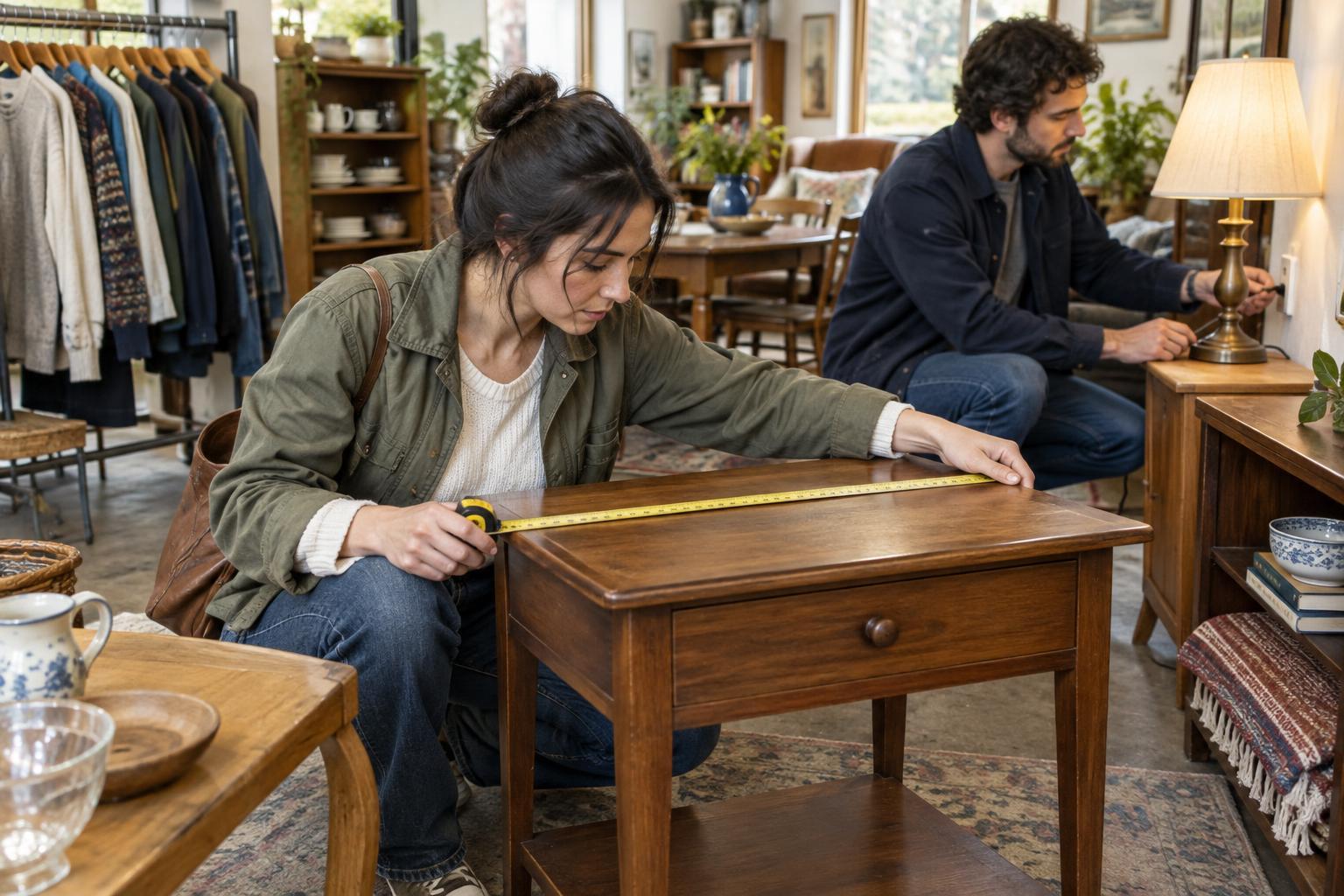
One of the easiest mistakes is judging size by a photo or a quick glance. Measure the space where an item will go, including the clearance needed to open drawers, pull out chairs, or walk past it. For furniture, check doorways, stairs, lifts, and the vehicle you plan to use. Write the measurements down so you can compare them on the spot instead of relying on memory.
Measurements matter for smaller purchases too. Check shelf height before buying storage boxes, appliance dimensions before buying a replacement, and garment measurements before ordering clothes online. A size label does not tell you how an older or altered garment will fit. Ask for measurements of the item itself when they are missing, and compare them with something you already use comfortably. If a seller cannot provide a crucial measurement, waiting may be safer than guessing.
Test what you reasonably can
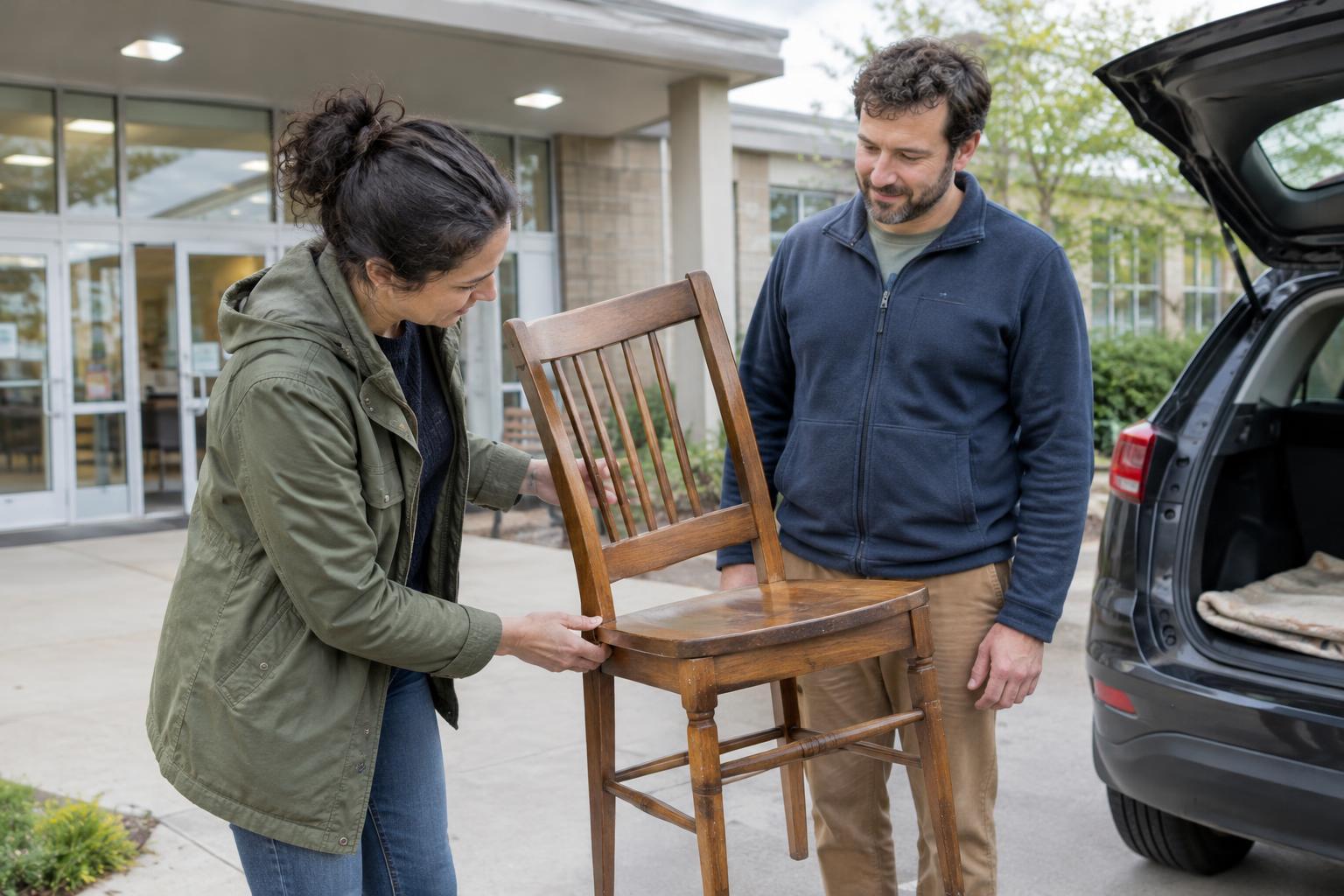
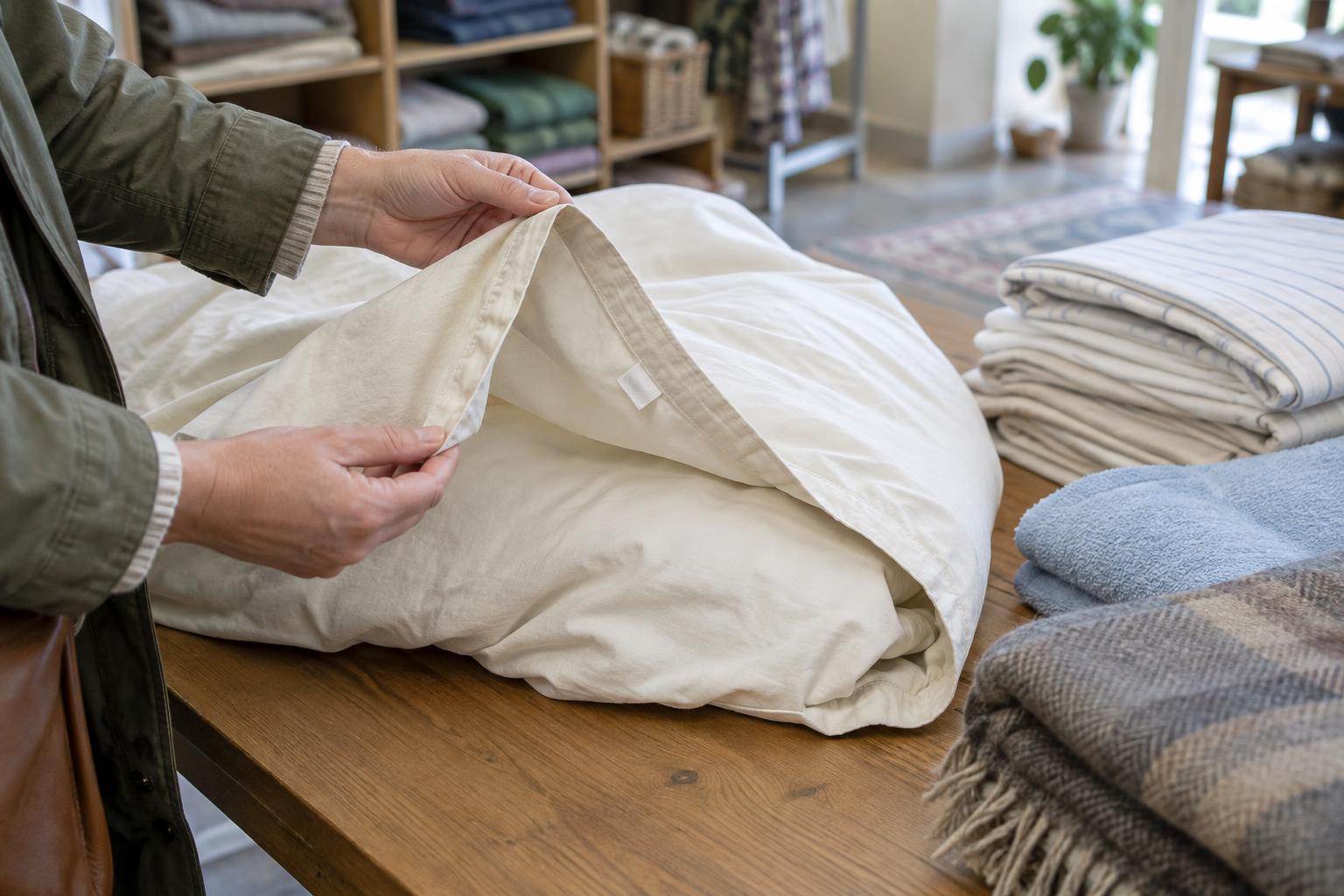
A clean appearance does not prove that an item works. For an electrical item, ask to see it powered on and try the controls you expect to use. For furniture, sit on chairs, open drawers, check joints, and look underneath for damage. For clothing, inspect seams, fastenings, hems, and areas prone to wear. If you cannot test an item, treat its condition as uncertain rather than assuming a description such as “works” covers every function.
Look for problems that would be difficult for you to fix, not just cosmetic marks you can accept. Notice persistent odors, water damage, missing components, or a repair that seems unstable. Ask what is included: a lamp may lack its shade, a device may lack a charger, and a storage unit may be missing shelf supports. When practical, take a moment to check whether replacement parts are available before committing. Passing on an uncertain item can prevent a bargain from turning into another thing to dispose of.
Read the return rules before paying
Secondhand return rules vary by seller and sales channel. A charity shop, resale business, online marketplace, and private seller may each handle problems differently. Check whether returns are allowed, how long you have, who pays return postage, and whether an item sold as-is can be returned at all. Do this before paying, particularly when you cannot inspect the item in person.
For online purchases, read the full listing and examine all photos. Ask for clear pictures of damage or labels if those details affect your decision. Keep the listing description and your messages until the item arrives and you have checked it. If the terms leave you carrying a risk you are not comfortable with, choose a different listing. Return rules are part of the purchase, not a detail to sort out afterward.
Make a final fit-for-purpose check
Before you buy, pause and ask three questions: Does it fit? Can I confirm it works well enough for my needs? Am I comfortable with the return terms? Add one more for items that need cleaning or repair: Will I actually do that work? These questions are especially useful when a low price or limited availability creates pressure to decide quickly.
Secondhand shopping can extend the useful life of goods, but buying more than you need still uses space and resources. It is fine to leave an item behind because its dimensions are unclear, its condition is hard to verify, or the risk falls entirely on you. The best find is not simply the cheapest one. It is something you can bring home, use, and keep without creating a new problem to solve.