Start with a realistic goal
A repair café is usually a community event where volunteers help visitors investigate and, when possible, fix everyday belongings. The aim may be as much about learning and keeping useful things in service as it is about completing a repair. Formats vary: some events welcome small appliances, clothing, bicycles or toys, while others focus on fewer categories. Check the organizer’s guidance before you go, including any rules about appointments, item size, replacement parts or fees.
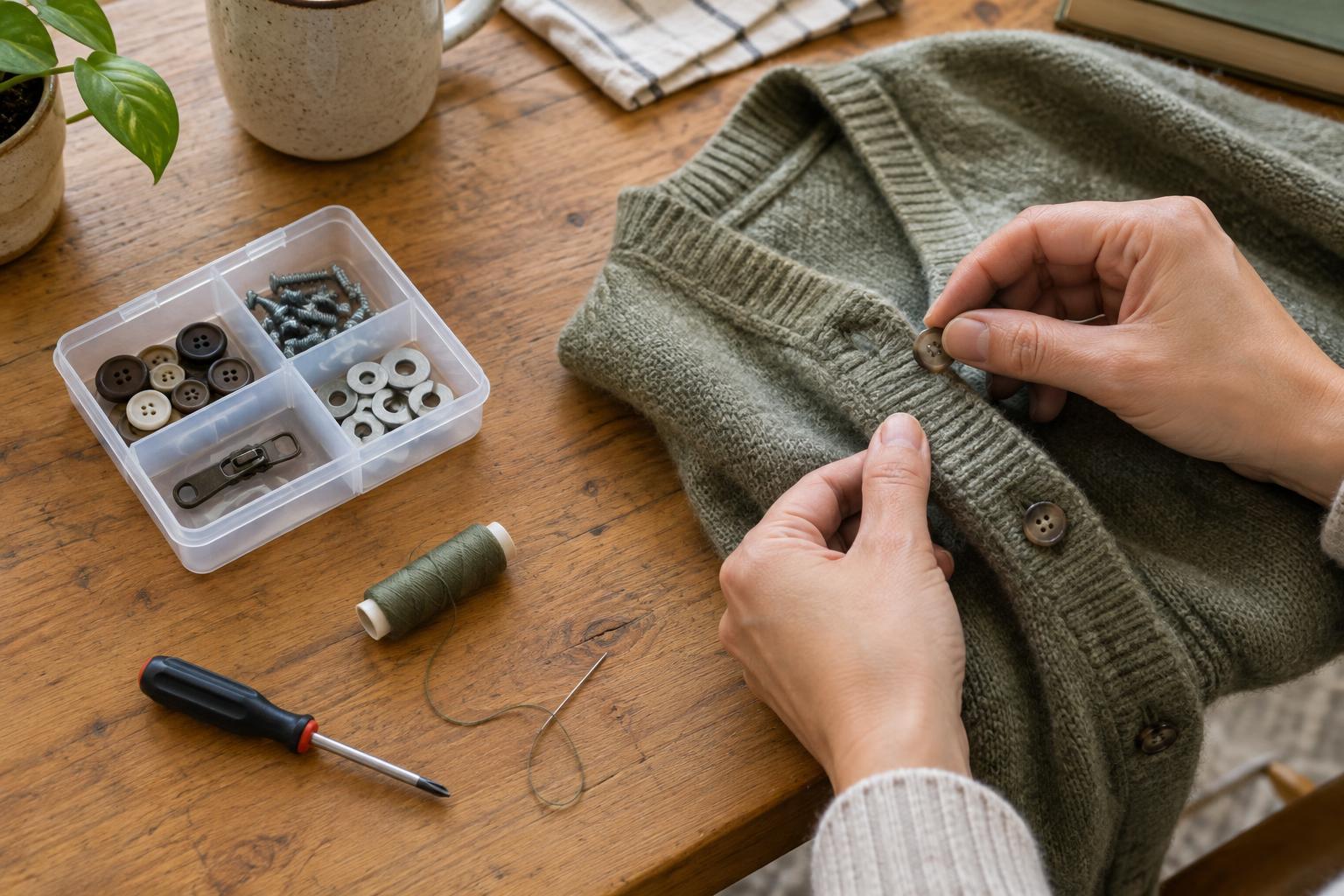
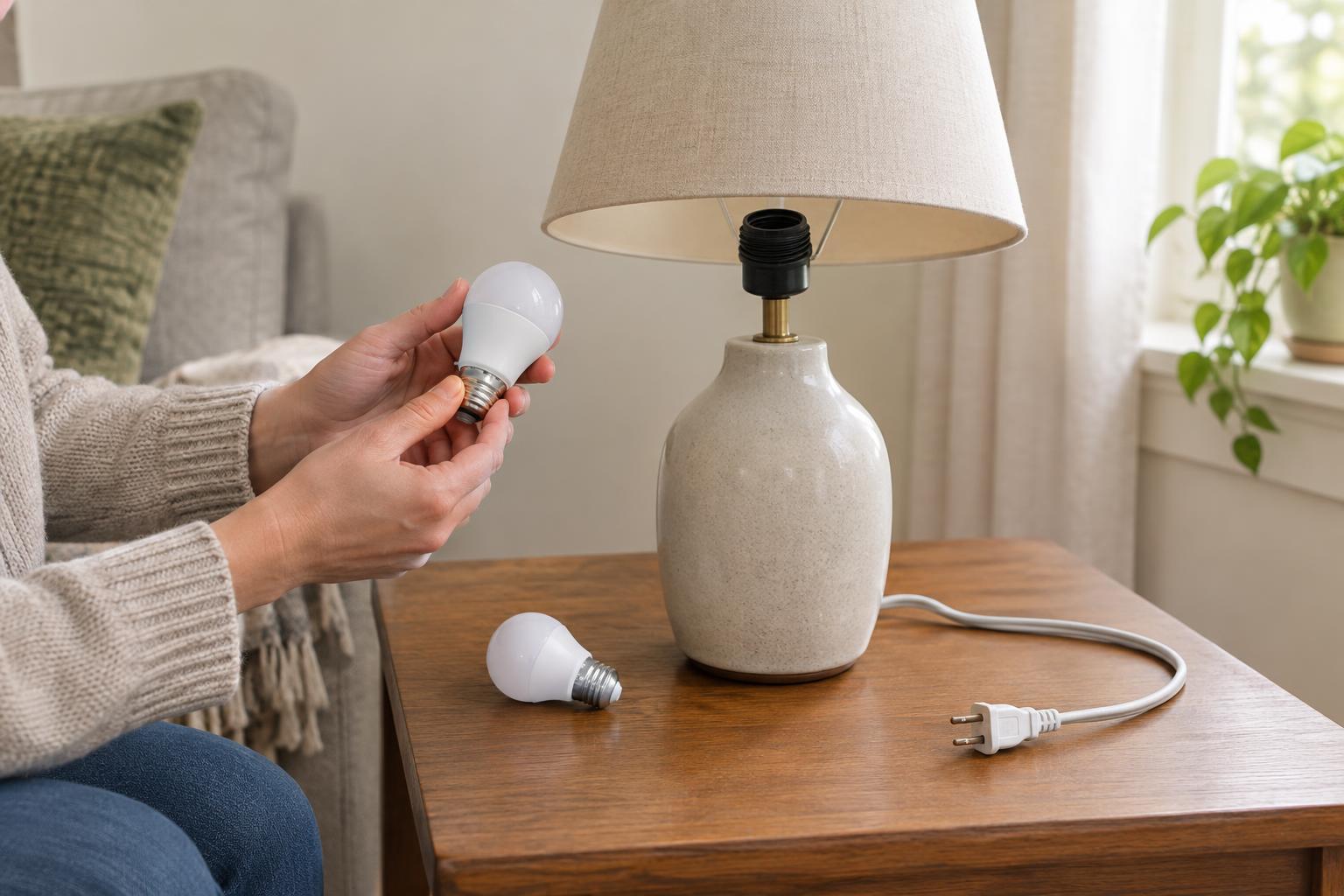
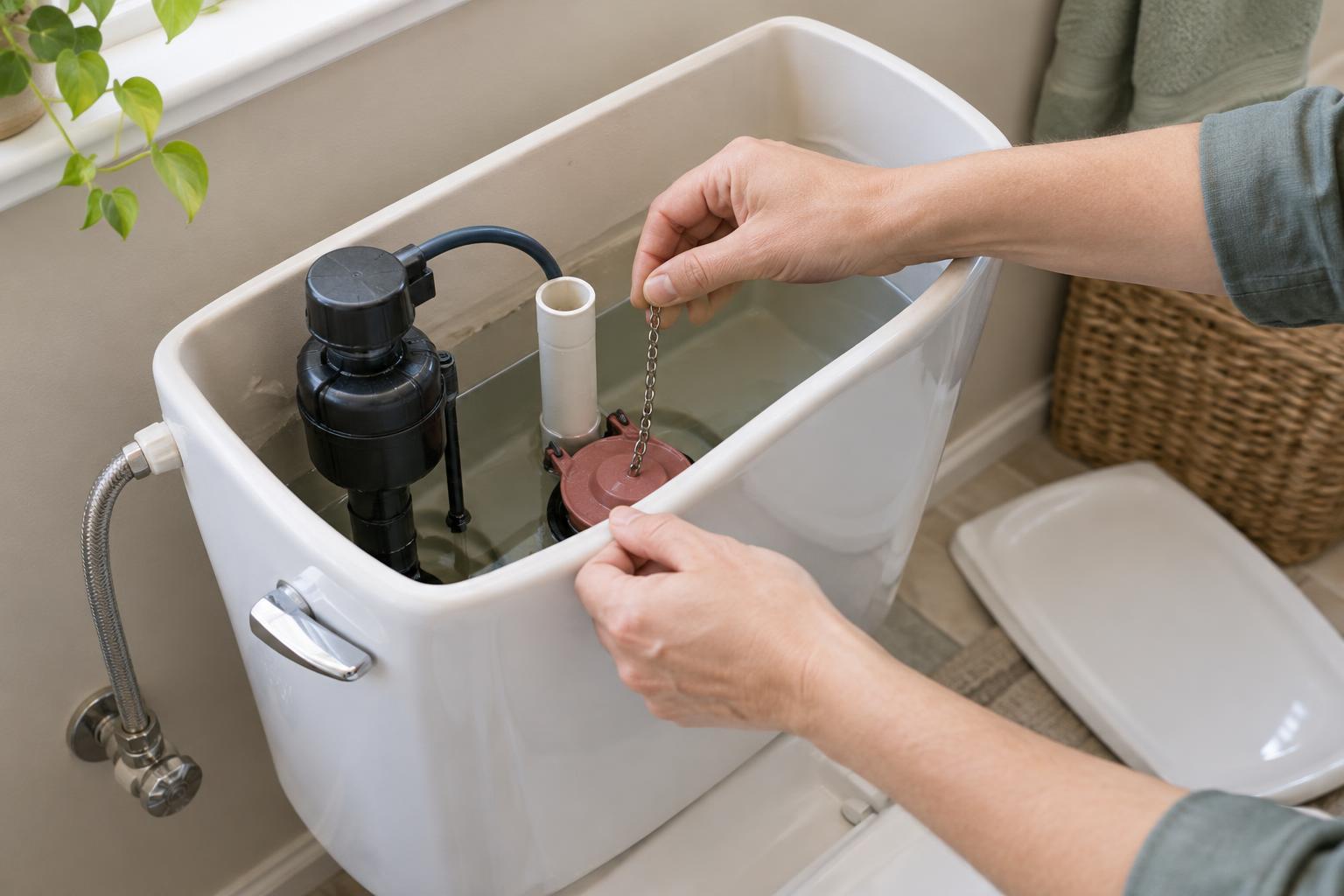
Choose one item with a problem you can describe clearly. A loose button, a lamp that flickers or a toaster that no longer heats gives a volunteer a starting point. If you have several broken things, bringing just one makes it easier to give that item proper attention and respects the time available for other visitors. A successful visit might end with a working object, a diagnosis, or a better understanding of why a repair is not practical.
Prepare the item and its story
Before leaving home, make a short note of what happens when you use the item. Does the problem occur every time or only occasionally? Did anything change just before it appeared? For a garment, note where the seam pulls or how the fit needs to change. For an appliance, record any unusual sound, smell or visible damage, but do not keep testing something that seems unsafe. You do not need to know the cause; a careful description of the symptoms is more useful than a confident guess.
Bring the pieces needed to reproduce or understand the problem: a charger or power cord, a matching remote, loose screws, or the button that fell off. If you already bought a replacement part, bring it in its packaging so its details are visible. Clean the item enough that someone can handle it comfortably, and empty pockets or storage compartments. For a device that holds personal information, back up what matters and ask about the event’s process before allowing anyone to access it.
Keep transport simple and safe. Bundle small components in a labeled bag, protect sharp edges and carry leaking items in a suitable container. Check the event’s rules before bringing anything with a damaged battery, exposed wiring, fuel or other potential hazard. Volunteers may need to decline an item that cannot be examined safely.
Make the repair a conversation
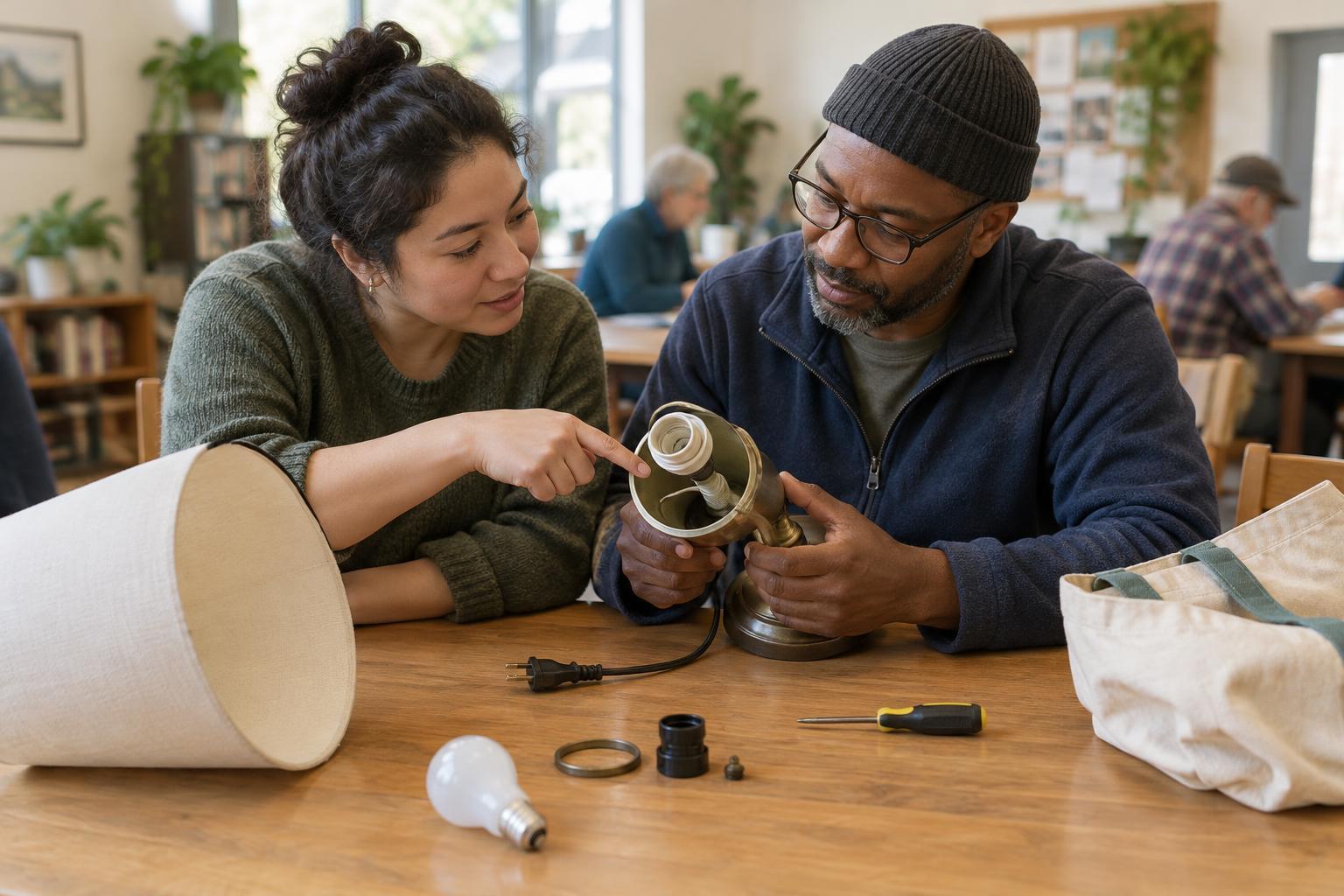
When you reach the table, explain what the item should do, what it does instead and what you have tried. Then ask whether you can watch and take part. Some tasks require a volunteer’s tools or experience, but there may be safe steps you can learn, such as identifying a fastener, threading a needle or checking whether a part is replaceable. Let the volunteer set boundaries around tools, electricity and other risks.
Useful questions are specific and open-ended: “What would you check first?” “Is this part designed to come apart?” “If a replacement is needed, what details should I match?” “How can I tell whether the fix is holding up?” You can also ask what might have caused the wear and whether a change in cleaning, storage or use could help. These questions turn a single repair attempt into knowledge you can use with other belongings.
Decide what makes sense next
Not every visit ends with a fix. A part may be unavailable, the fault may require specialized equipment, or the work may be beyond what an event can safely offer. Ask what was learned and whether there is a sensible next step: finding a compatible part, visiting a qualified repair service, trying a simpler non-electrical fix at home, or stopping. Do not put an item back into use if a safety concern remains unresolved.
If the item works again, ask how to test it and what signs would mean you should stop using it. Keep any part names or care instructions in a note. If repair is not worthwhile, consider whether usable components can be saved or the item can go through an appropriate local reuse or recycling route. A repair café cannot eliminate every purchase, but it can help you make a more informed decision before replacing something.