Start with repairs you might actually make
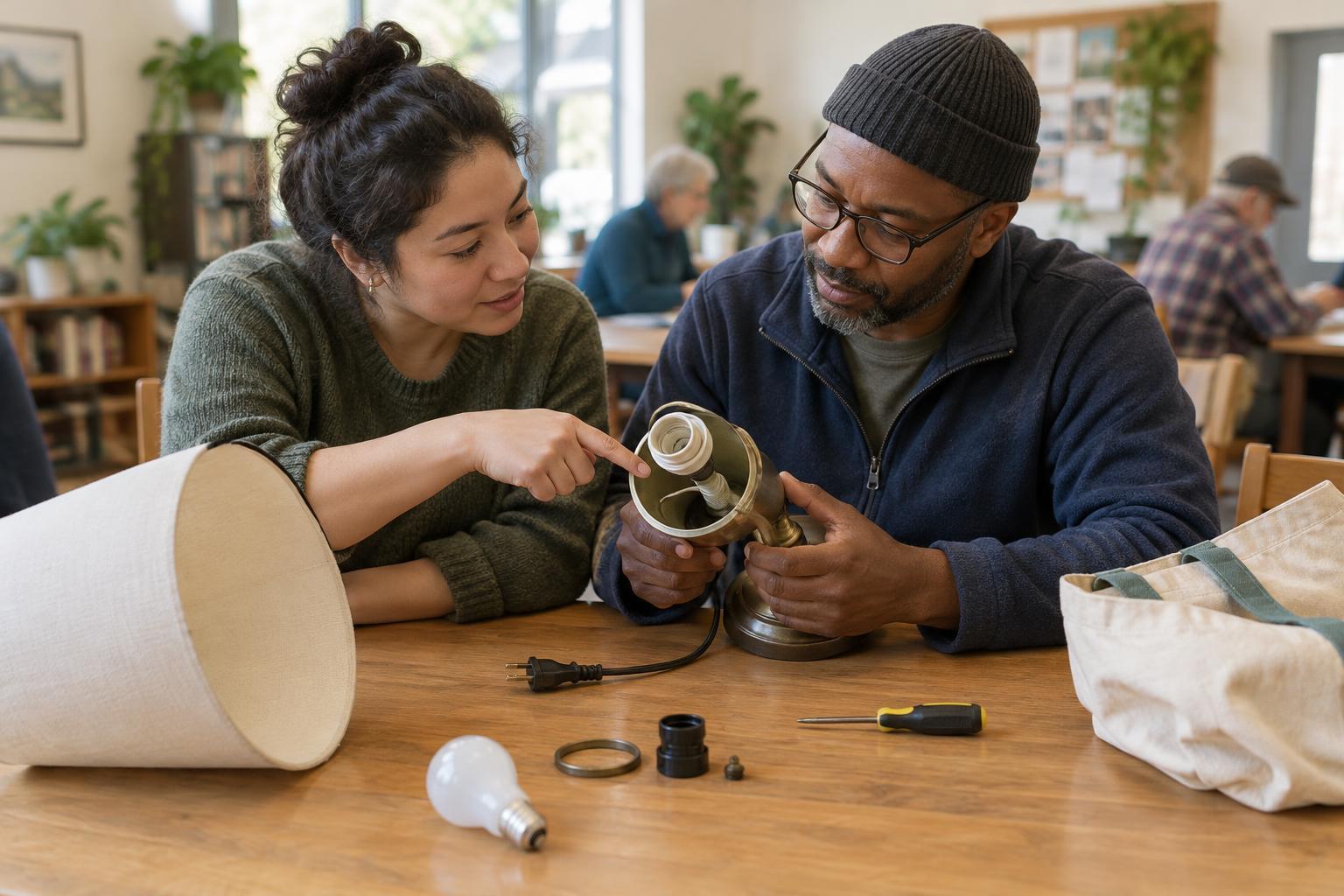
Small parts have a way of disappearing just when they are needed. A coat loses a button, a cabinet handle loosens, or a storage box needs its original clip. Keeping a few spares can make the difference between a quick fix and a stalled project. The aim is not to save every tiny object. It is to keep parts that have a clear connection to things you use and are willing to repair.
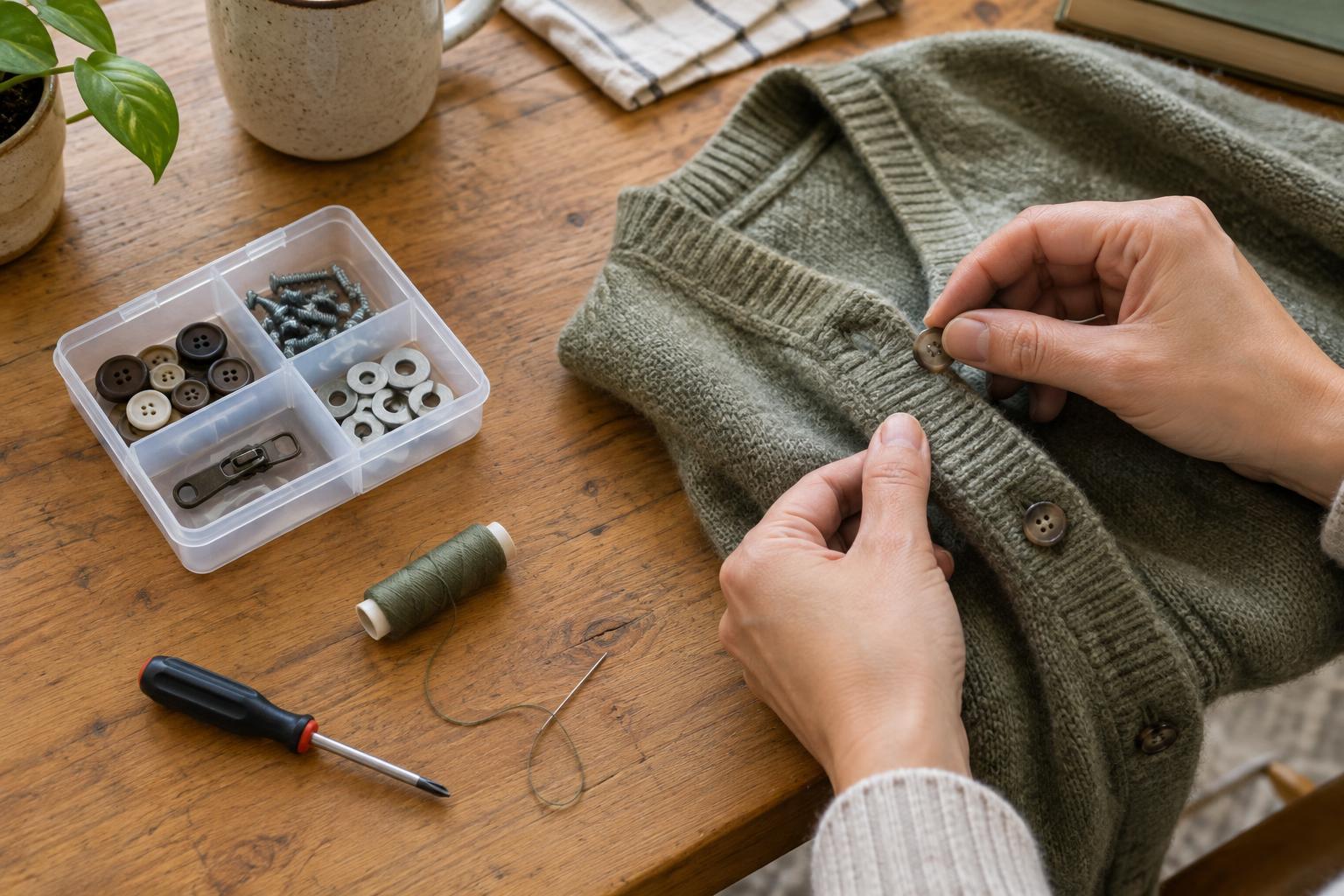
Begin by noticing the repairs that come up in your household. If you sew on buttons, keep the extras that arrived with your clothes. If you maintain flat-pack furniture, retain the unused fasteners from furniture you still own. A modest collection based on real needs is easier to search than a large jar of unidentified pieces.
Decide what earns a place
A useful spare has an identifiable purpose, is in good condition, and is difficult enough to replace that keeping it makes sense. Good candidates include matching buttons, spare shelf pegs, furniture feet, zipper pulls, and the screws supplied with a particular item. Keep unusual fittings with the item they belong to when possible, or label them with its name. A screw that looks almost right may have the wrong thread or length, so avoid relying on appearance alone.
Before saving a part, ask three questions: What does it fit? Would I recognize it later? Am I likely to use it? If you cannot answer any of them, the part may simply take up space. There is little benefit in keeping bent screws, cracked plastic clips, or fasteners too worn to hold securely. A small limit, such as one compartment or box for general spares, helps keep the collection useful.
Do not dismantle a working item solely to stockpile parts. When an item is beyond practical repair, however, removing an intact button or reusable handle may give that piece another life. Set aside time to sort anything you salvage rather than adding an unsorted handful to the box.
Store parts so you can find them
A shallow divided box, a few small jars, or labeled envelopes can work. Choose a container you can open and scan easily. Sort by use rather than by size alone: clothing closures, furniture hardware, picture-hanging supplies, and item-specific parts are more helpful groups than “small metal things.” Keep tiny pieces contained so they cannot spill or mix.
Labels make unfamiliar parts valuable. Write down the item, the part’s purpose, and any details you know, such as where a screw was removed from. If a piece came with assembly instructions, store it in a marked envelope alongside them. A photo of the item or its model label can also help you match a part later, but the physical bag still needs a clear label.
Put the kit near the tools you use for minor fixes, not in a place where it will be forgotten. Keep sharp points contained and small parts away from children and pets. Batteries and leaking, corroded, or damaged components do not belong in a general spare-parts box; handle and dispose of them according to local guidance.
Match first, repair second
When something breaks, check whether the saved part truly matches before installing it. Compare shape, measurements, and how it attaches. For clothing, test a button through the buttonhole before sewing it on. For furniture, check that a screw starts smoothly by hand; forcing a mismatched fastener can damage the material or the threads. Keep any removed part until the repair is complete so you can compare it with the replacement.
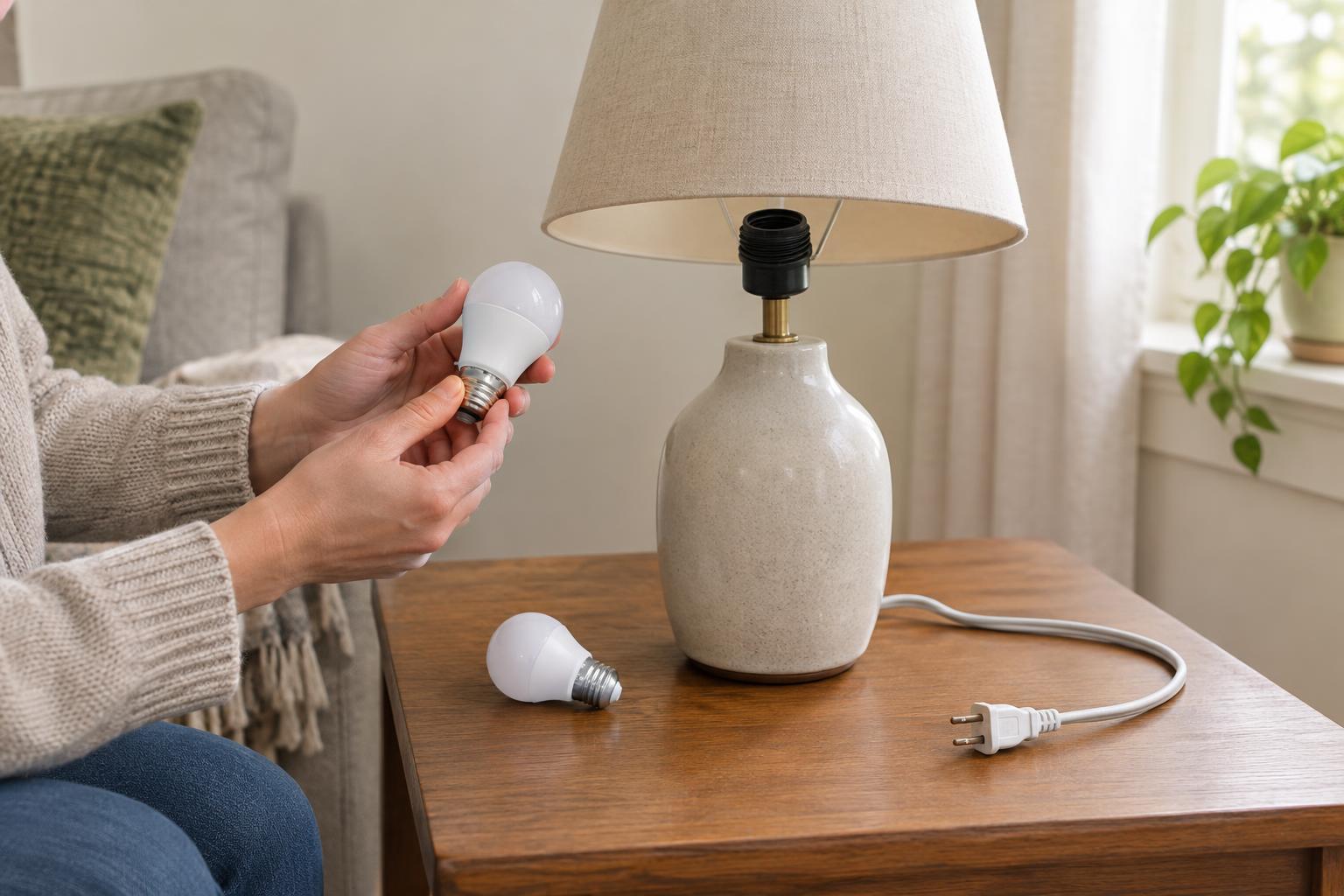
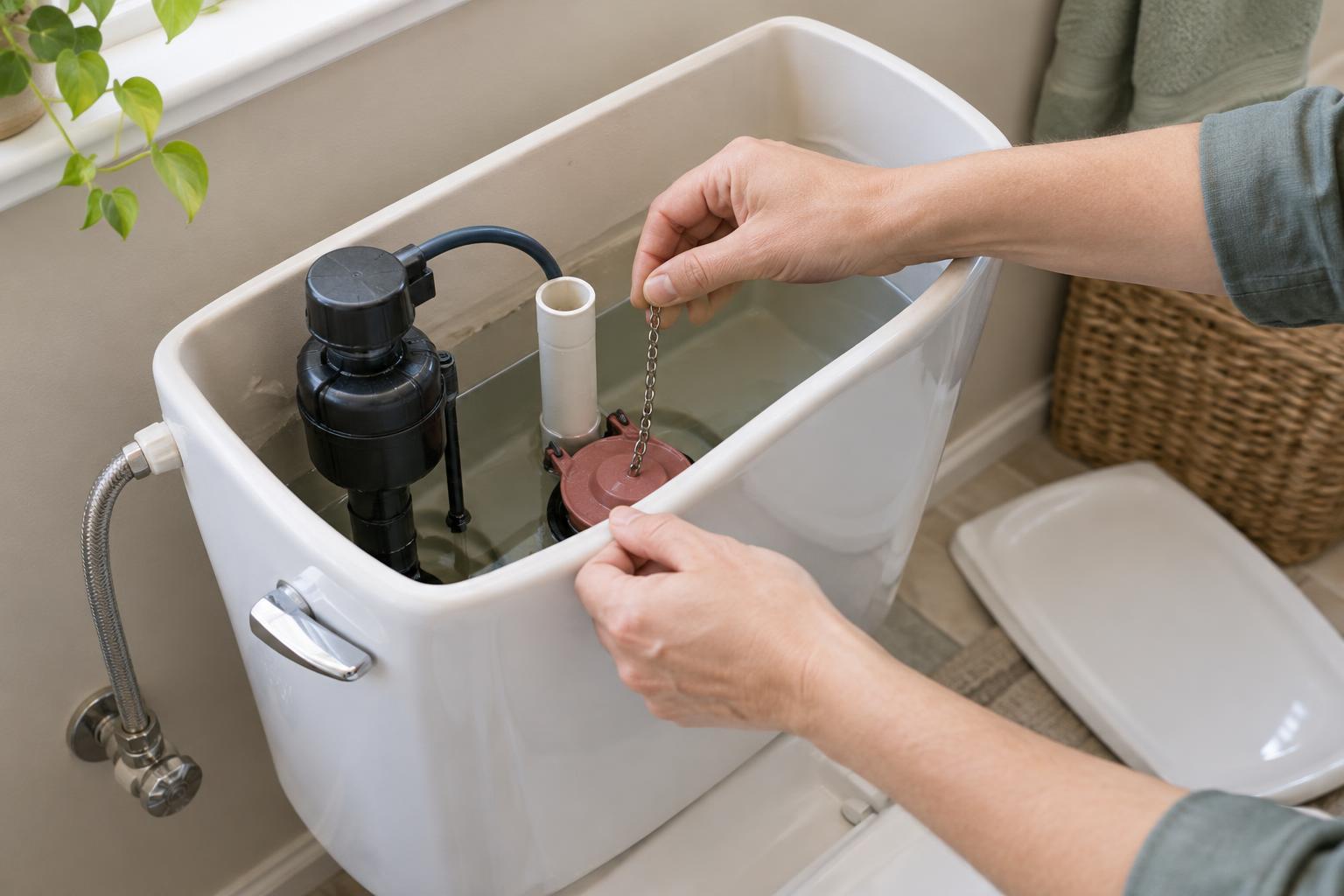
Some repairs need more than a spare piece. A loose handle may require attention to a worn hole, and a missing clip may have been holding a cracked component. If a repair involves electrical connections, gas, structural support, or another safety-critical function, a saved part is not a substitute for an appropriate replacement or qualified help. Knowing when not to improvise is part of making an item last.
Review the kit as your belongings change
A spare part is useful only while it has a likely destination. When you donate or discard an item, check whether its labeled spares should go with it. Passing along an extra button or shelf peg can help the next owner maintain the item. If the item is gone and the part has no other clear use, let the part go through an appropriate reuse or disposal route.
Give the kit a brief review when it becomes hard to close or search. Reunite loose pieces with their labels, remove damaged hardware, and keep only a manageable number of common fasteners. This small habit leaves room for the parts that matter: the ones that help you fix what you already have instead of replacing it.