Start with a snapshot, not a purge
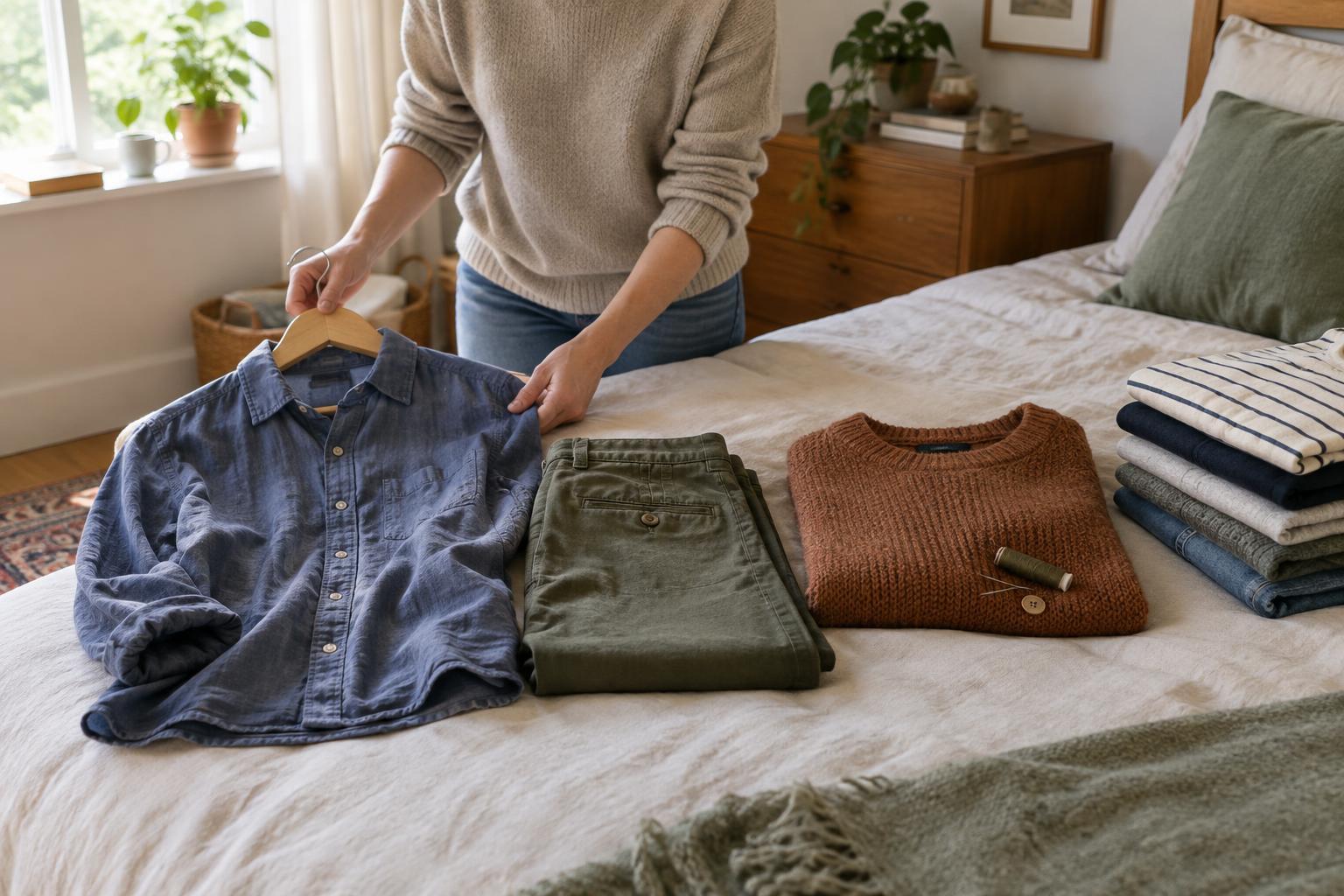
It is tempting to begin a wardrobe cleanout by pulling everything onto the bed and making quick keep-or-donate decisions. An inventory asks a different question first: what is already here? Taking stock can reveal clothes hidden behind other clothes, several pieces that serve the same purpose, or a useful item you had forgotten. It can also keep you from buying a replacement for something you already own.
Set aside enough time to look carefully, but do not feel obliged to finish your entire wardrobe in one sitting. A single drawer or clothing category is a useful starting point. Gather items from the laundry, coat hooks, storage boxes, and any other places you normally keep clothes. If something is being washed or repaired, make a note of it rather than treating it as missing.
Choose a recording method you will use
Your inventory can be a notebook page, a phone note, or a simple spreadsheet. Sort by broad categories such as everyday tops, work clothes, trousers, layers, shoes, and occasion wear. Within each category, list items individually if that feels manageable, or record totals and brief descriptions. “Three dark sweaters, one needs mending” is more helpful than a perfect database you abandon halfway through.
For each item or small group, note what matters to your decisions: condition, fit, comfort, and whether you wear it. You might use short labels such as “in regular use,” “seasonal,” “needs repair,” and “unsure.” Keep sentimental clothing separate from everyday clothing in your notes. A garment can be worth keeping for personal reasons without being counted as part of your working wardrobe.
Look at how your clothes support your routine
Counts become useful when you compare them with your actual week. Think about the clothes you reach for at home, at work, outdoors, and for any activities you do regularly. Consider your laundry rhythm, too: someone who washes clothes less often may need more repeat-use basics than someone who washes frequently. There is no universal right number of shirts or pairs of shoes.
As you review each category, ask which pieces you choose first and why. Is it the fit, fabric, ease of care, or ability to wear the item with other things you own? Then look at the pieces left behind. An unworn garment might be uncomfortable, hard to clean, unsuitable for your current routine, or simply buried out of sight. These observations tell you more than a rule about how long an item has gone unworn.
Notice gaps without immediately turning them into a shopping list. If you seem short of warm layers, check whether an existing garment needs repair or whether a stored piece could return to use. Write down a possible need and revisit it after you have worn your wardrobe for a while.
Flag decisions without making them all at once
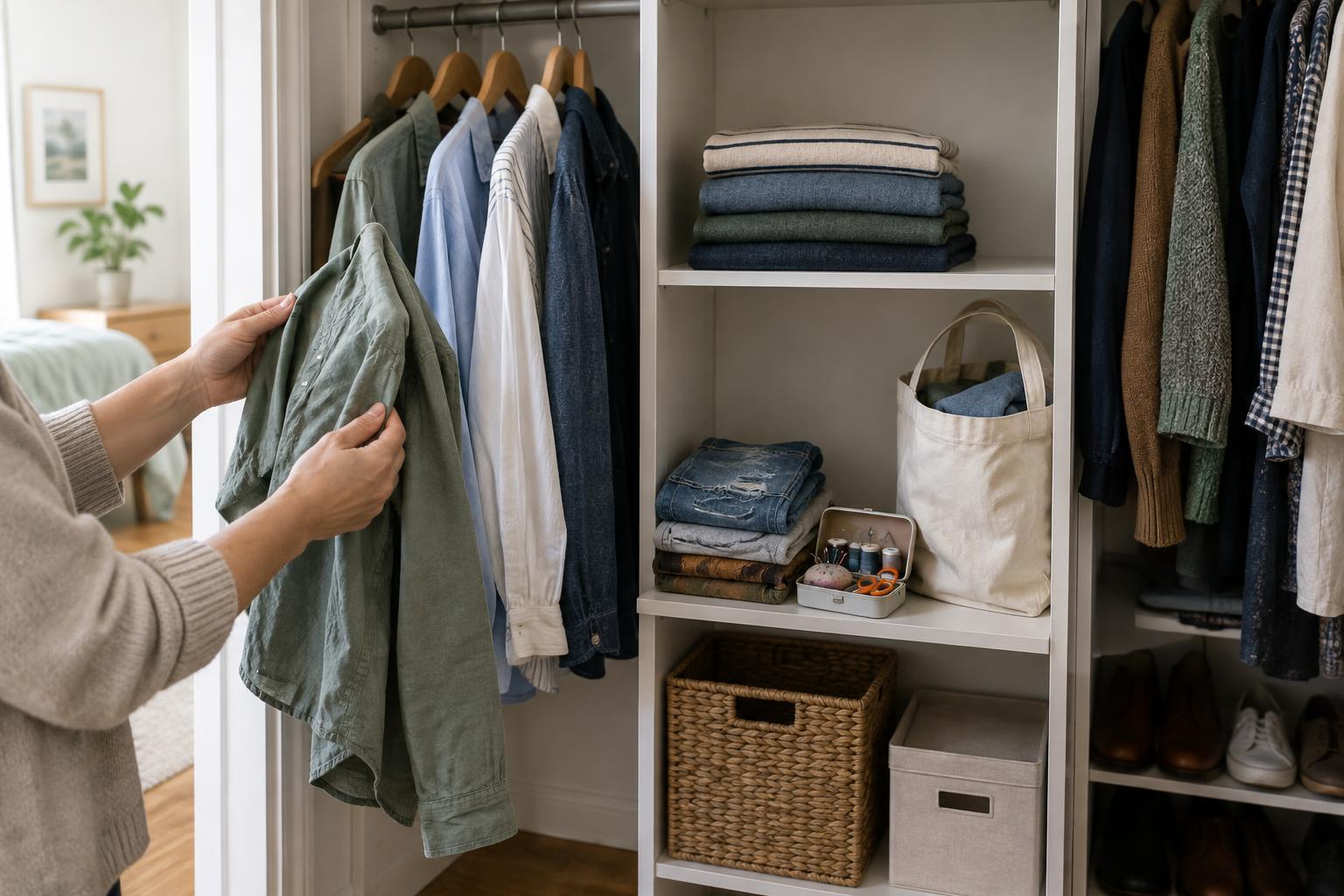
An inventory does not require you to decide the fate of every item immediately. Put clothes that need washing, mending, or alteration in clearly marked places so they do not disappear back into the closet. For uncertain pieces, make a small “try again” group and wear them in ordinary circumstances. You may learn more from one full day in a shirt than from holding it up for a few seconds.
When you are ready to declutter, your notes can guide the process. Duplicates that perform the same job, clothes that no longer fit comfortably, and pieces you consistently avoid are reasonable items to review. Keep what serves your life rather than what fits an idealized version of it. For anything leaving your wardrobe, choose a realistic next step: offer wearable pieces for reuse and check local options for damaged textiles.
Keep the inventory light enough to repeat
The most useful inventory is one you can update. After the first pass, you may only need to note additions, repairs, and departures. A brief check when the seasons change can show whether last year’s favorites still work and whether a supposed gap was temporary. If tracking every item feels burdensome, keep category totals and a short list of things to mend or reconsider.
Before bringing in something new, glance at what you already have and the notes you made about fit and use. This pause is not a ban on shopping; it is a way to choose with better information. Starting with an inventory makes decluttering less about reaching a target number and more about building a wardrobe whose contents you can see, care for, and wear.