Start with the recipient, not the find
A beautiful secondhand find can be hard to leave behind, especially when it costs little or reminds you of someone. But a gift is useful only if the recipient wants to own it. Before buying, think about what they enjoy, what they already have, and how much space they can spare. A vintage mixing bowl may suit someone who cooks often; the same bowl may be an unwanted storage problem for someone with a small kitchen.
If you are unsure how the person feels about used goods, ask in a general way before you shop: “Would you enjoy a secondhand book or home item as a gift?” Some people welcome them, while others prefer certain things new or would rather receive no physical gift. Treat that answer as a boundary, not a challenge to find a more persuasive item.
Choose a narrow purpose instead of browsing until something catches your eye. You might look for a particular book the recipient has mentioned, a replacement for a well-used tool, or a piece that fits a collection they actively maintain. A low price is a benefit only after the item passes the more important test: would this person choose to make room for it?
Check for usefulness and condition
Inspect a potential gift with the same care you would give a purchase for your own home. Look for damage, missing parts, persistent odors, and cleaning needs. If it has a moving part, fastening, or electrical function, confirm that it works before you give it. When you cannot check something important, consider a different gift rather than handing the uncertainty to the recipient.
Think about what the item will require after it is opened. A picture that needs an unusual frame, a lamp without a suitable shade, or a board game with missing pieces creates another task. Accessories and setup matter too: a useful gift should be reasonably ready to use, not merely full of potential.
Some categories call for extra caution. Avoid giving used personal-care items or anything whose hygiene is difficult to assess. For items intended for children, check that they are appropriate for the child's age and in sound condition; if you cannot verify whether a particular product is safe to use, choose something else. Sentiment does not outweigh a practical concern.
Prepare it without disguising what it is
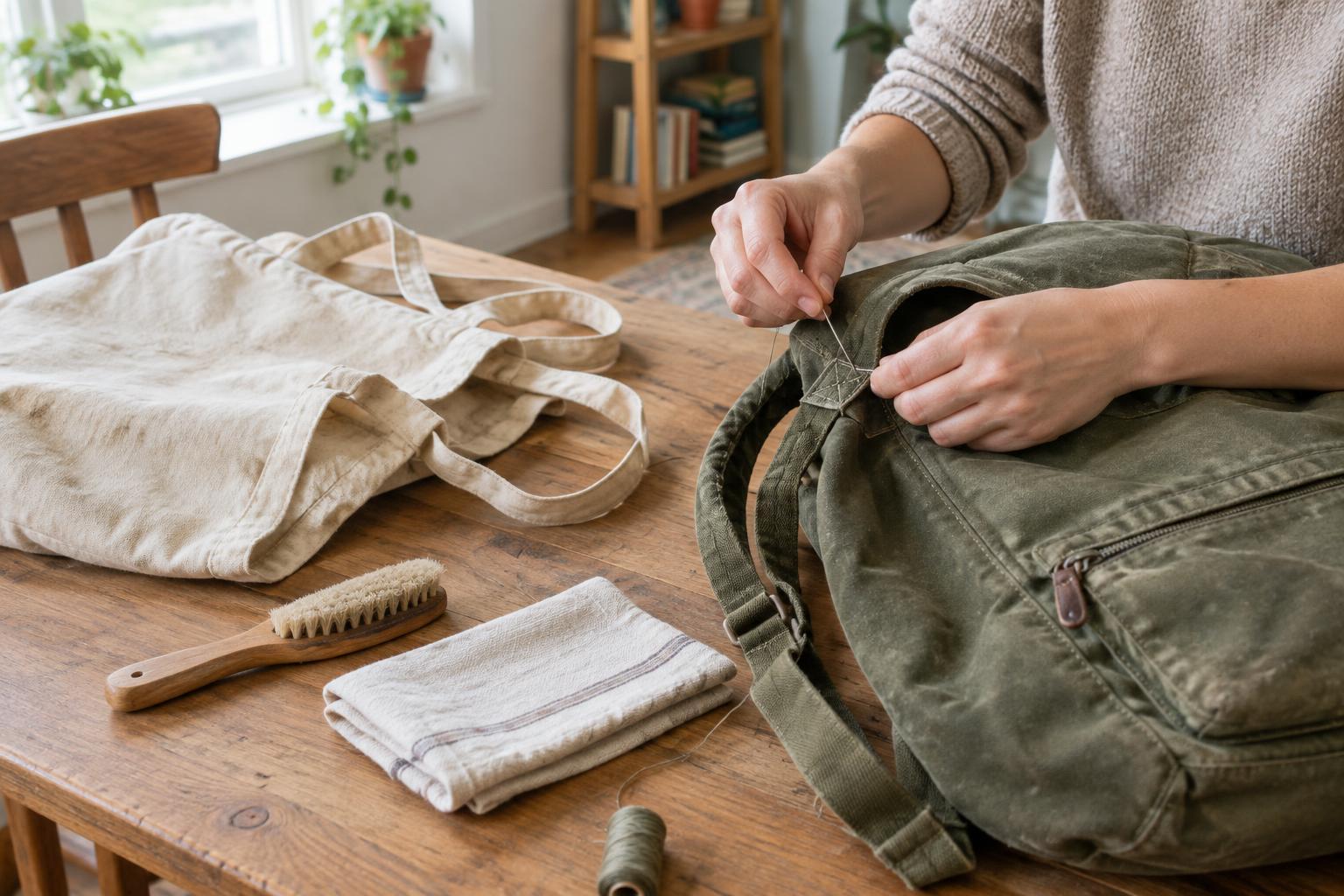
Clean the item according to its material and allow enough time for it to dry fully. Remove old price stickers where possible, but do not use harsh cleaning methods that could damage a finish, fabric, or label. If a book has an inscription or a household item has a small mark, decide whether the detail adds character or simply needs a clear mention.
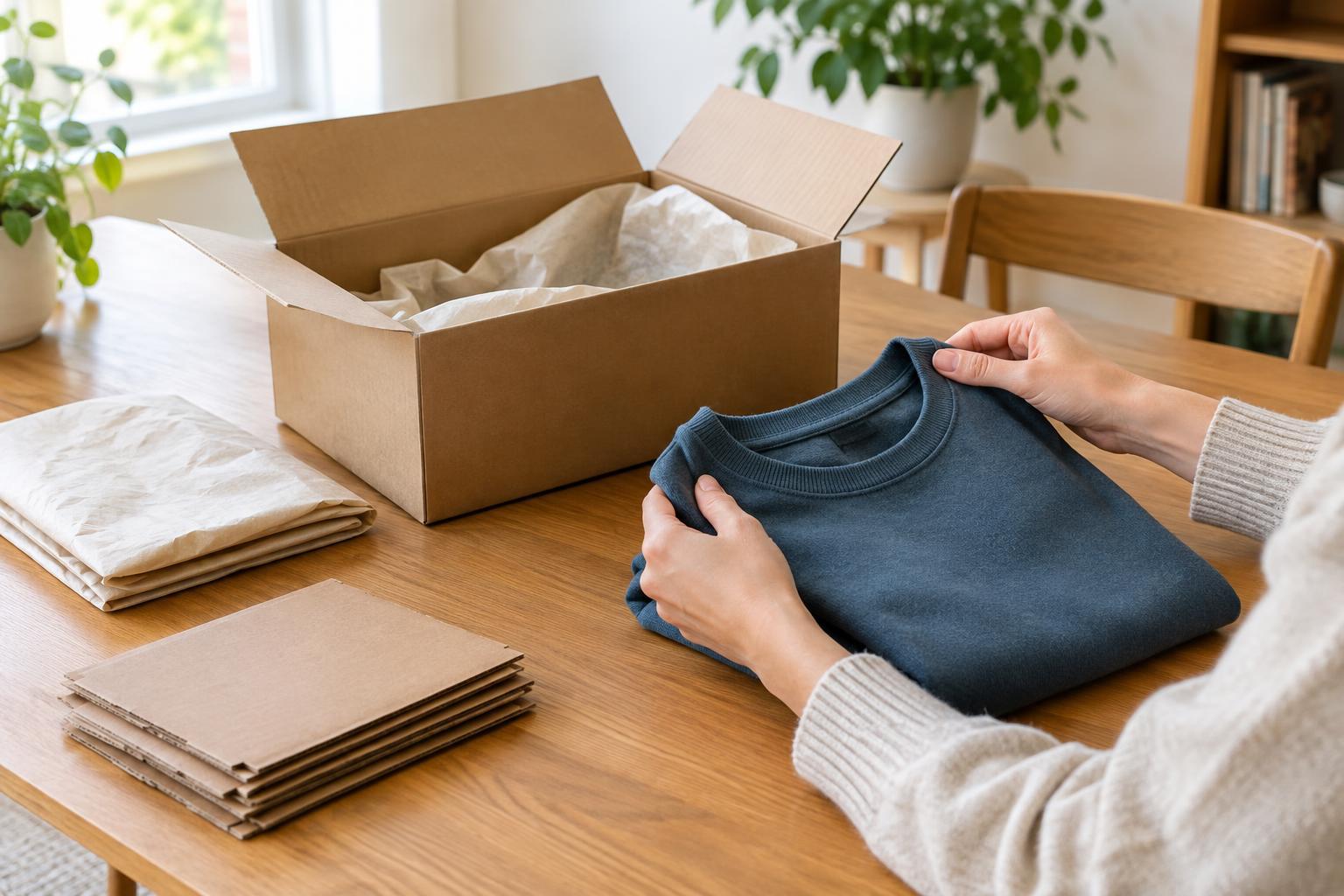
Presentation can show care without creating more waste. Reuse a gift bag, wrap the item in a clean scarf that the recipient would use, or add a simple note explaining why you chose it. You do not need to make the object look new. An honest description such as “I found this copy of the book you mentioned” lets the recipient appreciate the thought without wondering about its history.
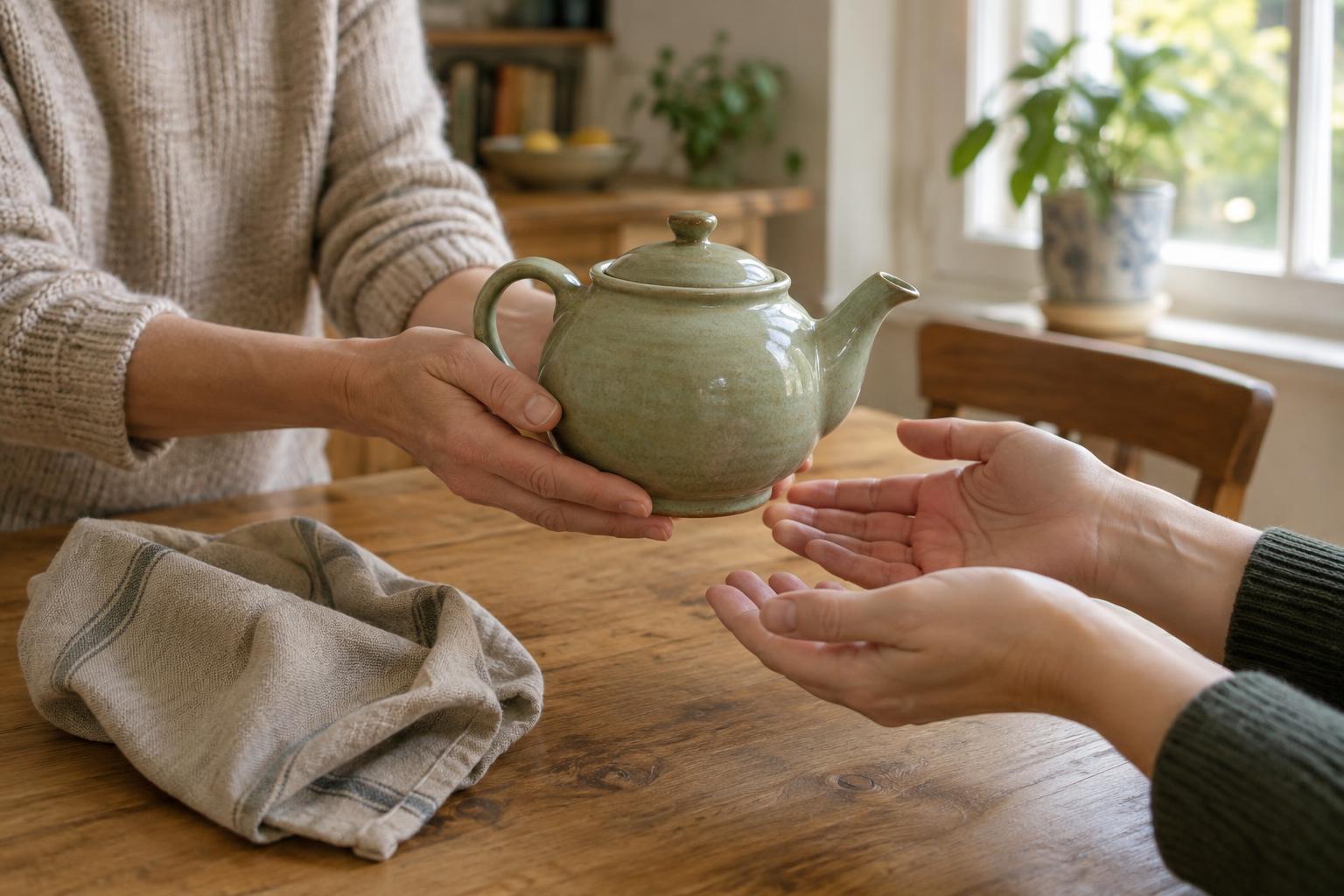
If the gift is part of a shared occasion, keep the setting in mind. Someone might be delighted by a secondhand item in private but uncomfortable answering questions about it in front of others. When in doubt, give it one-to-one and leave room for an unpressured response.
Make it easy to keep, pass along, or decline
Even a carefully chosen gift can miss the mark. Tell the recipient that you will not be offended if the item does not fit their needs and that they are free to pass it along. This matters especially for decorative objects and collectibles, which can feel difficult to discard because someone chose them personally.
For a person who is actively reducing clutter, consider whether the best secondhand gift is no object at all. You could offer to accompany them to a used-book shop, help find a specific replacement they need, or simply spend time together. Thoughtful secondhand giving is not about proving that every used item deserves another home. It is about matching an existing item with someone who genuinely has a use for it.