Start with the repairs you actually face
A useful home repair kit does not need to fill a workshop. Its job is to make small, familiar tasks easier: tightening a loose cabinet handle, adjusting a sticking drawer, reattaching a hook or replacing a worn furniture pad. Look around your home before buying anything. The fasteners and materials you already own are a better guide than a large prepacked set.
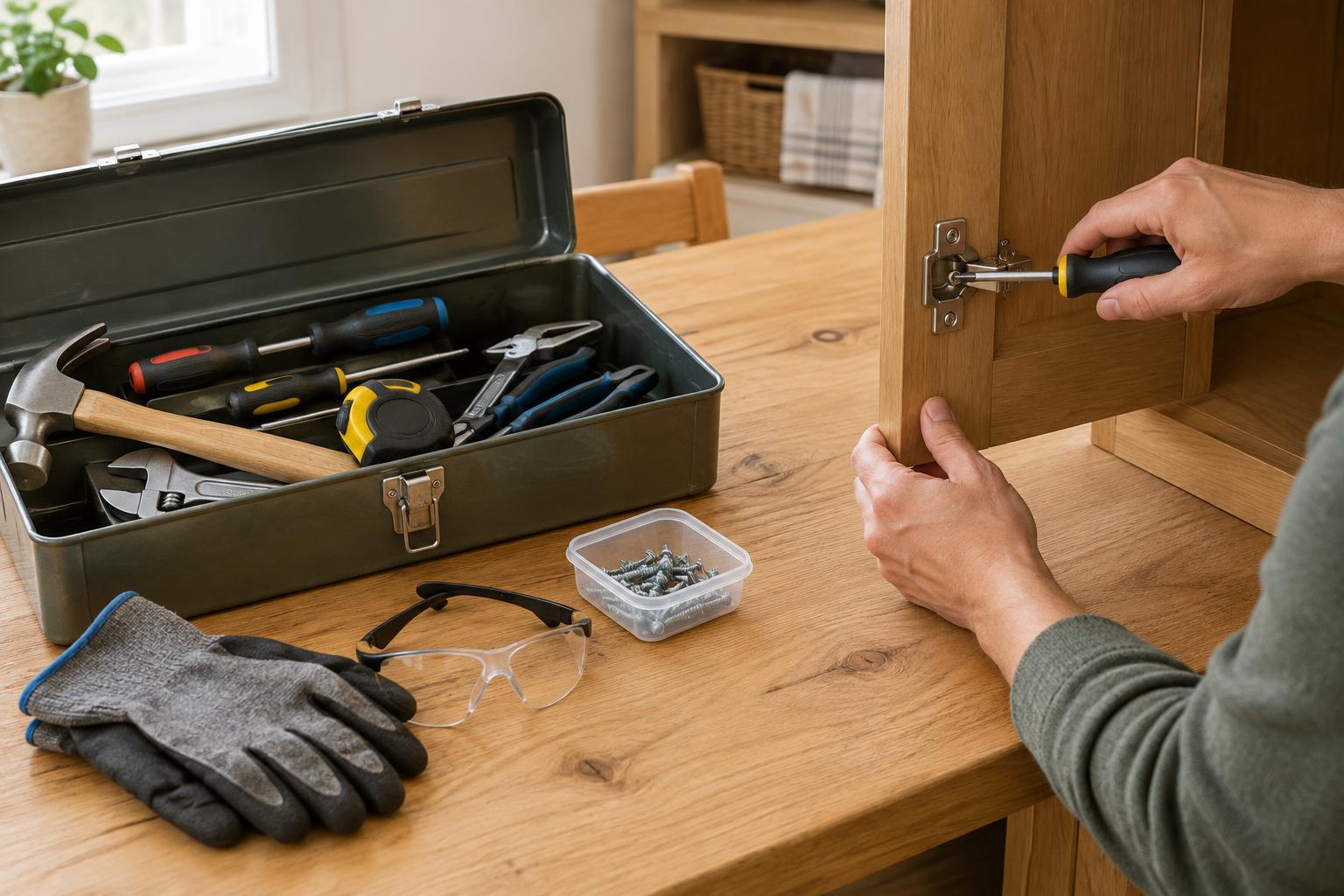
Start with a sturdy screwdriver that accepts interchangeable bits, including the shapes used on your furniture and fixtures. Add a tape measure, a small level and a claw hammer. Needle-nose pliers can grip small parts, while an adjustable wrench helps with nuts and bolts. A set of hex keys is useful if your furniture uses hex-socket screws. Choose tools that feel comfortable in your hand; a few reliable pieces are more useful than a case full of pieces you cannot identify.
Add cutting tools and supplies with care
A utility knife can open packaging, trim certain materials and help with careful cleanup. Pick one with a blade that retracts or folds securely, and keep spare blades protected. Scissors are often the better choice for light work. When cutting, use a stable surface and keep your free hand out of the blade’s path.
A small supply box might hold assorted screws, a few washers, picture-hanging hardware, felt furniture pads and a pencil for marking measurements. Save labeled spare parts from furniture you own, but avoid keeping unidentified handfuls of hardware indefinitely. Match replacement screws and anchors to the item, wall material and expected load rather than guessing from what happens to be in the box. Adhesives and tapes can be useful for appropriate jobs, but they are not substitutes for a secure mechanical fix when something must bear weight.
Make safety part of the setup
Before starting, clear a well-lit work area and read any instructions for the tool, product or fixture. Wear eye protection when drilling, hammering or doing work that could send chips flying. Gloves may help with rough edges, though they should not reduce your grip or control. Keep children and pets away from loose blades, sharp fasteners and the work area.
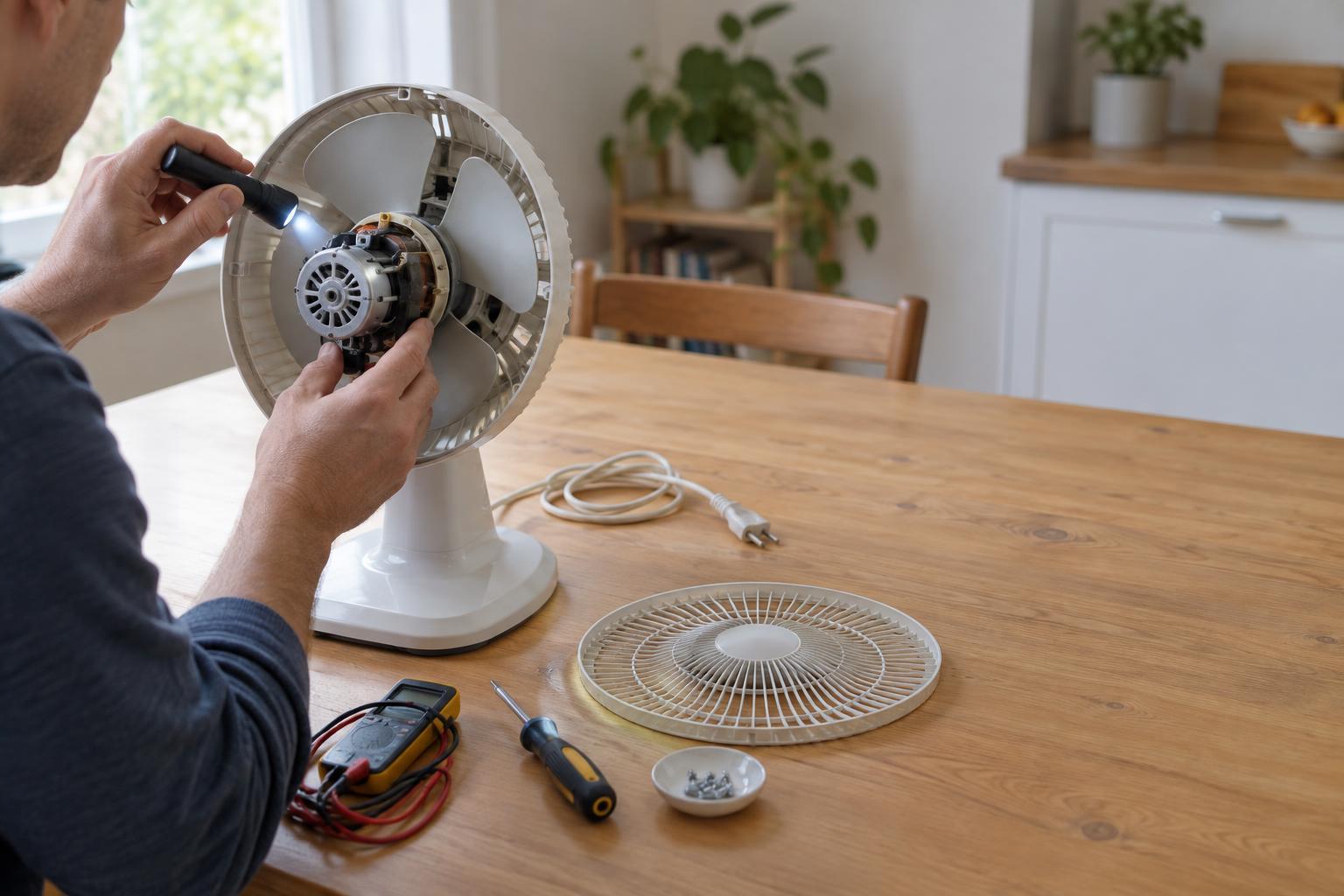
Check what is behind a surface before drilling or driving a screw. Hidden wiring or pipes can turn a minor job into a serious problem. If you cannot establish that a spot is safe, do not drill there. For tasks involving electricity, turn off the relevant power before touching a fixture; if you cannot confidently identify and verify the circuit, stop and seek qualified help. Water leaks, gas connections, structural damage and work at unsafe heights are also good reasons to pause. A repair kit is not a reason to take on a hazardous repair.
Practice a slow, repeatable repair routine
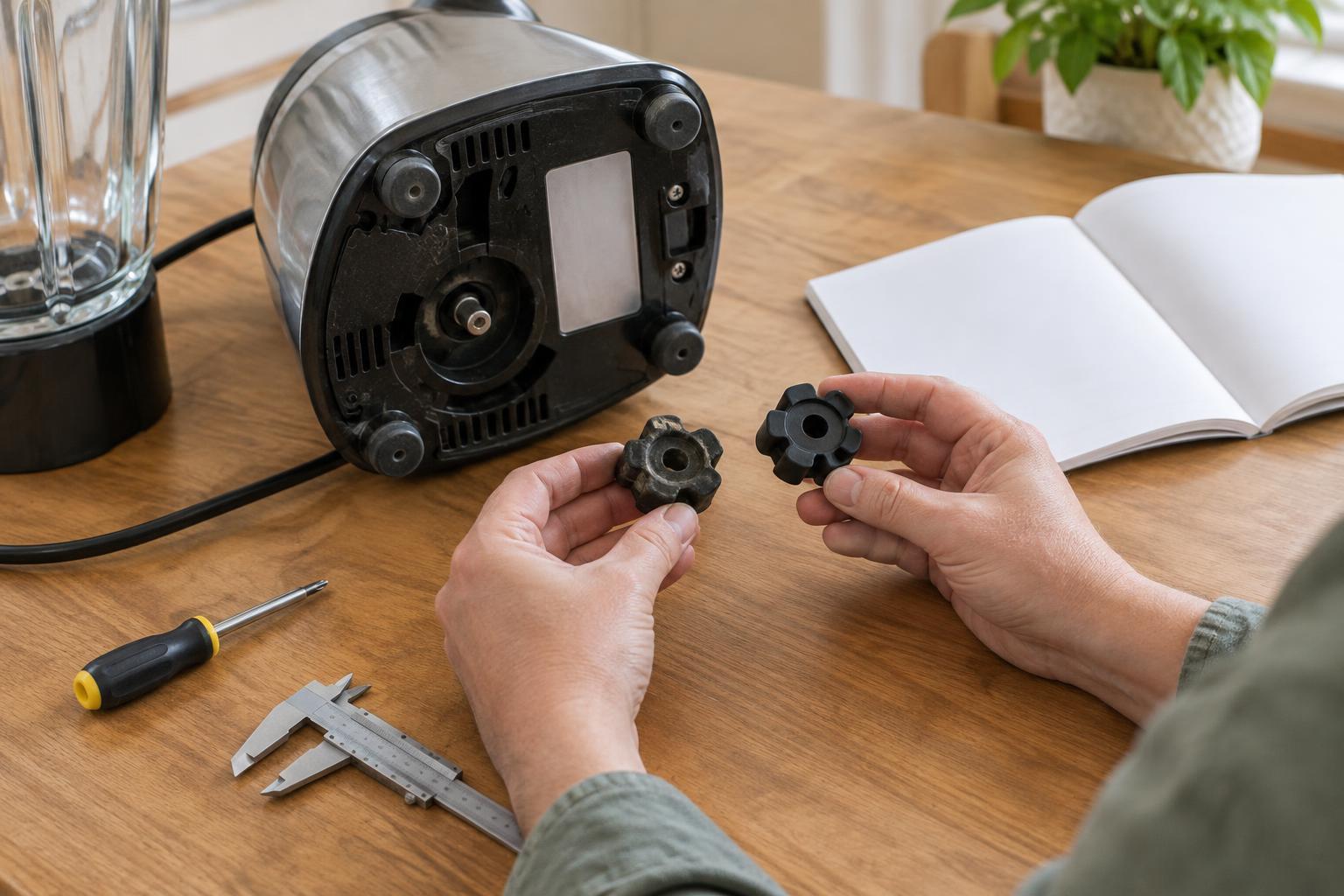
For a first repair, choose a low-risk item you can reach easily, such as a loose handle on a freestanding piece of furniture. Examine how it is attached, take a photo before removing parts and place small pieces in a dish. Measure before cutting or buying replacements. Use the correct bit or wrench, apply steady pressure and stop if a fastener slips, strips or takes unusual force.
Once the item is back together, test it gently before returning it to everyday use. If the same part loosens repeatedly, look for the underlying cause rather than tightening it harder each time. Damaged threads, missing washers or worn material may call for a different fix. It is reasonable to ask a repair-minded friend, a local repair service or a qualified tradesperson for help when the cause is unclear.
Keep the kit small and ready to use
Store tools in one portable box or drawer, with sharp items covered and small parts contained. Wipe tools dry after use, replace damaged blades and return each piece to its place. A simple note listing the tools you own can prevent duplicate purchases. Borrow or rent a specialized tool for an occasional job before deciding whether it deserves permanent space at home.
The most valuable part of the kit is the habit it supports: noticing a small problem, assessing whether it is safe to fix and taking the time to do the job carefully. Some repairs will need a new part, and some will need an expert. For the manageable ones, having the right basic tools close at hand can help an item stay useful instead of being discarded over a loose screw.