Start with the gap between washes
There is no single useful number of clothes for everyone. Someone who washes clothes twice a week has different needs from someone who uses a shared laundry room every two weeks. Before editing your wardrobe, note how many days usually pass between loads. Use your real routine, including the weeks when laundry runs a day or two late, rather than the schedule you hope to follow.
Next, list what you typically wear during that gap. Separate everyday outfits from clothes needed for work, exercise, sleep, or messy tasks. A person who works from home may use the same casual clothes for much of the week; someone with a uniform may need fewer everyday outfits but enough uniform pieces to reach the next wash. Count the categories that serve your life, not the ones a wardrobe checklist says you should own.
Count wears, not just items
An item does not always need washing after one wear. How often you can wear it again depends on the garment, the activity, the weather, and your comfort. A sweater worn over another layer might last several wears, while a shirt worn during a sweaty commute may go straight into the hamper. Make a rough distinction between items you generally wash after each use and items you can usually rewear.
For each category, estimate how many fresh pieces you use between laundry days. If you wear a fresh T-shirt most days and wash weekly, start with enough T-shirts for that stretch. If you wear the same trousers several times before washing them, you may need far fewer pairs. This is a starting point, not a rule: adjust it for your preferences and for any clothing that needs special care or takes a long time to dry.
Leave room for an ordinary delay
A wardrobe that works only when every load happens on time can feel frustrating. A modest buffer may be useful for a late wash, a spill, or an unexpected change of plans. That does not mean keeping a second full wardrobe. For frequently washed basics, one or two extra pieces may offer enough breathing room; for other categories, a versatile item you already own may serve as the backup.
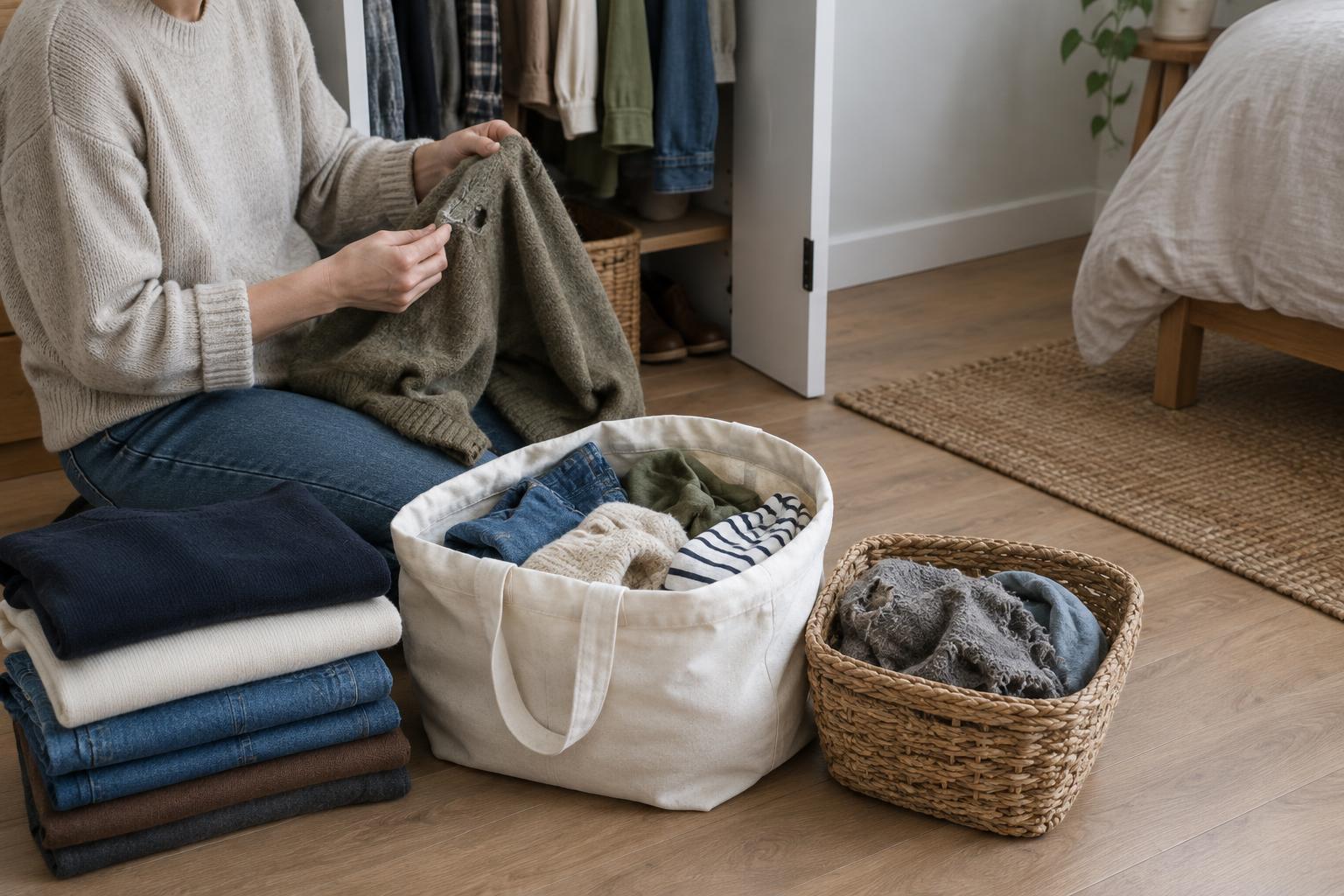
Think about whether the backup is actually wearable. Three spare tops do little good if none fits comfortably or works with your usual bottoms. Check that essential items are in good condition, especially those you depend on for work or a regular activity. Repairing a loose button or replacing worn elastic can make an existing piece useful again without increasing the size of your wardrobe.
Check the whole routine, including seasons
Laundry timing is only one part of the picture. Your week may include exercise, outdoor work, formal occasions, or caring for young children. Rather than adding multiples of everything, identify which activities require their own clothes and how often those items can be washed. Some pieces can do more than one job: comfortable trousers might work for errands and a casual workplace, for example.
Seasonal clothes need a separate check. A coat may be worn often but washed rarely, so it should not be counted like a daily shirt. Store off-season items where you can find them, then review them when the weather changes. This makes it easier to judge what you genuinely use without treating every item you own as something that must fit into your current laundry cycle.
Test your numbers before clearing space
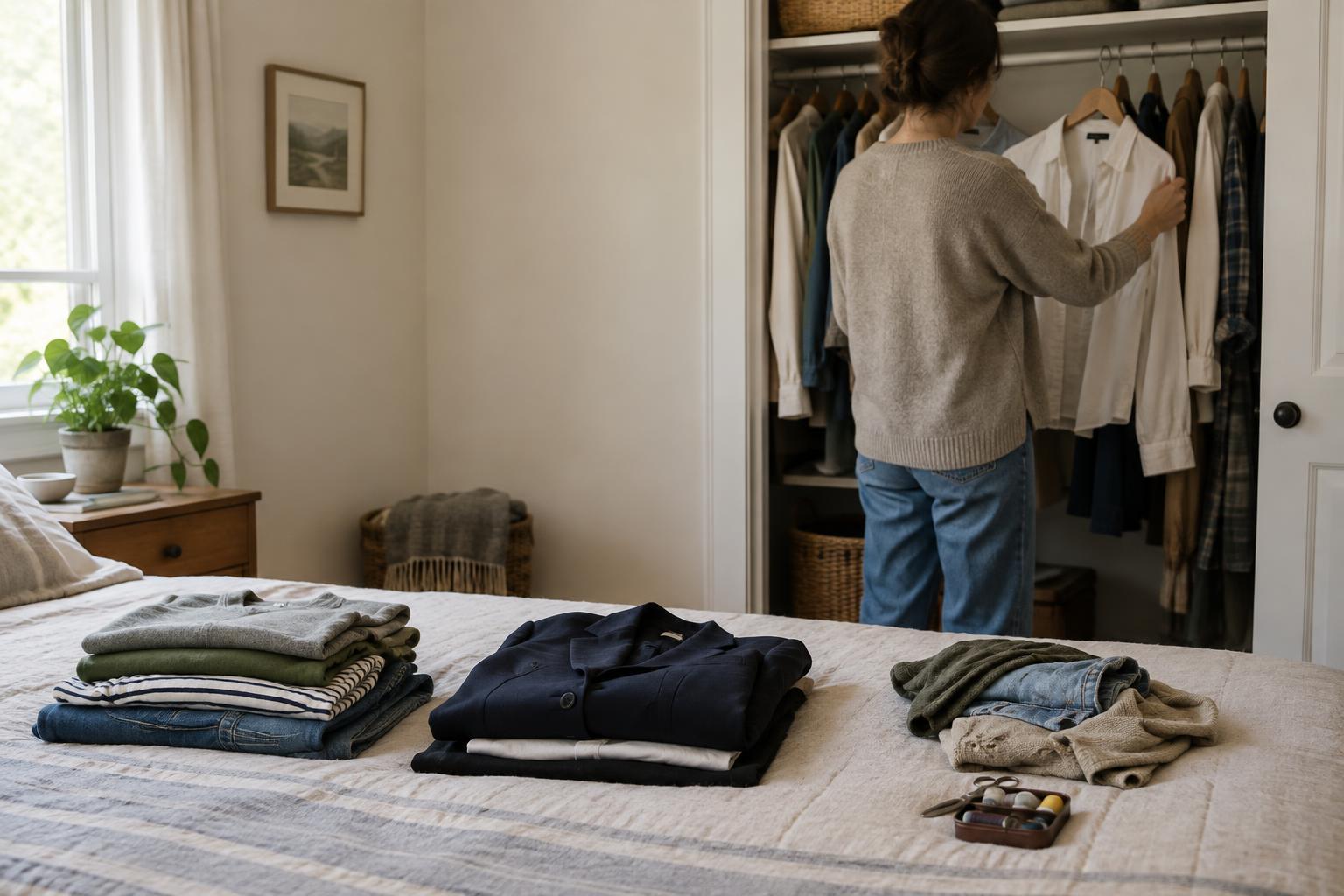
For a few laundry cycles, notice what you reach for and what remains untouched. If you repeatedly run out of socks before wash day, you have found a specific gap. If clean shirts consistently remain in the drawer when the next load is done, you may have more than your routine requires. Also notice whether you avoid an item because it needs mending, feels uncomfortable, or does not pair with the rest of your clothes.
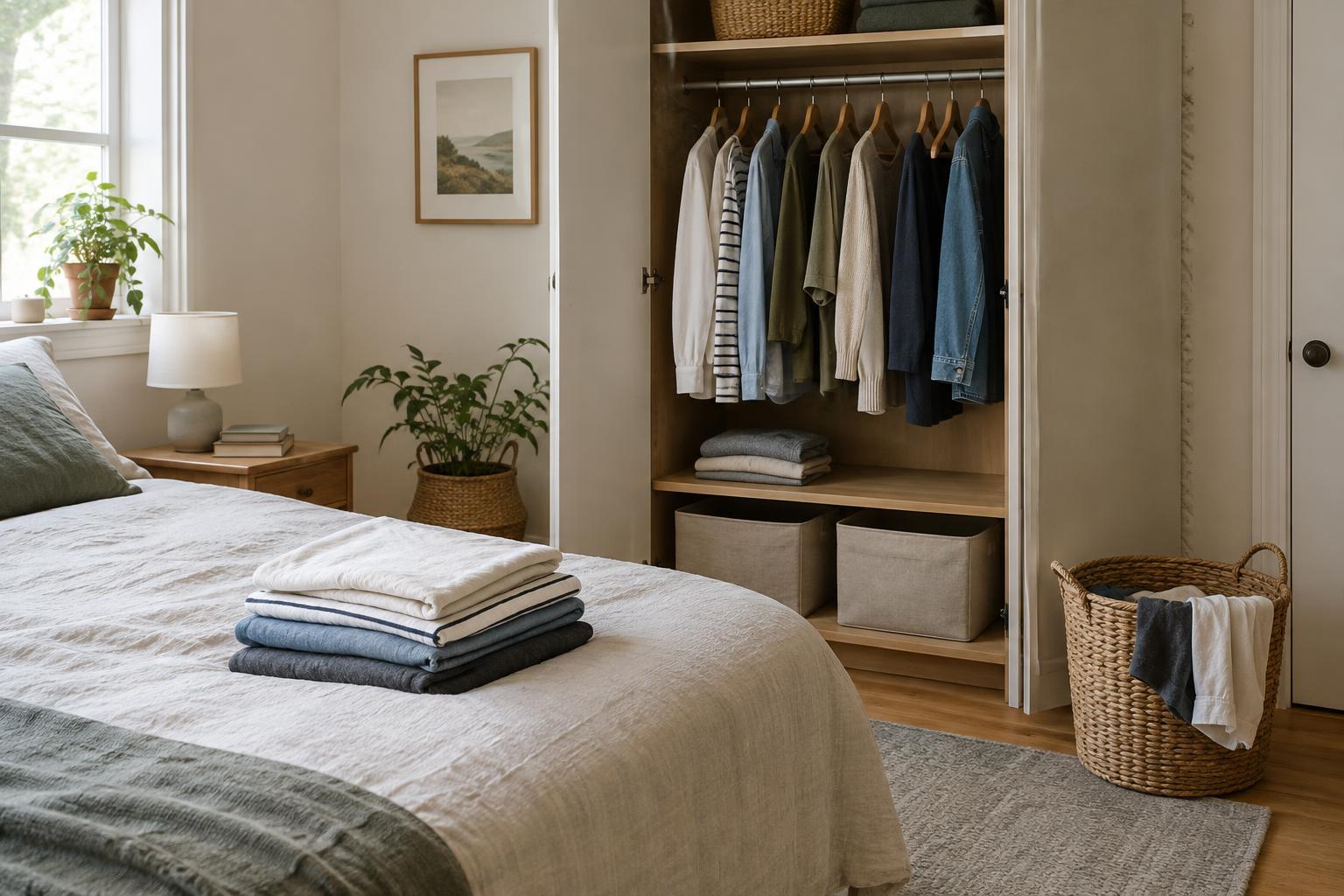
Use those observations to edit slowly. Keep the pieces that fit your life, set aside uncertain items for a trial period, and pass on usable clothes you are confident you do not need. If you discover a gap, consider repairing what you have or looking secondhand before buying new. The goal is not the smallest possible wardrobe. It is enough clothing to get you comfortably from one wash to the next, without letting seldom-used extras crowd out what you wear.