Start with the wardrobe you actually use
A satisfying wardrobe edit can make getting dressed easier, but removing the most clothes is not the goal. The goal is to see what you own, make room for what serves you, and stop spending time managing things you do not wear. A rushed cleanout can create gaps that send you shopping again.
Before deciding what stays, think through an ordinary week: work, errands, time at home, exercise, and the occasions that come up less often. Notice what you reach for and what you avoid. This gives you a more useful standard than whether an item looks appealing on a hanger.
Mistake one: overpurging in a burst of motivation
It is tempting to make quick decisions when a crowded closet feels frustrating. But a single afternoon may not tell you whether you need a warm layer in another season or a practical outfit for an occasional event. Getting rid of every duplicate can also backfire if the duplicates are items you wear between laundry days.
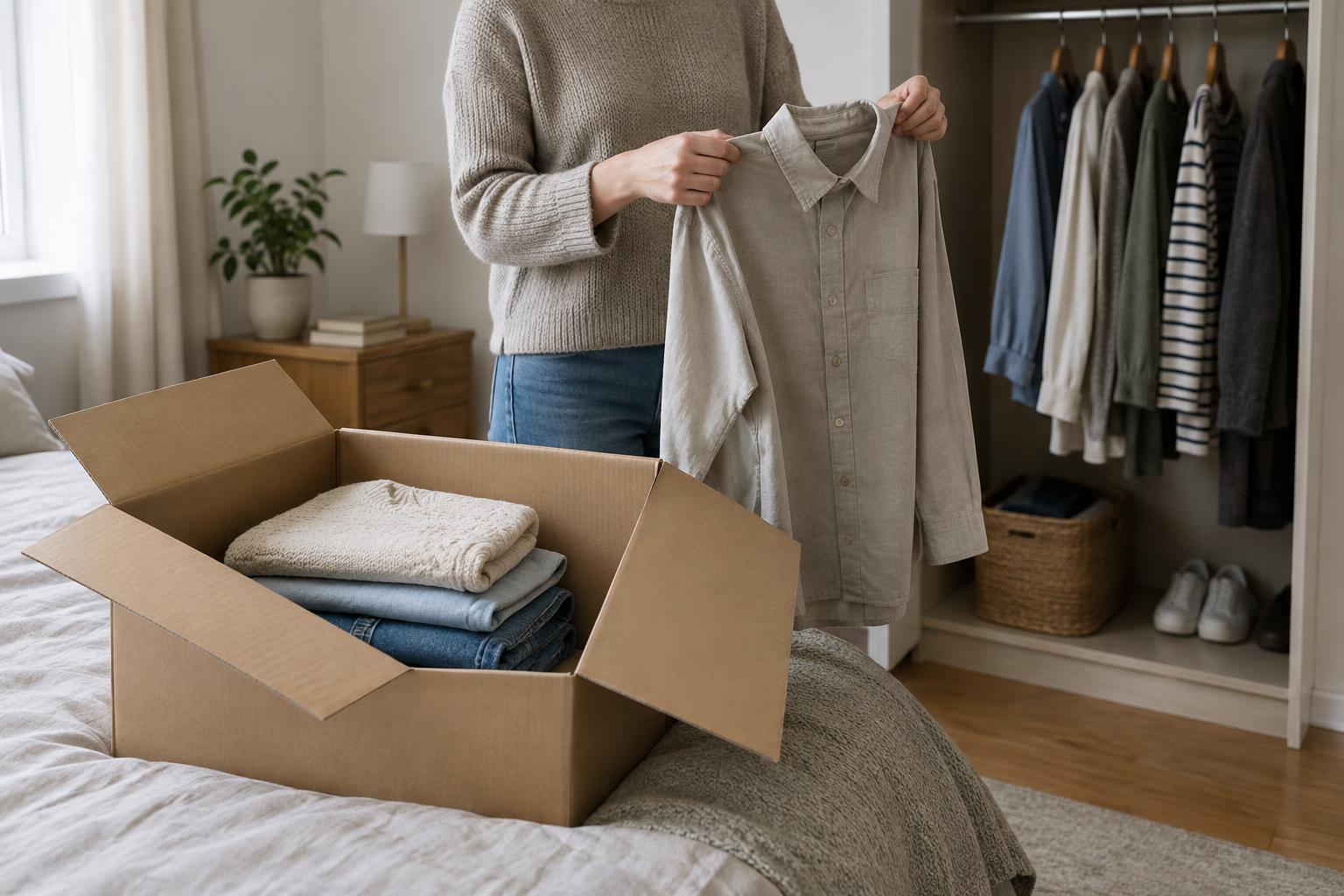
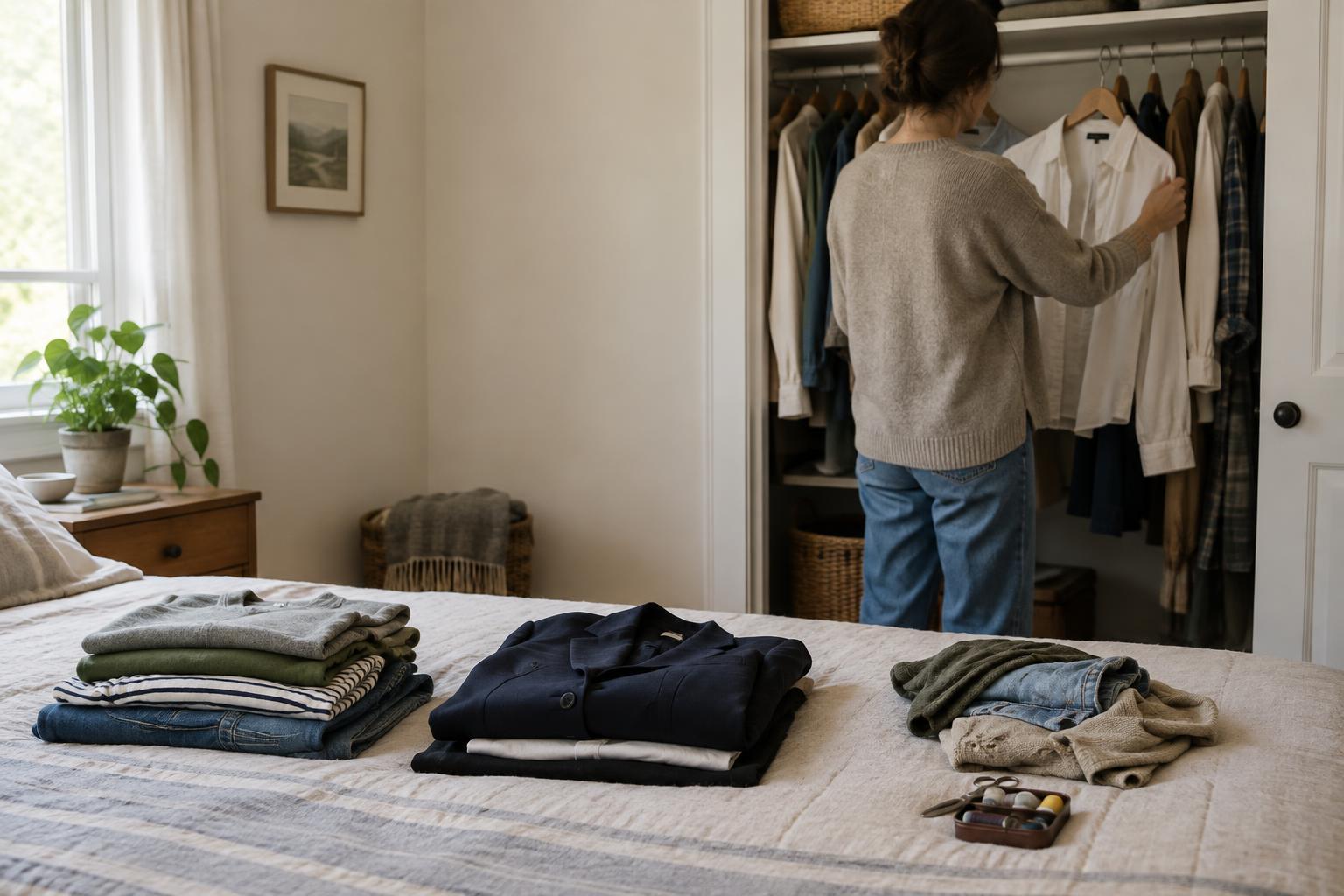
Edit in manageable groups, such as trousers, shirts, or outerwear, and check what role each item plays. If you are unsure, put it in a clearly labeled holding box with a date to review it after you have lived without it for a while. Keep the box accessible enough to retrieve something you genuinely need. The pause helps distinguish relief at clearing space from a lasting decision.
Mistake two: keeping clothes for an imagined life
Some clothes stay because they suit a version of life you hope to have: a different job, a new hobby, a busier social calendar, or a style you admire but never choose. It is reasonable to keep a few items for real, infrequent needs. The trouble starts when those possibilities take up space needed by clothes that fit your life now.
Ask whether you can name a realistic occasion to wear the item and whether you would choose it over your other options. Fit and comfort matter too; a piece that needs a repair or alteration is not ready to wear just because you like the idea of it. If you want to keep it, make a specific plan to fix or try wearing it. If that plan never feels worth the effort, letting it go may be the clearer choice.
Mistake three: giving away basics, then buying them again
Basics can look uninspiring during an edit. A plain shirt or well-worn cardigan may be easy to dismiss beside a more distinctive piece, even though it does more work. Before removing an everyday item, consider what you would wear in its place and whether the replacement is already in your closet.
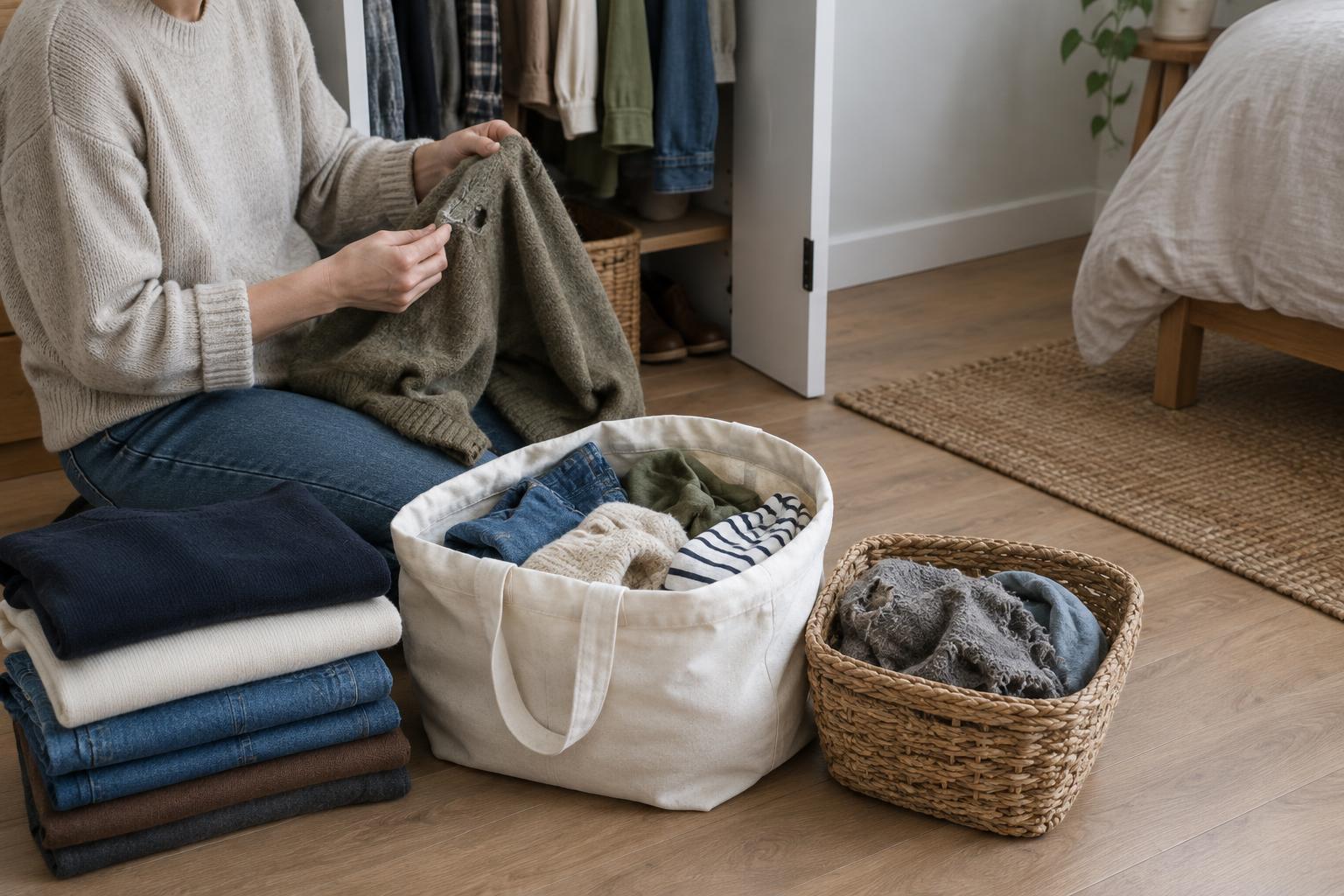
Check condition rather than assuming an older item is finished. A loose button, a small tear, or pilling may be manageable; a garment that is uncomfortable or beyond useful repair is a different matter. Keep enough functional basics for your laundry routine and climate, not an arbitrary number. If a basic truly needs replacing, note the specific gap first so you can shop for that need rather than rebuilding a pile of near-duplicates.
Make the edit useful beyond cleanout day
Once you have chosen what to keep, put the most-used clothes where they are easy to reach. Set aside items needing repair so they do not disappear back into the closet. For clothes you are ready to part with, consider whether they are suitable to pass on, sell, or donate; worn-out textiles may need a different route where local options exist. Passing on something you no longer use is helpful only if it is in a condition someone else can use.
Finally, treat the edit as a guide to future decisions. A short list of genuine gaps can keep you focused when shopping secondhand or new. Equally useful is a note about what you rarely wore and why: awkward fit, difficult care, or a style that never felt like you. The best result is not a perfectly small wardrobe, but one that helps you dress without repeatedly buying the same solutions.