Give the item a specific home
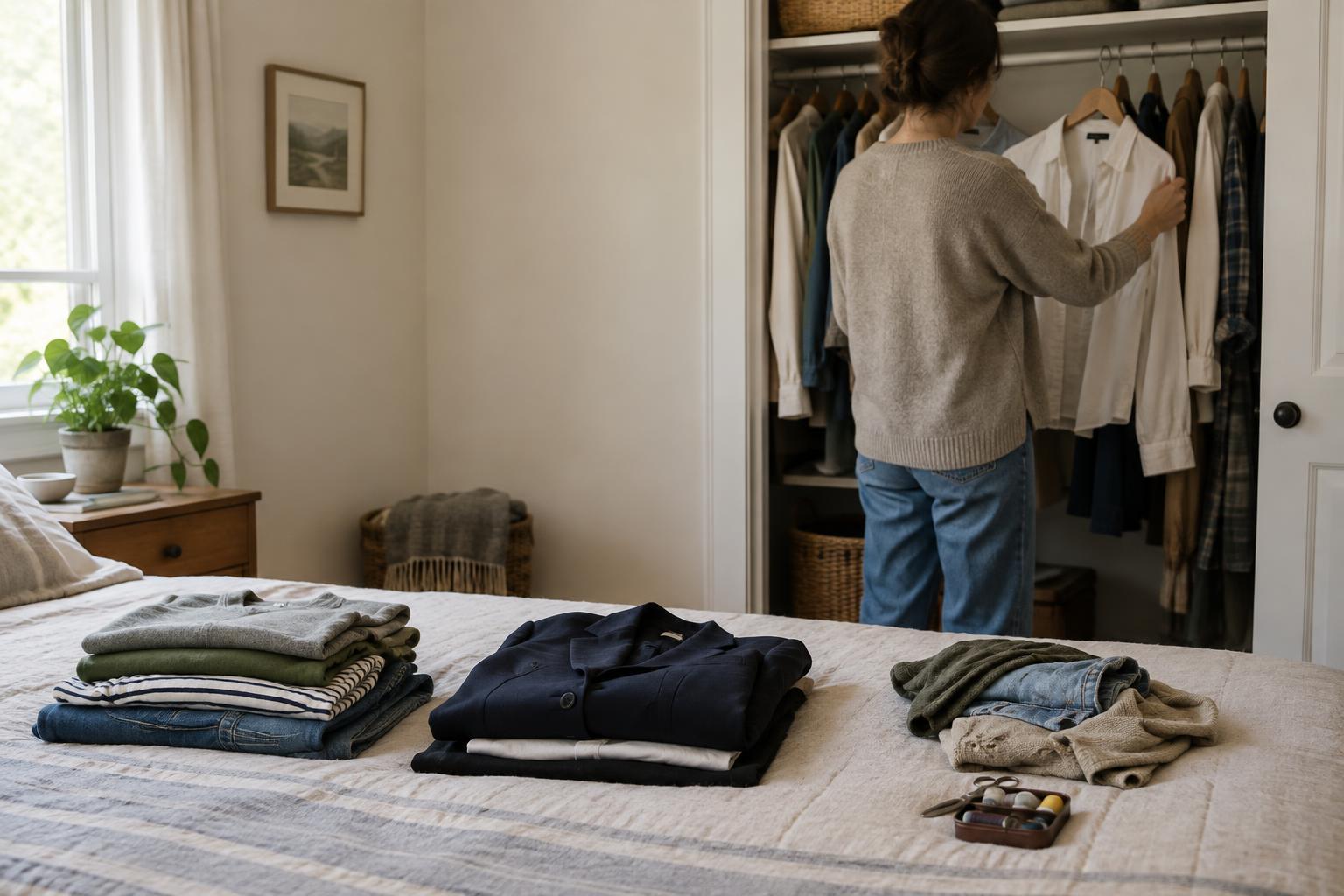
Before buying a household item, name the place it will go when nobody is using it. “In the kitchen” is a starting point, but “on the lower shelf beside the mixing bowls” is a plan. A specific spot helps you notice whether the item will displace something you still need or end up on a counter by default.
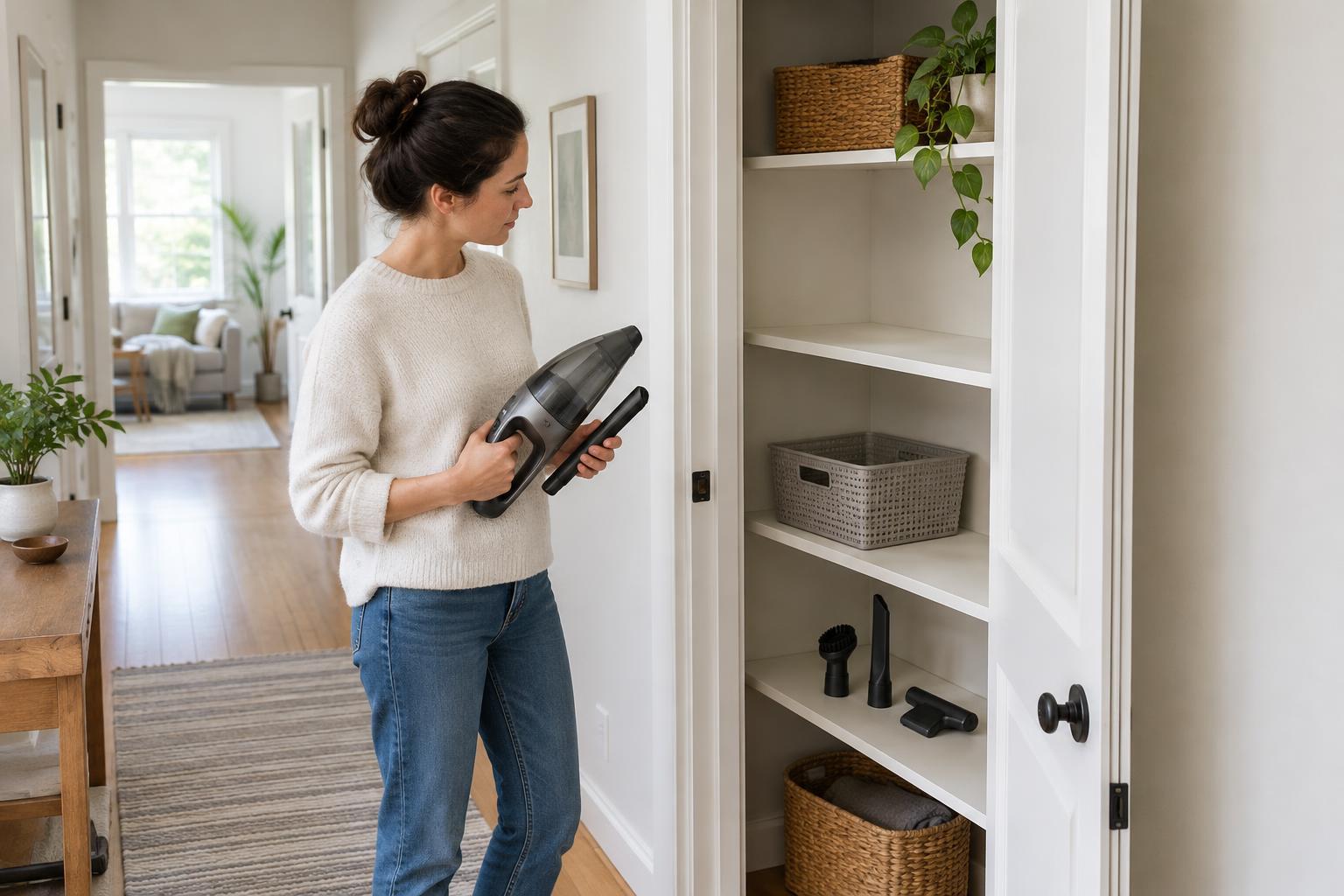
Consider its full size, not just the dimensions shown on a product page. A folding chair needs room to stand or hang when folded. A vacuum may need space for attachments and enough clearance to remove it easily. If you cannot picture putting the item away after an ordinary day, pause before purchasing.
Check whether the spot works in daily life
A storage place is only useful if you can reach it when you need the item and put it back without a complicated shuffle. Something used every morning may not belong behind a stack of rarely used supplies. Something used twice a year can usually tolerate a less convenient location, provided you will remember where it is.
Think about who will use the item, too. A shelf that is convenient for one person may be awkward for another. If an item is heavy, fragile or difficult to lift, its planned home should make handling it manageable. The goal is not a perfectly organized cabinet; it is a location that supports the way your household actually works.
Account for the pieces that come with it
Some purchases occupy more space than the main object suggests. A device may bring a charger, a case and interchangeable parts. A hobby kit may need supplies that are sold separately. Even a reusable food container can add a lid that has to be stored, matched and washed. Check the complete set of pieces you expect to keep, including the packaging if you have a reason to save it.
Ask whether those pieces have a practical home together. Small accessories are easier to find when they can stay with the main item or in a clearly chosen drawer. If keeping the purchase usable would require buying organizers, clearing another cabinet or establishing a new supply stash, include that effort in your decision. It may still be worth it, but it should not be a surprise.
Picture the work between uses
Storage is only part of an item's footprint. Before buying, consider what happens after you use it: Does it need to dry before being put away? Will it need regular cleaning, charging or occasional replacement parts? Can you reasonably do that work within your existing routines? An item that is easy to use but tedious to reset may spend more time left out than you expect.
This check is especially useful for products described as space-saving or convenient. A compact item may be awkward to clean, while a collapsible one may take several steps to fold away. You do not need to reject every item that requires care. Instead, choose one whose care you are willing to do often enough to keep it useful.
Use the plan to make a clear decision
If you have a suitable spot and a realistic upkeep routine, the purchase may be a good fit. If not, try a smaller version, a different design or a way to meet the need without keeping another object at home. You can also wait until you have cleared a place for it, rather than assuming a place will appear later.
When you do bring something home, put it in its chosen spot soon after unpacking it. The first few uses will test your plan. If you repeatedly leave it elsewhere, that is useful feedback: the location may need to change. A thoughtful purchase is not just something you expect to use. It is something your home can accommodate between uses, too.