Name the problem before choosing a product
Wanting something new is not a failure. Sometimes a purchase makes daily life easier or replaces an item that no longer works. Other times, the object is simply the first answer that comes to mind when you want your home, routine or mood to feel different. Before comparing products, finish this sentence: “I’m thinking of buying this because…” Try to describe the situation rather than the item.
For example, “I need another lamp” might become “I can’t read comfortably in this corner after dark.” That clearer problem gives you more options: move a lamp you already own, change the seating, or buy a suitable light. “I need new clothes” might mean that your current clothes do not fit, or it might mean you are bored with familiar outfits. Both feelings deserve attention, but they call for different responses.
Separate function from the feeling of something new
Ask what would happen if you did not buy the item this week. Would an essential task remain difficult, uncomfortable or impossible? Is something you use regularly broken beyond a reasonable repair? Or would life continue much as it does now, with the main loss being the excitement of a change? These questions are not a test of whether you are allowed to spend. They help you understand what the purchase is meant to do.
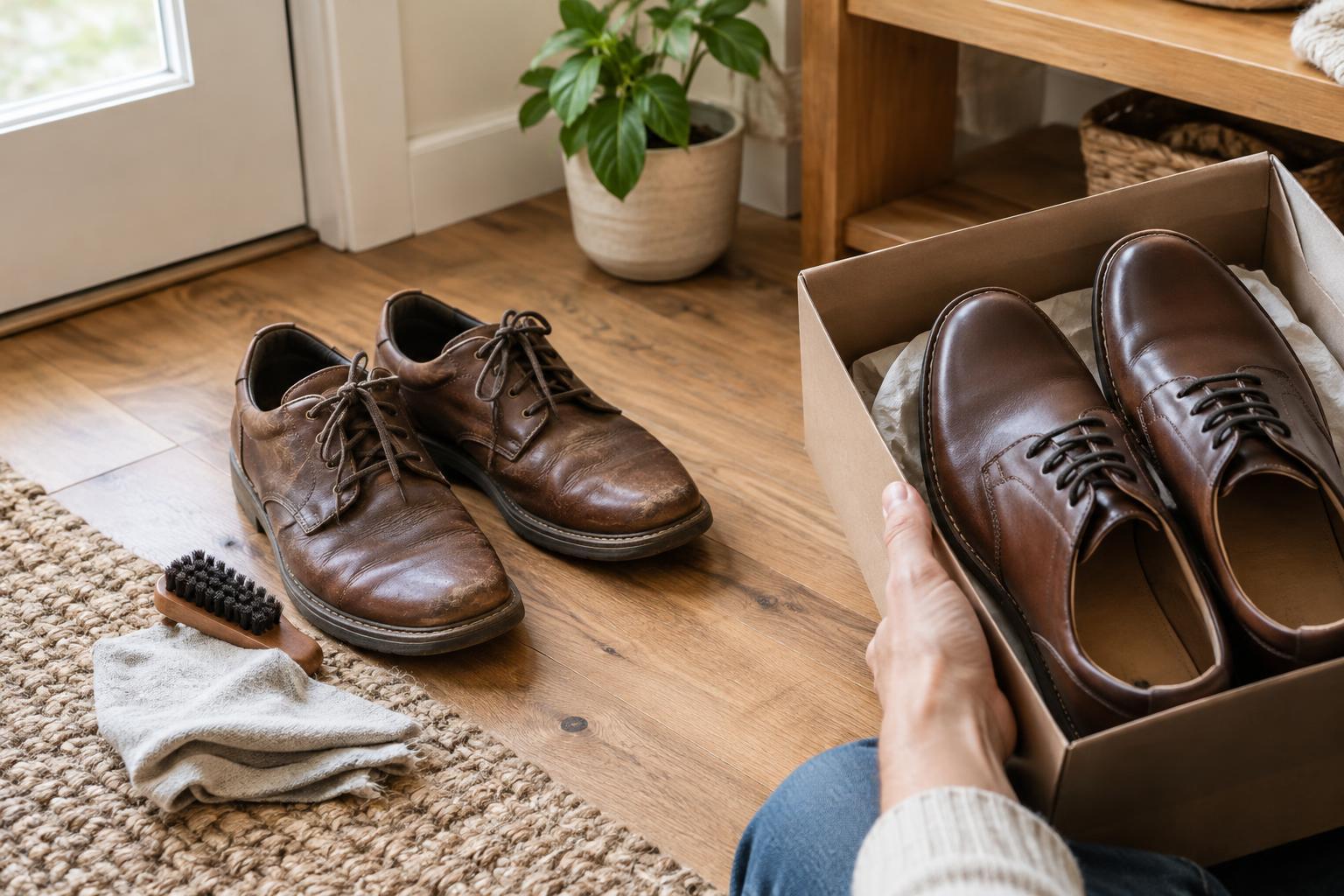
If novelty is the main draw, look for a change that does not add another possession. Rearrange a room, clean and mend a neglected favorite, try a different combination of clothes, or borrow an item for a short time. Such experiments will not meet every need, but they can show whether the urge was for a particular object or for a different experience.
Check what you already have and what it would take to use it
A quick inventory can prevent a duplicate purchase. Look in the places where the item would normally live, then ask why the existing option is not working. It may be worn out, hard to reach, the wrong size or unpleasant to use. Those details matter: owning a tool in theory does not help if it is unsafe or unsuitable for the job. On the other hand, moving a usable item to a better spot may solve the problem immediately.
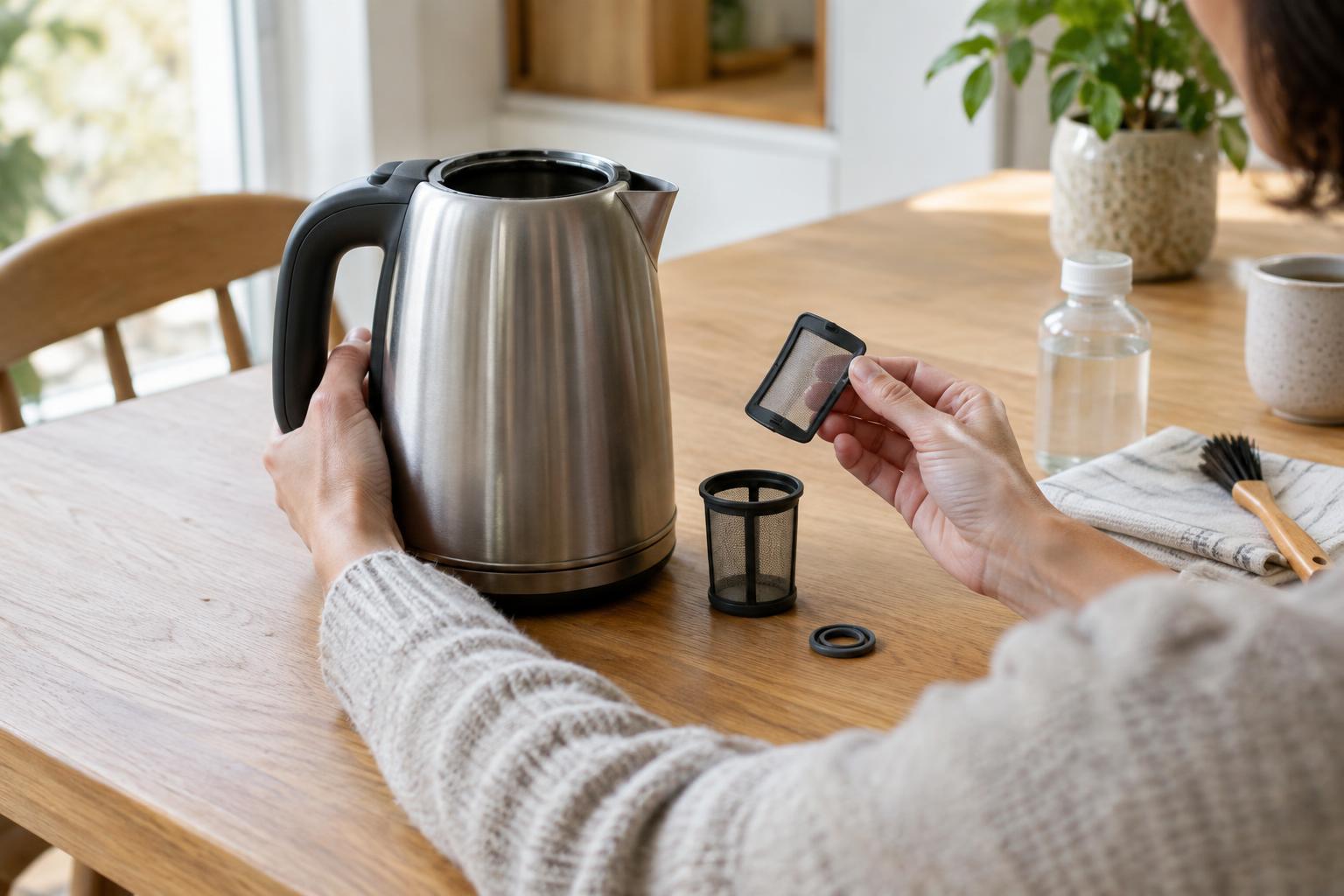
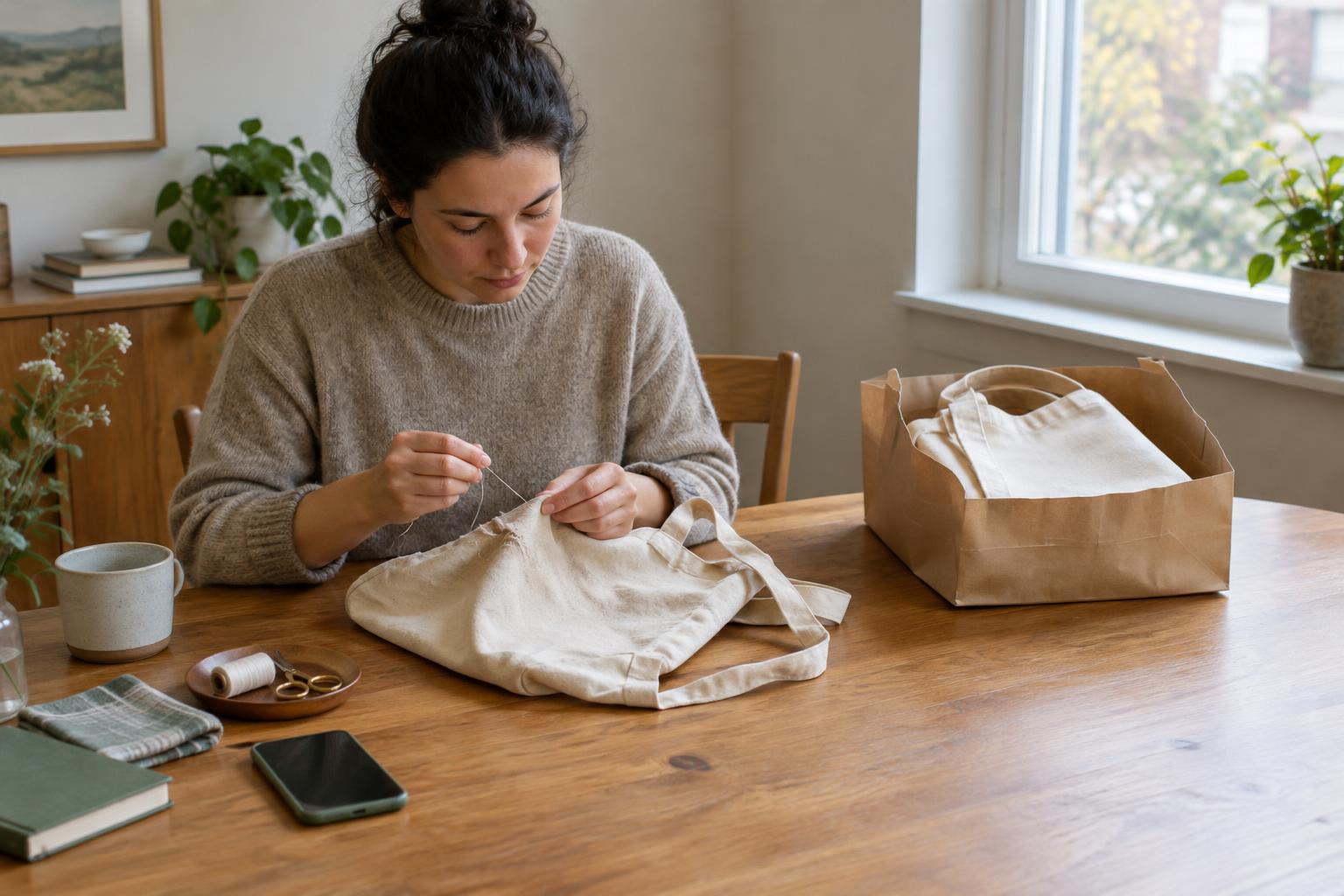
Consider repair or alteration when the result would be useful and the effort feels manageable. A loose button may be simple to fix; a complicated appliance repair may not be. You can also ask whether borrowing, renting or buying secondhand suits how often you will use the item. The goal is not to turn every purchase into a project. It is to notice reasonable alternatives before committing to something new.
Give the purchase a place in your real life
If buying still seems sensible, picture the item in your ordinary week, not an ideal version of it. When will you use it? Where will it live? Will it work with what you already own? What cleaning, storage or upkeep will it need? A product can be appealing and still be a poor match for your space or habits. Thinking through its whole role often reveals whether it fills a gap or simply adds another thing to manage.
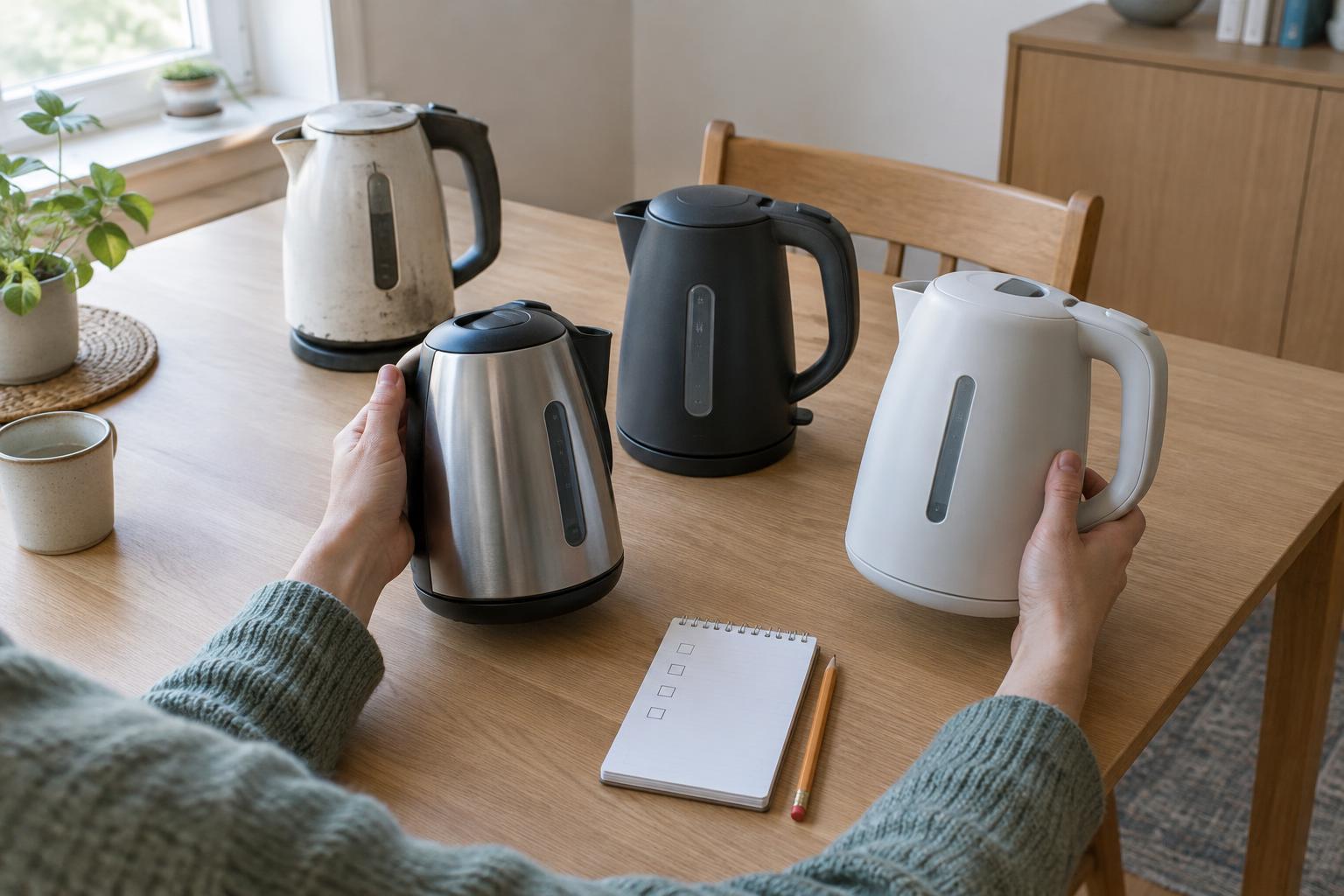
For a durable purchase, focus on features you will actually use, materials and construction you can assess, and whether care or replacement parts seem practical. For a secondhand item, check condition and fit rather than treating a low price as a reason to bring it home. If you cannot picture yourself using the item regularly, a wish list may be a better place for it than your cupboard.
Make a decision without demanding a perfect one
A short pause can be useful when there is no urgency. Write down what you want to buy and the problem it would solve, then return to the note after a few days. If the need is still clear, you can shop with a more specific idea of what will work. If the urge has faded, you have learned something without having to find storage for another object.
Sometimes the honest conclusion is simply that you want a change and would enjoy buying something. That does not need to be disguised as a necessity. You can decide whether the pleasure is worth the space, upkeep and resources the purchase will require. Thoughtful shopping is not about refusing every want; it is about choosing with enough clarity that the item has a purpose once the excitement of bringing it home has passed.