Start with a temporary landing spot
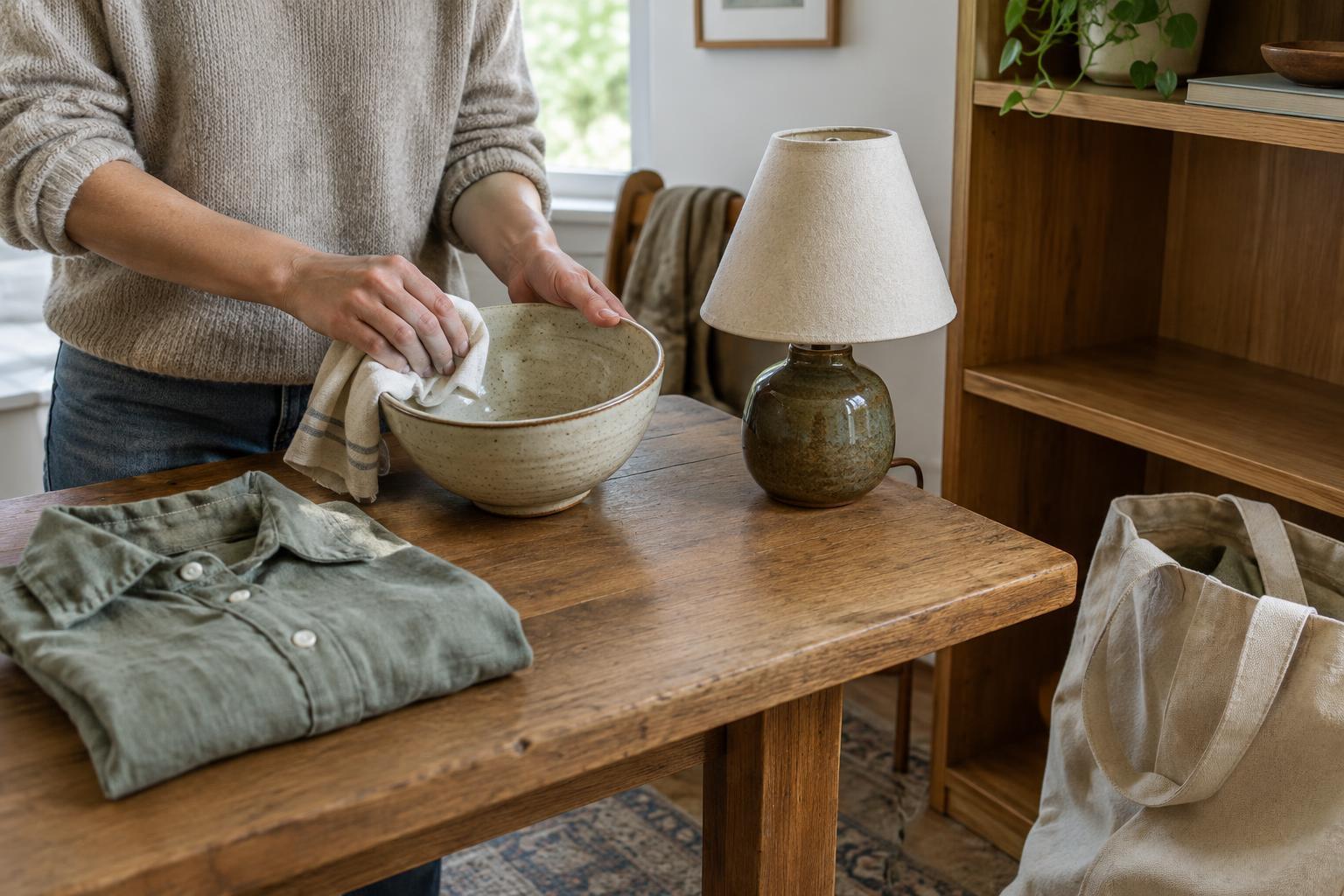
Coming home with a good find can feel like the end of the shopping decision. In practice, it is the beginning of another one: how will the item fit into your household? Before putting purchases into closets or cupboards, choose a small, temporary landing spot where you can look them over. A washable surface or an empty section of a table works better than a bag left by the door.
Unpack each item and check for anything you missed in the store, such as loose seams, missing parts, residue, or an unfamiliar smell. Keep items that need attention separate from things that are ready to use. This brief pause makes it less likely that an unfinished cleaning or repair task will disappear into storage. If an item raises a concern you cannot resolve, do not put it into use simply because you already paid for it.
Give each find the care it actually needs
Different materials call for different care. Check clothing labels before washing, and avoid assuming that a hot wash or tumble dry is suitable for every fabric. For hard goods, start with a gentle cleaning method appropriate to the surface rather than soaking an item that contains wood, electronics, glue, or delicate finishes. Let cleaned items dry fully before storing them.
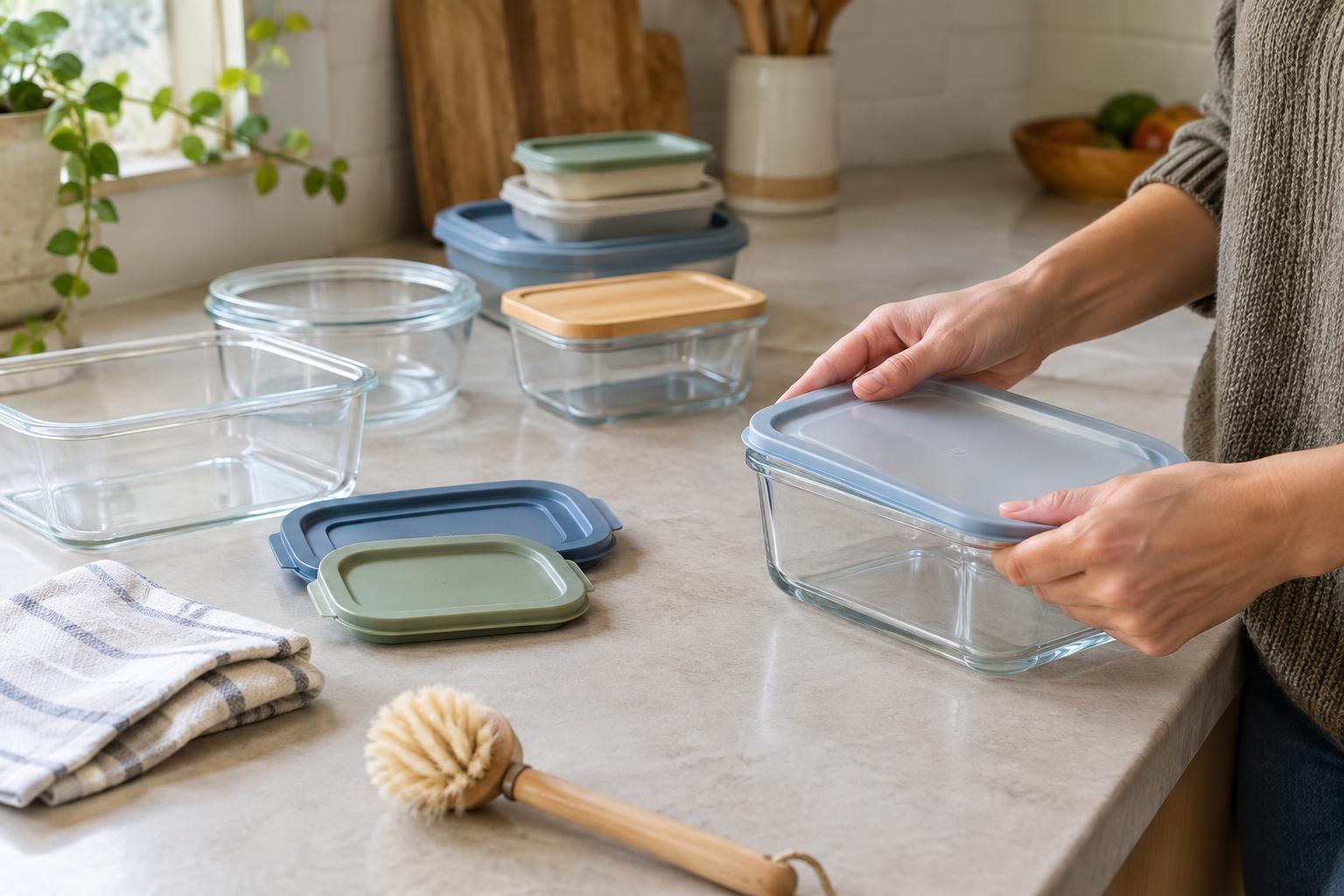
Cleaning is also a chance to test whether a find works for you. Try on clothing with the shoes or layers you would normally wear. Set a lamp or small appliance on the surface where you intend to use it and check that its parts and controls function as expected; follow its instructions if available, and stop using it if you notice damage or unsafe operation. Assemble a storage container with its lid, or place a basket on the shelf it was meant to fill. A quick, realistic trial tells you more than leaving the item in a bag.
Assign a place and a purpose
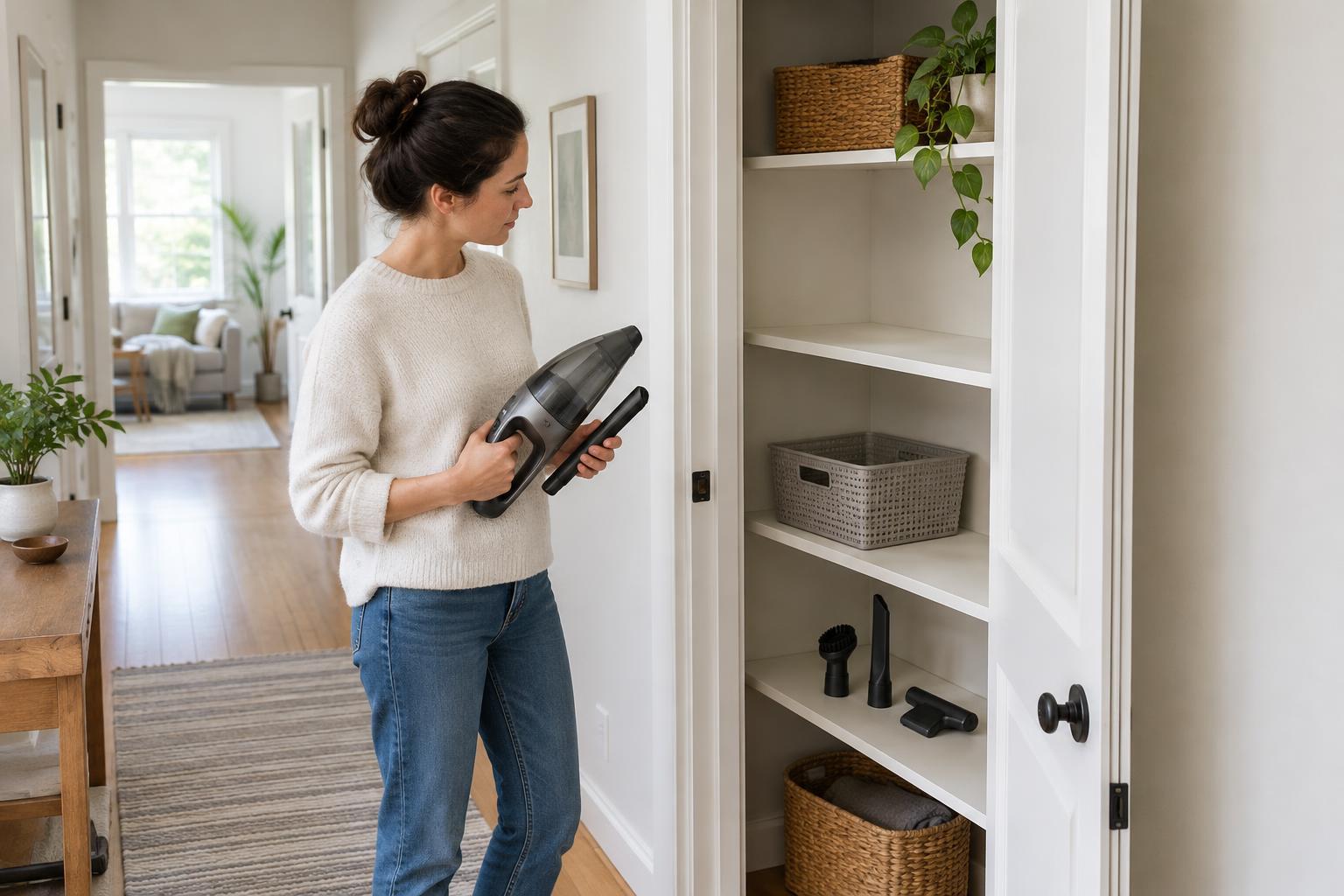
Once an item is ready, decide exactly where it belongs. “In the kitchen” is less useful than “in the drawer beside the stove.” If the intended spot is already full, look at what is there before squeezing in the new arrival. A secondhand find may replace something worn out, or it may reveal that you bought a duplicate you do not need. Either outcome is easier to address while the purchase is still fresh in your mind.
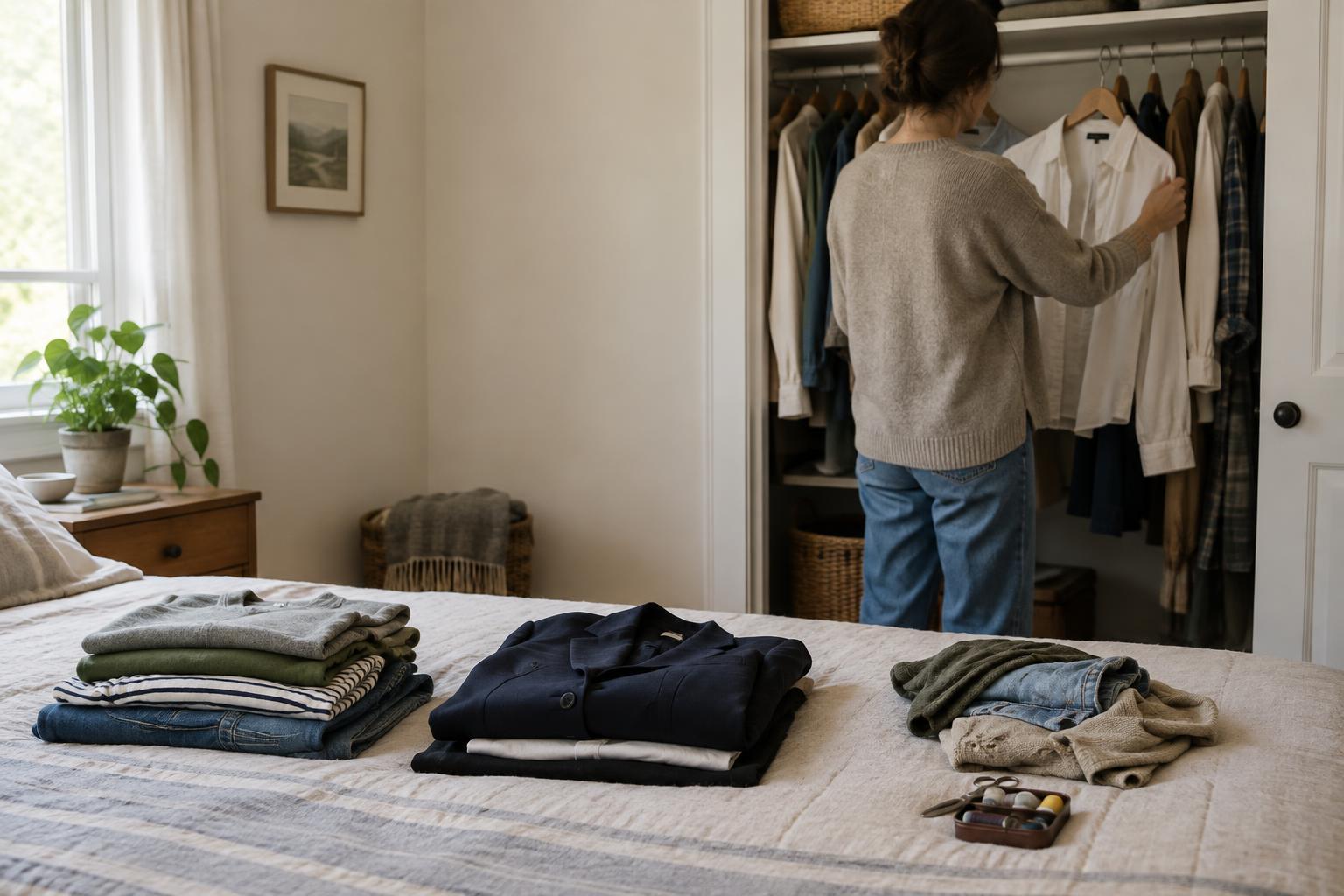
For projects, name the next action rather than storing the item under a vague promise to fix it someday. A jacket might need a button, while a frame might need a backing. Put the required materials together and choose a time to do the work. If you do not have the skills, tools, or interest to finish it, reconsider whether keeping it is worthwhile.
A simple note on your phone or a small notebook can help you remember what you own, particularly if you keep seasonal items out of sight. Record the item, its location, and any work still needed. You do not need an elaborate system, but if QR labels sound useful for a household inventory, browse QR Practical Guide to explore that option.
Close the loop before shopping again
Give yourself a short window to finish sorting recent finds. At the end of it, ask whether each item has been used, assigned a realistic task, or placed where it can be found. An untouched bag is useful feedback: perhaps the item needs more work than expected, or perhaps the shopping trip met a temporary urge rather than a lasting need.
If a purchase will not serve you, check whether a return is possible under the seller’s rules. Otherwise, consider passing along an item that is clean, complete, and usable, with any faults clearly described. Avoid moving an unresolved problem into someone else’s home. Finally, carry what you learned into your next secondhand trip. Knowing which purchases became useful—and which stalled—can guide better choices than simply remembering what looked appealing on the shelf.