Start with the piece that failed
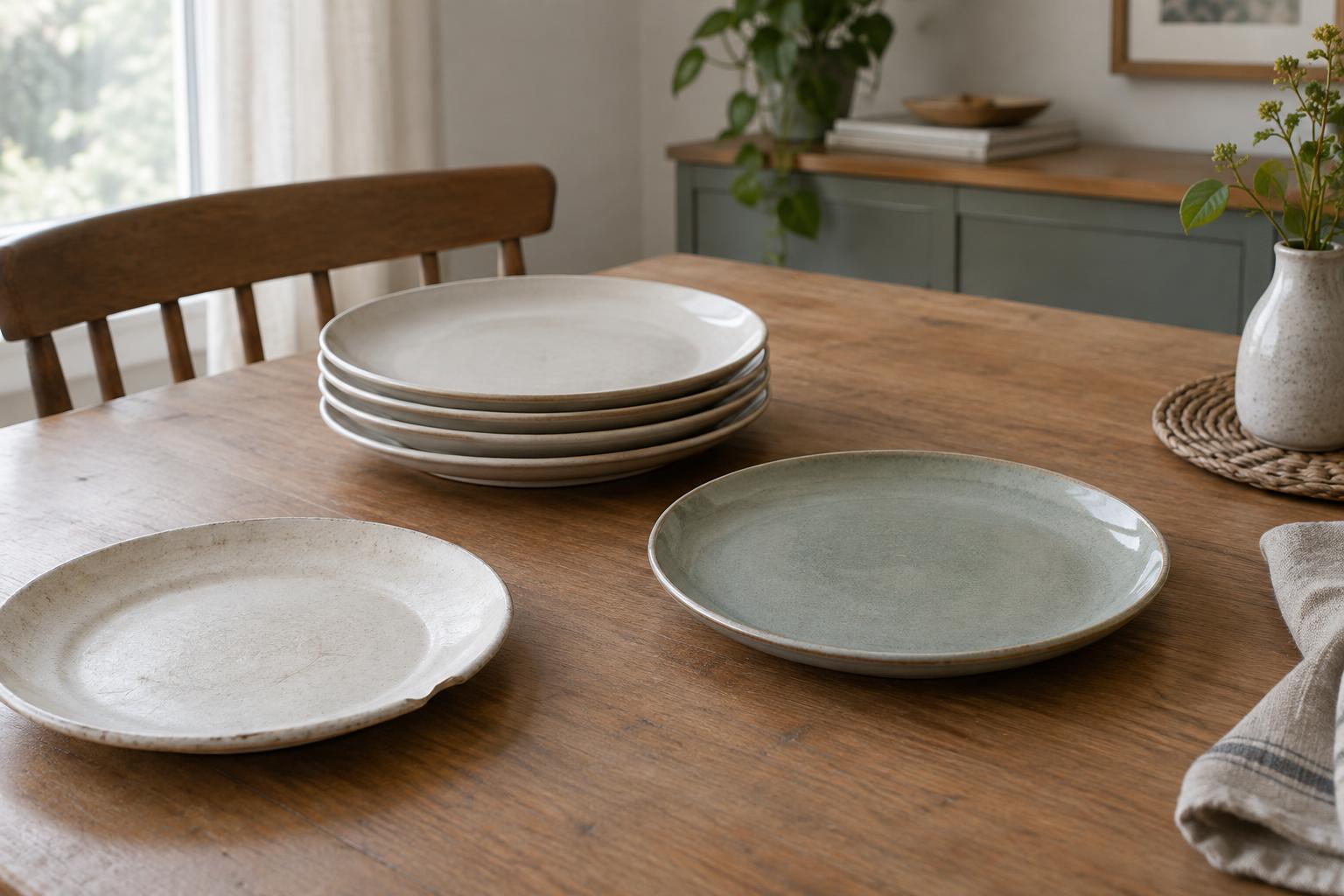
A broken item has a way of making everything around it look tired. One chipped dinner plate can prompt thoughts of a new dinnerware set; a worn pillowcase can make fresh bedding seem overdue. Before shopping, separate the problem from the collection. Which piece can no longer do its job, and which pieces are still comfortable, safe and useful? That question keeps a small gap from becoming a large purchase by default.
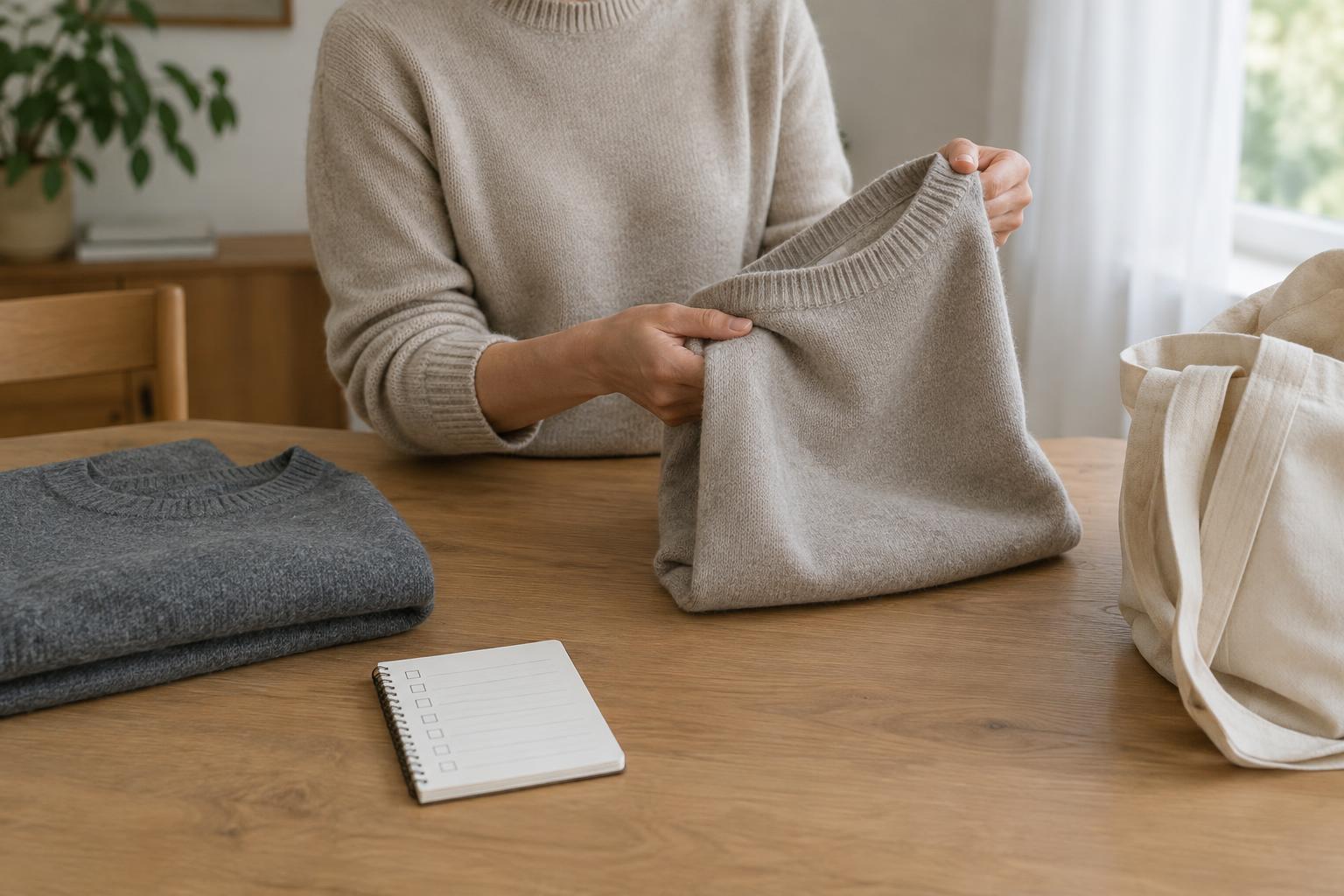
Check whether the item truly needs replacing. A loose chair joint, missing button or damaged drawer pull may be repairable. If repair is impractical, note the details a replacement must meet: size, shape, material, fit and how often you use it. For items that touch food, carry weight or plug into an outlet, make sure a repair or substitute is appropriate for that use. The goal is not to save every object at any cost. It is to make a deliberate decision about each one.
Decide what needs to match
Some sets need consistency to work well. A replacement lid must fit its container, and a shelf component may need the right dimensions and hardware. Other sets mainly need to feel coherent. Plates of similar size can stack together even if their patterns differ. Towels can serve the same purpose without being identical shades. Distinguishing functional requirements from visual preferences gives you more options.
If a coordinated look matters to you, try matching one feature rather than every feature. You might choose the same material, a similar color family or a consistent shape. A single contrasting piece can also look intentional when the rest of the group is simple. Before buying, place the remaining items together and consider how they are actually used. The replacement that looks perfect in a product photo is less helpful if it will not fit the cupboard or work at the table.
Search for a single with staying power
Once you know the requirements, look for one piece rather than assuming it is sold only as part of a set. Check whether the maker offers individual replacements, or look for a suitable secondhand item. If an exact match matters, measure the original and record any identifying details before you search. For a nonmatching piece, examine its condition just as carefully as you would a new item: look for cracks, unstable joints, worn fasteners or other signs that it may not last.
Consider the work the piece will do over time. A frequently used bowl needs a shape and finish you find easy to handle and clean. A replacement chair should feel sturdy and fit the table, not merely resemble its neighbors. Price matters, but so do usefulness, durability and the effort of finding or maintaining the item. If a single replacement is difficult to find, it may be worth waiting while you use what you have, provided the missing piece is not essential.
Make room for gradual change
Replacing one item can shift a set from perfectly matched to collected over time. That need not be a flaw. Households change, and useful objects wear at different rates. Keeping the sound pieces allows you to replace things as needs arise instead of discarding them because one member of the group failed. It can also help you notice whether you need the original number of items at all.
Try living with a smaller set for a short while. If you rarely use every place setting or spare sheet, you may not need a replacement immediately. If you do need one, choose it for the routine you have now rather than the routine you imagined when you first bought the set. This is especially helpful with items that take up storage space. A cupboard with fewer, well-used pieces can be easier to manage than one filled with complete sets kept out of habit.
Know when a full replacement makes sense
Buying one piece is a useful default, not a rule. A full set may be the better choice when several pieces are failing, the remaining parts no longer work together or safe compatibility depends on components designed for one another. It may also make sense when your needs have changed substantially. In those cases, assess the whole group rather than replacing it simply because it no longer looks new.
Before parting with usable pieces, consider whether they can be donated, passed along or used elsewhere in the home. Then buy only the quantity that fits your current needs. Whether you choose one replacement or several, the thoughtful-shopping habit is the same: identify the actual problem, keep what still works and give the next purchase a clear purpose.