Start with the person, not the object
Gift shopping often begins with a search for something surprising. A better starting point is the recipient’s actual life. What do they use regularly? What have they said they want? Do they have room for another object, or are they trying to keep their home simpler? A gift is easier to enjoy when it fits someone’s interests, routines and available space rather than asking them to make room for your idea.
It is fine to ask. A short question such as “Is there anything you would genuinely like, or would you prefer that I skip a gift?” can prevent an awkward purchase. For someone who enjoys surprises, ask a friend or household member for a few options, or request a wish list with a range of prices. A list does not make a gift less thoughtful; choosing from it shows that you listened.
Choose usefulness over novelty
When someone needs a physical item, aim for one that suits their preferences and is likely to last. Check details that affect daily use: size, color, materials, storage needs and whether parts can be cleaned or replaced. Avoid upgrading something they already own unless you know the current version is worn out or frustrating to use. An impressive-looking gadget can quickly become clutter if it duplicates a tool that works well.
Consumable gifts can be a good option when you know what the person likes. Their favorite tea, pantry staple or craft supply may be more welcome than a decorative object. Check for dietary needs, scents they avoid and how much they can reasonably use. Buying a large quantity is not automatically generous if it creates a storage problem.
Secondhand gifts can also be thoughtful, particularly when the recipient enjoys them and you find a specific item they want. Look for condition and completeness, and clean the item as appropriate. The appeal is finding a good match, not handing someone an object simply because it was inexpensive or available.
Treat experiences as commitments, not clutter-free shortcuts
An outing, class or meal can avoid adding a permanent object to someone’s home, but it still takes time, travel and sometimes extra money. Before booking a date or choosing a venue, consider the recipient’s schedule, accessibility needs and interests. An experience that requires them to arrange childcare or pay substantial costs may feel more like an obligation than a treat.
Where possible, offer a flexible plan: “I’d love to take you to lunch at a place you choose,” or “Would you enjoy going to this exhibit together?” If you give a voucher, check that the location and terms are convenient for them. Making the arrangements yourself, while leaving room for their preferences, is often part of the gift.
Make the exchange easy to decline or change
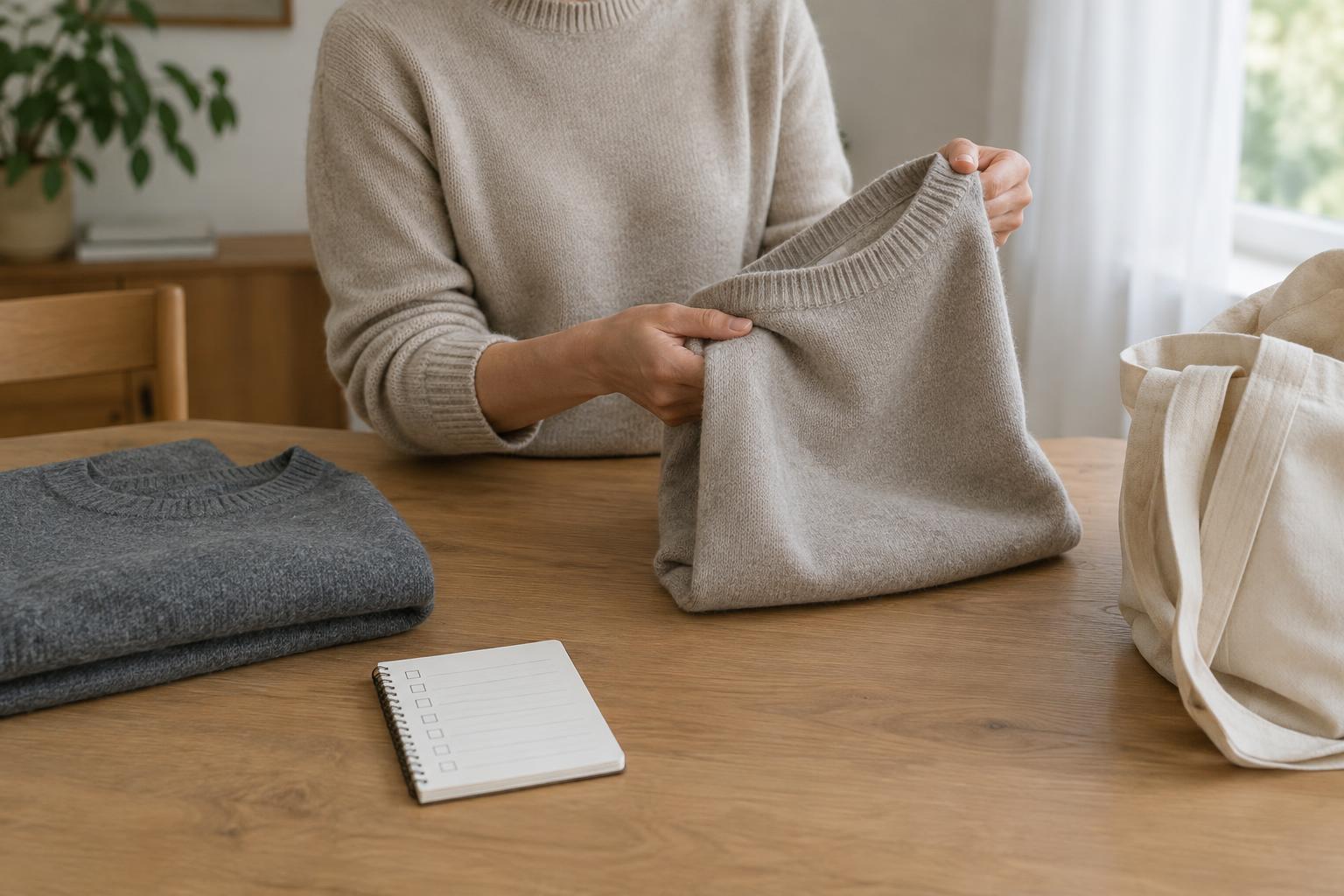
Even a carefully chosen gift can miss the mark. Include a gift receipt when appropriate, avoid removing tags before you know the item fits, and tell the recipient that exchanging it is welcome. This is especially helpful for clothing, equipment and anything with a particular style. Try not to ask repeatedly whether they have used the gift; that can turn a pleasant gesture into a task they feel obliged to report on.
Shared expectations help, too. Families or friend groups can agree on a price limit, draw names, give only to children or skip gifts for a year. If someone says they do not want presents, take that seriously. A warm note, a call or time spent together may express care more clearly than an object they must find a place for.
Keep the presentation simple
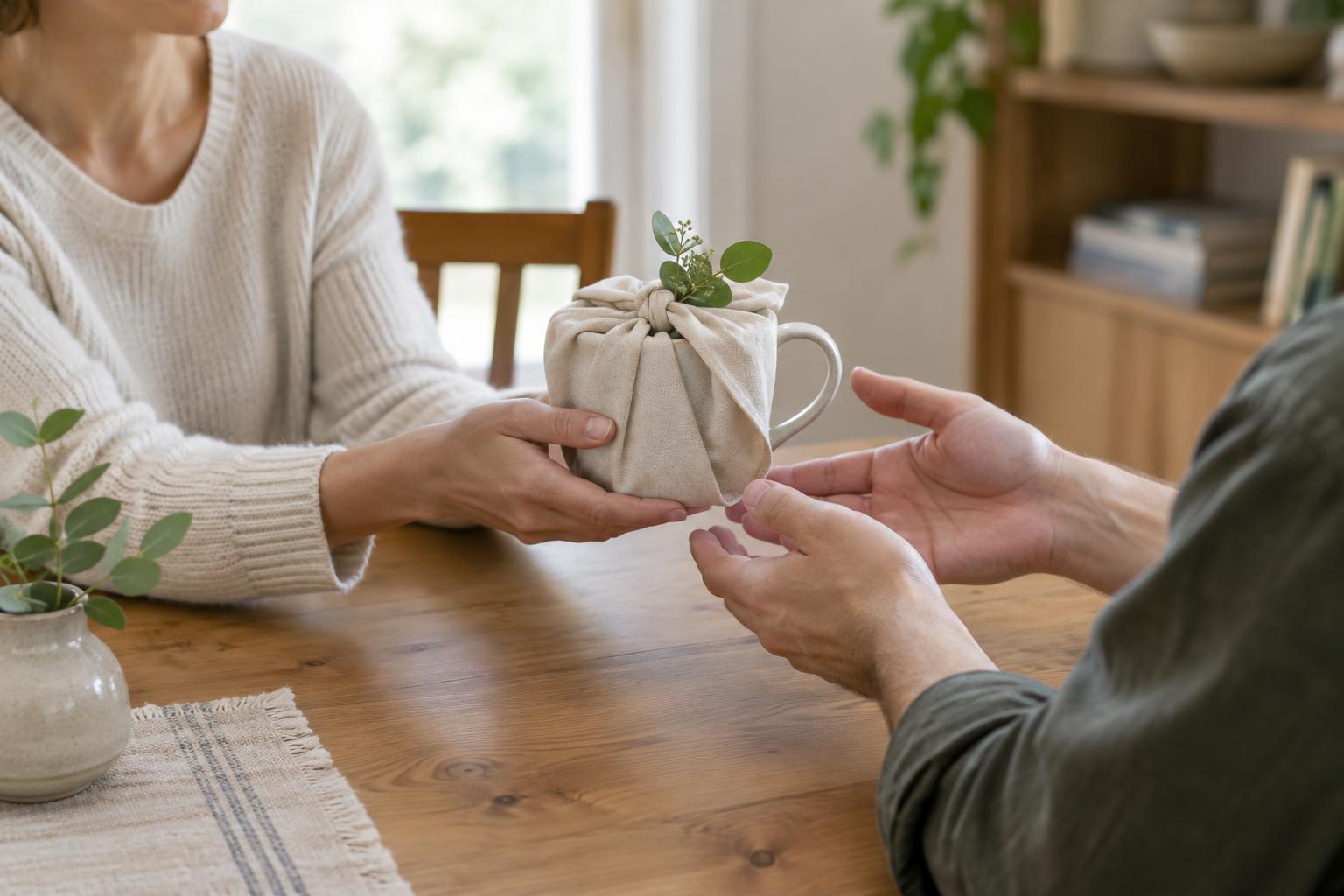
Wrapping can make a modest gift feel special without creating a pile of hard-to-use extras. Reuse a gift bag, wrap with paper you already have or tie on a simple tag. If you are shipping a gift, choose packaging that protects it without adding unnecessary layers. The aim is not perfect presentation; it is a pleasant moment that does not leave the recipient with more to sort.
Before buying, try one final question: would I still choose this if the person felt free to say it was not right for them? That test shifts attention away from the reveal and toward the recipient’s long-term enjoyment. A welcome gift might be a carefully chosen object, a small treat, a shared plan or no purchase at all.