Start with what you actually use
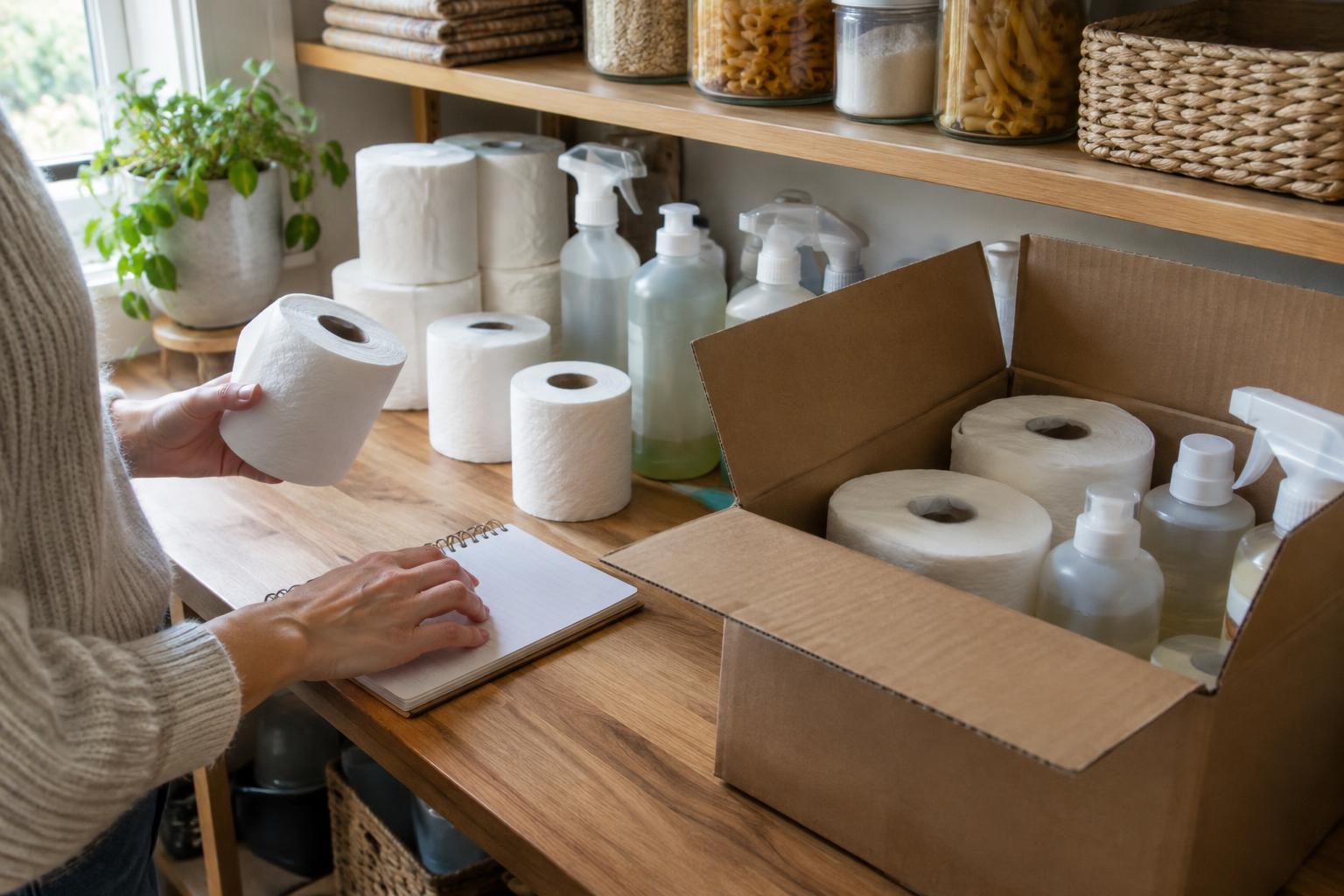
An auto-replenishment subscription is most useful when it replaces a purchase you already make regularly. It is less useful when it encourages you to keep buying something you only sometimes need. Before subscribing, look at what is in your cupboard, bathroom or laundry area. How many unopened packages do you have, and how long does one usually last? Your own pattern is a better starting point than a delivery interval chosen for you.
Consider whether demand changes with the season, the number of people at home or a change in routine. A product you finish quickly one month may sit untouched the next. For occasional purchases, a reminder on your calendar or shopping list may be enough. That gives you a prompt to check your supply without turning the prompt into an order.
Check whether the schedule fits
Automatic delivery works best for items with a fairly predictable rate of use and a place to store a modest spare. For example, if you consistently reach the end of a household staple before the next grocery trip, having one replacement arrive in time could be convenient. If deliveries arrive while previous orders remain unopened, the schedule is too frequent, even if each shipment seems inexpensive.
Try estimating an interval from the date you open a package to the date you finish it. Then allow a little flexibility rather than ordering at the fastest possible pace. If the service lets you skip, delay or change the quantity before each shipment, those controls can help you match deliveries to real use. If it is hard to adjust an order, buying only when needed may require less attention overall.
Look beyond the advertised discount
A lower price per item does not automatically mean a better purchase. Compare the total you would pay for the quantity you are likely to use, including delivery fees or any minimum order requirements. Then consider whether you would choose that same product and package size without the subscription. A discount on excess stock still takes up space and uses household resources.
Also check what happens after the first delivery. Is the price easy to see before each order? Can you change the product if your needs change? Is pausing or canceling straightforward? You do not need to predict every future purchase, but you should be able to stop deliveries without a complicated process. An order reminder is particularly helpful because it gives you time to check your shelves before the next shipment is prepared.
Count the clutter, packaging and effort
Convenience includes the work of receiving and managing a delivery. Each shipment needs a place to land, packaging to sort and a product to put away. Large quantities can be sensible for an item you reliably use, but they can also crowd out what you already own. If you regularly move surplus stock around to reach everyday items, the subscription may be shifting work rather than saving it.
Think about product shelf life, too. Some goods keep well when stored as directed; others may lose usefulness before you get through a backlog. If you are trying a new product, buy it once before committing to repeat deliveries. This gives you a chance to learn whether you like it, how long it lasts and whether its packaging and size suit your household.
Use a simple trial and review
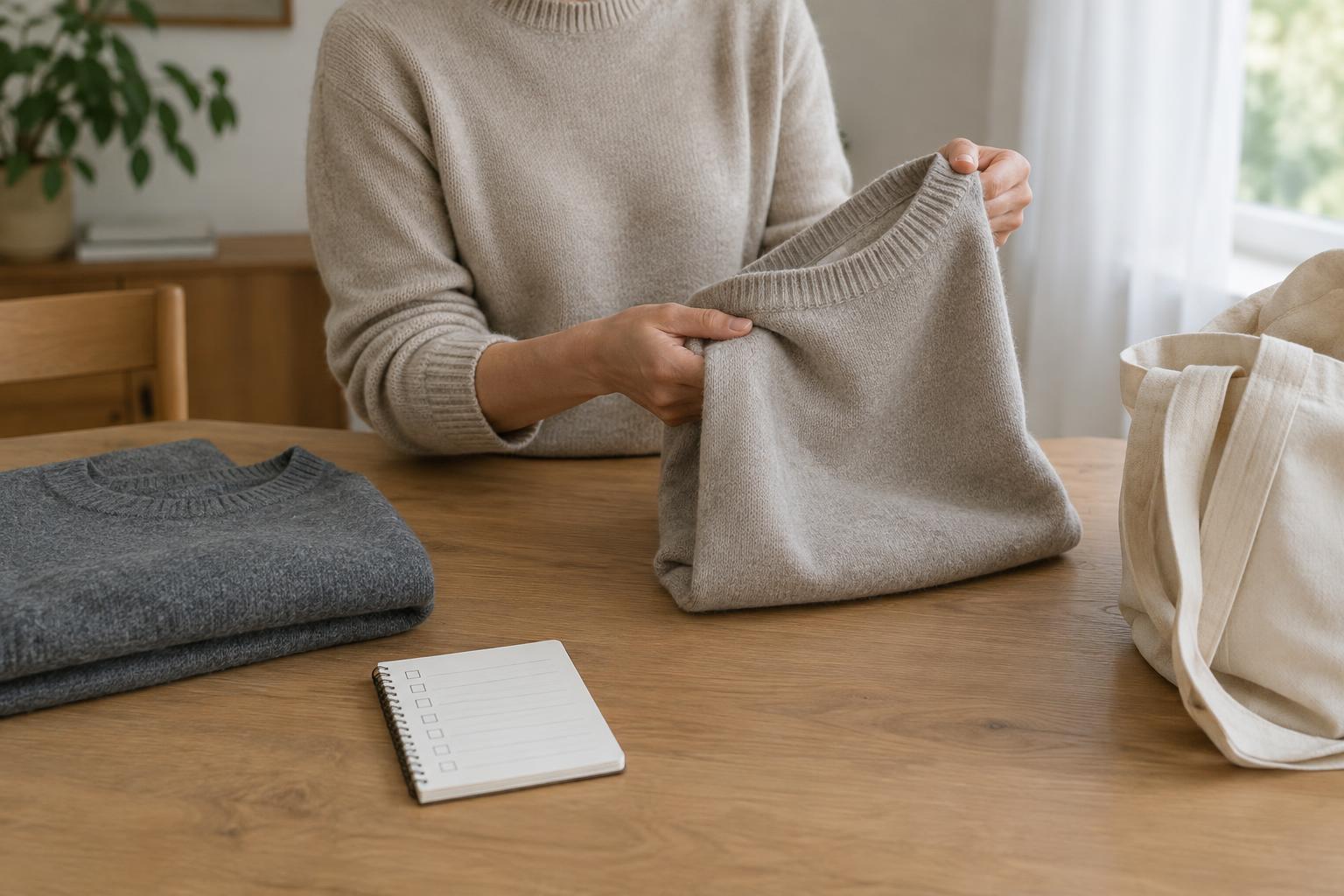
If a subscription still seems helpful, start with one item rather than automating a whole shopping list. Choose a conservative delivery interval and note how much you have when the next order reminder arrives. After a few deliveries, ask whether the service has prevented rushed purchases without building a surplus. If the answer is no, lengthen the interval, pause it or return to ordering as needed.
The goal is not to automate as many purchases as possible. It is to make a recurring task easier while keeping control of what enters your home. A useful subscription follows your household’s needs; it does not set their pace.