Start with the place the furniture will live
Before contacting a seller, decide where the piece would go. Measure the available floor space, then note anything that limits it: a radiator, outlet, baseboard, window, floor vent or door that swings into the area. A piece may fit against a wall but still leave too little room to walk past it or open a nearby drawer.
Use painter’s tape or sheets of paper to mark the furniture’s proposed footprint on the floor. This makes it easier to picture how far a sofa projects into a room or whether a table blocks a walkway. Check height as well as width and depth, especially under a sloped ceiling or beside a windowsill. Leave room for the furniture to function: chairs need space to pull out, and cabinets need space for their doors to open.
Measure the whole route, not just the front door
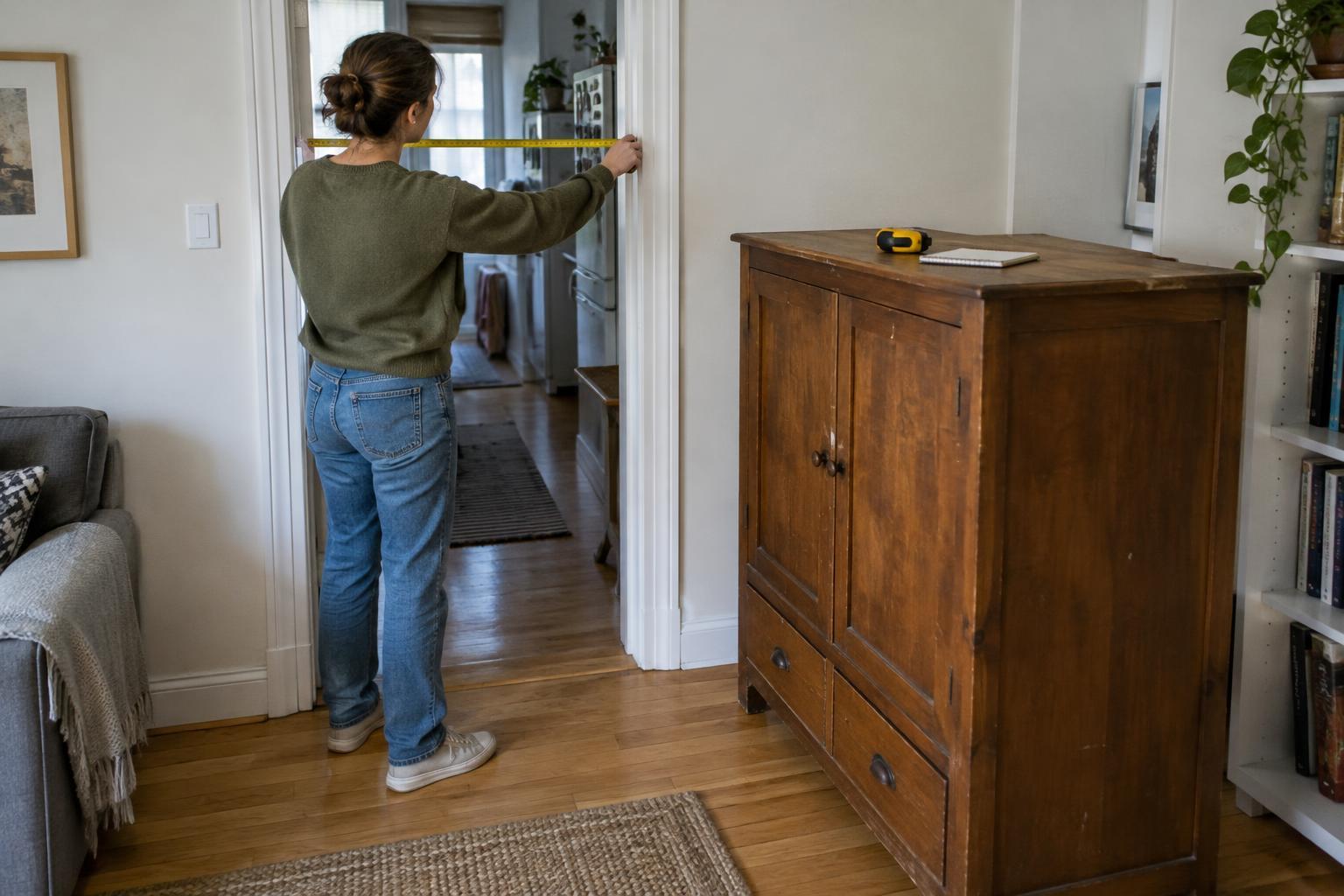
Walk the route from the pickup vehicle to the intended room as though you were carrying the item. Measure the clear opening of every doorway, from one inner edge of the frame to the other. An open door, its hinges or a protruding handle may narrow that opening. Also check hallways, gates and any tight turns between rooms.
Stairs deserve a closer look. Record the usable stair width and note low ceilings, railings and landings where a large piece must rotate. If you use an elevator, measure its door opening and interior depth and height. A long cabinet that passes through the elevator door may still be too long to stand or turn inside. For a particularly tight route, a simple sketch with measurements can reveal a problem before pickup day.
Get the furniture’s actual dimensions
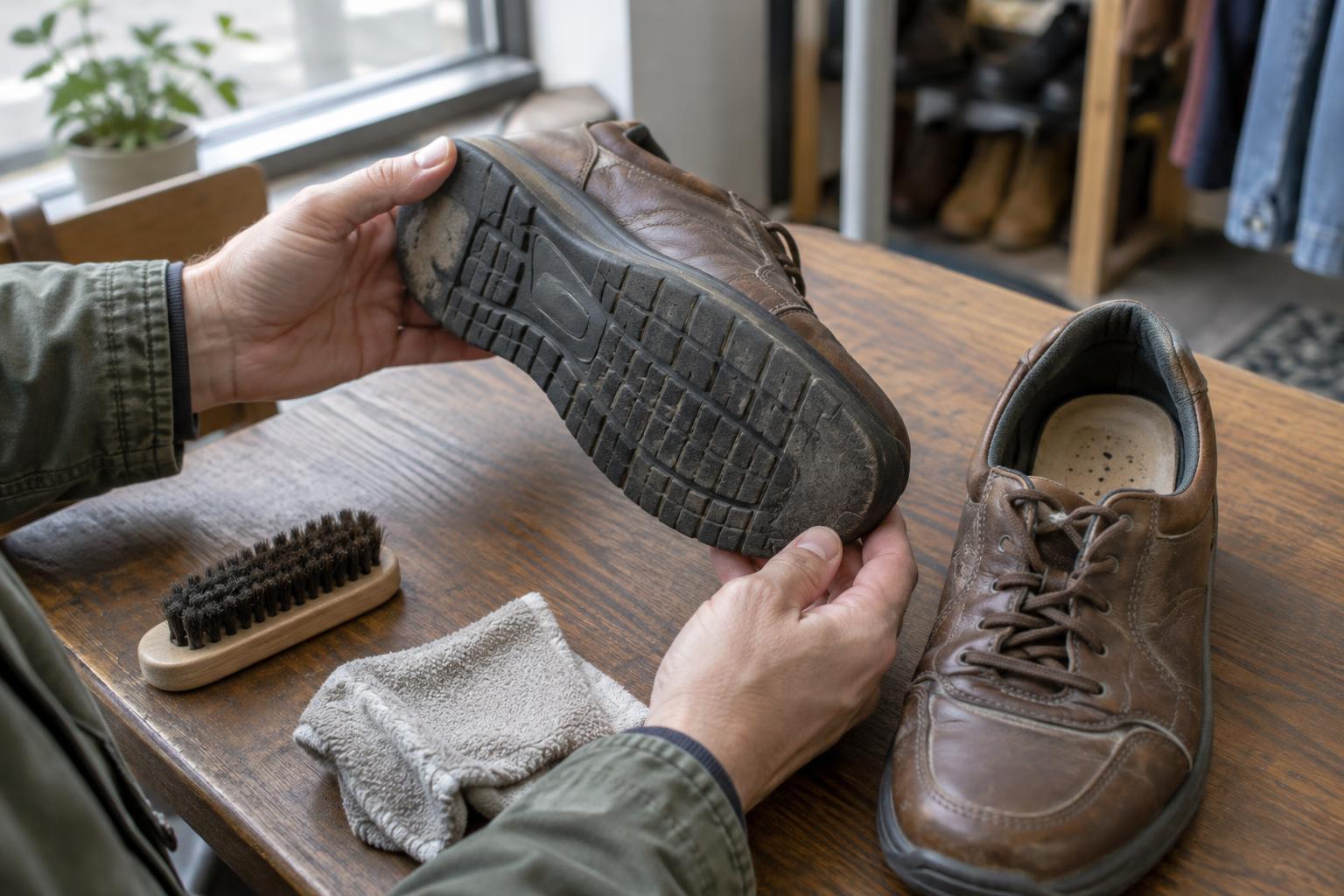
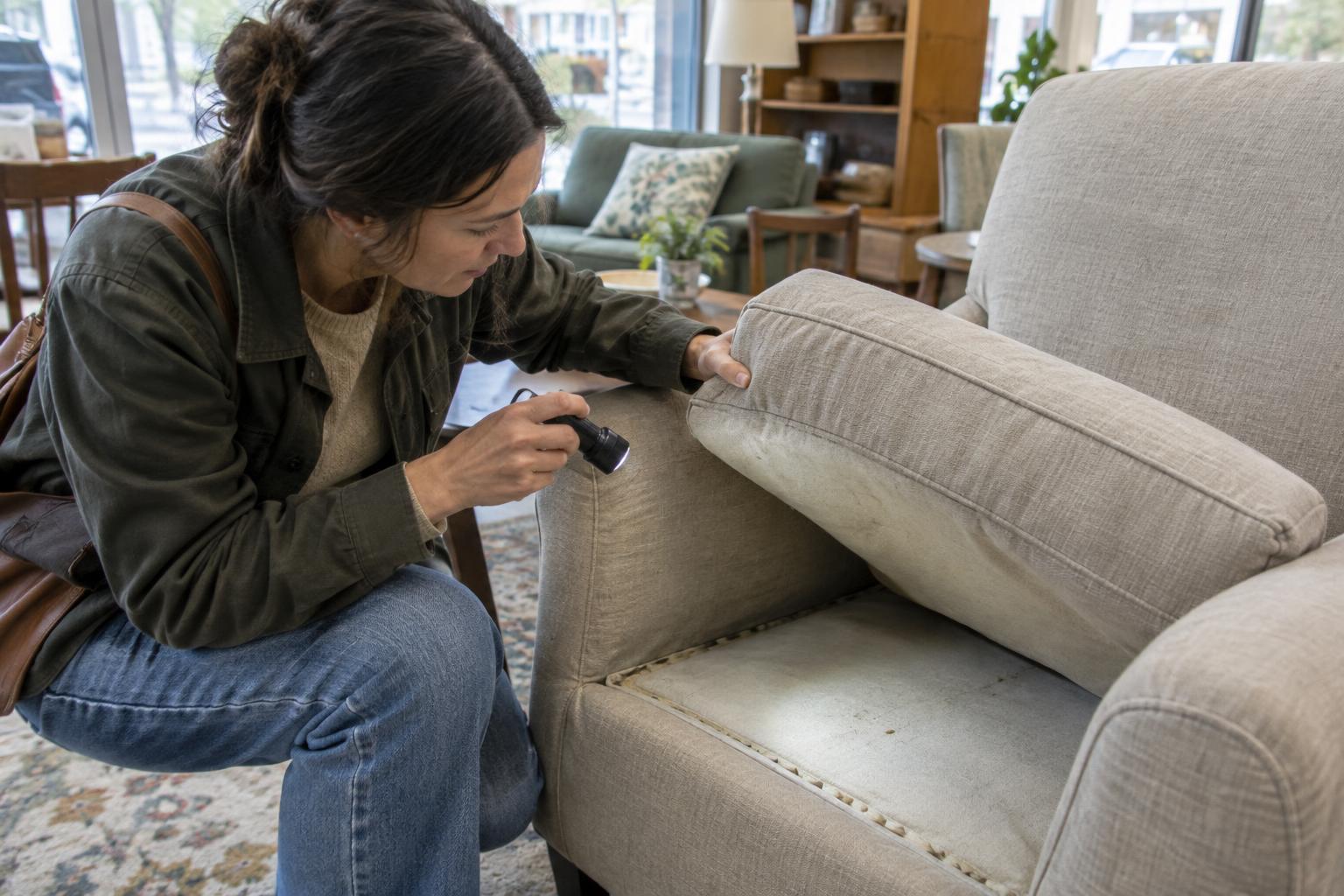
Ask the seller for the item’s maximum height, width and depth, including arms, legs, trim, handles or an overhanging top. If the listing offers only approximate dimensions, bring a tape measure and check the piece before loading it. Measure at the widest and deepest points rather than assuming the main body is the limiting part.
Ask which parts come off without damage. Removable sofa feet, loose cushions, table legs or a detachable headboard can make transport easier, but do not count on disassembly until you know how those parts attach. If a seller has already taken the piece apart, confirm that the hardware is included. Measure both the assembled item for your room and its transportable parts for the route.
Allow for handling and tricky turns
Matching a furniture dimension to a doorway measurement does not guarantee a smooth fit. You need room for hands, protective blankets and the angle at which the piece enters. A few inches of clearance is more reassuring than a measurement that matches exactly. When a route looks close, measure again rather than relying on a diagonal maneuver that might not be possible in a narrow hallway.
Consider weight and grip as well as size. A solid-wood dresser may be manageable in the room but difficult to carry up stairs safely. Empty drawers before moving it, and check whether any removable parts should travel separately. If the piece is too heavy or the route too awkward for the people helping, choose a different item or arrange suitable moving help.
Make a pickup plan before committing
Finally, measure the vehicle’s cargo opening and usable interior space. Check whether the furniture can ride securely without forcing a door or hatch closed, and bring straps and padding suited to the trip. Ask the seller whether there are stairs at pickup, how close you can park and whether someone will be available to help carry. Confirm those details before setting out.
Keep the measurements in one note: the item, the tightest opening, the narrowest turn, the destination and the vehicle. If any step depends on a hopeful guess, pause and verify it. Passing on a piece that will not fit saves a wasted journey and leaves it available for someone whose home suits it better.