Start with the job the piece needs to do
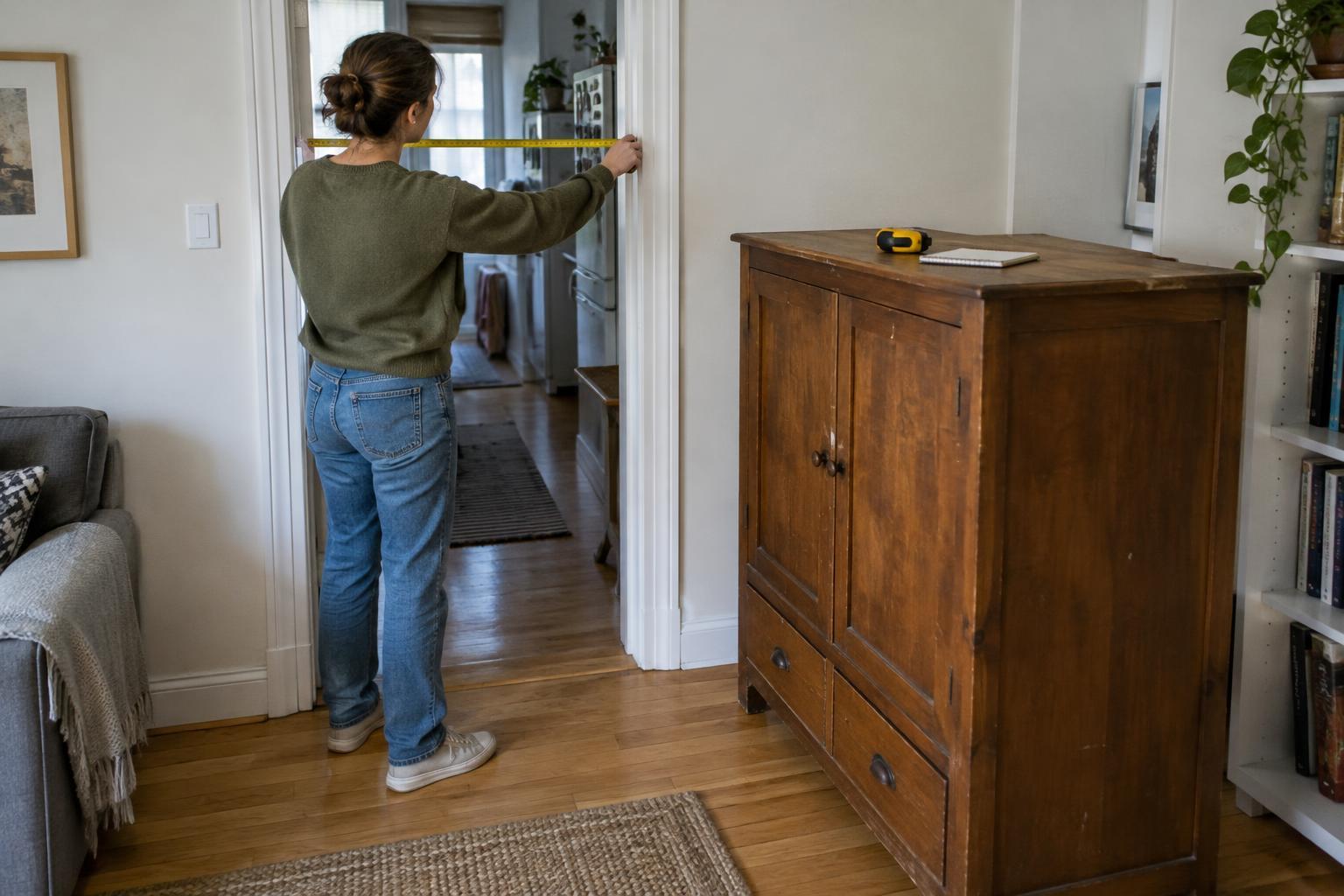
A good secondhand find is not just attractive or inexpensive. It needs to fit the space, serve its intended purpose, and withstand the way you will use it. Before shopping, measure the available floor space, doorways, and stair turns. Note the dimensions you need, including seat height or drawer clearance where relevant. Bring a tape measure and, if possible, a small flashlight so you can look beneath and behind a piece.
Decide in advance which flaws you can accept. A scratched tabletop might be fine under a desk mat; a dining chair with a loose frame is a different matter. Cosmetic wear can often wait, but structural repairs may require tools, time, or skills you do not want to commit. Setting that boundary helps you judge the furniture rather than getting carried away by its price or style.
Test the frame and moving parts
Begin on a level surface if you can. Gently push the piece from different directions and listen for creaks while watching for movement at the joints. Some wobble comes from an uneven floor or a short foot; movement where legs meet the frame is more concerning. On a chair, press down on the seat, lean carefully against the back, and check that the legs stay firm. Avoid putting your full weight on anything that already feels unstable.
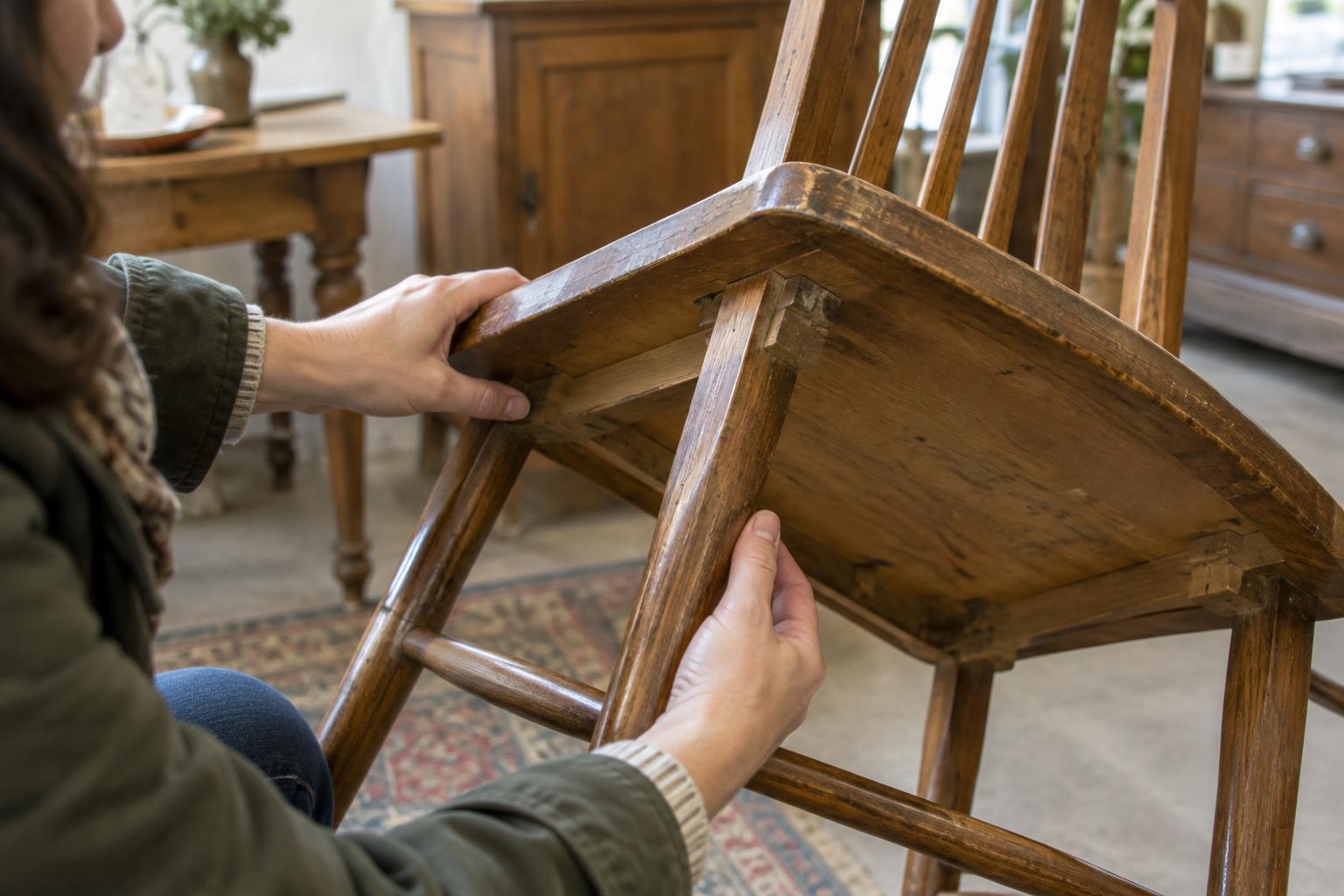
Look underneath tables, chairs, and cabinets. Check whether braces, screws, and joints are present and secure. Gaps at joints, split wood, bent metal, or repairs that are pulling apart deserve a closer look. Open every drawer and door. They should move without excessive force, and their fronts should sit reasonably even when closed. A sticky drawer may need a minor adjustment, but sagging runners or a distorted cabinet frame can be harder to address.
Look where damage tends to hide
Inspect backs, undersides, bottom edges, and the areas around feet. Water exposure may leave swollen panels, rippled veneer, soft spots, staining, or a persistent musty smell. Press gently on suspect areas rather than relying on appearance alone. Particleboard that has swollen or begun to crumble is often difficult to restore to its original strength. Check solid wood for cracks that run through load-bearing parts, not just shallow marks in the finish.
For upholstered furniture, inspect seams, folds, cushion undersides, and the frame beneath. Look for unexplained spotting, shed material, insects, or signs that the fabric has been repeatedly damp. A flashlight helps, but a quick inspection cannot rule out every pest or odor problem. If you cannot inspect the piece thoroughly, or the seller will not let you look beneath cushions or behind the item, it is reasonable to pass. Bringing home a questionable sofa can create more work than finding another one.
Judge repairs by effort, not possibility
Many flaws are fixable in theory; fewer are worth fixing for your household. Loose hardware, a missing knob, or a dull finish may be manageable projects. A broken chair joint, damaged upholstery, or widespread moisture damage can involve more work than the piece first suggests. Ask yourself what materials, tools, workspace, and time the repair would take. If you would need outside help, account for that before deciding.
Match your expectations to the material. Solid wood may allow more options for sanding or refinishing, while veneer can be damaged by aggressive sanding. Fabric can conceal wear in padding or springs. If a piece needs to be safe under weight, such as a chair, bench, or shelf, do not assume a coat of paint will solve a structural problem. When the repair is uncertain and the item is common, waiting for a sturdier example is often the simpler choice.
Make the final check before bringing it home
Take a last look in good light, confirm the measurements, and test any moving parts you may have missed. Ask whether the item comes apart for transport and check that removable parts and hardware are included. Photographing how components fit together can help with reassembly. Plan how you will carry the piece without dragging or stressing its joints.
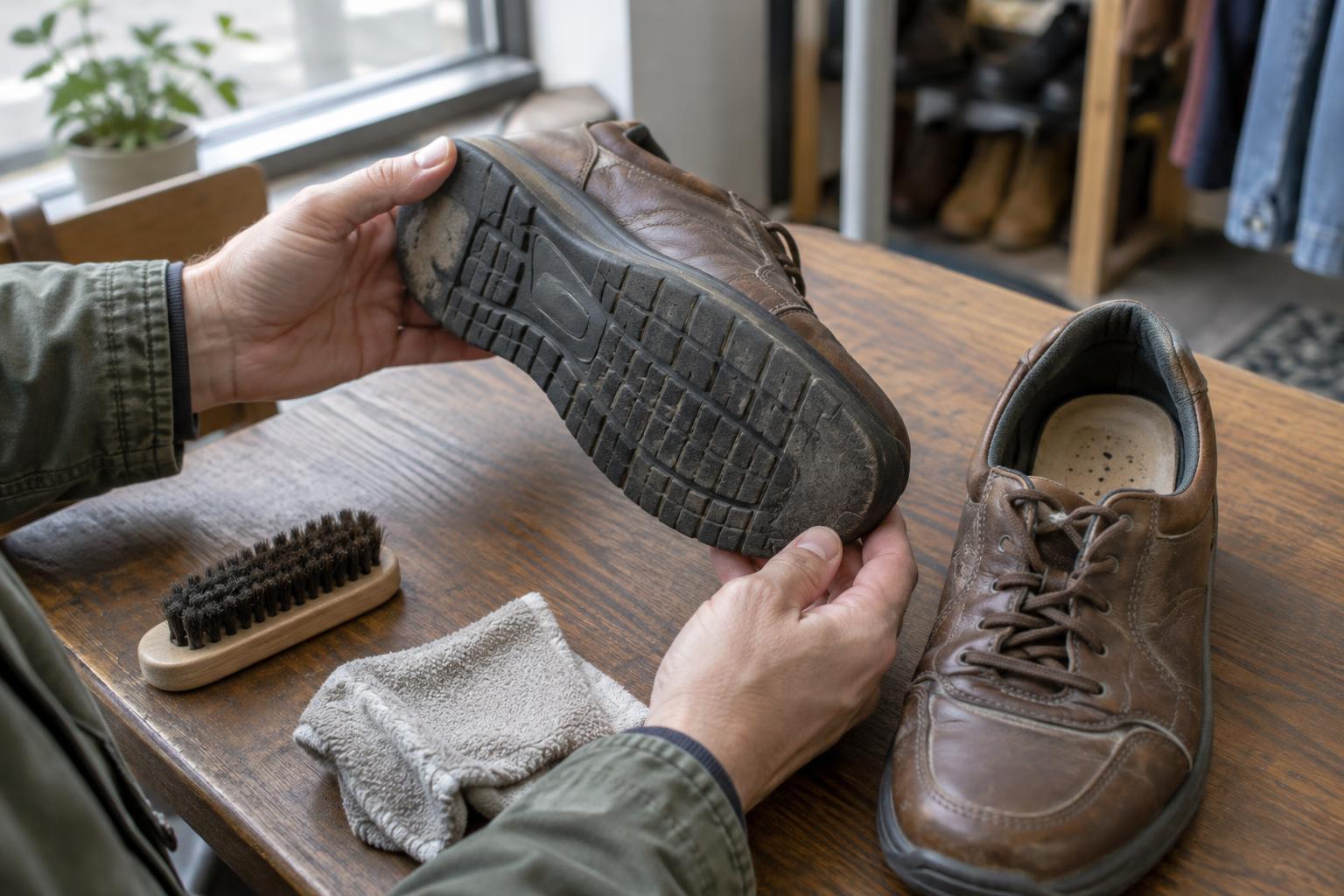
Once home, clean the furniture in a way that suits its materials and let it dry fully before putting it into use. Set aside small repairs you identified during inspection rather than allowing them to worsen. The goal is not to find a flawless object. It is to choose a piece whose condition you understand, whose problems you can realistically handle, and whose useful life you are ready to extend.