Start with what you actually wear
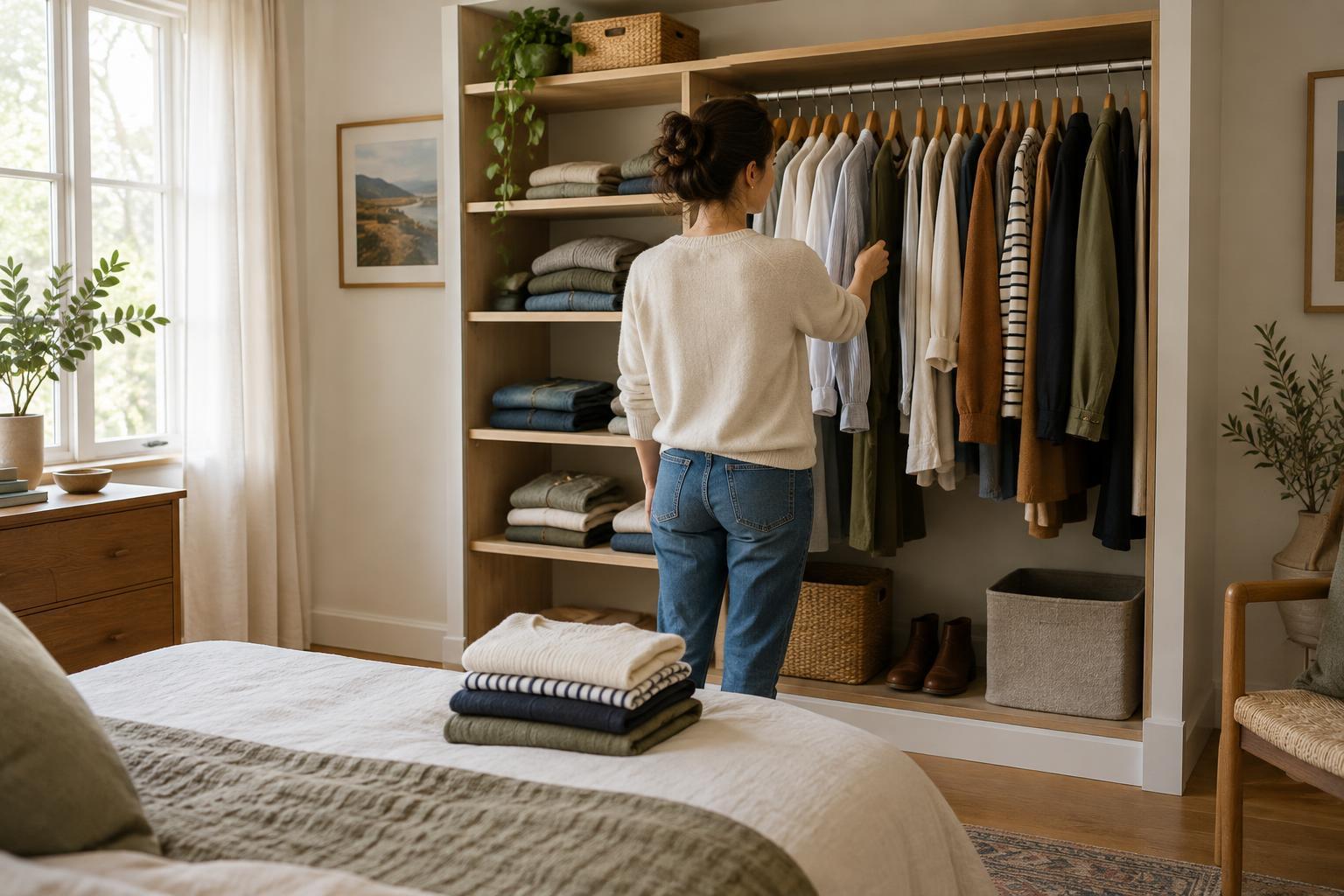
Before trying to create new outfits, pull out the clothes you reach for most often. Look for the reasons they work: a comfortable fit, a useful pocket, an easy-to-layer shape or a color you enjoy wearing. These pieces are better starting points than items you feel you ought to wear. A successful outfit needs to suit your day, not just look good on a hanger.
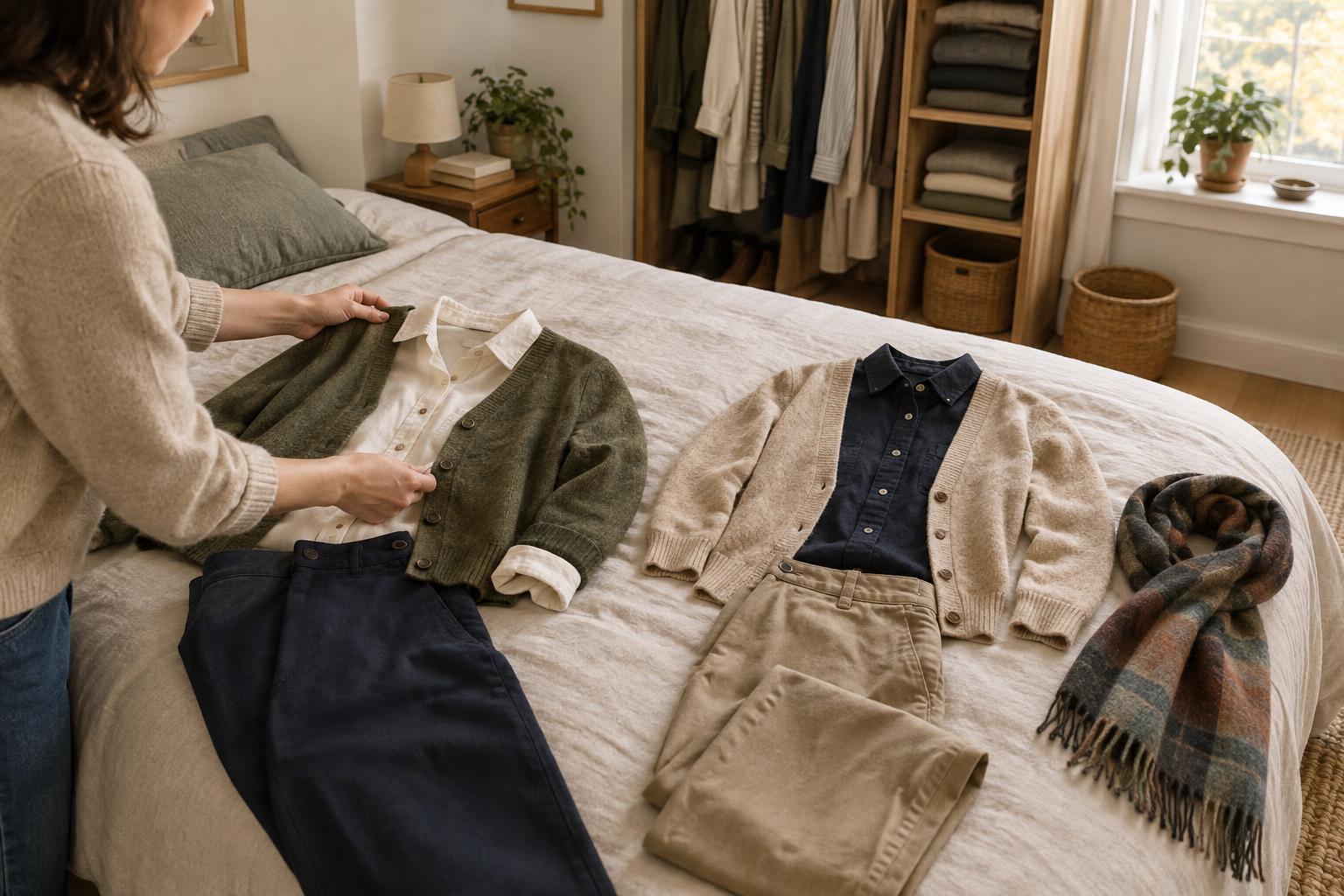
Choose one frequently worn piece, such as a pair of trousers or a shirt, and lay it out where you can see it. Bring over other items you already own that might work with it. Include layers, shoes and accessories; a change of shoes or an open overshirt can make familiar clothes feel different. You do not need to empty the whole wardrobe at once. Working with a small group of items makes the exercise easier to finish.
Try combinations before judging them
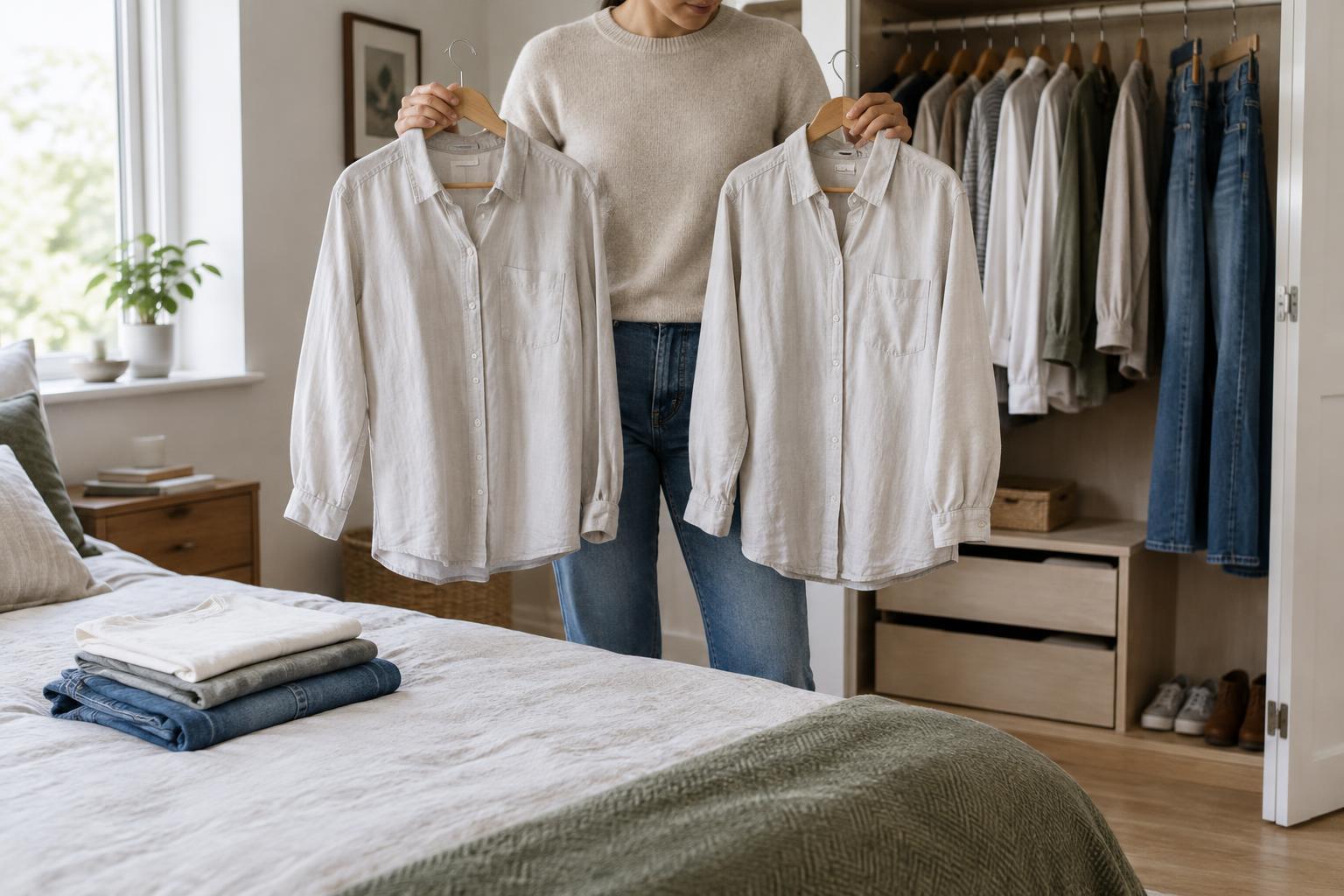
An outfit that looks unlikely on a hanger may work when worn. Try pieces on together and move around in them. Sit down, reach for something and consider the weather and activities they would suit. If you are unsure about a combination, identify what feels off. The proportions may need adjusting, or one piece may be better with different shoes. You can tuck a top, roll a sleeve or leave a layer open before ruling the outfit out.
Aim for a few outfits for the situations you encounter regularly rather than trying to make every item match everything else. A comfortable outfit for errands, one for a more polished day and one that handles changing temperatures may be more valuable than dozens of combinations you would never choose. Let your own preferences guide you; variety is useful only if the results feel wearable.
Make overlooked clothes easier to use
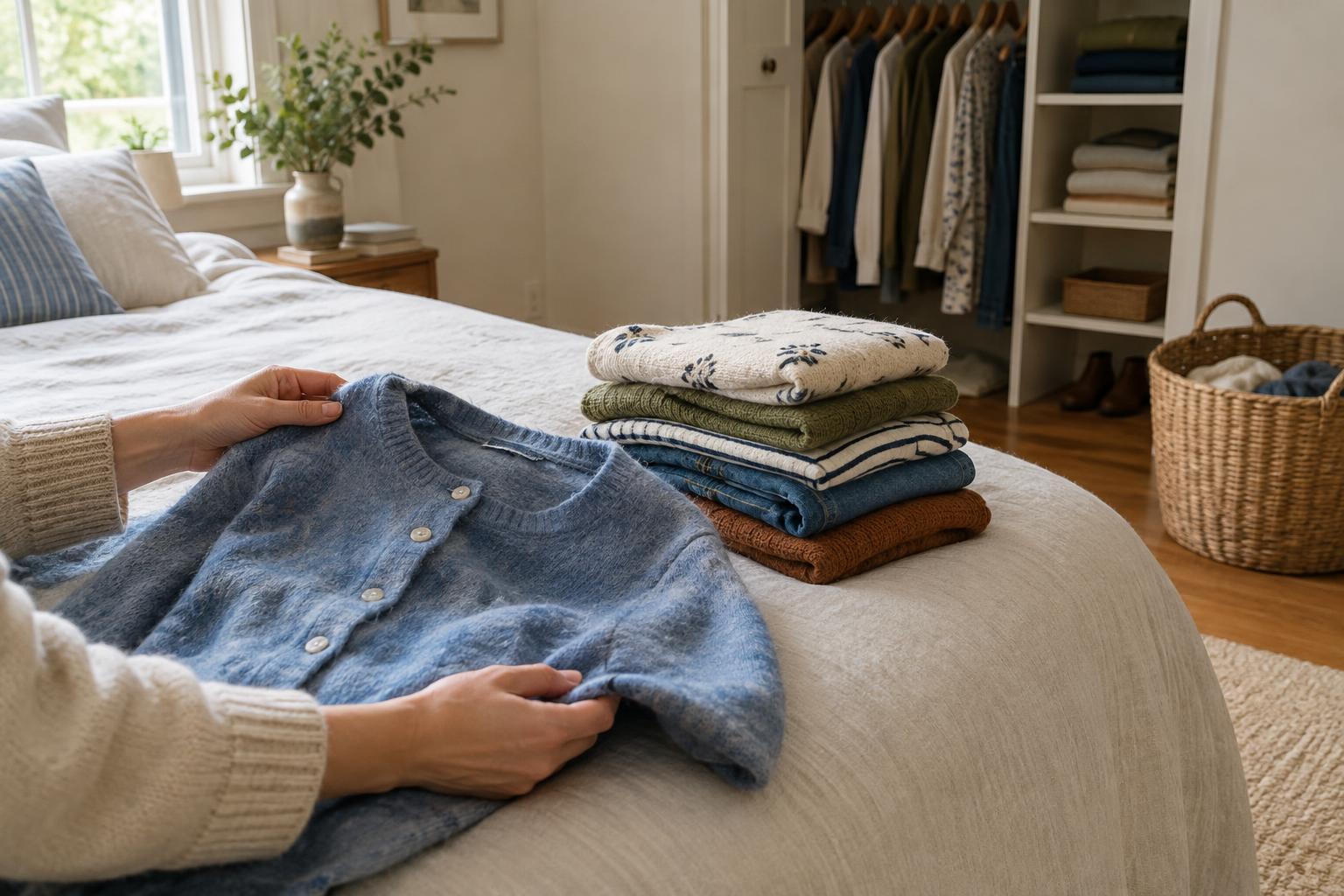
Set aside pieces you like but rarely wear and ask what keeps them out of rotation. Perhaps a button is loose, the hem catches under your shoes or the item is stored where you cannot see it. Small repairs, cleaning or moving it beside compatible clothes may be enough to bring it back into use. If a change needs specialist work, decide whether the likely use is worth the effort and cost before committing.
Some clothes are rarely worn because they serve a specific season or occasion. That does not make them failures. Store them where you can find them when needed, and give everyday space to the pieces that support your current routine. If an item no longer fits your needs, you can consider passing it on, but there is no need to make a rushed decision just to complete an edit.
Keep a record of outfits that work
Once you find a combination you like, make it easy to repeat. Take a quick photo, write a short note or group the pieces together in your wardrobe. A note can be as simple as “blue shirt, dark trousers, light jacket, trainers.” Recording shoes and layers helps because those details often determine whether an outfit works on a real day.
Pay attention to what you learn over several wears. You might notice that one shirt works with three bottoms, while another needs a layer to feel comfortable. These observations are more useful than a rigid rule about how many clothes you should own. They also help you spot the difference between a genuine wardrobe gap and the passing urge to buy something new.
Let future purchases solve a real problem
Building more outfits from existing clothes does not mean never buying anything. It gives you a clearer basis for deciding what, if anything, would help. If you repeatedly reach for the same item while it is in the wash, a durable replacement or a suitable secondhand option may eventually be useful. If you cannot name the outfits a proposed purchase would join, it may be worth waiting.
Keep the process light enough to revisit when your routine or the season changes. Choose a few reliable outfits, try one new pairing now and then, and repair or care for the pieces that earn regular use. The goal is not to make your wardrobe perfectly efficient. It is to make getting dressed easier while making fuller use of what you already have.