Start with the job the item needs to do
Durability is not one feature you can spot on a label. A laundry basket needs handles that survive repeated lifting; a desk lamp needs a stable base and an adjustable joint that holds its position. Before comparing products, picture where the item will live, how often you will use it and which part is most likely to take strain. Those answers make it easier to look past decorative details and focus on construction that matters.
Think about how you will care for the item, too. A washable cover may help a cushion stay useful longer, while a simple surface may be easier to clean than one with hard-to-reach grooves. The best choice is not always the heaviest or most expensive one. It is the item whose design fits your use without asking for more maintenance than you are willing to give it.
Look closely at connections and load-bearing parts
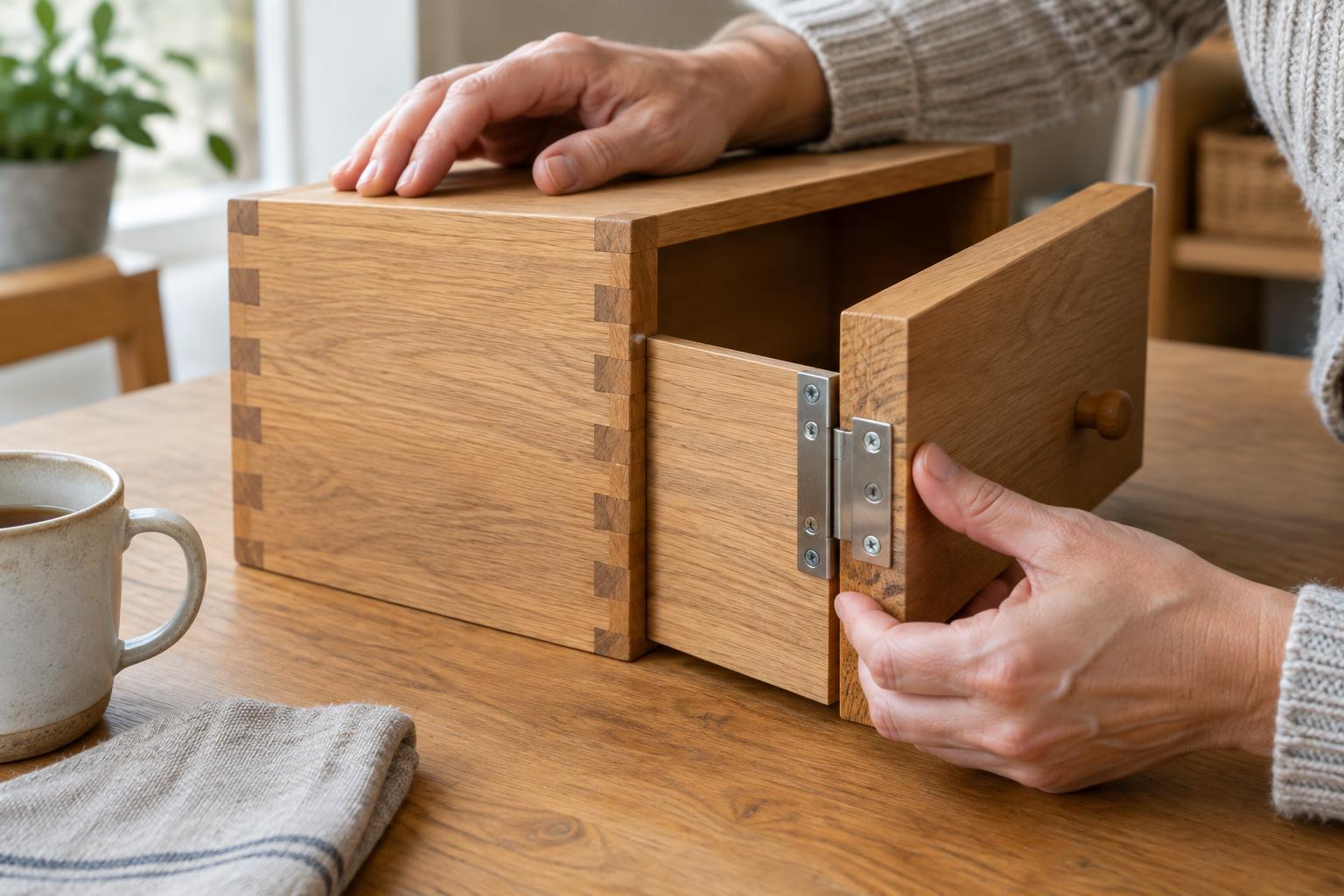
Joints are good places to start an inspection. On a stool, shelf or small table, look at how the legs, supports and top are joined. Connections should meet neatly, with no obvious gaps, loose fasteners or movement when the item is gently handled. On a basket or storage bin, check whether the handles are reinforced and attached to a strong part of the body rather than a thin edge. A tidy finish can be appealing, but it cannot compensate for a weak connection.
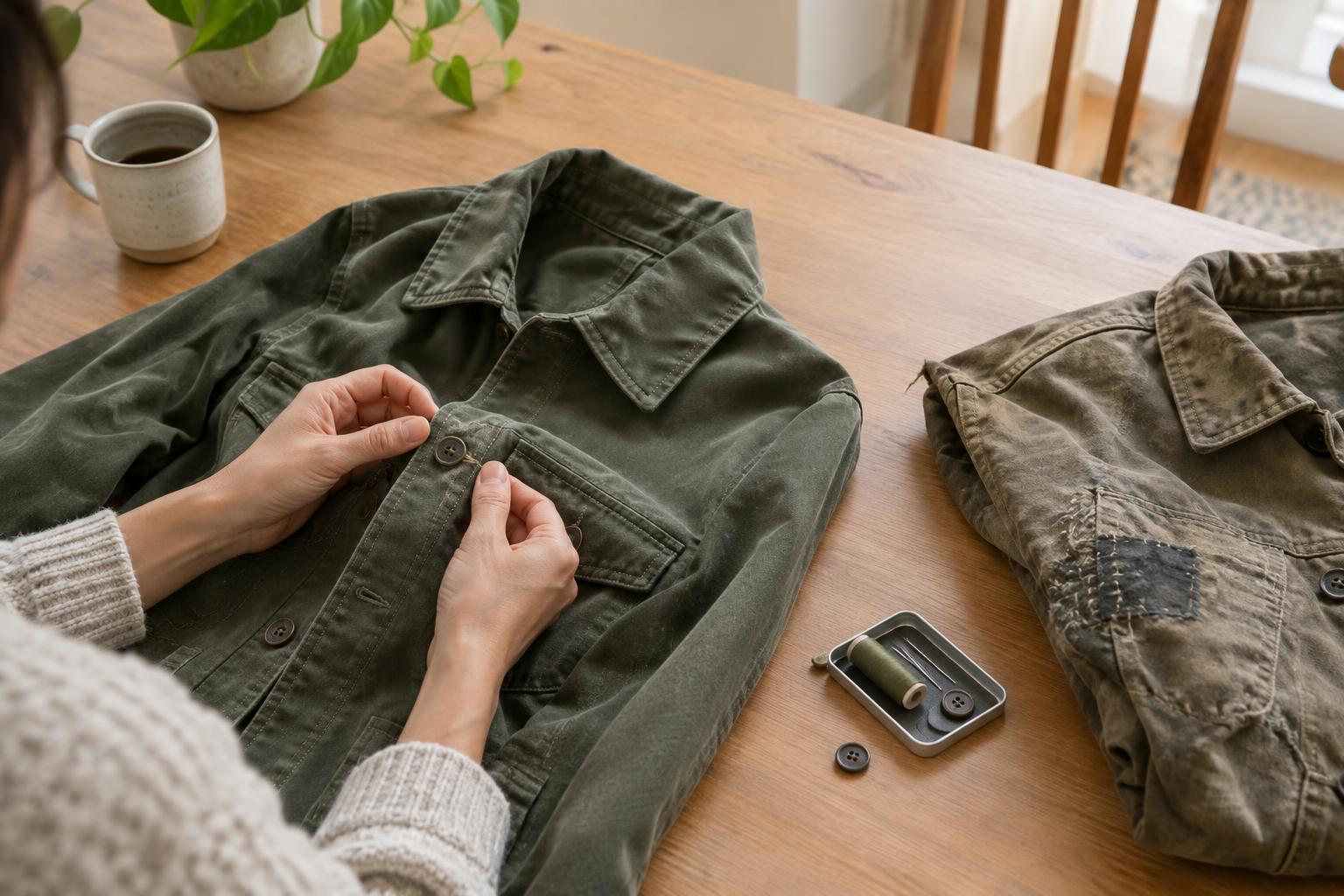
For fabric goods such as tote bags or organizers, examine the stitching where weight will pull. Even stitches and reinforced handle attachments are useful signs. For plastic goods, look for thin spots around handles, hinges and corners, where repeated flexing may cause trouble. No single joint style or material guarantees a long life; what matters is whether the construction suits the load the object is expected to carry.
Test movement, balance and everyday handling
If you can inspect an item in person, use it gently as you normally would. Open and close a lid, slide a drawer, adjust a hinge or lift a pan by its handle. Movement should feel controlled rather than wobbly, sticky or unexpectedly stiff. A drawer that glides when empty might behave differently once filled, so pay attention to its supports as well as its initial feel. Check whether a container’s lid aligns easily instead of needing force to fit.
Balance matters as much as strength. A tall lamp with a narrow, light base may be easy to tip in a busy space, even if its parts look well made. A mug handle should leave enough room for a comfortable grip, and a tool should feel manageable in the hand. These checks do not predict every failure, but they can reveal annoyances that would make an otherwise sound purchase less useful.
Read finishes and material claims with care
Inspect finishes where wear is likely: edges, corners, undersides and areas that touch a counter or floor. Look for rough spots, peeling surfaces or coatings that appear uneven. For items that need frequent cleaning, consider whether seams and recesses will trap dirt. If an object may get wet, ask how its material and finish are meant to be cared for. A durable surface for one room may be a poor match for a damp bathroom.
Material names can help you narrow your choices, but they do not tell the whole story. Solid wood, metal, glass and plastic can all vary in design and construction. Likewise, a product described as “heavy-duty” may still have a fragile hinge or handle. Compare the actual parts that will see daily use rather than relying on a single material claim, a polished photo or the weight of the package.
Check whether the item can stay useful
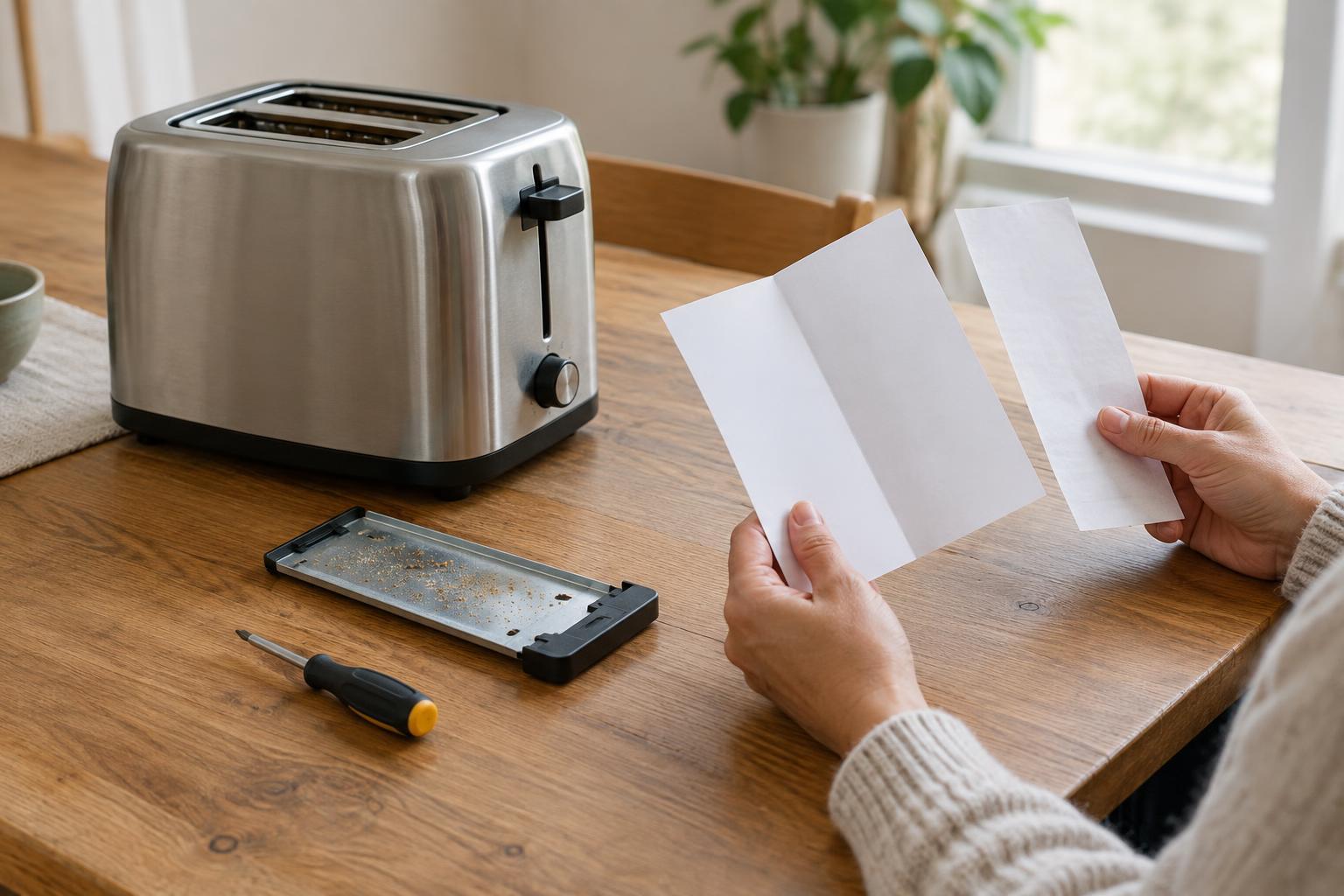
A product may last longer in your household if you can clean it, tighten it or replace a worn part. Look for accessible screws, removable covers, replaceable filters or other parts relevant to the item. Check any available care instructions before buying: they can tell you whether upkeep is practical for your routine. An item that is difficult to maintain may be a poor fit even if its initial construction seems sturdy.
When shopping online, use clear product photos and descriptions to investigate the same details you would check in person. Look for views of joints, handles and undersides, along with dimensions that help you judge fit and stability. If those details are missing, avoid treating vague durability language as proof. Buying less often starts with a useful question: can I see how this object is put together, and can I imagine keeping it in working order?