Start by turning the claim into a question
A label that says “durable,” “responsibly made,” or “better for the planet” may describe a worthwhile feature. On its own, though, it gives you little to judge. Before accepting the claim, ask what it refers to: the whole product, one material, its packaging, or a particular stage of production? A shirt made with recycled fibers, for example, might still be difficult to mend or care for. One positive attribute does not answer every question about the item.
Specific statements are more useful than broad adjectives. “Replaceable zipper” tells you something you can check; “made for life” does not explain how the product will hold up. Look for details about materials, construction, care, spare parts, and the conditions of any warranty. If a seller cannot explain a prominent claim in ordinary language, treat it as a prompt for further checking rather than a reason to buy.
Judge durability by the way you will use the item
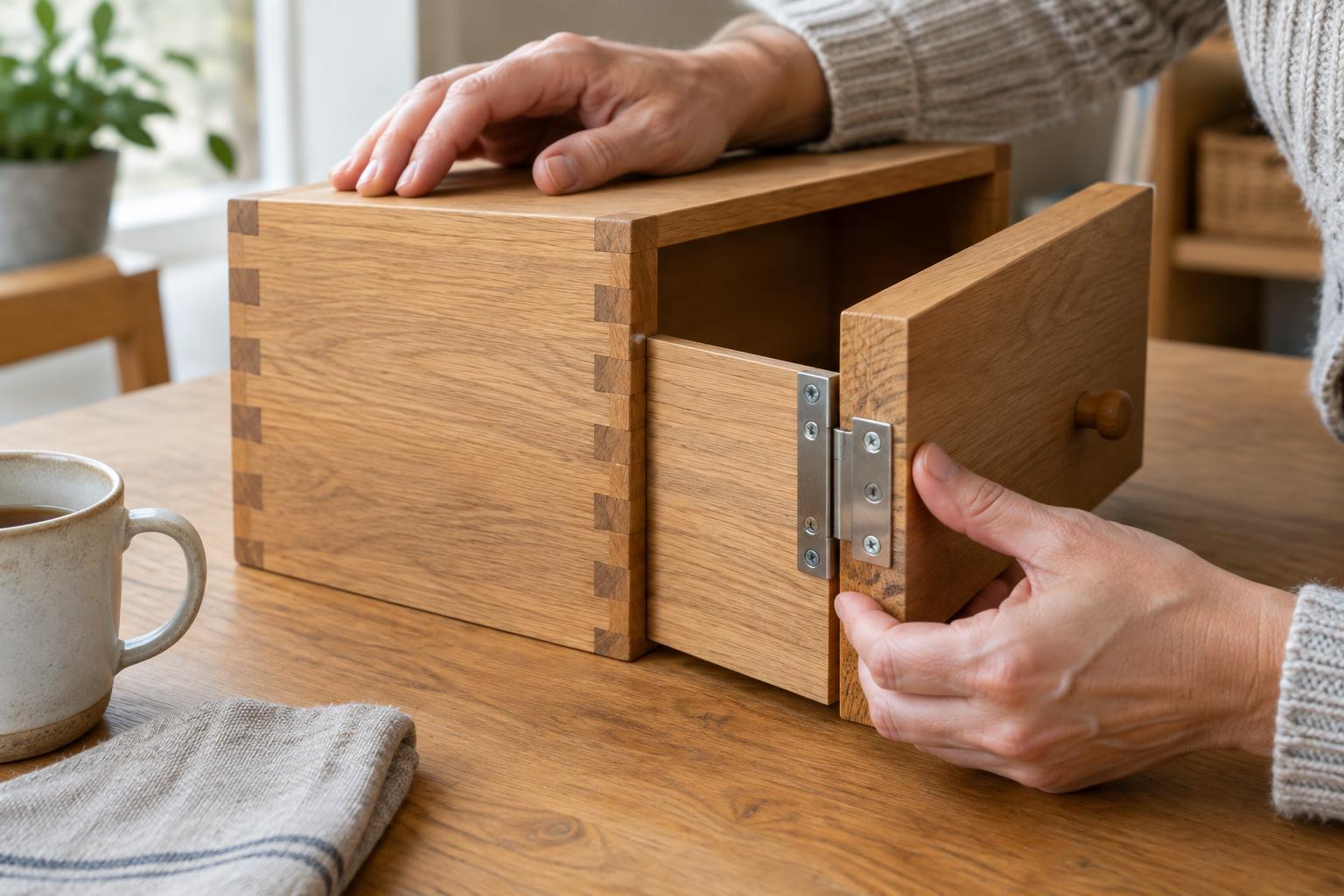
A product can be sturdy in one setting and poorly suited to another. Think about the stresses your purchase will face: frequent washing, moisture, heavy loads, rough surfaces, or daily opening and closing. Then inspect the parts most likely to wear. On a bag, that might mean straps, seams, and closures. On furniture, it might mean joints, surfaces, and whether a damaged component can be replaced. A polished finish can hide weaknesses, so examine how the item is put together, not just how it looks.
Care requirements matter too. An item that needs treatment you are unlikely to provide may not last long in your household, however strong its materials seem. Check whether cleaning instructions fit your routine and whether ordinary wear can be addressed without replacing the entire item. A useful durability claim should help you picture ownership after the purchase, including maintenance and likely points of failure.
Look for a clear basis behind sustainability language
Environmental claims are easier to assess when they identify both the improvement and its limits. “Less packaging” raises reasonable follow-up questions: less than what, and which packaging components changed? “Recycled content” is more informative when the seller states which part of the product contains it. Be cautious when an appealing claim about a small component seems to stand in for an assessment of the whole item.
Certifications and standards can add useful context, but their names alone may not settle the decision. Check what a label covers, who verifies compliance, and whether it applies to this product rather than only to a company or facility. If those details are hard to find, you can still compare the features you can observe: how long the item is likely to serve your needs, whether it can be repaired, and what happens when you no longer want it. No single label removes the need to consider those practical questions.
Compare options without chasing a perfect product
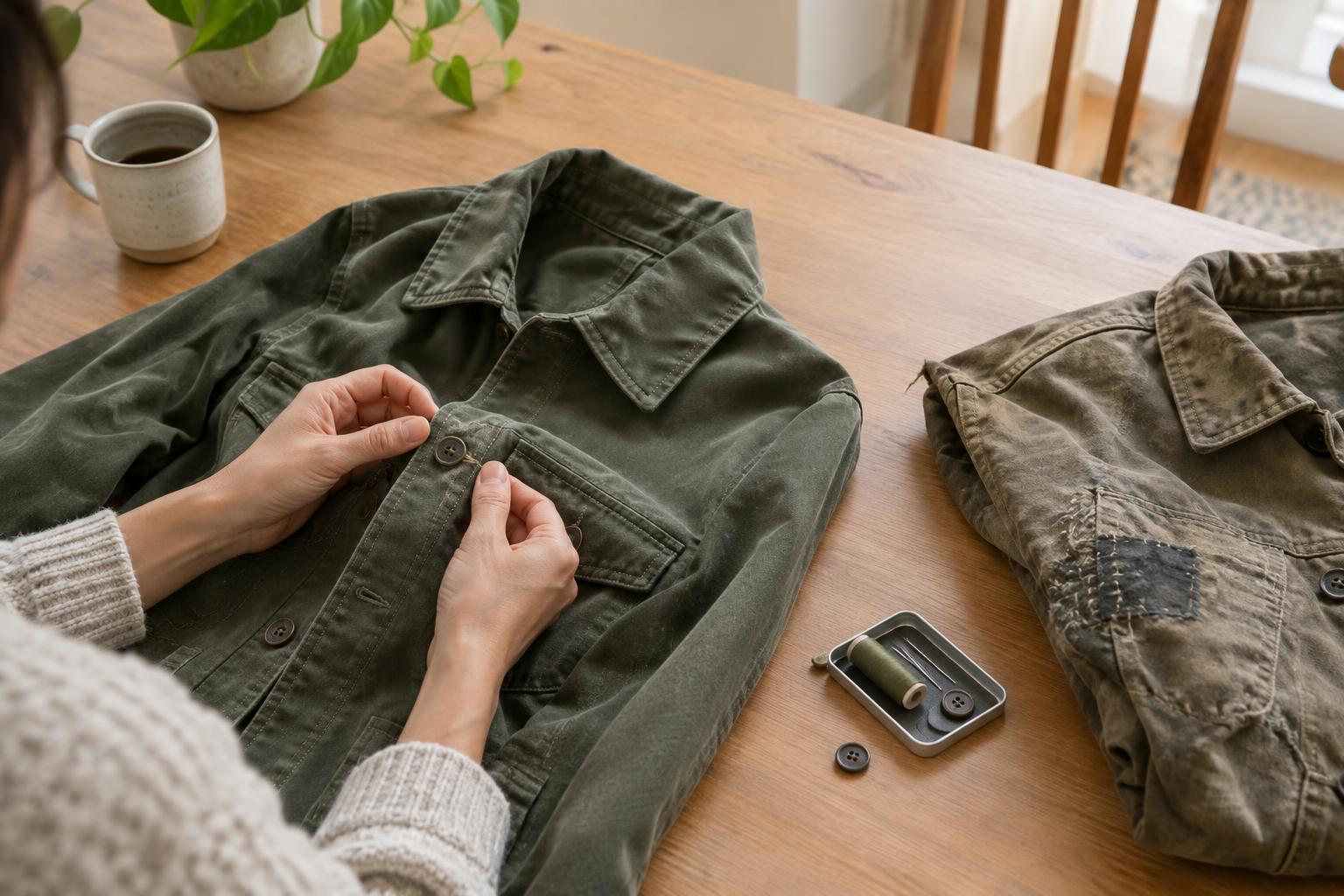
An honest comparison begins with your actual need. Could something you own be cleaned, adjusted, or repaired? Could you borrow the item for occasional use? If you do need to buy, a secondhand version may meet the same need while keeping an existing item in use. These options are not automatically best in every situation, but considering them before browsing new products can keep marketing claims from defining the choice for you.
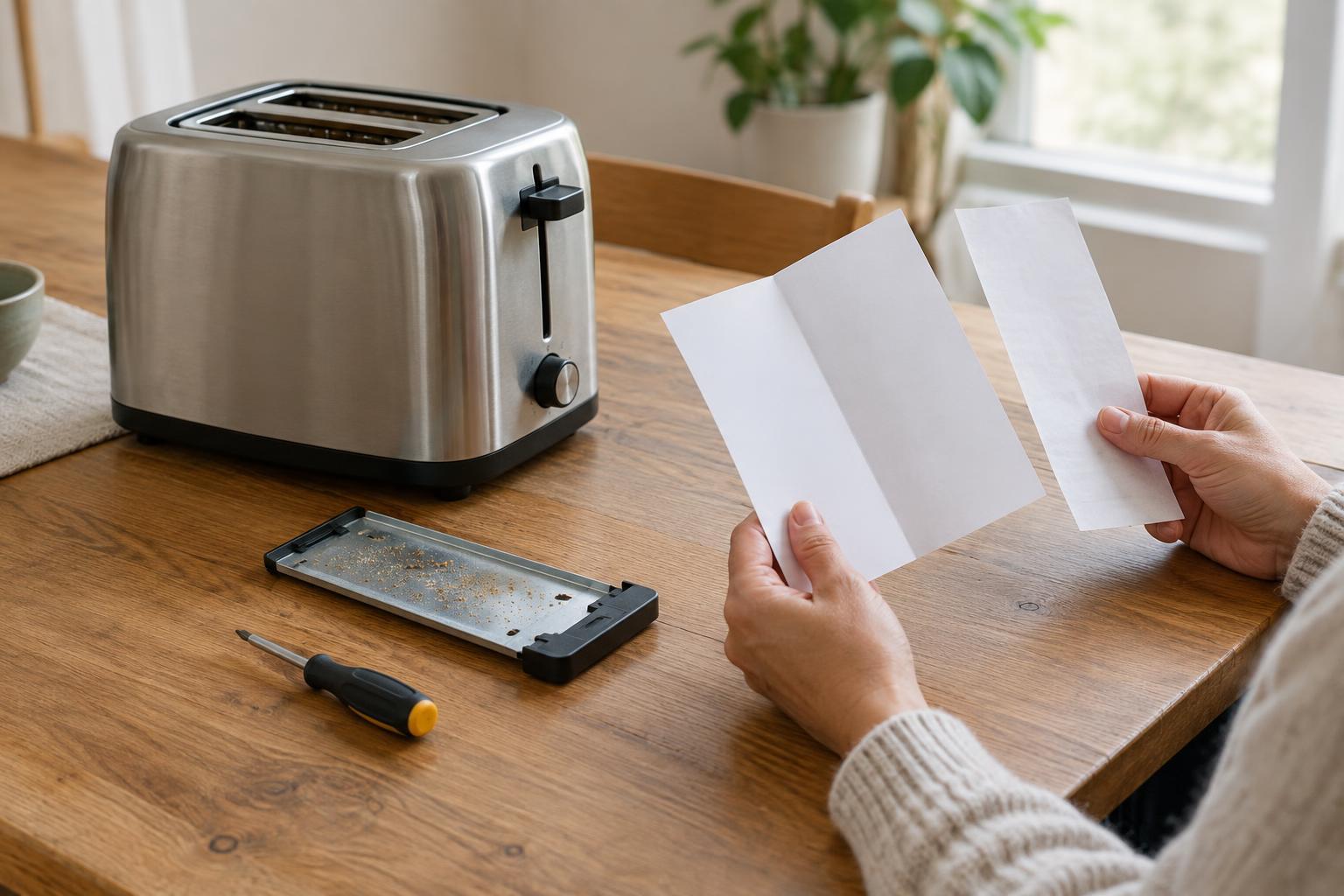
When comparing new items, choose a few criteria that matter most for that purchase. For a frequently used appliance, you might prioritize suitability, accessible replacement parts, and understandable care instructions. For an everyday garment, fit, fabric care, and the ability to mend it may matter more than a broad sustainability slogan. You do not need to calculate a product’s entire environmental impact to make a more considered choice. You do need enough relevant information to avoid buying on the strength of a vague promise.
Make a small verification habit
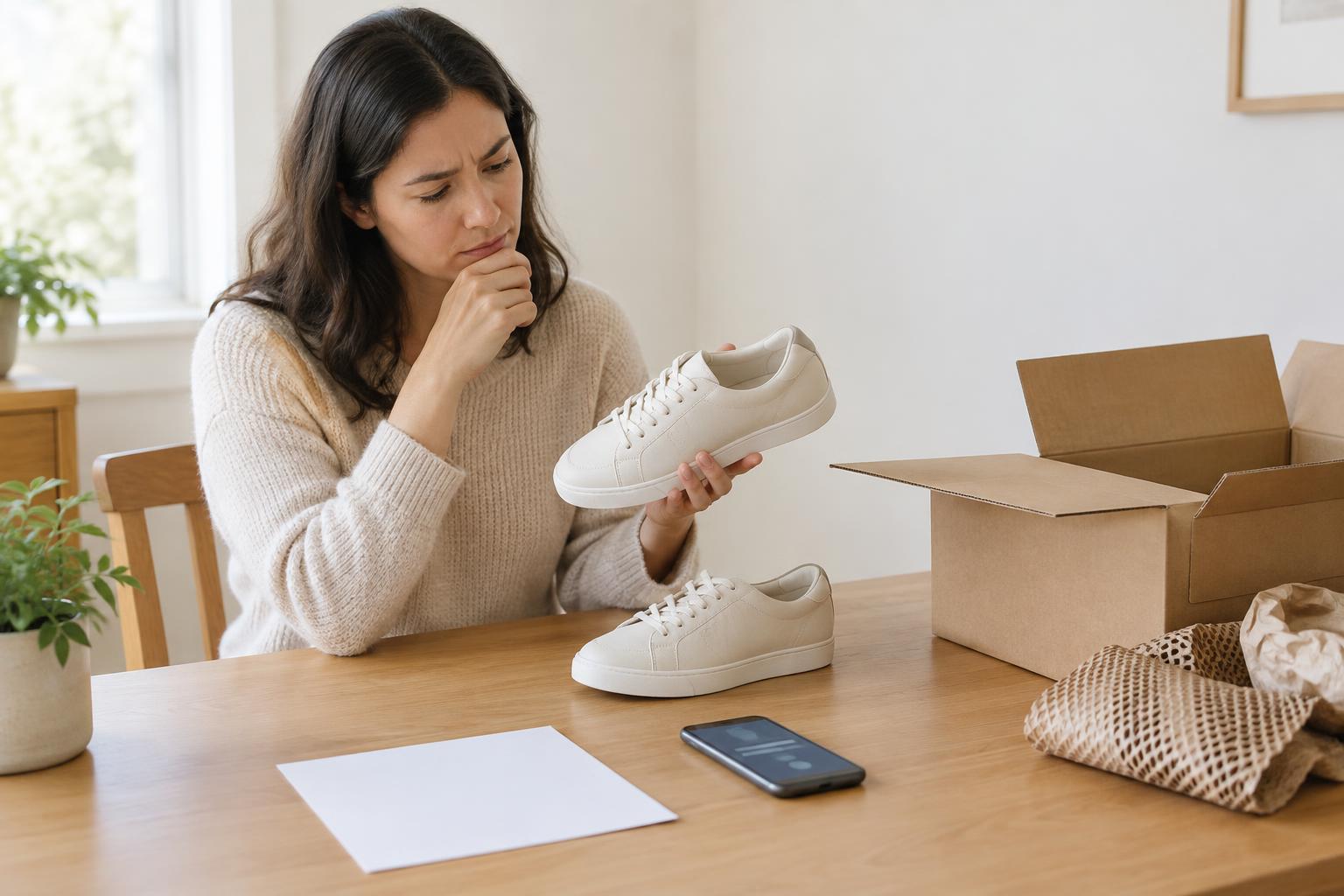
Before checkout, pause and ask three questions: What exactly is being claimed? What information supports it? Will this feature make a difference in how I use and keep the item? Read beyond the front of the package or the headline of the product page. Check specifications, care guidance, warranty terms, and the availability of parts where relevant. If a claim still feels unclear, contact the seller with a specific question.
You will not always find a definitive answer, and you do not have to turn every purchase into an investigation. For low-stakes items, a quick check may be enough. For something costly, frequently used, or difficult to replace, take more time. The goal is not to find a flawless product; it is to let clear, useful evidence carry more weight than reassuring words.