Start with the job, not the rating
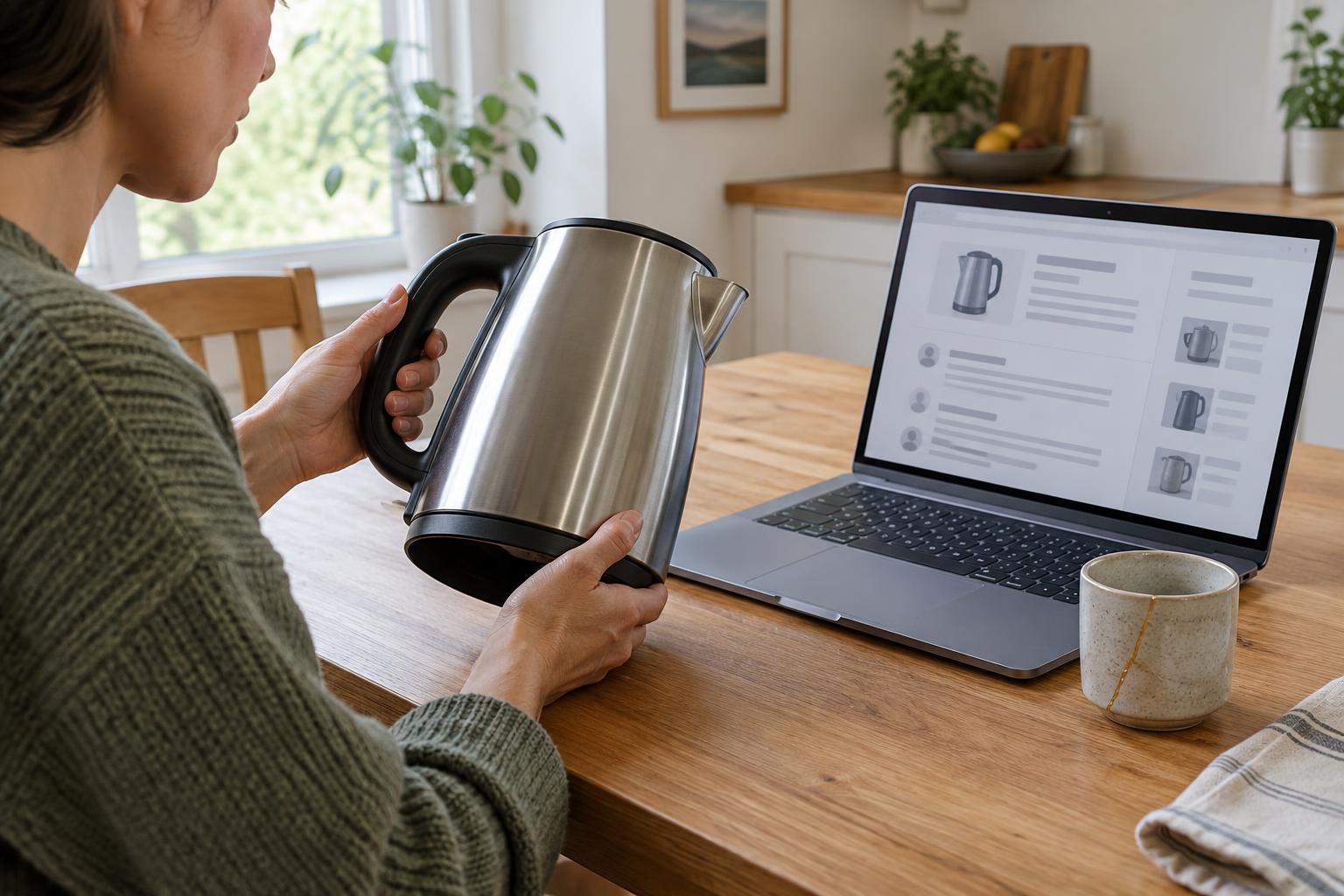
Before opening reviews, write down what the item needs to do. A kettle might need to fit under a low cabinet, pour without dripping and have a handle that feels comfortable. A backpack might need a washable lining and zippers you can operate with one hand. These requirements give you something more useful than a vague search for the “best” product: a way to tell which comments apply to your life.
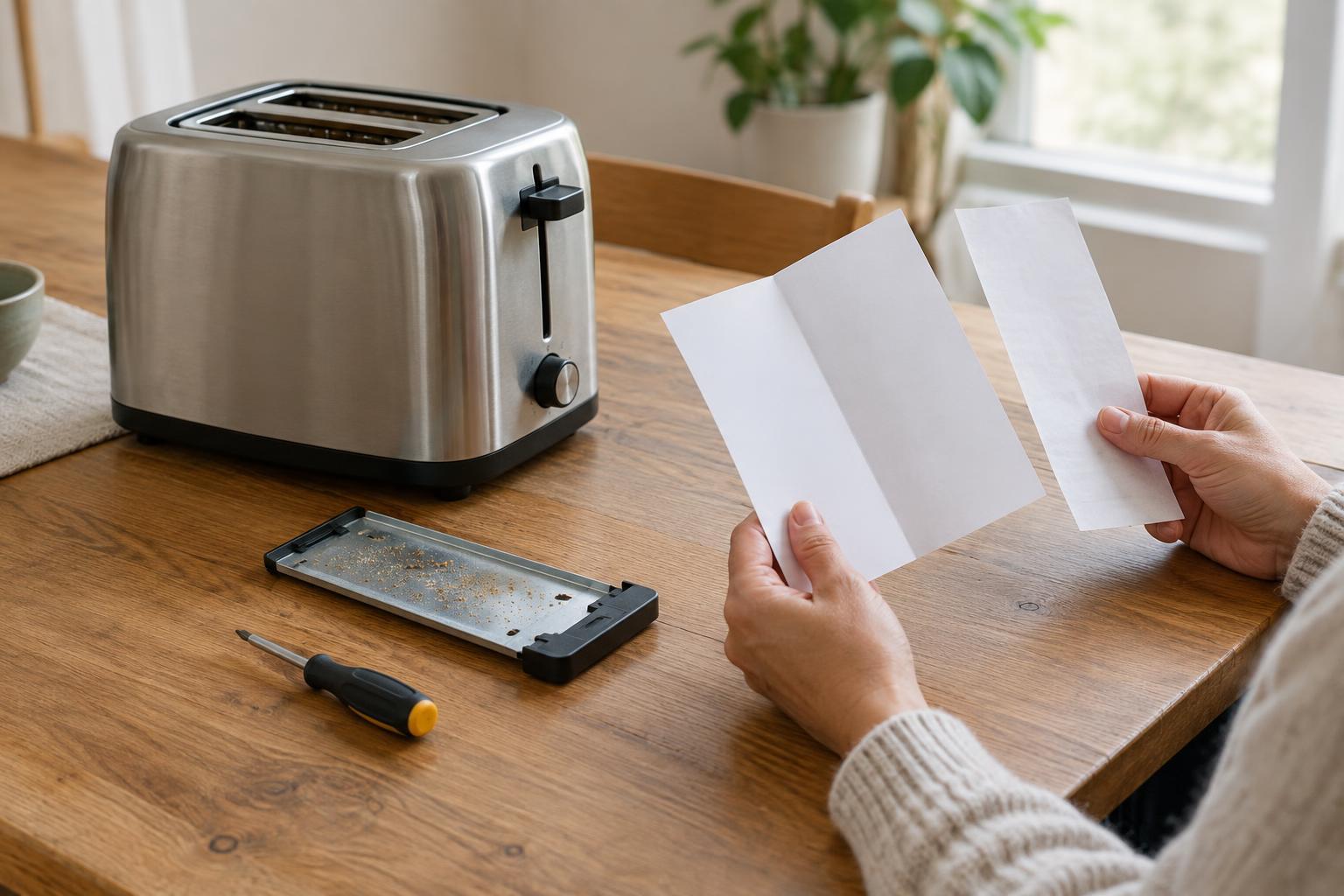
Separate essentials from preferences. A color you like may be a preference; a size that fits your shelf is essential. Also decide what you already own that could do the job. Reviews can make a new purchase feel like the only solution, even when a small repair, a borrowed item or a secondhand option would meet the need.
Read the middle, then the extremes
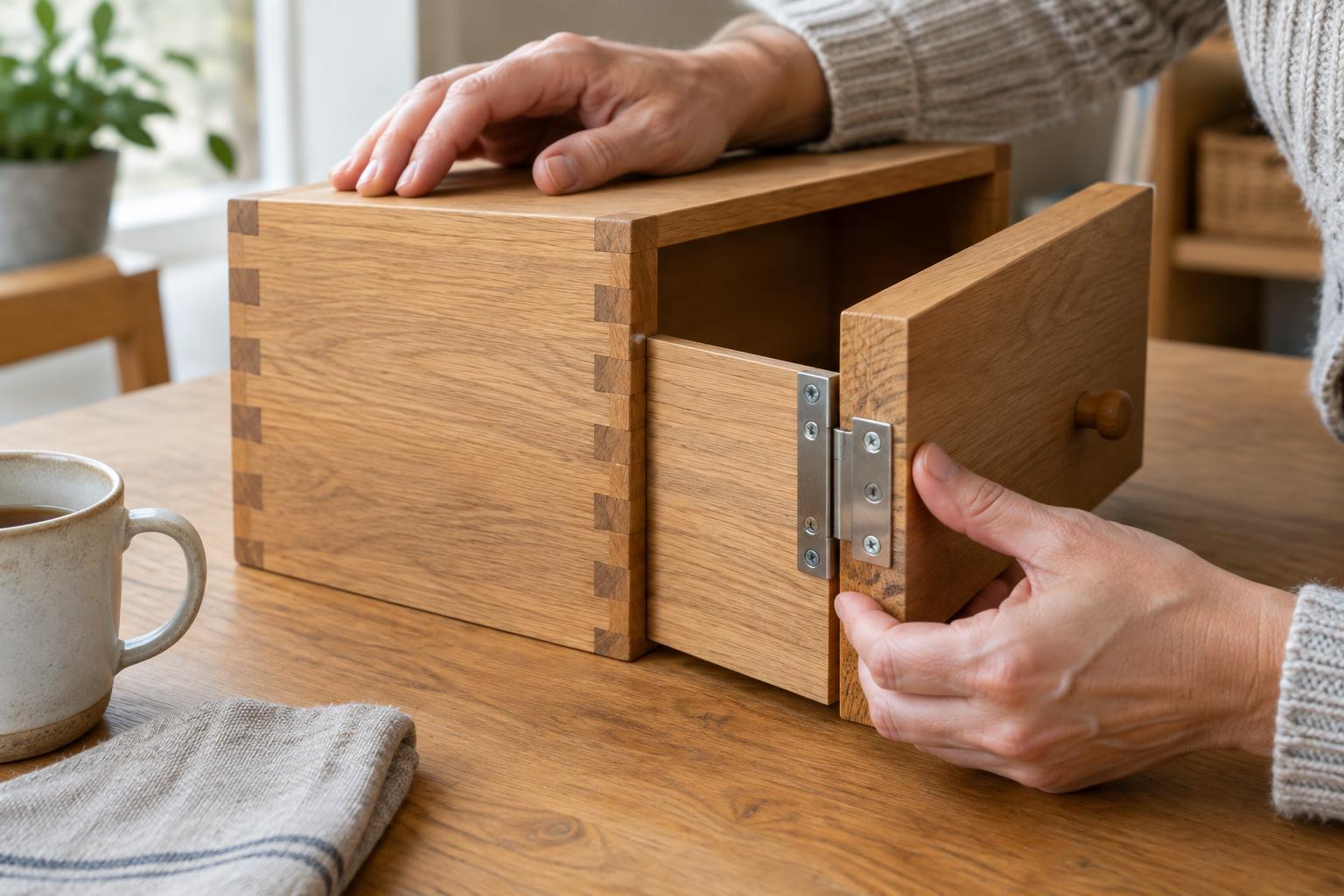
An average rating compresses many different experiences into one number. Start with a handful of detailed middle-range reviews to learn what people liked and what they had to work around. Then read favorable and unfavorable reviews for specific evidence. “Great quality” tells you little on its own; a description of how a hinge feels after repeated use tells you more.
Give more weight to reviews that explain the reviewer’s use, expectations and length of ownership. Someone assessing a desk chair after a few hours can speak to assembly and initial comfort, but not long-term wear. Photos can help you judge scale, finish or construction, though lighting and camera angles may change how an item looks. Treat every review as one account, not a verdict.
Look for repeated, relevant details
Patterns matter most when several reviewers independently describe the same concrete issue. If different people mention a loose handle, peeling coating or seam that strains in the same place, that is worth investigating. Likewise, repeated praise for an easily cleaned surface or replaceable part may point to a feature you will appreciate. Look for descriptions of what happened, not just repeated adjectives.
Keep your own needs in view while you scan. Complaints about a complicated setup may not matter if you enjoy assembling things; they matter more if you need the item ready to use quickly. A review saying shoes run narrow is especially useful if you know your feet need room. The goal is not to find a product with no complaints. It is to find out whether its likely compromises are ones you can live with.
Check for gaps and possible bias
Notice what reviews cannot tell you. A page full of comments written shortly after delivery may help with packaging and first impressions, but it offers limited insight into durability. Look for updates from people who have used the item over time. If the product has several versions, confirm that a review describes the version you are considering; a changed material or design can make older feedback less relevant.
Approach unusually repetitive praise or sweeping complaints with caution rather than trying to guess a reviewer’s motives. Some reviews may come from people who received an incentive, and platforms may display that information differently. Instead of relying on any one glowing or angry account, compare detailed experiences across ratings. Check product dimensions, materials, care instructions and return terms separately, since a reviewer’s needs may differ from yours.
Turn what you learned into a decision
After reading, summarize the evidence in a sentence: “This seems easy to clean, but several owners found the lid hard to replace.” If the concern affects an essential requirement, pause. You might compare another model, inspect the item in person or search for a used version you can examine. If the concern is minor for your use, you can stop reading rather than chase certainty through dozens more opinions.
Finally, ask how the purchase will live in your home. Can you store, maintain and repair it? Will it replace something you can pass along, or add to a crowded cupboard? Reviews are most helpful when they support a decision you have already framed around your needs and resources. Sometimes the thoughtful choice is a durable purchase; sometimes it is fixing what you have or deciding you do not need anything new.